
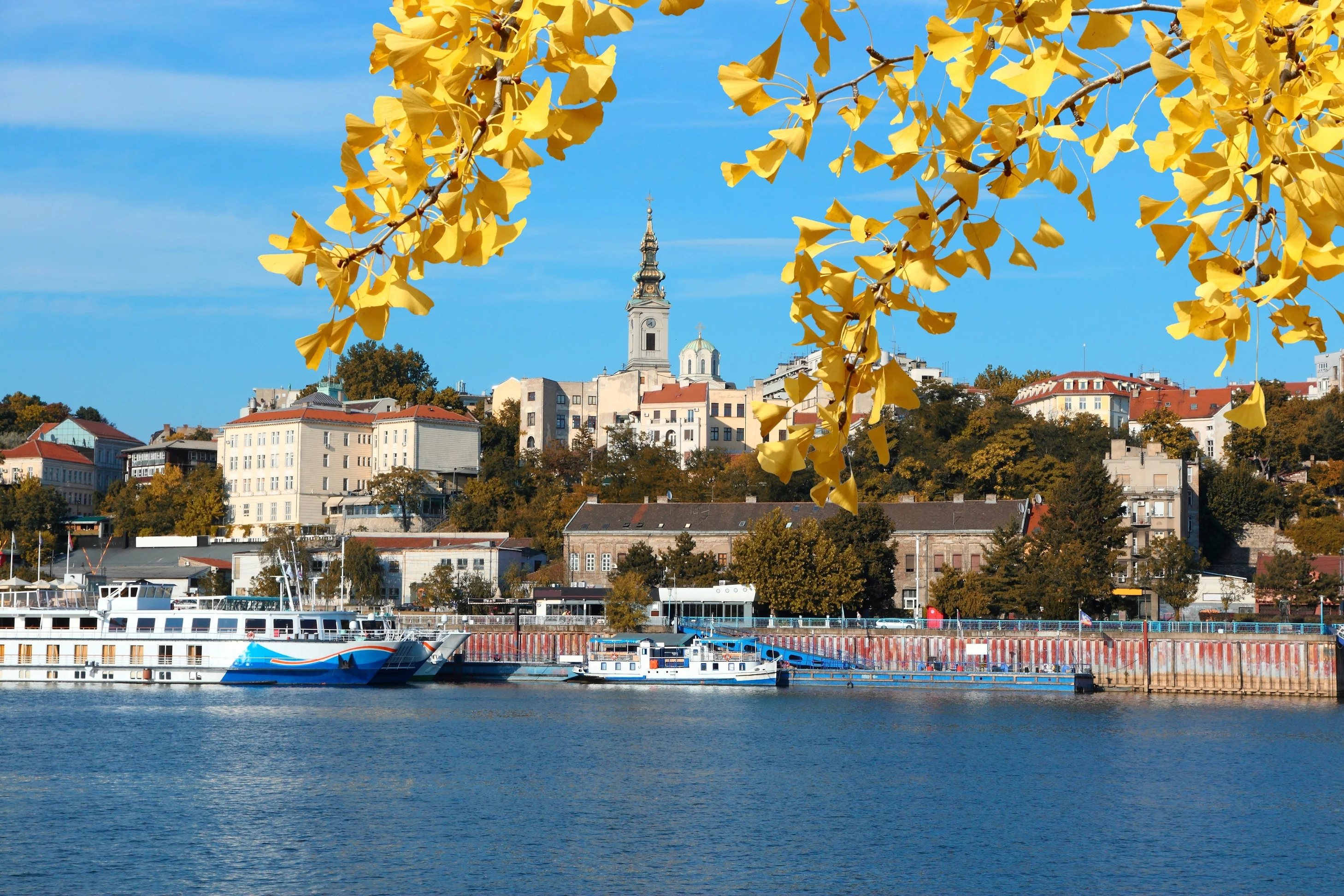
Belgrade, the rebellious capital of the Balkans
It is 11 PM on the banks of the Sava, and the city is just starting to wake up. On the splavovi, those floating nightclubs moored along the river, the bass is already thumping. A few hundred meters away, the massive silhouette of the Kalemegdan fortress stands out against the twilight. Belgrade looks like no other European capital. Destroyed and rebuilt more than forty times throughout its history, it wears its scars with a casual, almost defiant pride.
Belgrade: a destination for curious minds
This city is meant for those looking for something beyond polished facades and scripted itineraries. Nightlife enthusiasts will find one of the most intense scenes in Europe here, and history buffs can read twenty centuries of turmoil on the walls of the old town. Belgrade is also a great fit for travelers on a budget who refuse to sacrifice the quality of the experience.
On the other hand, if you are looking for romantic architecture in the style of Prague or Vienna, keep moving. The city is not ugly, but it does not try to win you over at first glance. Visitors who need grand monuments on every street corner might walk away disappointed. And those who cannot stand cigarette smoke will need patience, as Serbians still smoke indoors quite a bit.
An easy budget for Europe
Belgrade remains one of the least expensive capitals on the continent. Expect to spend between $45 and $68* a day for a comfortable stay, accommodation included. A meal at a traditional kafana rarely exceeds $12*, and public transit has been free for everyone since January 1, 2025.
The old town and Kalemegdan: the beating heart of Belgrade
Everything starts in Stari Grad, the smallest neighborhood in the city but also the densest in history. Republic Square has served as a gathering point for locals for generations. The equestrian statue of Prince Mihailo, with his finger pointing toward Constantinople, recalls the liberation from Ottoman rule. From there, the pedestrian street Knez Mihailova rolls out a kilometer of Art Nouveau facades all the way to the fortress.
The Kalemegdan fortress deserves several hours of your time. Celts, Romans, Byzantines, Ottomans, and Austro-Hungarians have each defended or destroyed it in turn. Today, it is a park where families picnic on Sundays while couples come to watch the sunset over the confluence of the Danube and the Sava. Do not miss the small Ružica Church, covered in ivy on the outside and decorated with chandeliers made from artillery shell casings on the inside.
Friendly tip: take a detour through Kosančićev venac, the oldest street in Belgrade outside the walls. This winding lane shelters the residence of Princess Ljubica and Saint Michael's Cathedral in unexpected quiet.
Skadarlija and Dorćol: the bohemian soul
Skadarlija gets its nickname as the Montmartre of Belgrade. This 400-meter cobblestone street gathers the most famous kafanas in the city, where musicians play the tamburica until dawn. The restaurants Tri Šešira and Dva Jelena have welcomed visitors for over a century. Prices stay reasonable despite the tourist influx, and the evening atmosphere is worth the trip.
Just to the north, the Dorćol neighborhood offers a more contemporary version of this energy. Here, art galleries sit next to cocktail bars and cafes where students debate the world. The cultural space Dorćol Platz brings artists and residents together for regular events. For exceptional coffee, push open the door of Kafeterija Magazin 1907, set inside a historic three-story building.
Zemun: the former Austrian village
Fifteen minutes by bus from the center, Zemun was once a separate town across the Austro-Hungarian border. Its narrow streets keep a Central European charm that Belgrade has lost. At the top of the hill, the Gardoš Tower offers a panoramic view over the red tile roofs and the Danube.
The Zemun riverbanks are lined with fish restaurants serving grilled catches of the day. The vibe here is more peaceful than in the center, almost village-like. The Zemun market, one of the oldest in the region, is worth checking out for its fresh produce and morning bustle.
Friendly tip: take the BeoVoz commuter train from the Vukov Spomenik station to Zemun. The ride cuts through the concrete blocks of Novi Beograd and offers an unusual perspective on socialist architecture.
The left bank: temples and panoramas
The Vračar neighborhood spreads across a hill south of the center. Its major landmark, the Temple of Saint Sava, ranks among the largest Orthodox churches in the world. Construction began in 1935 and is still not finished. The interior impresses with its scale and golden mosaics, even if parts of it remain under construction.
Vračar also draws crowds for its residential feel and numerous cafes. The Kalenić market, established in 1926, remains one of the liveliest in the city for fruits, vegetables, and local specialties. Serbian cherries in June are reason enough to make the trip.
Where to eat and drink in Belgrade?
Serbian cuisine does not mess around. Ćevapi, small grilled sausages served with flatbread and onions, make up the national quick bite. The pljeskavica is a spiced ground meat patty that puts any standard burger to shame. To go with it, ajvar, a red pepper spread, ends up on every table.
Kafanas offer a more complete experience. The Manufaktura restaurant in the old town serves updated Serbian dishes paired with wines from the Fruška Gora region. To taste craft rakija, head to Belgrade Urban Distillery, the first bar entirely dedicated to this fruit brandy. Beer lovers will find what they are looking for at the Dogma brewery near Ada Ciganlija.
Friendly tip: in the morning, do like the locals and order a cheese or meat burek at a pekara, washed down with drinking yogurt. Expect to spend less than $3.40* for this hearty breakfast.
How to get to and around Belgrade?
Nikola Tesla airport sits 18 kilometers from the center. Bus 72 reaches the Zeleni Venac station in 45 minutes, free of charge like the rest of the network. Taxis have low meter rates, but agree on the price before getting in. The CarGo app works like Uber and prevents surprises.
Direct flights link Paris to Belgrade in under three hours. Connections also run from Lyon and other European cities with a layover. By bus, Belgrade connects to neighboring capitals: plan for about 8 hours from Zagreb or Sofia, and 6 hours from Sarajevo.
Around town, the tram, bus, and trolleybus network covers most neighborhoods. Since January 1, 2025, the whole network is free: there are no tickets and no validation. You can easily walk across the city center in half a day.
When to go?
Spring and autumn offer the best conditions, with mild temperatures and moderate crowds. Summer can be stifling, with peaks topping 35 degrees, but it is also festival season and peak nightlife time. Winter is cold and gray, and coal heating pollution makes the air unpleasant in certain neighborhoods. Skip January and February if you are sensitive to air quality.
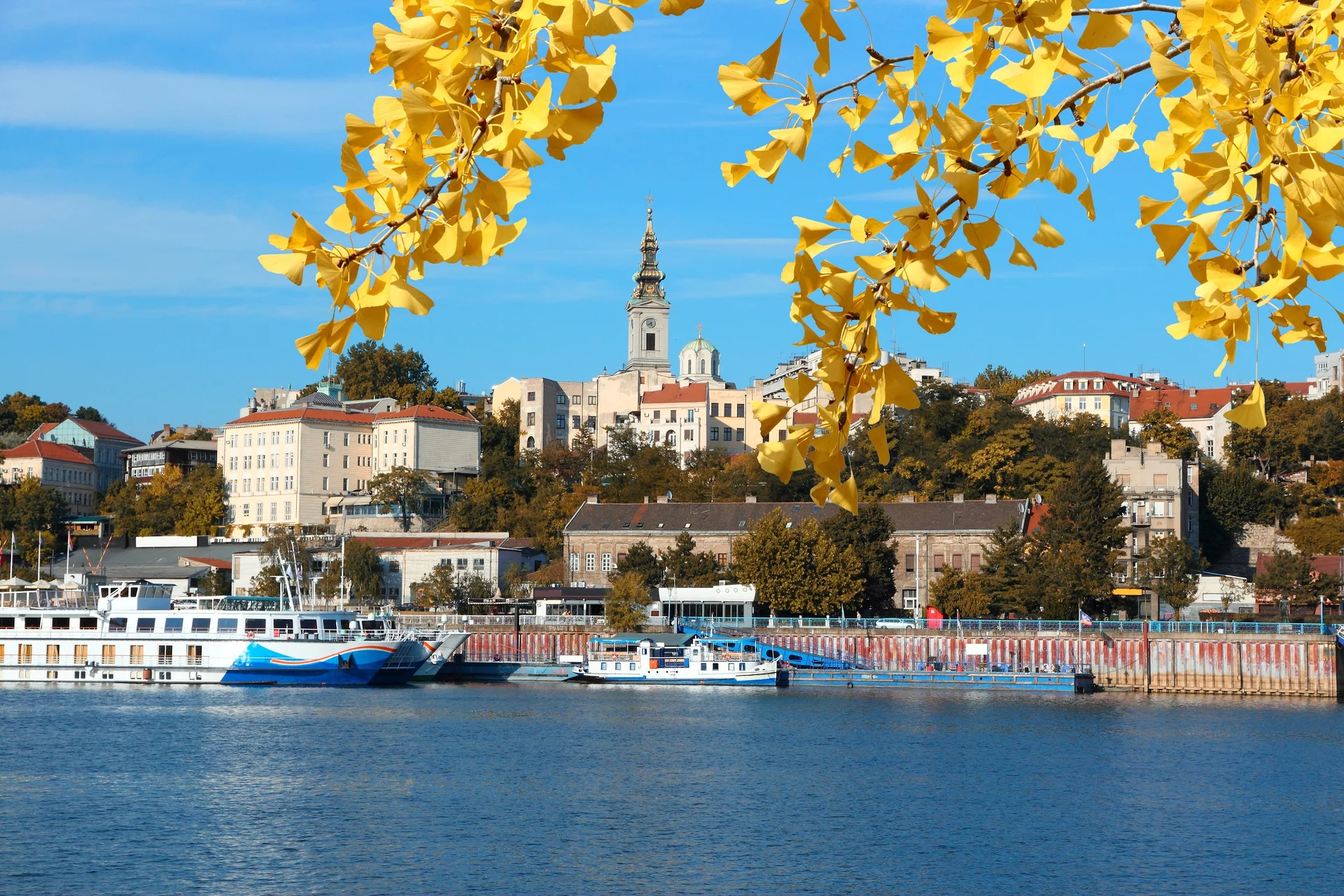
I went there for a wedding with no particular expectations, and I really liked this city, which I did not expect to be so lively. Belgrade offers some lovely walks, especially around the fortress and Kalemegdan Park, or even Tašmajdan Park. The National Museum, which traces the history of the country, is interesting to visit. It is still an uncrowded destination, so you can enjoy all the sites in peace.
As of this year, all public transport is free (with the exception of the airport shuttle), which makes getting around much easier. One thing to note, the locals speak relatively little English, outside of the main squares in the city center. A language guide can therefore be handy.