Visiting Windermere, the soul of the Lake District
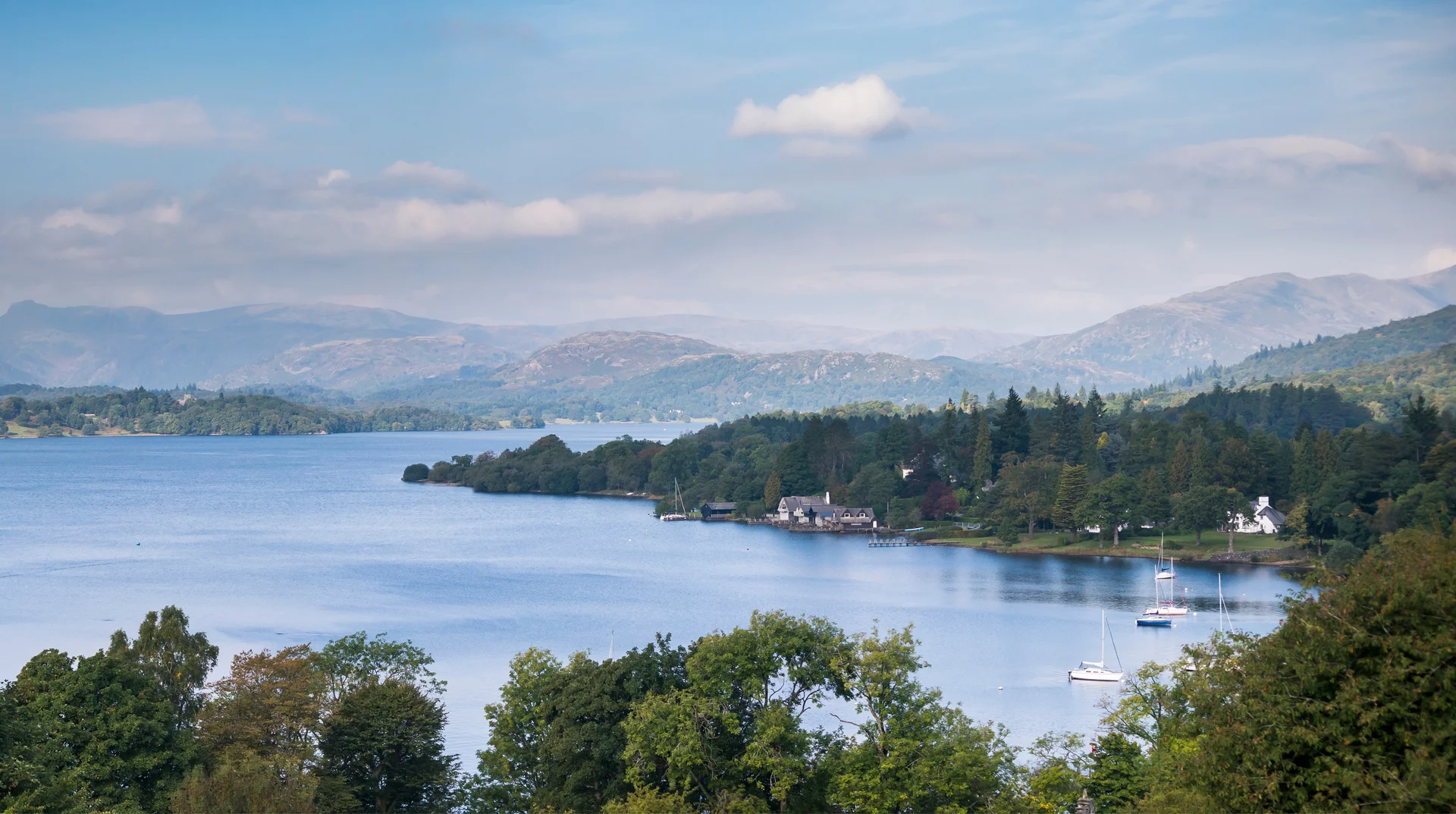
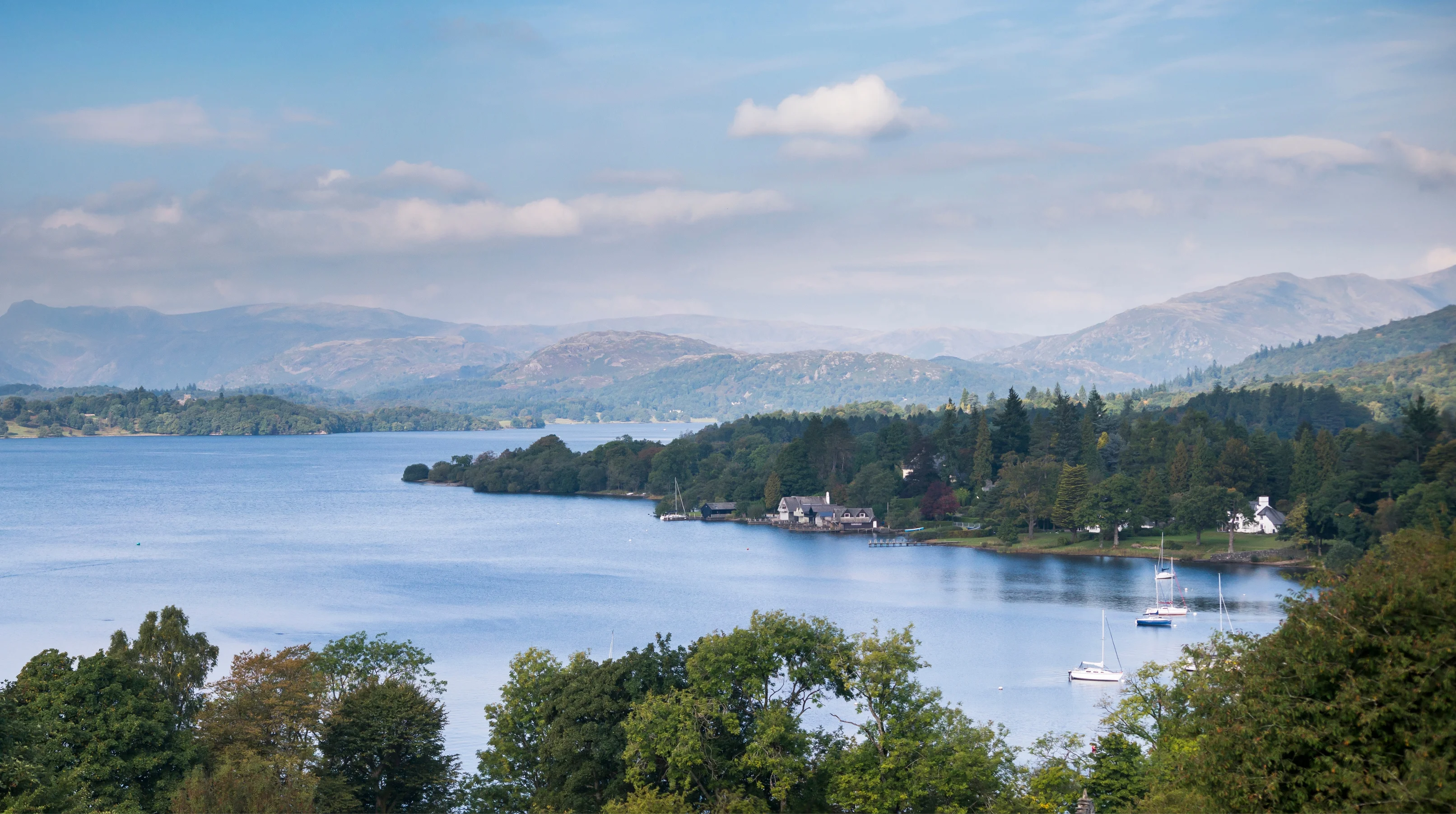
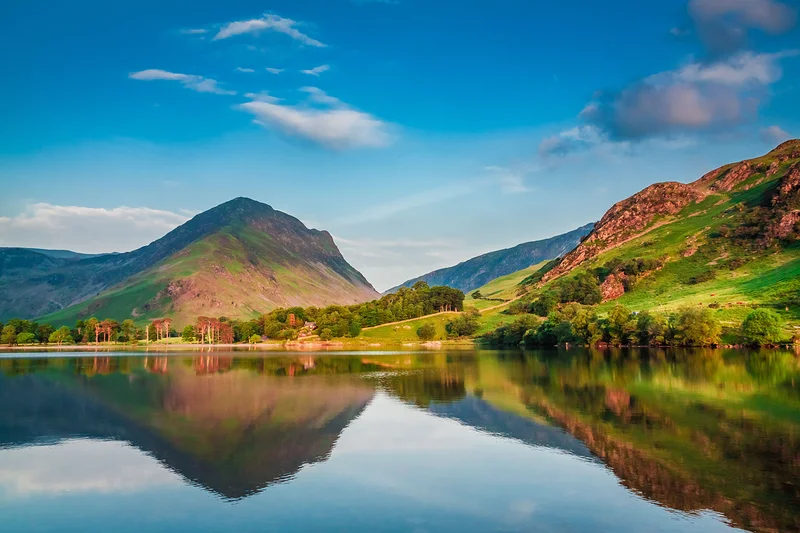
As you arrive, the crisp, bracing air hits you, carrying the scent of damp grass and pine. Your gaze drifts across the expanse of the lake, a shifting mirror for the mist-covered mountains that frame it. Windermere, located in the heart of the English Lake District, is more than just a town. It is a gateway to a natural symphony, a living landscape where wild beauty and lakeside stillness invite both contemplation and adventure.
Is Windermere for you?
If your heart beats for wide-open landscapes, waterside strolls, invigorating hikes, and the cozy atmosphere of English villages, Windermere is your ideal destination. It is the perfect spot for nature lovers, families looking for outdoor activities, hikers of all levels, and those who appreciate quaint charm. Think of it as the British equivalent to the quiet, rugged appeal of the Adirondacks.
On the other hand, if you are looking for intense nightlife, massive shopping malls, or tropical heat, Windermere might disappoint you.
The weather can be temperamental, and the summer crowds are very real. Prepare to do a lot of walking, and having a car will be useful if you want to explore the more remote corners of the region.
Lake Windermere: the liquid jewel of the district
Lake Windermere, the largest natural lake in England, is the heartbeat of the region. Its waters host a multitude of activities, from peaceful cruises to more active watersports. Charming towns like Bowness-on-Windermere and Lakeside line its shores, serving as jump-off points to explore the lake from every angle.
Lake cruises: a unique perspective
Taking a cruise on the lake is essential. The steamers operated by Windermere Lake Cruises connect the main points of interest, offering views of the surrounding hills and the elegant mansions that dot the shoreline. It is a relaxing way to appreciate the sheer scale of the landscape.
A local tip: For a more intimate experience, rent a small rowboat or kayak in Bowness-on-Windermere and paddle toward the lake's quieter islands. You can dock on some of them for an impromptu picnic, well away from the bustle of the main piers.
Hikes and spectacular panoramas
The hills and mountains surrounding Windermere offer a network of trails for every skill level. From gentle walks along the shoreline to more demanding ascents toward peaks like Orrest Head, the panoramic views are the constant reward. The Lake District is a walker's paradise.
Orrest Head: the first view of Wainwright
The short but rewarding climb up Orrest Head, just outside Windermere, was the first glimpse of the Lake District for the famous guidebook author Alfred Wainwright. The panorama over Lake Windermere and the distant peaks is superb, and the hike is accessible to almost everyone.
A local tip: Before heading out on a hike, even for a short stroll, always check the weather report. Conditions can change very quickly in the Lake District. Pack layers and wear sturdy, waterproof footwear.
Beatrix Potter and the enchanted world of Peter Rabbit
The Lake District was the primary inspiration for the writer and illustrator Beatrix Potter. A few miles from Windermere, the charming village of Near Sawrey is home to Hill Top, the house where she lived and created her famous characters, such as Peter Rabbit. The visit is a true journey into her world.
The World of Beatrix Potter Attraction
In Bowness-on-Windermere, the World of Beatrix Potter Attraction is an interactive exhibit that brings the characters from the tales to life. It is a fun, charming activity, particularly popular with families with young children. The themed gardens are also quite pleasant.
Picturesque villages and local flavors
The areas surrounding Windermere are packed with picturesque villages, each with its own character. Grasmere, known for its famous gingerbread shop, Hawkshead with its narrow alleys, or Ambleside, a hub for hikers, are all discoveries that enrich a stay.
Our suggestions:
- Try the Grasmere Gingerbread, an absolute must-try with a secret recipe.
- Visit the Brockhole, Lake District Visitor Centre for information, activities, and pleasant gardens.
Where to eat and drink in Windermere?
The culinary scene in Windermere and Bowness-on-Windermere is quite lively, ranging from traditional pubs serving hearty plates to more refined restaurants. Expect to find quality meats, local dairy, and, of course, the famous sticky toffee pudding.
The restaurant Hooked is known for its fresh seafood, while Francine's offers modern British cuisine in a friendly setting. Pubs like the Angel Inn in Bowness are perfect for a comforting meal and a local ale after a long day of hiking. Do not miss a taste of Westmorland pepper cake, a local specialty.
Where to stay in and around Windermere?
Windermere and Bowness-on-Windermere offer a multitude of lodging options, from charming B&Bs and guesthouses to luxury hotels with lake views. You will also find numerous cottages and vacation rentals, which are ideal for families or longer stays.
For a quieter immersion, consider staying in one of the neighboring villages like Ambleside or Grasmere, which offer a more serene atmosphere while remaining well-connected to the main attractions. Farmhouses converted into guest rooms are also a charming option.
How to get to and around Windermere?
Windermere is easily accessible. The town has a train station, which is the terminus of the line from Oxenholme Lake District, itself connected to the main West Coast Main Line (London-Glasgow). By car, the M6 is the primary highway. Once you arrive, an excellent bus network (such as the Mountain Goat buses) connects the villages and tourist sites. Boats on the lake are also a very pleasant way to get around. Walking and cycling are obviously the preferred methods for short distances.
When to go?
Spring (May-June) and early autumn (September-October) are the ideal times to visit Windermere. The colors are magnificent, nature is vibrant, and the weather is generally mild and sunny, perfect for hiking and water activities. Summer (July-August) is the high tourist season, with significant crowds and higher prices. Winter (November-March) is quieter, with dramatic landscapes and the possibility of snow, though many trails can be slippery or closed.