
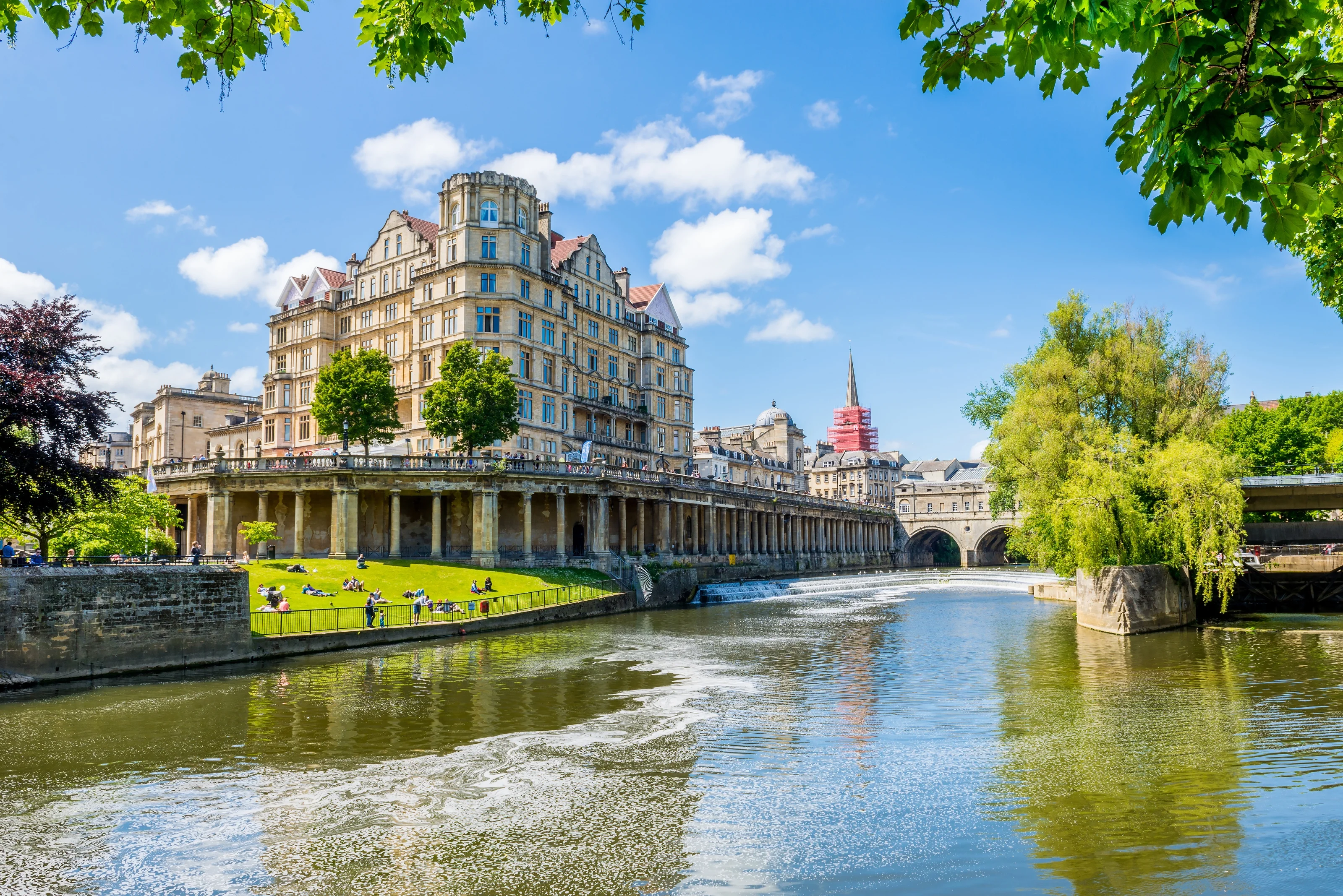
Bath, where the Romans came to soak
It is 8 a.m. and the first wisps of steam are rising from the thermal springs. In this city in the southwest of England, water has been bubbling underground for thousands of years. One million liters of hot water rise to the surface every day at 115°F (46°C).
The Celts once venerated these springs, dedicating them to the goddess Sulis. The pragmatic Romans built a grandiose thermal complex around them around 70 AD. The city carries the most obvious name possible for an English spa town.
Bath: a near certainty to win you over
If you are looking for a walkable escape from London with elegant architecture and a genuine sense of history, Bath checks every box. The entire city is a UNESCO World Heritage site, a rare distinction for a British city. You can explore it easily on foot, passing honey-colored Georgian facades at every turn, where the atmosphere balances a slow pace of life with quiet refinement.
This destination appeals to history buffs, fans of Jane Austen who lived here for five years, and followers of the series Bridgerton, which filmed several scenes in the city streets. Couples looking for romance and families will also find plenty to enjoy. However, if you are looking for high-octane nightlife or beaches, look elsewhere. Bath is a place for contemplation, not a party destination.
A comfortable but reasonable budget
Expect to spend between £100 and £150 per day ($125-$190) for two people, covering decent lodging, meals, and one main activity. Admission to the Roman Baths costs about £20 ($25) on weekdays, and a two-hour session at the modern Thermae Bath Spa runs between £42 and £48 ($53-$60). Pubs offer solid meals for £15-20 ($19-$25) per person.
The historic core: between Roman ruins and Georgian elegance
The city center clusters around Bath Abbey and the Roman Baths. These ancient baths are the best-preserved Roman remains in the United Kingdom. The visit includes an audio guide and allows you to discover the various pools, the temple dedicated to Sulis Minerva, and many artifacts unearthed during excavations. Plan for at least two hours on-site.
Just next door, the Pump Room served as a meeting place for Georgian high society. People once drank the thermal water here, believing it could cure all ailments. You can still taste this mineral-heavy water with its distinct metallic flavor. The tea room also offers afternoon tea in a lavish setting with live music.
Pro tip: arrive at the Roman Baths as soon as they open at 9 a.m. to avoid the crowds. In the summer, evening sessions allow you to visit the site lit by torches, which provides an incomparable atmosphere.
The Georgian arc: from the Circus to the Royal Crescent
Head north to discover the architectural masterpieces of the 18th century. The Circus is a perfect circle of townhouses inspired by the Colosseum in Rome. John Wood the Elder designed this stunning complex, which his son completed. The three concentric arcades create a striking theatrical effect.
A few steps away, the Royal Crescent displays its majestic curve of thirty Georgian houses facing a vast lawn. The facade made of Bath stone, the local limestone with golden hues, takes on different reflections depending on the light. No. 1 Royal Crescent is open to the public and reconstructs the daily life of a wealthy family from that era. The adjacent Victoria Park offers a pleasant green space for a break.
The banks of the Avon and the artisan quarter
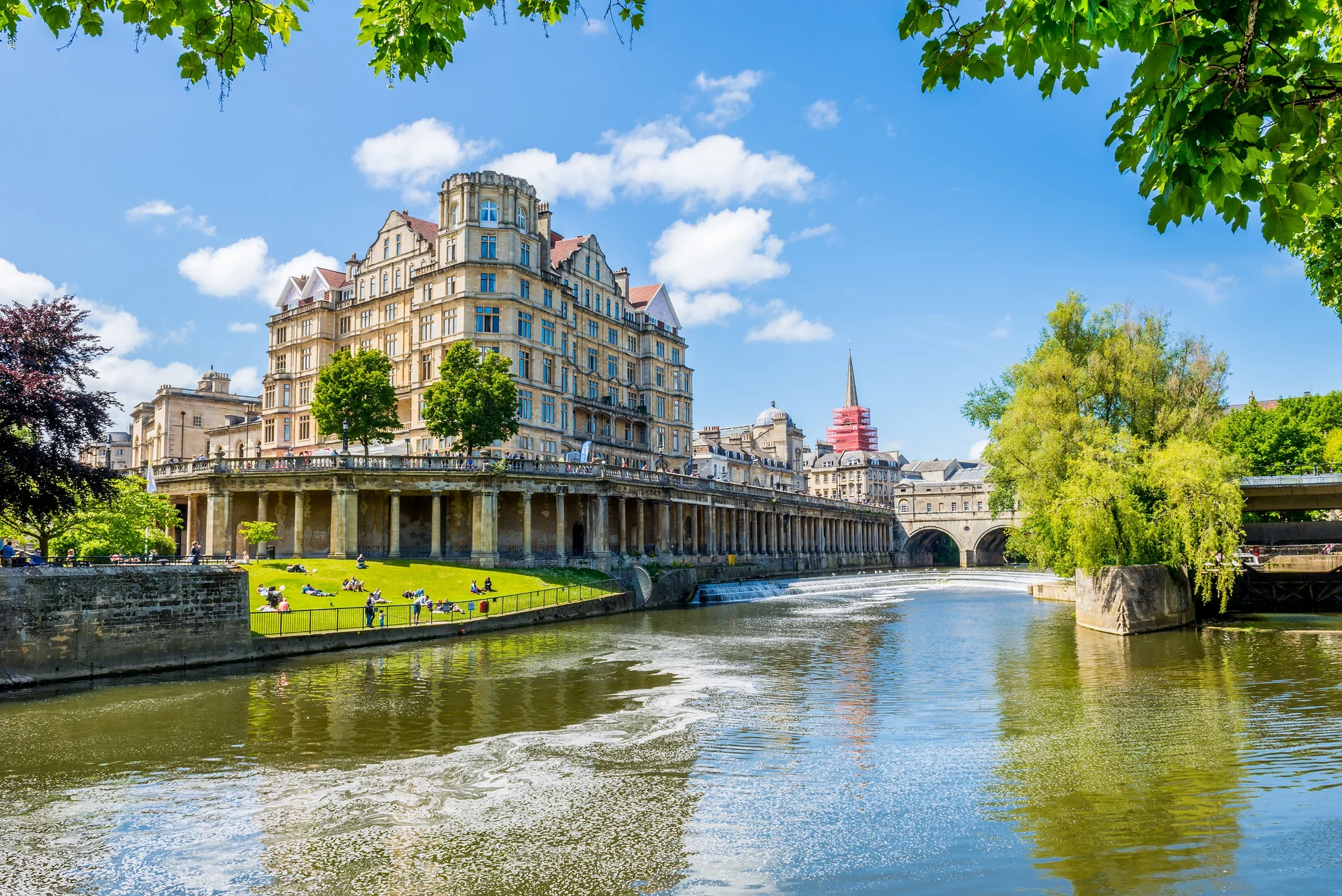
Pulteney Bridge has spanned the River Avon since 1774. Its architecture draws inspiration from the Ponte Vecchio in Florence, and shops still occupy both of its sides. Many visitors do not even realize they are walking across a bridge because the storefronts capture so much attention. Head down to the water's edge to admire the horseshoe-shaped weir and grab the postcard-perfect shot of Bath.
The Walcot Street area, known as the artisan quarter, brings together antique dealers, independent boutiques, and trendy cafes. On Saturday mornings, the flea and antique market at Green Park Station draws treasure hunters under the vaults of the former Victorian train station. Look for the grotesque faces carved into the stone along The Paragon, a series of mythological figures and local characters.
Pro tip: the Beazer Garden Maze hides just below Pulteney Bridge. This Italian mosaic labyrinth tells the history of Bath through 92,000 pieces of marble. Few visitors stop to see it.
Taking the waters in the 21st century
You can tour the Roman Baths, but you cannot swim in them. To enjoy the hot springs, head to Thermae Bath Spa, the only natural thermal spa in the United Kingdom. the rooftop pool offers a panoramic view over the rooftops of Bath, steam included. The basic two-hour session includes access to the Minerva pool, aromatic steam rooms, and that famous open-air rooftop pool.
The water gushes out at 113°F (45°C) and is cooled to an ideal temperature of 91°F to 95°F (33°C to 35°C). In cold or rainy weather, the contrast between the crisp air and the hot water creates an almost surreal atmosphere. Book in advance for the weekend. The Cross Bath, which is more intimate, offers separate sessions in a historic pool on a sacred Celtic site.
Where to eat and drink in Bath?
The local culinary scene has evolved significantly in recent years. The Olive Tree, the only Michelin-starred restaurant in the city, offers refined contemporary British cuisine. For a unique experience, Menu Gordon Jones serves a surprise menu where the chef decides everything. Reservations are required several weeks in advance.
For the classics, do not miss the Sally Lunn Bun at Sally Lunn's, one of the oldest houses in Bath, dating back to 1482. This local brioche-style bread can be enjoyed sweet or savory. The Scallop Shell treats seafood lovers to ultra-fresh catches. Vegetarians should head to OAK, a plant-based restaurant housed in one of the city's oldest buildings. Green Park Brasserie, located in the old train station, hosts free jazz concerts four nights a week.
Where to stay in Bath and the surrounding area?
The city center holds most of the lodging options, ranging from charming guesthouses to luxury establishments. The neighborhood around Great Pulteney Street offers a good compromise between quiet and proximity to attractions. Those on a tighter budget should look toward the B&Bs on Wells Road or Oldfield Park, which are slightly further out but well connected.
For a memorable experience, the Royal Crescent Hotel occupies two houses of the famous crescent. The Pig near Bath, just a few miles away, combines countryside charm with a farm-to-table restaurant featuring an on-site kitchen garden. Longer stays allow you to explore the nearby Cotswolds from this comfortable base.
How to get to and around Bath?
From London Paddington, the Great Western Railway train reaches Bath Spa in about 1 hour and 30 minutes. Tickets purchased in advance start around £20 ($25). The station is a ten-minute walk from the center. By car from the capital, allow 2 hours and 30 minutes via the M4 and then the A46. Parking in the city center is paid and limited. The three Park & Ride lots on the outskirts offer an economical alternative.
Bristol Airport is 19 miles (30 km) away. The Air Decker shuttle connects the airport to Bath in 45 minutes for about £14 ($18). From Paris, taking the Eurostar to London followed by the train to Bath is the most practical option, with a total travel time of about 4 hours and 30 minutes. Once there, everything is walkable. Bath is a hilly city, so pack comfortable shoes.
When to go?
Spring and autumn offer the best balance between pleasant weather and manageable crowds. May, June, and September are particularly recommended. Summer draws crowds and prices climb. The Bath Christmas Market transforms the city in December with more than 200 chalets around the abbey, creating a magical atmosphere despite the bustle. The Jane Austen Festival brings the city to life every September with parades in period costumes and literary events.
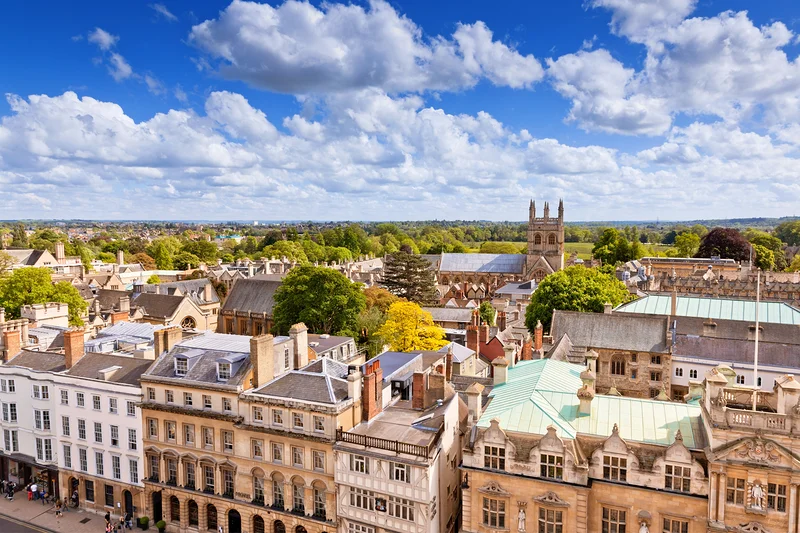
I spent a very pleasant weekend in Bath after taking the train from London. The city is famous for its abbey and Roman baths, both of which are very well preserved. But I also really enjoyed walking around the city center. You can find plenty of cute shops, markets, like the amazing Bath Guildhall Market, and delicious tea rooms. As a big Jane Austen fan, I could not miss visiting The Jane Austen Centre, which offers a good immersion into the author's work with costumes, objects, and paintings. However, I was a little disappointed by the content, which is quite sparse. I recommend going, with prior reservation, during the Jane Austen Festival held in mid-September. English Regency atmosphere guaranteed!