
Visiting Cluj-Napoca
Cluj-Napoca is the third-largest city in Romania. Located in the northwest, it serves as the capital of Transylvania, a region often associated with myths and legends. The city's heritage is a blend of Celtic, Slavic, Carpi, and Alan influences. In the 1970s, the communist dictator Ceausescu added the name "Napoca" to highlight the city's Roman roots. Furthermore, the area was long part of the Austro-Hungarian Empire. Today, the city reflects a mix of Romanian and Hungarian cultures. It is an energetic place, packed with cultural institutions and a large student population.
The capital of Transylvania
Cluj-Napoca sits in the valley of the Someșul Mic river and borders the Romanian Western Carpathians. From the city, you can see the Apuseni Mountains in the distance, known for their wildlife, including brown bears and wolves. The city is filled with religious buildings of various denominations, a result of Transylvania's 1568 Edict of Toleration, which allowed the Hungarian community to practice Protestantism.
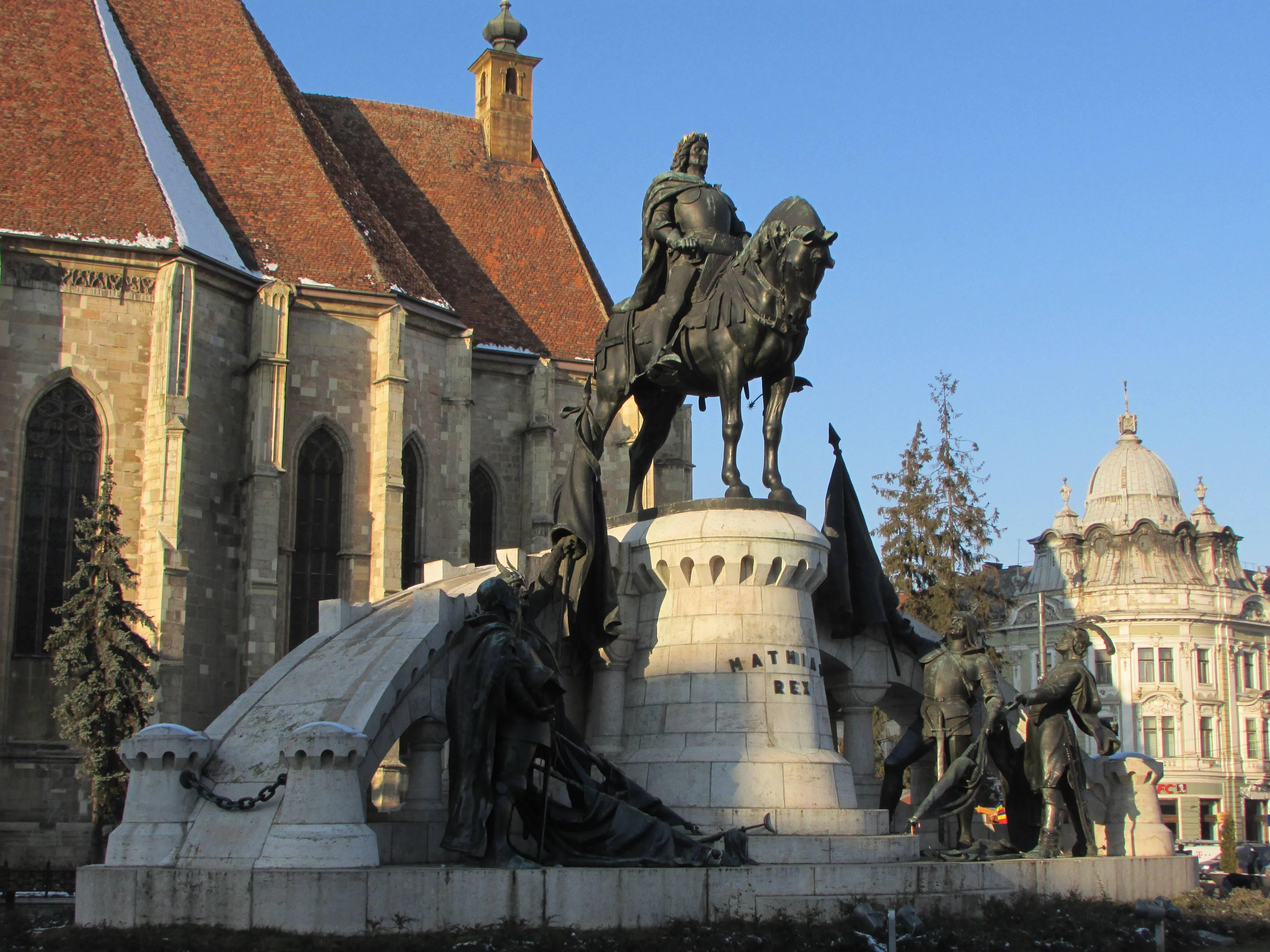
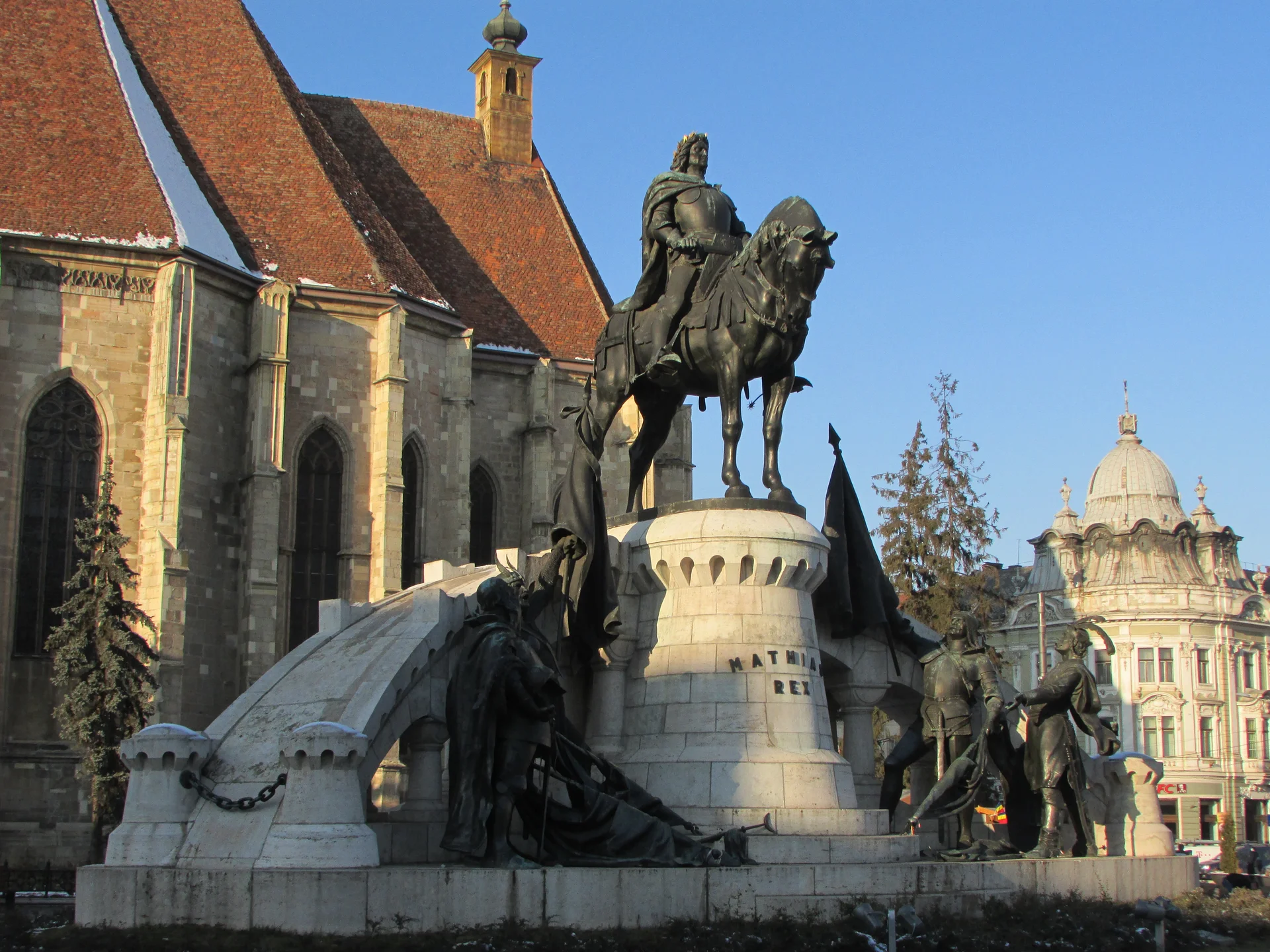
Start your walk at the city's main square, Piata Unirii (Union Square), home to two major landmarks. First, there is Saint Michael's Church, one of the best-preserved neo-Gothic churches in the country, with its current structure dating to the 19th century. Nearby, look for the columned facade of the Bánffy Palace. Once the residence of Austro-Hungarian governors, it now houses the National Museum of Art. The square also features an impressive 1902 equestrian statue of Matei Corvin, a former ruler of Transylvania.
A historic city to see in Romania
The old town of Cluj-Napoca is full of period architecture, such as the Matthias Corvin House. As one of the city's oldest Gothic-style civil buildings, it currently serves as the University of Art and Design. While wandering the winding alleys, you will find the National Museum of Transylvanian History. Additionally, two sections of the old city walls remain standing: the Tailors' Bastion and the Firemen's Tower. To see the city from above, head to the top of Citadel Hill, where an Austro-Hungarian fortress once kept watch over the town.
Cluj-Napoca also offers plenty of green space. A must-see is the Romulus Vuia Ethnographic Park, an open-air museum that showcases Romanian folklore through scenes of local peasant life from the 17th to the 20th century. The Alexandru Borza Botanical Garden, established in 1872, contains over 11,000 varieties of plants and flowers.
When to go
The best time to visit Transylvania is in August or September, when you can avoid the rain and enjoy more pleasant temperatures.
How to get there
Cluj-Napoca sits at the intersection of major European routes like the E60 and E81, as well as Highway 13, which crosses Transylvania. You can book flights directly to Cluj-Napoca International Airport. Another option is to travel by train or bus from other major Romanian cities or from the neighboring Hungarian capital, Budapest.
Cluj is the most educated city in Romania (and you find a lot of French medical students here). Not much to see besides a church, a theater, and a square, but the atmosphere is really nice, Central Park is pleasant, and the restaurants are good! Plus, a beautiful panorama from a hill on the other side of the river near the Hotel Belvedere! So, nice atmosphere, but no need to hang around too long either.