Visiting Râmnicu Vâlcea
Râmnicu Vâlcea is a city of more than 80,000 residents tucked into the Olt River valley in south-central Romania. It holds a distinct place in Romanian history as the spot where General Magheru gathered the revolutionary army of 1848 right on the edge of the historic Wallachia region. The Romanian national anthem was reportedly sung for the first time in what is now Zavoi Park in Râmnicu Vâlcea, an event commemorated by an independence statue sculpted by Ion Iordanescu. Under the communist regime, the city industrialized heavily and saw a significant jump in population.
A Stopover on the Road Through the Balkans
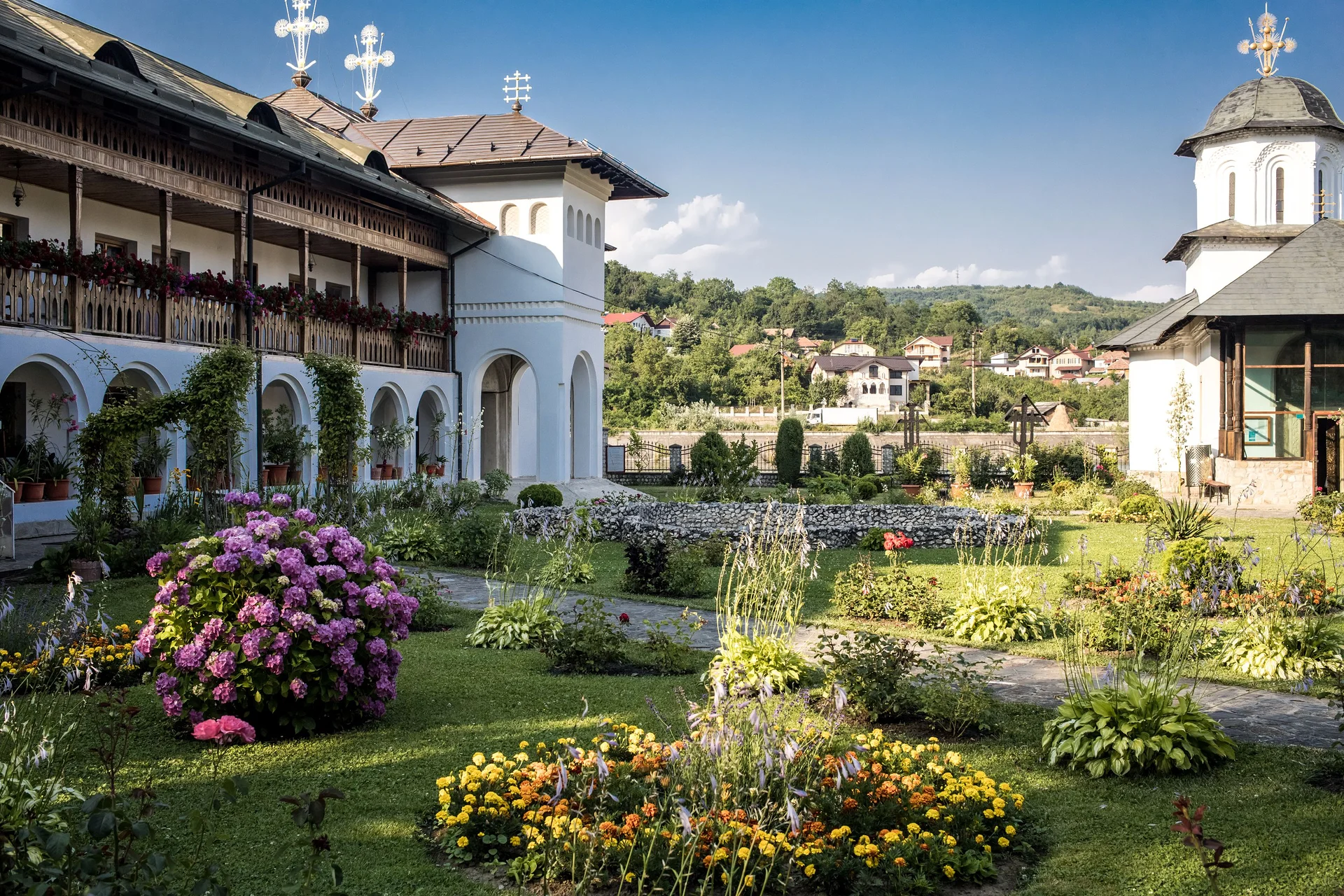
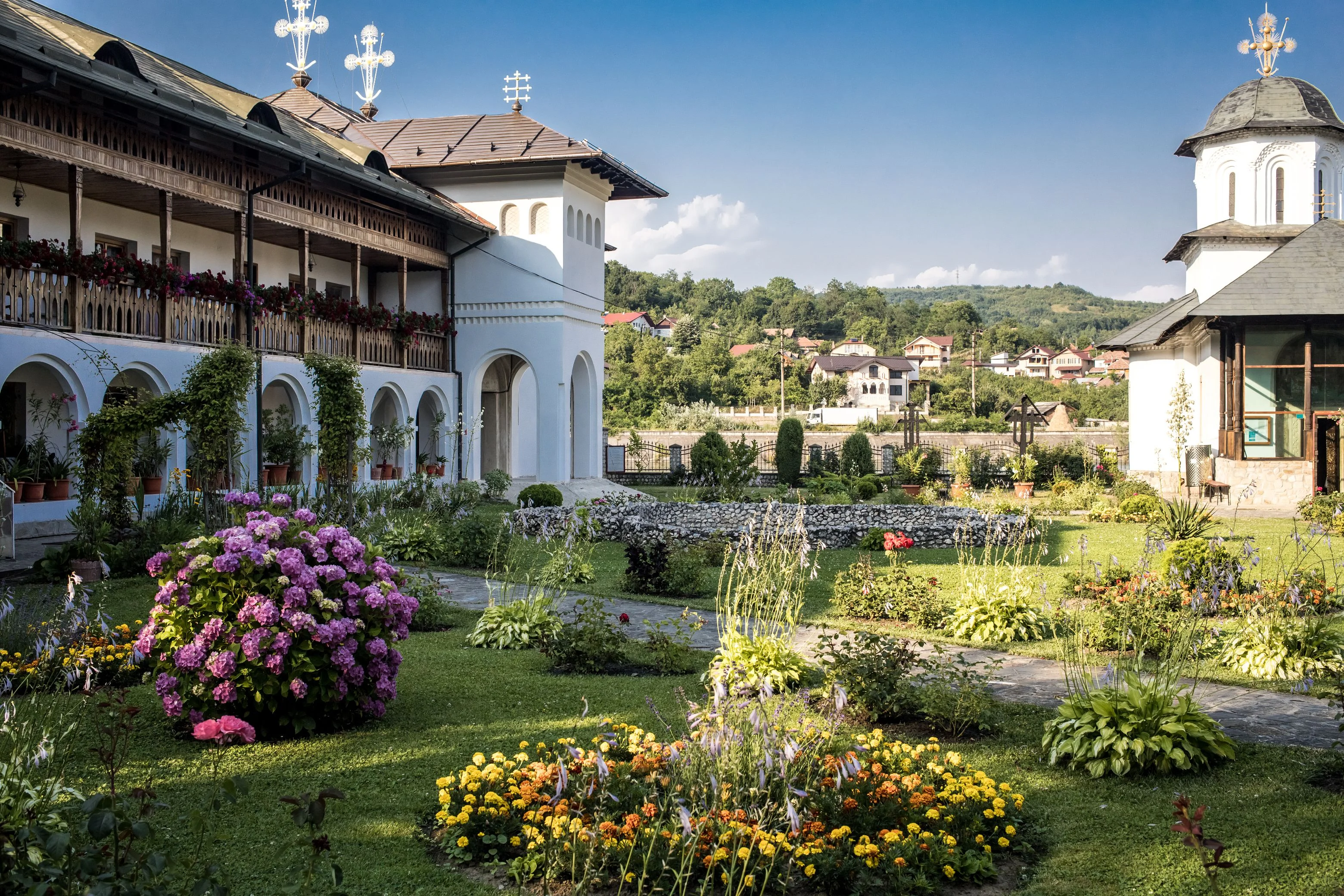
Râmnicu Vâlcea is well-positioned for exploring different parts of Romania, though few travelers give it more than a quick glance. Because the surrounding valley is known for thermal spa retreats and historic monasteries, most visitors treat Râmnicu Vâlcea purely as a transit stop. Still, it has a few rewarding sights. On the religious architecture front, you will find the 16th-century Cuvioasa Parascheva Orthodox church, a designated historical monument. Another pleasant spot for a stroll is the grounds of the former Râmnic Monastery, which houses historical artifacts, a collection of religious art, and expansive, well-kept gardens.
Râmnicu Vâlcea features plenty of green space, notably Zavoi Park and Mircea the Elder Park, alongside a local zoo and the Vâlcea Village Museum, an open-air museum that reconstructs an authentic 19th-century Romanian village complete with its own school and a church dating back to 1785. It is a solid introduction to Romanian nature and heritage.
The Museums of Râmnicu Vâlcea
The cultural scene includes a handful of worthwhile museums. The Casa Simian Art Museum occupies an Italian-style villa with a summer garden, displaying works by prominent Romanian artists like Grigorescu, Ressu, and Pallady. Right across the street stands the Antim Ivireanul Library, built in the early 2000s and featuring a striking stained-glass dome that you can tour by request. Finally, make time for the city's History Museum, housed in a 19th-century building known as the Clock School, which holds collections of historical weapons, stamps, and prints.
Râmnicu Vâlcea serves as the county seat of Vâlcea County in Oltenia, a scenic mountainous region in Romania. Nearby regional highlights include the massive salt mines at Ocnele Mari and the thermal spa resorts of Călimănești and Căciulata.
When to Go
The best time to plan a trip to Romania is during the warmer months between May and September.
How to Get There
Râmnicu Vâlcea does not have its own airport, but it sits directly along the E81 European route and National Road 7, which connects Bucharest to Sibiu. If you take the train, expect to make a few transfers, even when coming straight from Bucharest.