Rovaniemi, where Santa Claus lives (and the rest of the year too)
Every year, millions of letters from children pour into this city of 64,000 residents sitting right on the Arctic Circle.
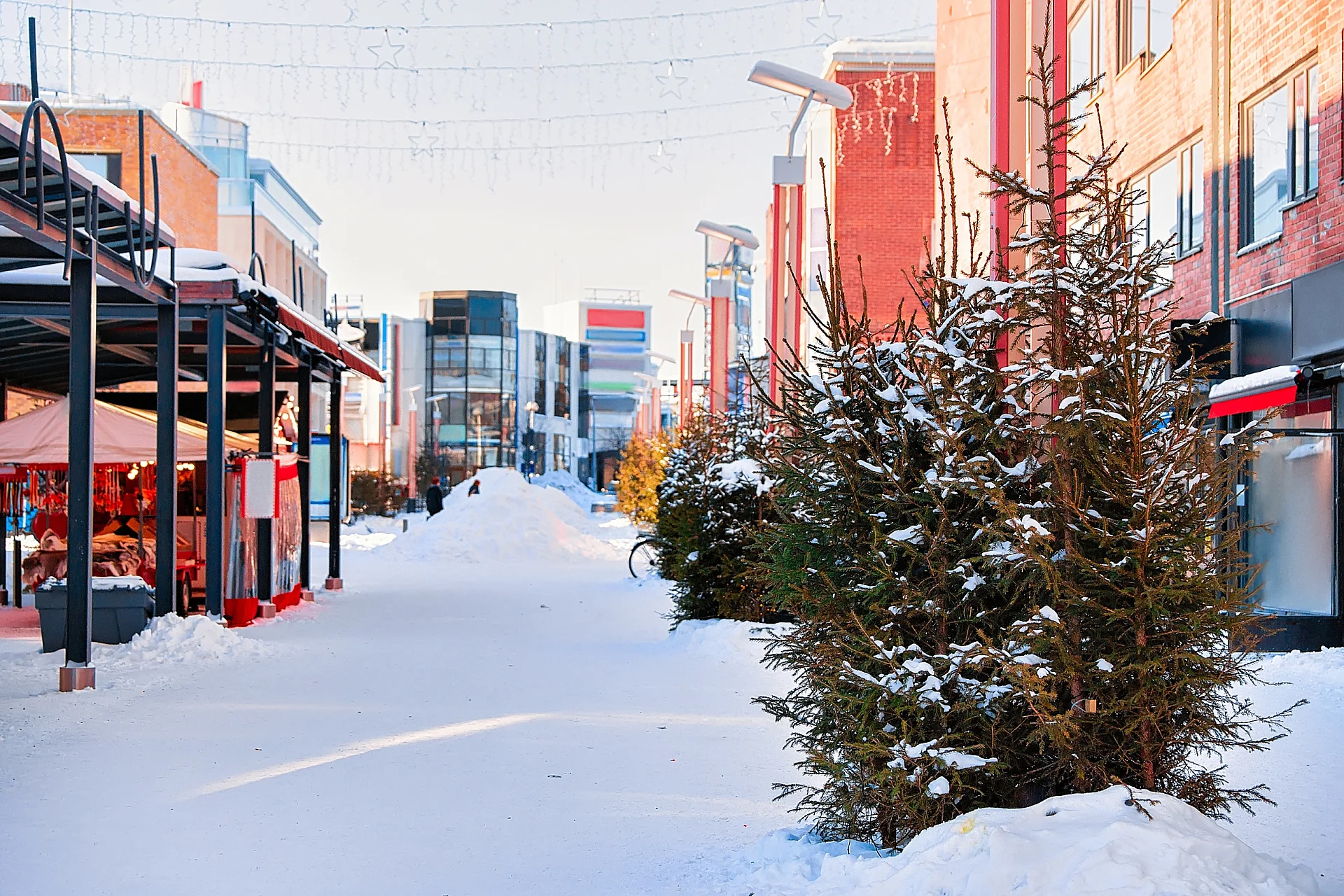
Beyond the Santa Village and the photogenic reindeer, Rovaniemi is a genuine Finnish city, rebuilt from scratch after World War II according to plans by Alvar Aalto, living to the rhythm of the Northern Lights, midnight sun, and magnificent Lapland nature.
Is this destination for you?
Rovaniemi is designed primarily for travelers seeking a polar experience without heading to the ends of the earth. The winter magic is real with guaranteed snow, possible Northern Lights, and high-quality outdoor activities. If you are traveling with kids, the destination is tailored for them between November and January.
On the other hand, if you avoid heavy tourist crowds, Santa's village draws massive crowds in December. If you visit in summer, the city loses much of its winter charm, even though the midnight sun has its own appeal.
Best suited for:
- Families with children looking for holiday magic
- Fans of winter activities like dog sledding, snowmobiling, and cross-country skiing
- Northern Lights hunters from November to March
- Travelers curious about Sami culture and Lapland nature
- Fans of the midnight sun and summer hiking
Less suited for:
- Travelers on a tight budget since Finnish Lapland is expensive
- Those looking to escape crowds, especially in December
- Nightlife seekers and varied urban foodies
- Travelers expecting a quaint historic town since the architecture is functional
Budget: expect high prices
Finland is already an expensive country. Lapland is even more so, and Rovaniemi peaks in December. Lodging rates triple during the holidays. Plan your trip several months ahead if you aim for this period.
| Expense | Indicative range |
|---|---|
| Night in basic lodging (simple hotel or hostel) | $68 to $112* |
| Night in comfortable lodging (3 to 4 star hotel) | $135 to $280* |
| Quick bite (cafe or local fast food) | $12 to $17* |
| Restaurant meal | $28 to $56* |
| Winter activity (sledding, snowmobile, lights tour) | $90 to $230* |
| Total daily budget for a back-packer style trip excluding activities | $112 to $168* |
| Total daily budget for comfort including activities | $340 to $560* |
Indicative rates subject to change, particularly during the holiday season
Practical realities
Rovaniemi is well equipped for tourism. English is spoken everywhere in hotels, restaurants, and activity providers. The language barrier is virtually nonexistent. Finnish remains the daily language, but you will not find yourself stranded.
The winter climate is serious. Between November and February, temperatures regularly drop below -15 degrees Celsius and sometimes below -30 degrees Celsius. Pack proper thermal layers rather than just a warm coat. In summer, the midnight sun disrupts sleep, so an eye mask can save your trip.
Rovaniemi, the ideal base camp for exploring Lapland
Its location on the polar circle and strong air connections make Rovaniemi the natural starting point for exploring Finnish Lapland. You can branch out to national parks, isolated lodges, or Sami villages before returning to the city for the night. This base camp approach lets you combine urban comfort with wilderness immersion at your own pace.
Programs and combinations are endless regarding duration, activities, itineraries, and lodging types. To make the right choices without getting lost, working with a custom travel agency like Cercle des Voyages helps. Here is the link to their Lapland trip offers.
Winter: the defining season
Winter in Rovaniemi is defined by its light. During the kaamos, the polar night lasting several weeks in December, the sun does not rise at all. The sky shifts from navy blue to pale pink around noon before fading back into darkness. It feels strange, somewhat melancholic, and entirely captivating.
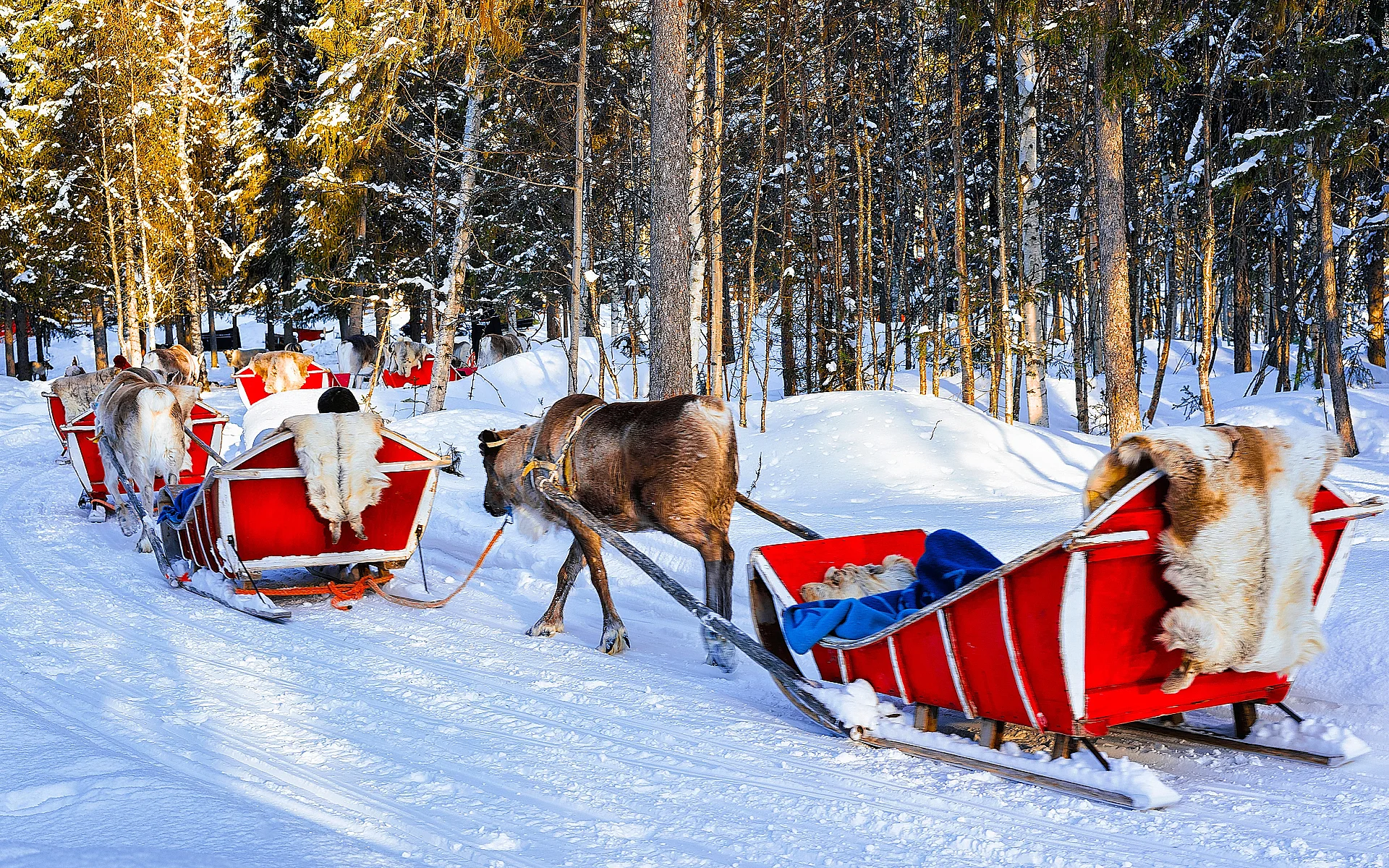
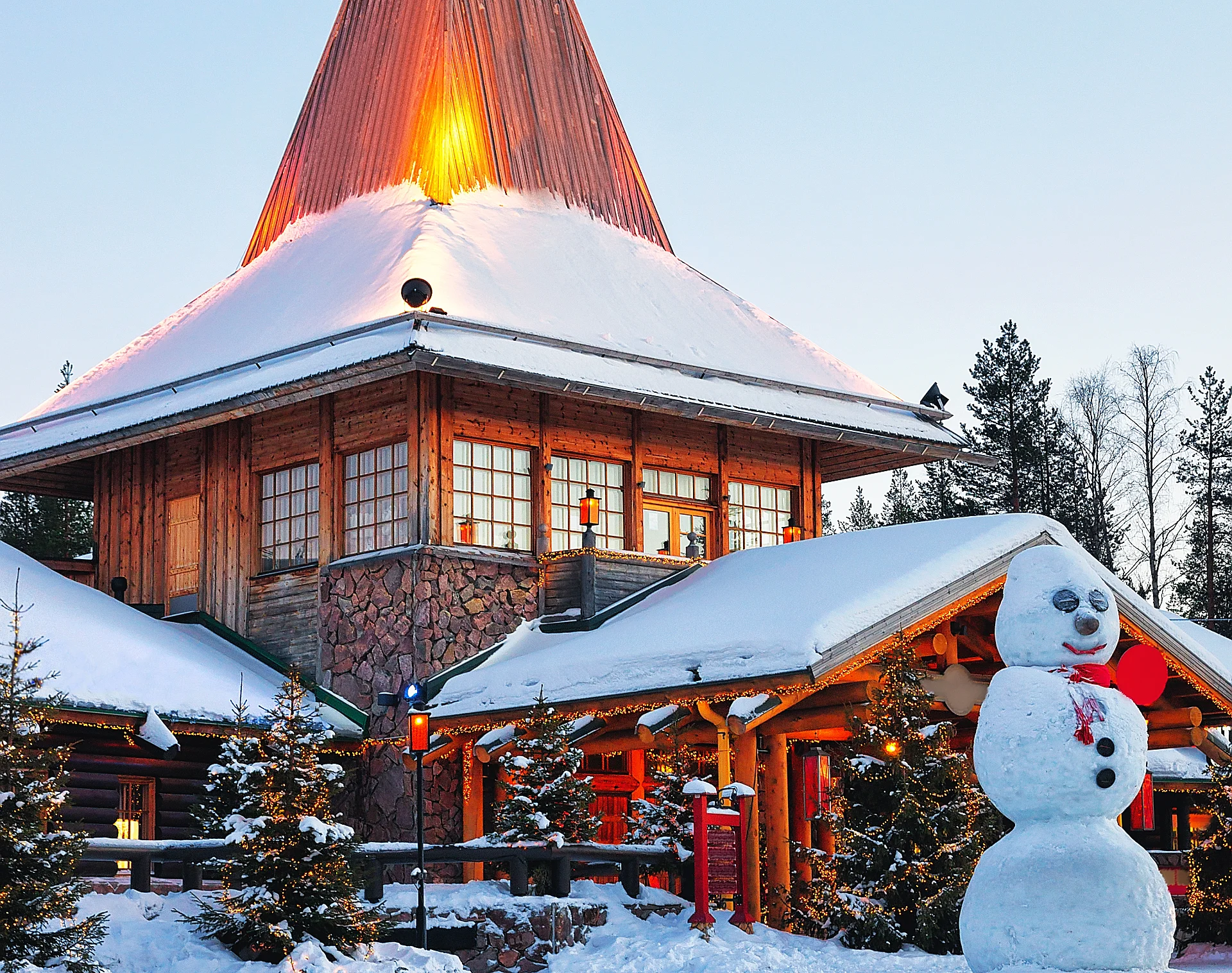
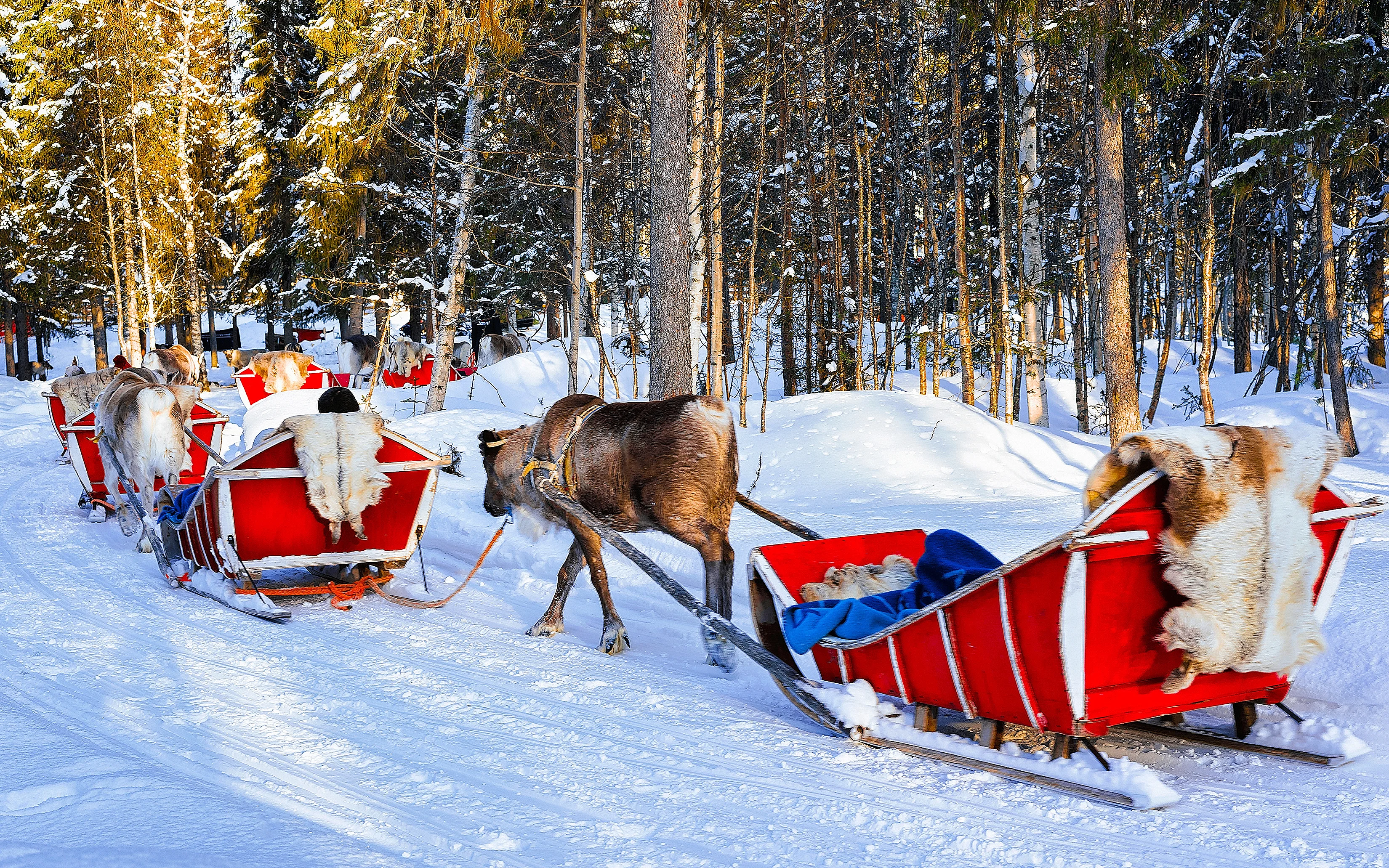
Activities are plentiful. Dog sledding safaris remain the marquee experience where driving your own team through snow-covered pine forests in near total silence is hard to beat. Snowmobiling provides a faster and less contemplative alternative. For families, the Santa Claus Village located right on the Arctic Circle a few miles from downtown offers meetings with Santa, reindeer rides, and kids activities.
Friendly tip: To spot the Northern Lights, get away from city lights. Local operators run nighttime snowshoe or snowmobile excursions to dark sky zones. If you have a car, simply drive 20 to 30 minutes north on Route 4 where the sky opens up, lights vanish, and your odds increase significantly.
The Arktikum Museum and Lapland culture
The Arktikum Museum stands out as a top reason to visit Rovaniemi even without children. This museum and science center dedicated to the Arctic and Lapland culture occupies a striking building with a long glass gallery pointing north. The exhibits covering the Sami people, Arctic ecosystems, and Finnish Lapland history are extensive and well documented.
Nearby, the Pilke Science Centre explores the relationship between humans and the boreal forest. It is interactive and appeals equally to children and curious adults.
Summer: snow-free Lapland
Summer in Lapland is a completely different world. The sun does not set between June and July, casting a golden midnight glow over the Ounasjoki river that feels surreal. Nature explodes after months of freezing temperatures.
Hiking in Pyhä-Luosto National Park, roughly 130 km from Rovaniemi, showcases the heath and forest landscapes typical of summer Lapland. Canoeing enthusiasts will enjoy the calm rivers winding through the region. Picking wild berries, particularly cloudberries, is a major local activity in August.
Where to eat and drink in Rovaniemi?
Lapland gastronomy is worth exploring. Reindeer is the signature regional meat, served smoked, dried, or pan-fried on almost every menu. Arctic char (nieriä in Finnish), an Arctic lake fish, is another specialty to try. For dessert, cloudberries served with cream or jam make a classic local treat.
Downtown hosts most of the restaurants. To eat local without breaking the bank, Finnish cafes (kahvila) often offer a hearty, reasonably priced daily lunch special (lounas).
Where to stay in Rovaniemi and surrounding areas?
Downtown is the most convenient option where everything is accessible on foot or by bus, including restaurants and shops. For a more immersive experience, lodges outside town offer glass igloos so you can watch the lights right from your bed. These accommodations are in high demand and often booked a year in advance for December and January.
Friendly tip: If glass igloos are sold out or too expensive, wooden cabins with private saunas around Rovaniemi provide a more authentic Finnish alternative that is often more budget-friendly. Enjoying a sauna at night after a day in the cold is an experience in itself.
How to get to Rovaniemi?
Rovaniemi Airport (IATA code: RVN) features direct flights from several European cities, particularly in winter. Finnair operates regular service from Helsinki, with connections from major European capitals. Direct charter flights from several European countries are common in December and January.
From Helsinki, the overnight train (VR) connects the two cities in about 9 hours, offering a comfortable and scenic option with sleeper cars available. Driving from Helsinki exceeds 800 km.
How to get around Rovaniemi?
The city center is compact and easily explored on foot. The Santa Claus Village sits about 8 km from the center, connected by regular local buses, and most hotels provide shuttle service. In winter, some visitors rent snowmobiles for transit, though a standard vehicle with winter tires works well enough for exploring the surroundings.
When to go?
The peak winter season runs from November to March, peaking in December for holiday magic. For Northern Lights viewing, January and February offer the best balance of darkness and weather conditions. Summer (June to August) attracts nature lovers and midnight sun chasers in a much quieter atmosphere. The period from mid-October to mid-November before stable snow arrives is generally the least compelling time to visit.