
Visiting Zadar, where history meets modern design
A wealth of historical heritage
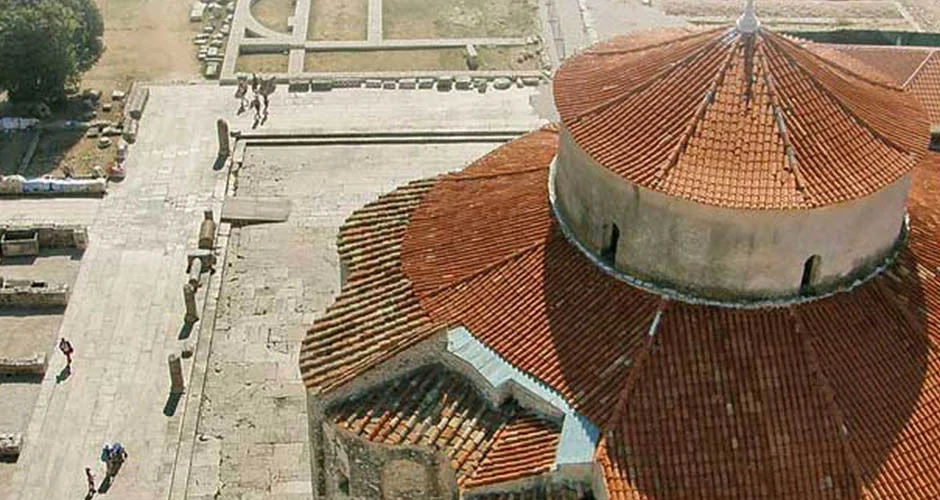
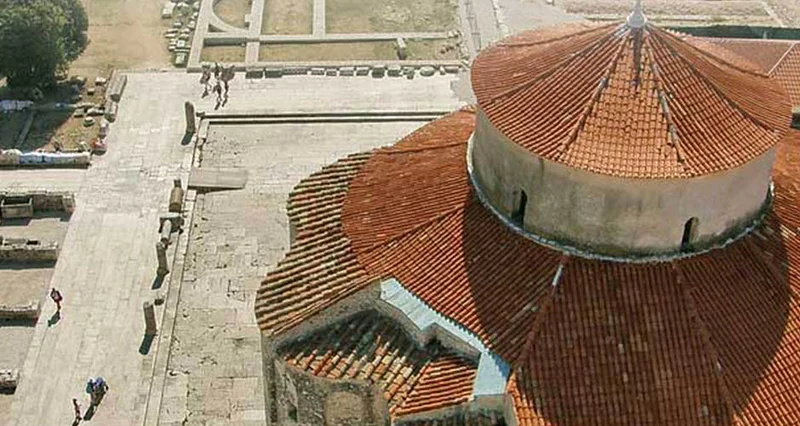
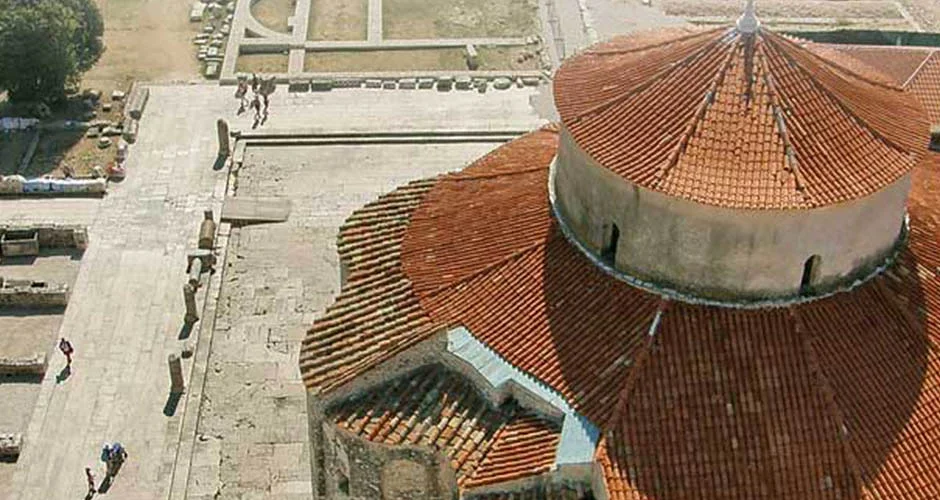
Zadar, located on the Dalmatian coast, blends its past and present with ease. Its historical center, enclosed by Venetian walls recognized as a UNESCO World Heritage site, functions like an open-air museum. You cannot miss the Church of Saint Donatus, a ninth-century pre-Romanesque masterpiece, or the Cathedral of Saint Anastasia, the largest cathedral in Dalmatia. Roman ruins and medieval remnants are scattered throughout the city, adding layers to the local atmosphere.
Modern installations
Zadar is known for its forward-thinking public art. The Sea Organ transforms the movement of the waves into music, creating an unusual soundscape along the waterfront. Right next to it, the Greeting to the Sun is a large-scale light installation that powers up at twilight. These two contemporary works serve as symbols of Zadar's renewal and draw crowds of curious travelers every year.
Beaches and surrounding nature
The beaches in and around Zadar offer plenty of room for swimming and water sports. Kolovare Beach, situated near the center, is perfect for a quick dip. If you venture further, the islands of the Zadar archipelago, such as Dugi Otok or Ugljan, are easily accessible by ferry and feature rugged coves and dramatic landscapes. Think of the water clarity you would find in the Florida Keys, but with a rocky, Mediterranean shoreline.
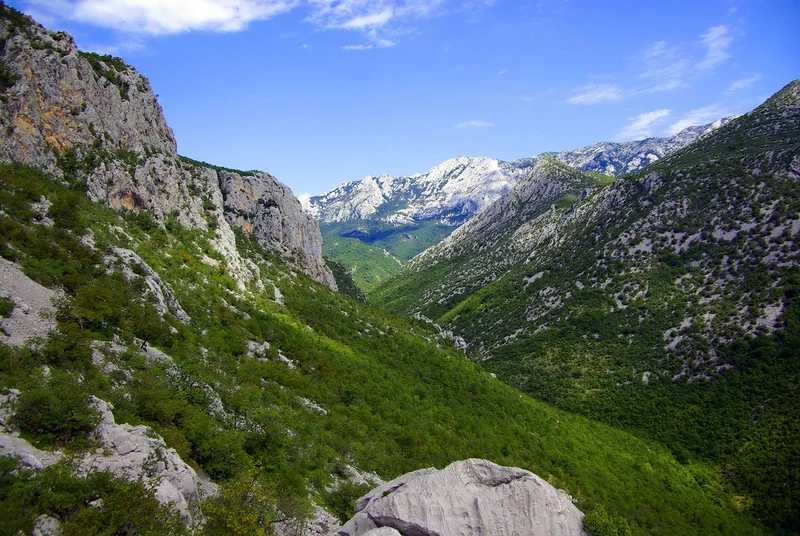
Nature enthusiasts will also appreciate the proximity of Paklenica National Park, which is a prime destination for hikers and rock climbers.
A dynamic cultural scene
Zadar maintains a varied cultural calendar. The Museum of Ancient Glass and the City Museum provide clear insights into the local history.
The city is also known for its music festivals, such as the Zadar Summer Theatre Festival, which brings life to the public squares and narrow alleys throughout the summer months. Classical concerts are also regularly held inside the historic churches.
When to go
Spring and autumn are the best times to visit Zadar, as temperatures remain comfortable and the crowds are thinner. Summer is the peak season for those looking to hit the beaches and attend festivals, though the city is much more packed. In winter, Zadar offers a quiet atmosphere and a mild climate, which is ideal if you prefer a peaceful getaway.
How to get there
You can reach Zadar by air via its international airport, which receives direct flights from various European cities.
If you are traveling by car, the city is well-connected by the A1 motorway that links Zagreb to the Dalmatian coast. Finally, regular ferry services connect Zadar to the surrounding islands and other ports along the Croatian coast.
I stayed in Zadar for a few days and I really loved the atmosphere. The city is pretty calm and peaceful. It is located right by the sea, which is super nice. The historic center is really pretty and well preserved. I also recommend you visit the museum, which is super interesting.