
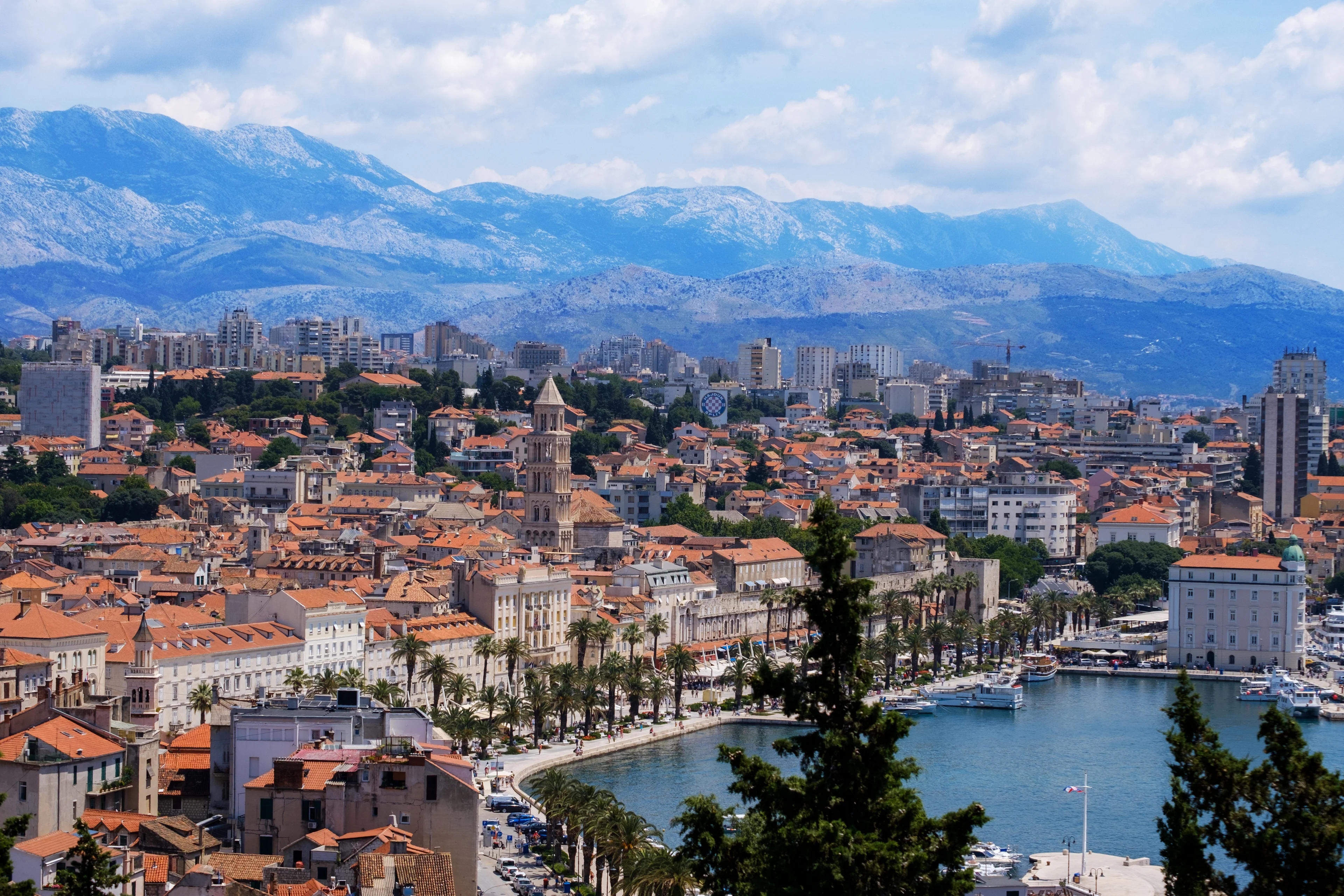
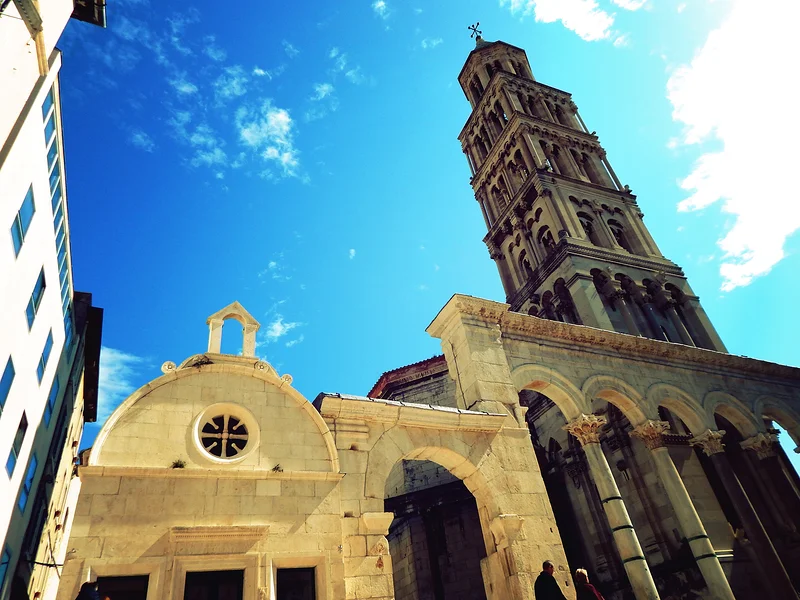
Split, the Roman palace where life goes on
Emperor Diocletian built his retirement palace here in the 4th century, right on the water. Seventeen centuries later, families are still cooking dinner within these walls, cats nap on Roman columns, and bars serve Croatian wine in vaulted cellars. This city isn't a museum. It is a living, breathing neighborhood that has been inhabited since antiquity, and it is a UNESCO World Heritage site where laundry hangs to dry between millennial arches.
The ideal base for exploring Dalmatia
As Croatia's second-largest city, Split acts as a fantastic home base for hitting the Dalmatian islands and national parks. However, don't mistake it for just a transit point. The historic center deserves at least two full days, balancing the Roman palace, a wooded hill, and a high-energy waterfront.
The city draws both history buffs and the party crowd for the Ultra Europe festival. The pace here is Mediterranean. Dinner happens late, coffee is a multi-hour commitment, and the evening stroll along the Riva is a local ritual.
Best for:
- History lovers and fans of Roman architecture
- Travelers looking to mix city life, beach time, and island-hopping to Hvar, Brač, or Vis
- Couples looking for rooftops, stone alleyways, and seaside dining
- Summer festival-goers, specifically for Ultra Europe
- Families, thanks to the shallow water at Bačvice beach
Not for:
- Those avoiding crowds, as the historic center overflows during July and August
- Fans of soft sandy beaches, as Split mostly offers pebbles and concrete piers
- Travelers looking for total quiet in the off-season, as many restaurants close from November through March
A fair budget for the Dalmatian coast
Split is less expensive than Dubrovnik, but prices have risen noticeably since the euro was adopted in 2023. During high season, accommodation in the historic center can be pricy. In the off-season, rates drop by 30 to 50 percent.
| Expense | Price Range |
|---|---|
| Hostel bed or homestay room | 20 to 50 EUR ($22-55) |
| 3-star hotel or comfortable apartment | 60 to 130 EUR ($65-140) |
| Quick meal (burek, pizza slice, sandwich) | 3 to 8 EUR ($3-9) |
| Restaurant meal (entree + drink) | 15 to 30 EUR ($16-33) |
| Daily transport + activities | 10 to 25 EUR ($11-27) |
| Backpacker daily budget | 45 to 70 EUR ($49-76) |
| Comfortable daily budget | 100 to 180 EUR ($108-195) |
A safe and easy city to navigate
Croatia is very safe. Standard precautions apply: keep an eye on your belongings in the crowded areas of the Diocletian's Palace and on the Riva during peak season. Petty crime is rare. English is widely spoken by younger generations, and anyone working in tourism will be fluent.
The Mediterranean climate brings very hot, dry summers, with temps frequently hitting over 95°F (35°C) in July and August. Locals lean into the siesta lifestyle, so don't be surprised if many shops close between 2:00 PM and 5:00 PM.
Sunscreen and water are obvious essentials, but bring shoes with soft soles. The cobblestones in the old town have been worn smooth over centuries and get slippery.
Diocletian's Palace and the historic core
Diocletian's Palace isn't a monument you tour with a single ticket. It is an entire neighborhood. You enter through the Golden Gate to the north, the Silver Gate to the east, the Iron Gate to the west, or the Bronze Gate, which opens onto the Riva.
Inside, white stone alleys lead to tiny squares, restored Roman cellars, artisan shops, and restaurants tucked into imperial walls.
The Peristyle, the central courtyard lined with Corinthian columns and an Egyptian sphinx, is the city's heartbeat. At night, a restaurant sets out red cushions on the steps, acoustic music bounces off the stones, and people sip wine in the cool air. It is one of the most unique places in Europe to grab a drink.
Pro tip: climb to the top of the Saint-Domnius Cathedral bell tower for a panorama of the rooftops, the port, and the islands. A combined ticket for the cathedral, crypt, and baptistery costs about 7 EUR ($8). Go early in the morning to beat the line.
Varoš and Marjan Hill: the local side of Split
Just west of the palace lies Varoš, the oldest residential neighborhood in the city. Think stone houses with green shutters, narrow staircases, and cats everywhere. There are no souvenir shops here and no crowds. This is where locals grab their morning coffee in tiny, nameless bars.
From Varoš, a trail climbs toward Marjan Hill, known as the lungs of the city. This pine forest reaches nearly 600 feet (180 meters) above the sea. Marked paths lead to scenic overlooks, small medieval chapels, and secluded coves on the southern slope.
Pro tip: for sunset, hike up to the Telegrin lookout, the highest point on Marjan. The view of the islands of Šolta, Brač, and Hvar is incredible, and you will likely have it to yourself.
Bačvice and the waterfront
Bačvice beach, a five-minute walk from the bus station, is a local institution. Locals play picigin here, a game invented in Split where you keep a small ball in the air without letting it touch the water. The sea is very shallow for a long distance, which is convenient for families.
We'll be honest: Bačvice isn't a tropical paradise. It's concrete and pebbles, it gets crowded in summer, and there are noisy bars in the background. But the energy is contagious, and the sunsets from the beach bar terraces remain a highlight of any trip.
Island-hopping: Hvar, Brač, Vis
The port of Split is the main hub for ferries to the Dalmatian islands. Brač and its Zlatni Rat beach, recognizable by its horn shape that shifts with the currents, is accessible in an hour by ferry.
Hvar, known for nightlife and lavender fields, is an hour away by fast catamaran. Vis, the furthest and least touristy, is famous for its Blue Cave.
Pro tip: reserve your ferry tickets via Jadrolinija or Krilo in advance during high season. Fast catamarans to Hvar cost about 6 to 11 EUR ($7-12) per person. If you are driving, know that car ferries to Brač fill up fast.
Where to eat and drink in Split?
Dalmatian cuisine relies on grilled fish, olive oil, and wild herbs. Three specialties to try: pašticada, a beef stew braised in a red wine, prune, and spice sauce, served with homemade gnocchi; crni rižot, a black risotto colored with cuttlefish ink; and soparnik, a thin Swiss chard pie that is a Dalmatian coastal staple.
To eat well and local, skip the terraces lining the Riva and head for the konobas, or traditional taverns. The restaurant Šug, recommended by Michelin, is hidden near the Pazar market and serves seafood and fresh pasta at fair prices. In the Varoš neighborhood, Konoba Hvaranin offers unpretentious, home-style cooking.
Croatian wine: a revelation
Only 2 percent of Croatian wine production is exported. Local grapes like plavac mali and pošip are a discovery for most visitors. Wine bars within the palace offer daily tastings for a few euros. It is one of the best ways to get a feel for local culture.
Where to stay in Split and the surrounding area?
The historic center is ideal for a first visit. Everything is walkable, and sleeping within the walls of Diocletian's Palace is an experience in itself. Prices are highest here, especially from June through September. The Varoš neighborhood, right next door, offers better value and a quieter vibe.
For a beach getaway, the Bačvice area balances sand and city access. Families will like the apartments in the Firule neighborhood. Outside the city, Trogir is a tempting 30-minute alternative with a UNESCO-listed medieval center and often lower rates.
How to get to Split?
Split-Kaštela Airport is 15 miles (25 km) from the center. Many low-cost carriers like Ryanair, easyJet, Vueling, and Transavia fly here from major European cities, especially from April through October. Flight times from Paris are about 2 hours and 15 minutes. Tickets range from 40 to 100 EUR ($43-108) one-way in the off-season.
From the airport to the city center
The number 37 bus runs from the airport to the Sukoišan bus station, which is a 15-minute walk from the palace, for about 2 to 3 EUR ($2-3). The trip takes 40 to 50 minutes. The Pleso Prijevoz shuttle bus is more direct and drops passengers near the historic center for about 5 EUR ($5). A taxi costs around 35 EUR ($38).
You can also reach Split by train via Zagreb or drive the A1 highway from the Slovenian border. Expect about 6 hours of driving from Ljubljana. The ferry from Ancona, Italy, is a unique option for those coming from the south of France.
How to get around Split?
The historic center is entirely walkable. For further neighborhoods like Firule or Žnjan, the Promet bus network is reliable, with tickets around 1.30 EUR ($1.40) bought at a kiosk. You can reach Marjan hill on foot in 15 minutes from the palace.
Taxis are available and reasonable for short rides. Uber operates in Split and often offers lower rates than traditional taxis. To explore the Dalmatian coast beyond the city, car rental or renting a scooter is practical, but parking in the center is very limited and metered.
When to go?
May-June and September offer the best balance: temperatures between 72 and 82°F (22-28°C), the sea is warm enough for swimming, and the crowds are manageable. Easter week and the processions are a cultural highlight. Winter is mild, but many businesses close.
Avoid the second half of July and August if you don't like crowds. Accommodation prices double, the palace streets are packed, and the heat can be intense. The Ultra Europe festival, usually held in July, brings tens of thousands of party-goers and completely changes the city's atmosphere.
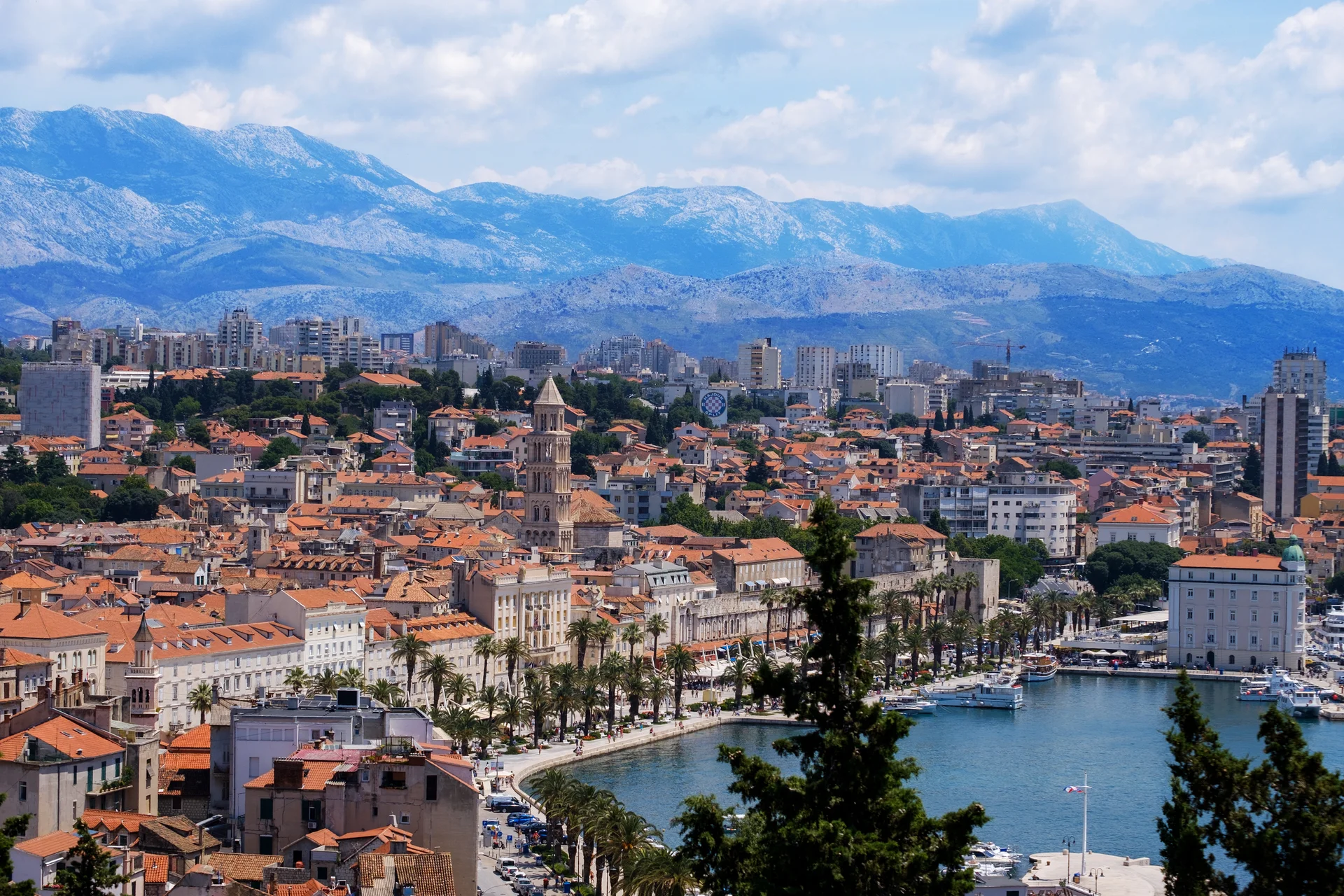
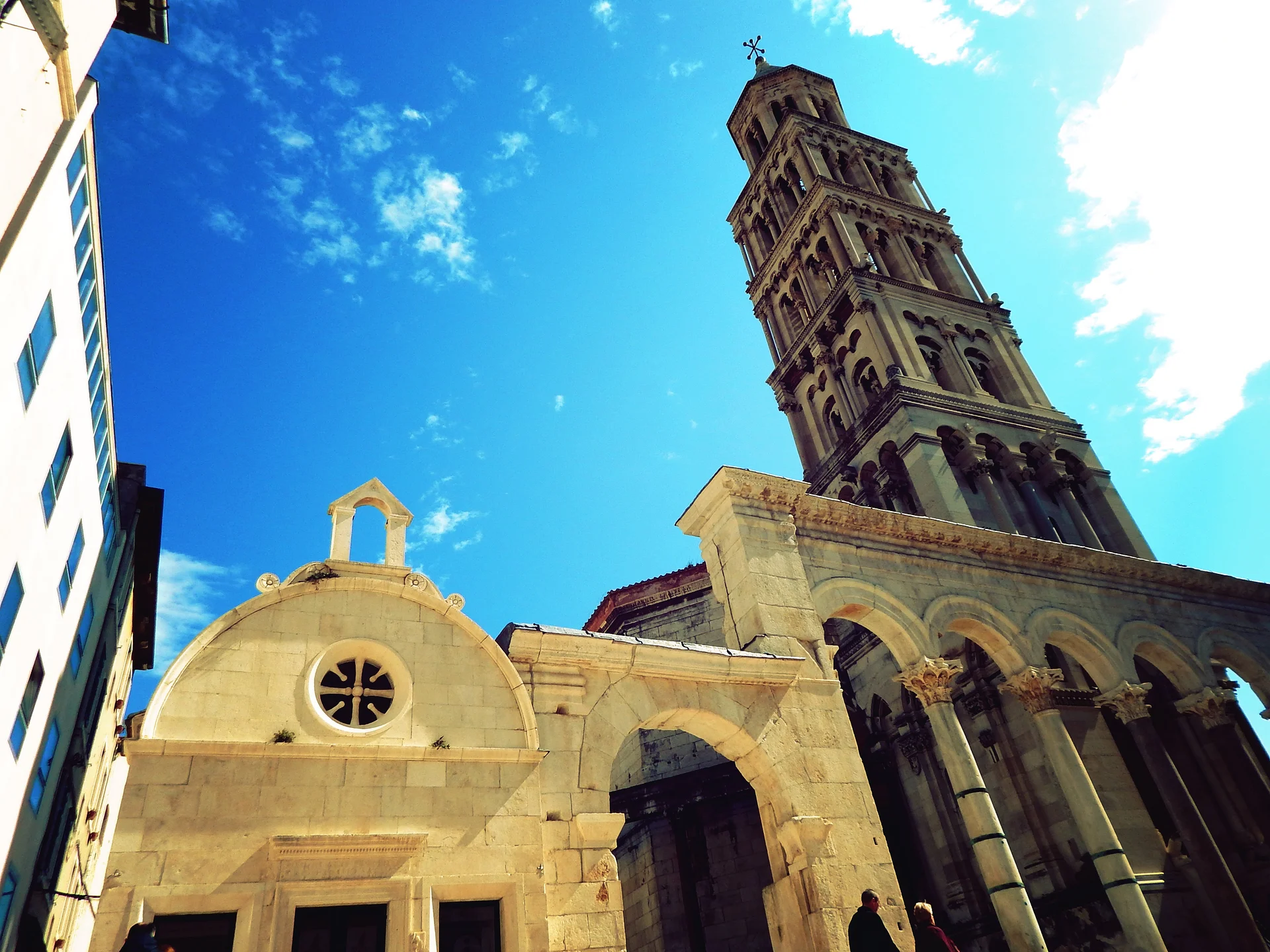
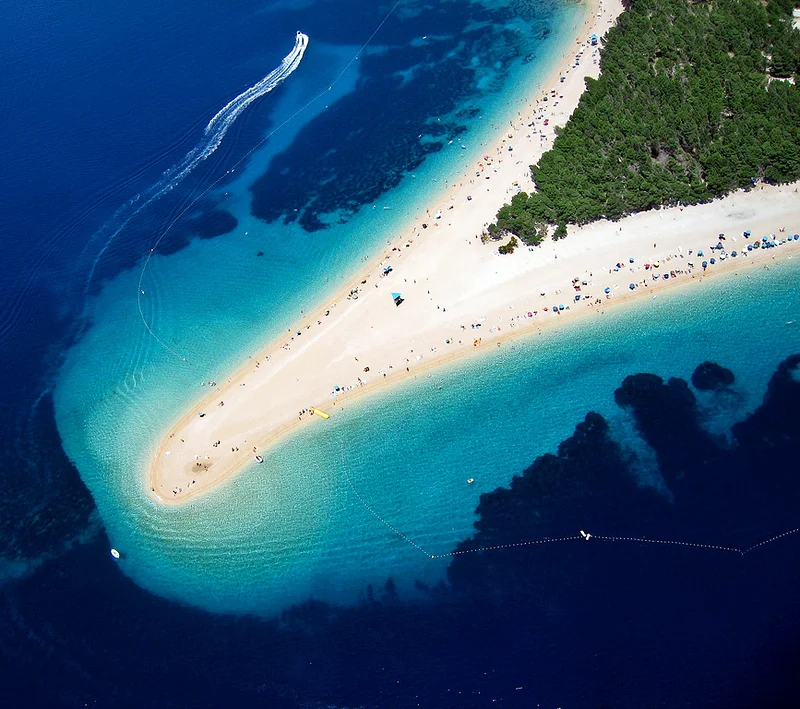
Along with Zadar and Dubrovnik, Split is a must-see seaside destination in southern Croatia. There are plenty of monuments to visit and alleyways with little taverns to enjoy the Mediterranean climate. The flip side is that it gets very crowded and prices jump in the summer.
Personally, I preferred the walled city of Dubrovnik. But Split is also a great starting point, especially for heading to the party island of Hvar.