Baku, the City That Burns Beneath Your Feet
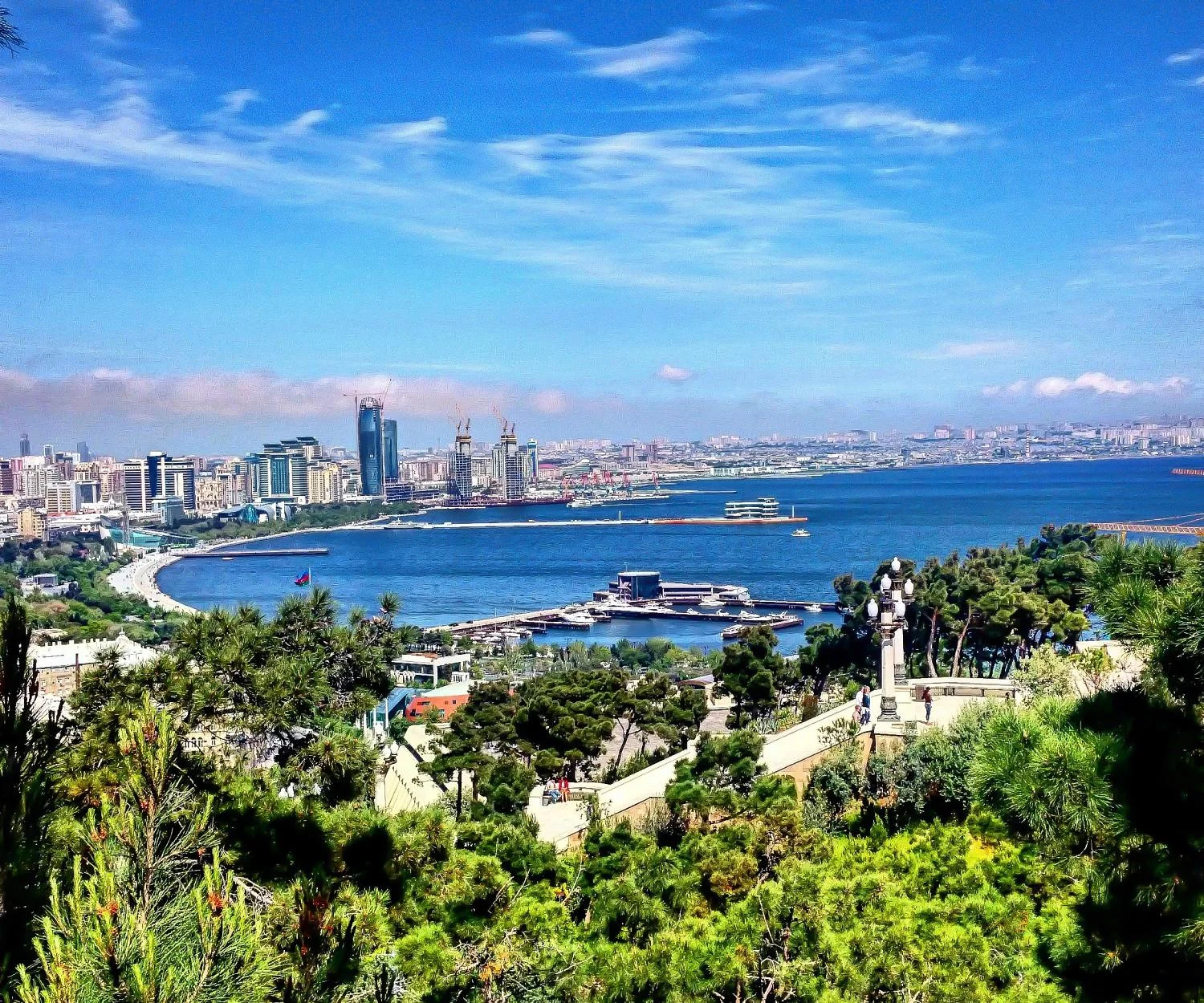
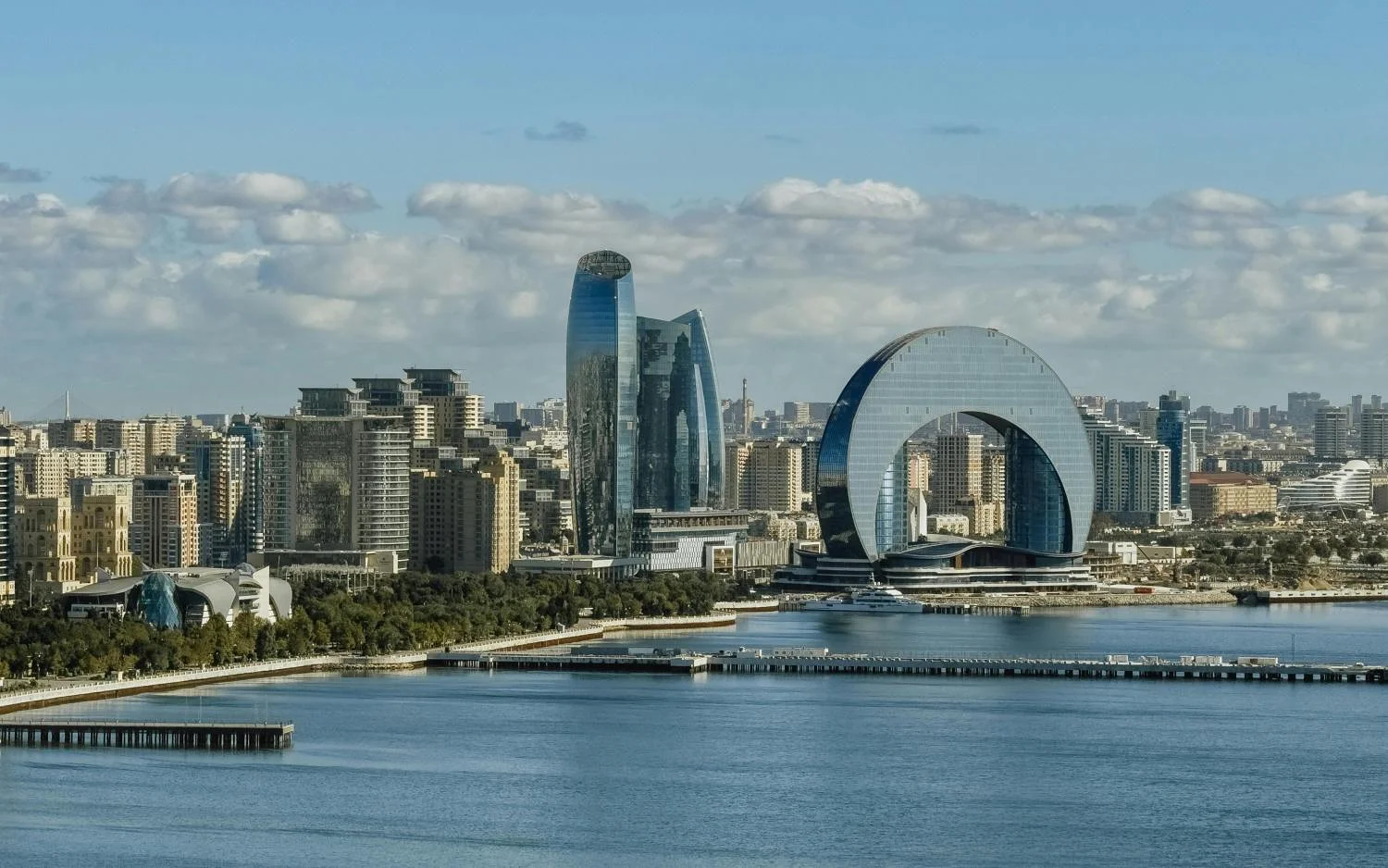
It is 8 PM in Baku, and the Flame Towers are catching fire. Three 182-meter skyscrapers project digital flames across their glass facades. Down below, the medieval alleys of the old city sleep in the shadows, entirely indifferent to the show.
This contrast captures the capital of Azerbaijan in a nutshell: a city wedged between the twelfth century and the twenty-first, between East and West, between rough-hewn stone and tinted glass. Here, people drink black tea from tulip-shaped glasses just steps away from a cultural center designed by Zaha Hadid.
A Destination That Defies Easy Labels
If you loved Istanbul, Tbilisi, or Tehran, you will find a familiar mix of cultures, food, and striking architecture here. Urban planning enthusiasts will be in heaven because few cities let you step so abruptly from a fifteenth-century palace to a futuristic building just by crossing the street.
On the other hand, if you are dreaming of paradise beaches, Baku is not for you. The Caspian Sea coast here is not meant for swimming. Wild nature lovers will also feel a bit frustrated because the real rural Azerbaijan of the Caucasus Mountains starts several hours away by car.
Is It Safe to Travel in Azerbaijan?
Baku is very safe, safer than most European capitals. The government is eager to develop tourism and has set harsh penalties for crimes targeting visitors. Local society is secular, so solo female travelers have no particular reason to worry, and dress codes are relaxed.
An Accessible Budget Compared to the Rest of the Region
Plan for between $45 and $68* per day for a mid-range budget. A decent hotel runs $29-$62* a night, a restaurant meal costs $5.70-$17*, and the subway is 0.40 AZN a ride. A Bolt ride across the center runs 2-4 AZN.
The Old Town: A Thousand Years Within Four Walls
Everything starts in Icheri Sheher, the UNESCO-listed fortified city. It is a labyrinth of cobblestone streets enclosed by twelfth-century ramparts where people still live today. The place feels almost overly restored in spots, but lose yourself in the dead ends because that is where you will stumble upon tiny mosques and rugs hanging from wooden balconies.
The Maiden Tower, a twelfth-century stone cylinder whose original purpose remains a mystery, offers a complete view over the bay. The Palace of the Shirvanshahs, a fifteenth-century royal residence, is worth the 10 AZN entry fee just for its intricately carved courtyards and mausoleums.
Friendly tip: The historical hammams of the old town still function. The oldest one offers a scrub for 15 AZN and a massage for 20 AZN. Days are segregated by gender.
The Boulevard and Modern Baku
The Baku Boulevard stretches along the Caspian for 26 kilometres. Families out for a stroll, cafe terraces, and sea breezes make it the living lung of the city, which looks spectacular at night when everything lights up. Along the boulevard, the Carpet Museum, housed in a building shaped like a rolled-up rug, is worth a look even if weaving does not normally thrill you.
Heading uphill, Fountain Square serves as the beating heart of modern Baku. From there, a funicular climbs toward Highland Park and the Martyrs' Alley, where the view over the bay is striking. This neighborhood also hides dozens of neoclassical and Art Nouveau facades left behind by the nineteenth-century oil barons who modeled their city after Paris.
Futuristic Baku and Day Trips
The Heydar Aliyev Center, designed by Zaha Hadid, is easily the most photographed building in the Caucasus. There is not a single right angle. The structure undulates like a white wave dropped into a park. The indoor exhibits on the country's history round out the visit nicely.
About sixty kilometres south, the Gobustan Reserve holds more than 6,000 petroglyphs dating back 10,000 to 40,000 years, protected as a UNESCO World Heritage site. Combine it with the nearby mud volcanoes for a half-day outing. Closer in, the Ateshgah Zoroastrian temple and Yanar Dag, the mountain that burns continuously, complete the picture. Let's be honest: Yanar Dag is smaller than you might picture.
Friendly tip: For Gobustan and Ateshgah, a guided tour with a driver runs 50-80 AZN per person and saves you the headache of public transit, which gets pretty unpredictable outside the city.
Where to Eat and Drink in Baku?
The undisputed king of dishes is plov, a slowly cooked saffron rice paired with dried fruit, chestnuts, and lamb. The royal version, shah plov, is wrapped in a golden bread crust that crunches under the knife. In the old town, restaurants set inside former caravanserais serve this kind of hearty cooking. Firuze, a basement restaurant, serves excellent piti and shah plov at reasonable prices.
For a quick bite, qutab, thin pancakes stuffed with herbs or meat, act as the local fast food at 1-2 AZN each. Black tea served in pear-shaped armudu glasses is a social ritual. People drink it after every meal, sometimes between meals, and frequently for no reason at all.
How to Get to Baku and Get Around?
From Paris, Azerbaijan Airlines runs direct flights to Heydar Aliyev Airport in 5 hours and 10 minutes, three times a week. Expect $169 to $570* round-trip depending on the season. With a layover in Istanbul or Warsaw via Turkish Airlines, Wizz Air, or LOT, fares often drop lower. An e-visa is required for most nationalities and must be obtained through the ASAN Visa portal, issued within 3 business days.
The airport sits 25 km from the center. The T1 express bus runs to the train station for 1.30 AZN. Around town, the subway costs 0.40 AZN using a BakiKart. For excursions, Bolt and organized tours are your easiest options.
When to Go?
Spring (April-June) and autumn (September-October) offer the best conditions with temperatures between 20 and 28°C and reasonable crowds. Summer is stifling with peaks reaching 40°C. In winter, Baku earns its nickname as the "City of Winds" with occasional violent gusts and temperatures hovering around 5°C.
In March, the Novruz festival takes over the city for a week of celebrations and traditional pastries.