Visiting Malaysia: Where Skyscrapers Meet Jungle and Every Meal Tells a Story
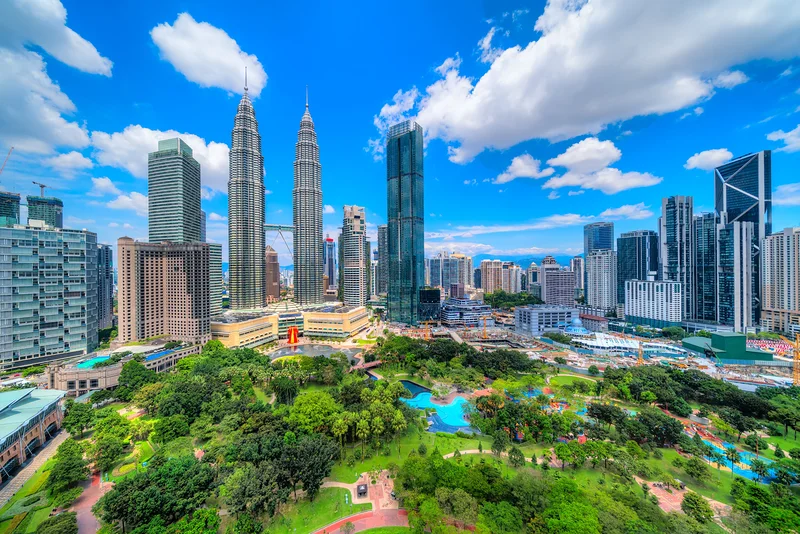
Picture a country where the Petronas Towers catch the morning light while, a few blocks away, incense drifts out of a century-old temple. Where orangutans still swing through ancient rainforest, and hawker stalls pile your plate with food that draws from three distinct culinary traditions. Malaysia is genuinely hard to pin down, and that's exactly what makes it worth the long flight.
Is Malaysia the Right Trip for You?
Malaysia works best for travelers who want more than one thing from a destination. It pulls in serious hikers, people chasing tropical beaches, and anyone obsessed with street food equally well. That said, go in with realistic expectations: the humidity is relentless (think Houston in August, but year-round), traffic in the major cities can be brutal, and the most popular tourist spots draw serious crowds.
If a quiet beach escape is all you're after, aim for the less-trafficked islands. But if you like being genuinely surprised by a place, Malaysia tends to deliver.
Modern Cities and Colonial History
In Kuala Lumpur, the Petronas Towers dominate the skyline while night markets fill the streets below with noise, smoke, and the smell of grilling meat. The city layers Malay traditions, Chinese heritage, and Indian influences into something that feels entirely its own.
On the island of Penang, George Town is a different kind of city experience. Colorful street murals cover the walls of shophouses that date back to the British colonial era, and Taoist temples sit at the end of narrow lanes that smell like star anise and frying shallots. Walking through it feels like flipping through a living history book.
Insider tip: In George Town, get out before 8 a.m. to see the street murals without tour groups in every shot. The soft morning light is better for photos anyway.
Tropical Nature and Ancient Rainforest
Malaysia's forests are among the oldest on Earth, older than the Amazon. Taman Negara National Park puts you under a canopy thick with proboscis monkeys, hornbills, and rivers that wind through the undergrowth. It's the kind of jungle that earns the word.
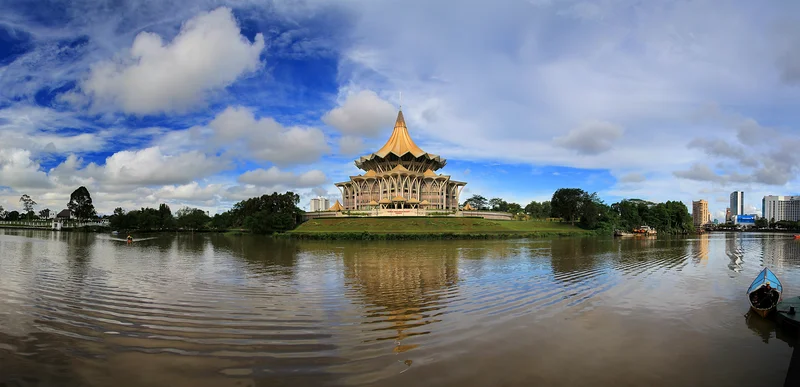
Further east, the states of Sarawak and Sabah on the island of Borneo are a different league entirely: massive cave systems, sacred mountains, and orangutan sanctuaries where you can watch great apes in something close to their natural habitat. These areas are genuinely remote and reward travelers who are comfortable with that.
Insider tip: Pack closed-toe shoes with good grip and a lightweight long-sleeve layer for any jungle hiking. Leeches and mosquitoes are a real factor, not a footnote.
Beaches and Islands
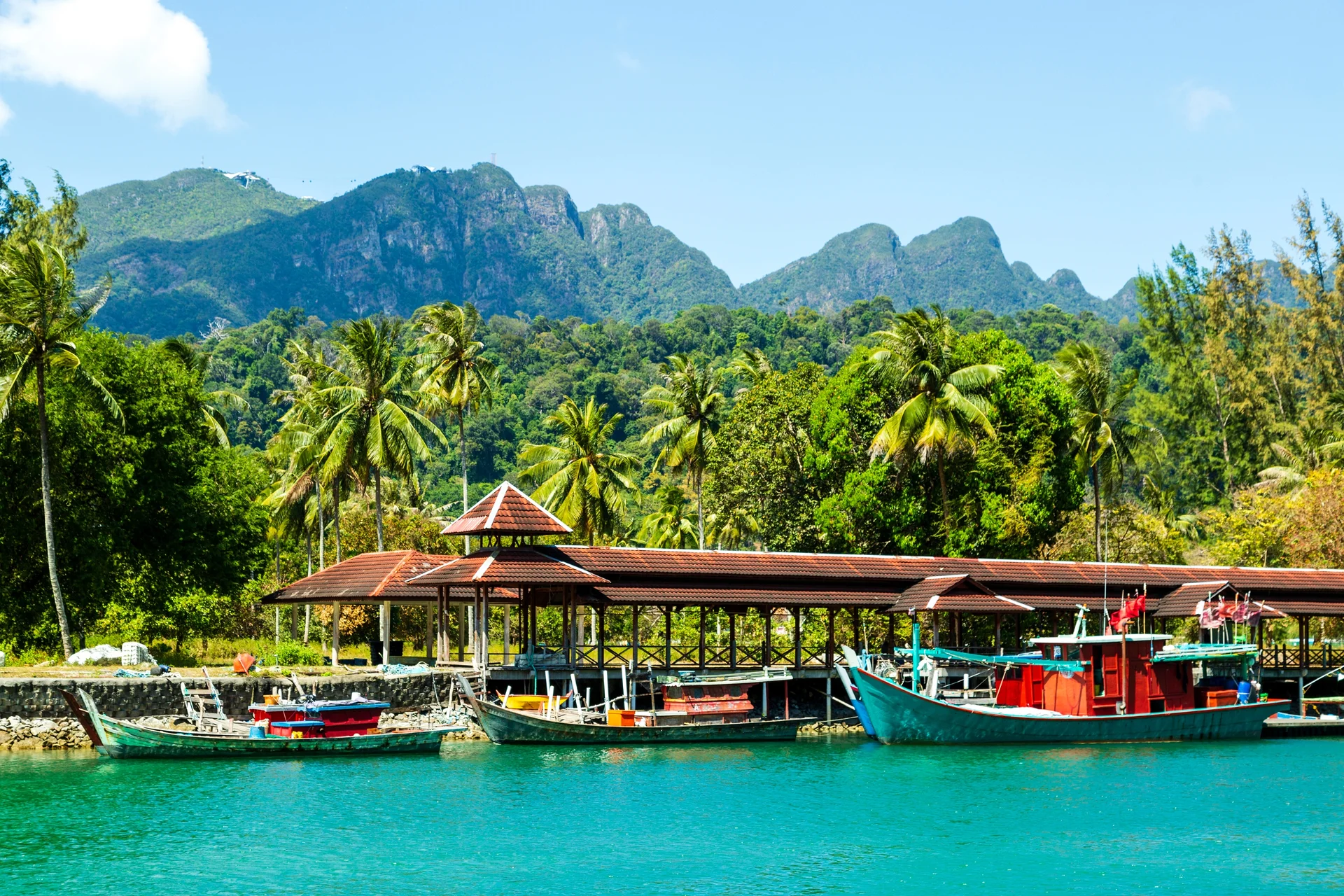
For snorkeling in clear turquoise water, the Perhentian Islands off the northeast coast are hard to beat. The pace there is slow, the vibe is low-key, and the reef life is genuinely impressive.
If you want more comfort, Langkawi has upscale resorts alongside intact mangroves and quieter stretches of beach. And for certified divers, Sipadan in Sabah is consistently ranked among the top dive sites in the world, with walls that drop hundreds of feet and schools of barracuda that circle in tight tornadoes.
Insider tip: Avoid the Perhentian Islands during peak season (July and August). Accommodations book out fast and the laid-back atmosphere gets harder to find.
Three Cultures, One Block
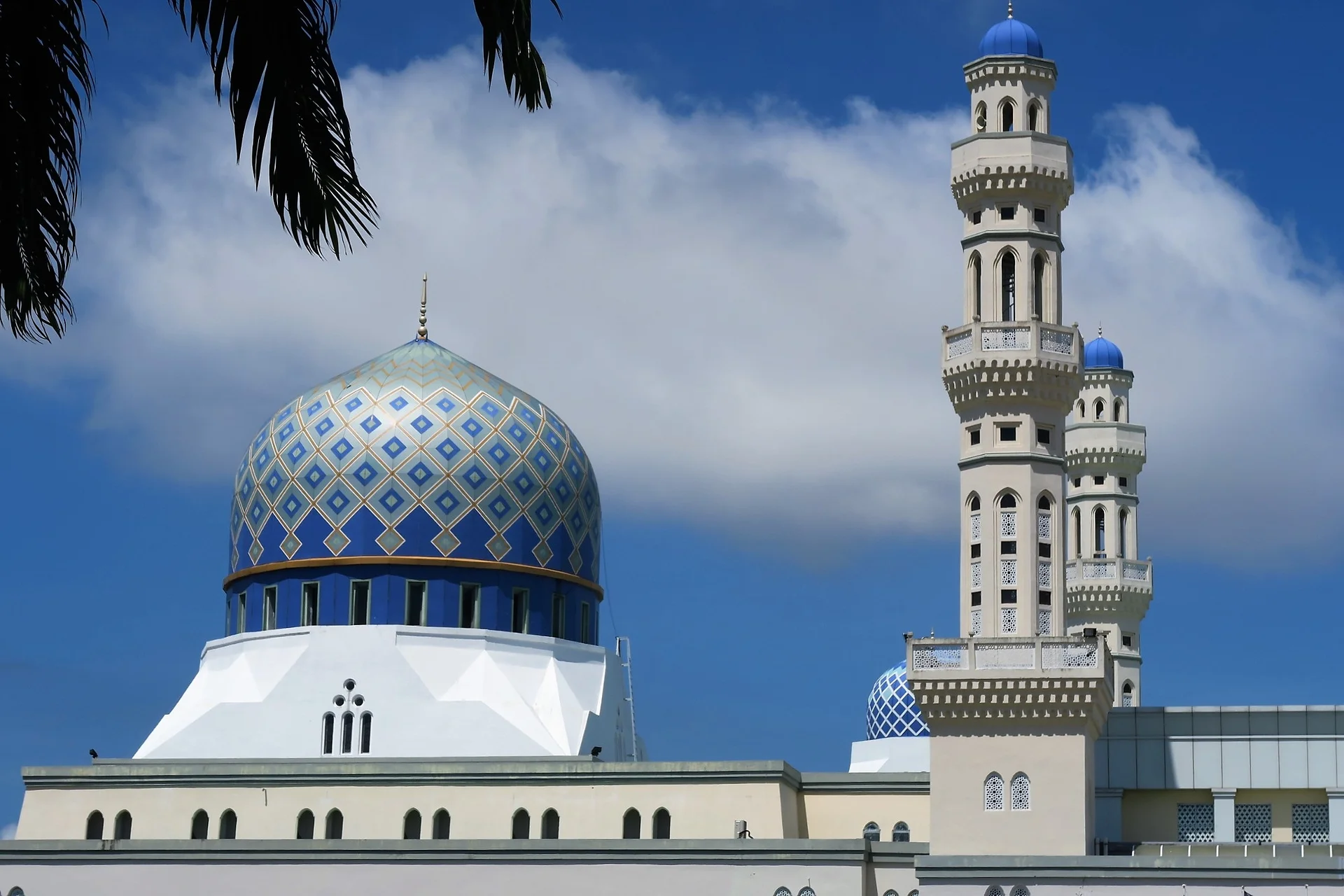
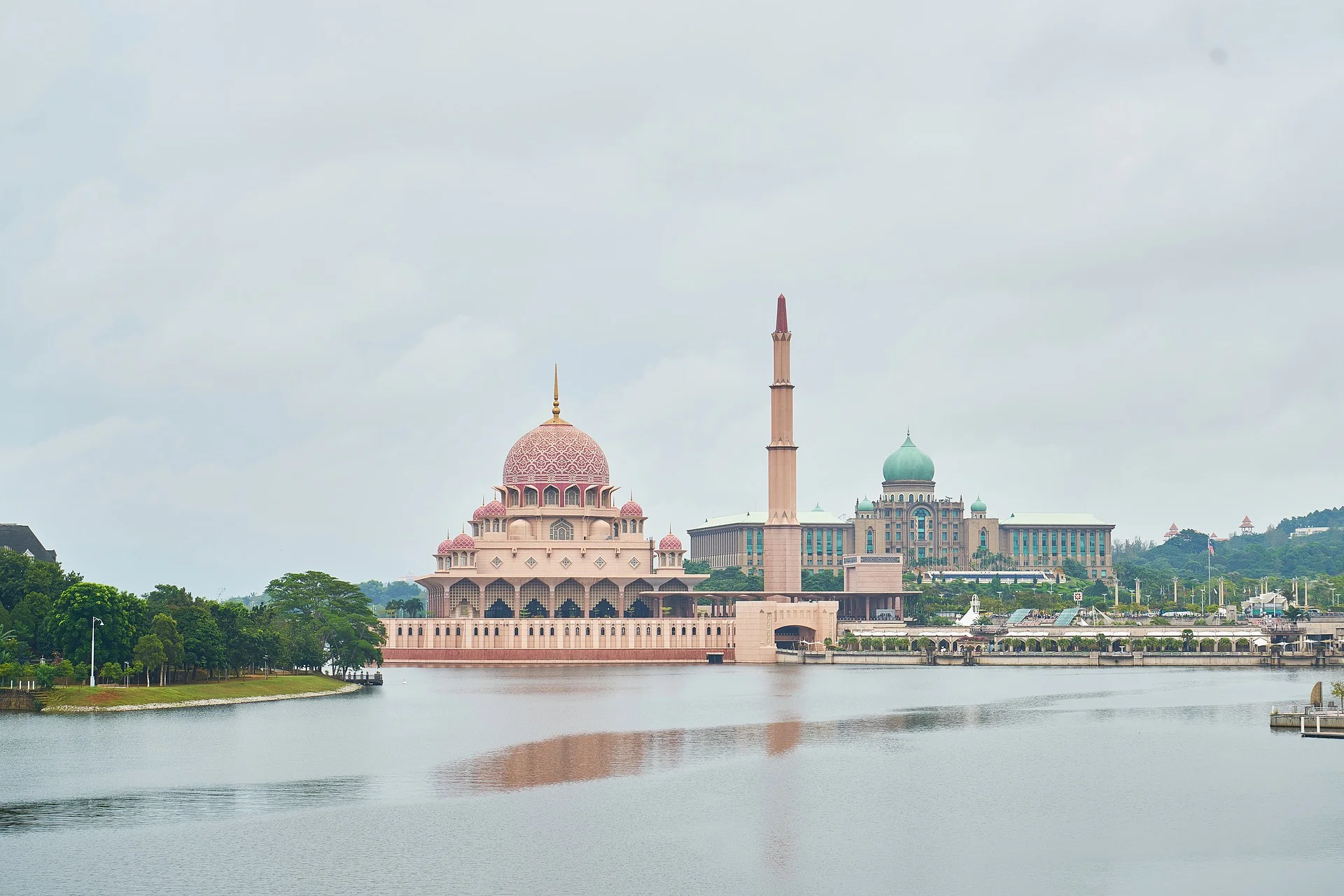
It's genuinely common in Malaysia to walk past a mosque, a Hindu temple, and a colonial-era church within the same city block. The country's Malay, Chinese, and Indian communities each maintain distinct traditions, which means the festival calendar is packed and every celebration has its own look and feel.
If your timing works out, catching Thaipusam at Batu Caves just north of Kuala Lumpur is an experience that's hard to describe. Hindu pilgrims climb 272 brightly painted steps to limestone cave shrines, some carrying elaborate metal frames attached to their skin, in a display of devotion that stops you cold.
The Food: Malaysia's Real Selling Point
Meals here are not an afterthought. Nasi lemak, coconut-steamed rice served with sambal, fried anchovies, and a boiled egg, is the national breakfast and it earns that status. At hawker centers (open-air food courts where independent vendors each specialize in one dish), you can move from Chinese-style noodles to Tamil-spiced curry in two steps.
Penang is widely considered the food capital of the country, and the reputation holds up. Char kway teow, flat rice noodles wok-fried with shrimp and Chinese sausage over high heat, and laksa, a sour-spicy coconut noodle soup, are the two dishes to start with. Street food here is a serious thing, not a tourist novelty.
When to Go to Malaysia
The country sits on the equator, so heat and humidity are constants. The variable is rain. Two distinct monsoon seasons affect different coasts: the east coast gets hit from November through February, while Borneo sees its heaviest rain from November through January.
In practical terms: the west coast (Langkawi, Penang) is best from November through April. The east coast and the Perhentian Islands are most accessible from March through September. If you're planning a Borneo trip, aim for February through October.
Getting to Malaysia
Most US travelers fly into Kuala Lumpur International Airport (KLIA), which has direct or one-stop connections from major US hubs via carriers like Cathay Pacific, Singapore Airlines, and others routing through Asian hub cities. Penang and Kota Kinabalu on Borneo also have international airports with regional connections.
If you're combining Malaysia with a broader Southeast Asia trip, buses and trains cross the land borders from Singapore and Thailand without much hassle. Ferries also connect parts of Malaysia to neighboring islands including Sumatra in Indonesia.
Getting Around Malaysia
The country is bigger than it looks on a map, and the terrain between Peninsula Malaysia and Borneo means flying is often the only realistic option for that leg. On the peninsula, trains run from Kuala Lumpur up toward the Thai border and are a comfortable way to see the interior. Buses are affordable and cover nearly everywhere.
In cities, ride-hailing apps (Grab is the dominant one, similar to Uber) are more reliable and often cheaper than flagging a traditional taxi. On the islands, you're looking at water taxis or walking, so plan accordingly.