
Kuala Lumpur at a glance
Malaysia's economic capital is well worth the trip. Balancing ultra-modern architecture with Islamic heritage, Kuala Lumpur showcases the country's rapid growth. Plan to spend a few days here to take in everything the city offers.
A multifaceted metropolis
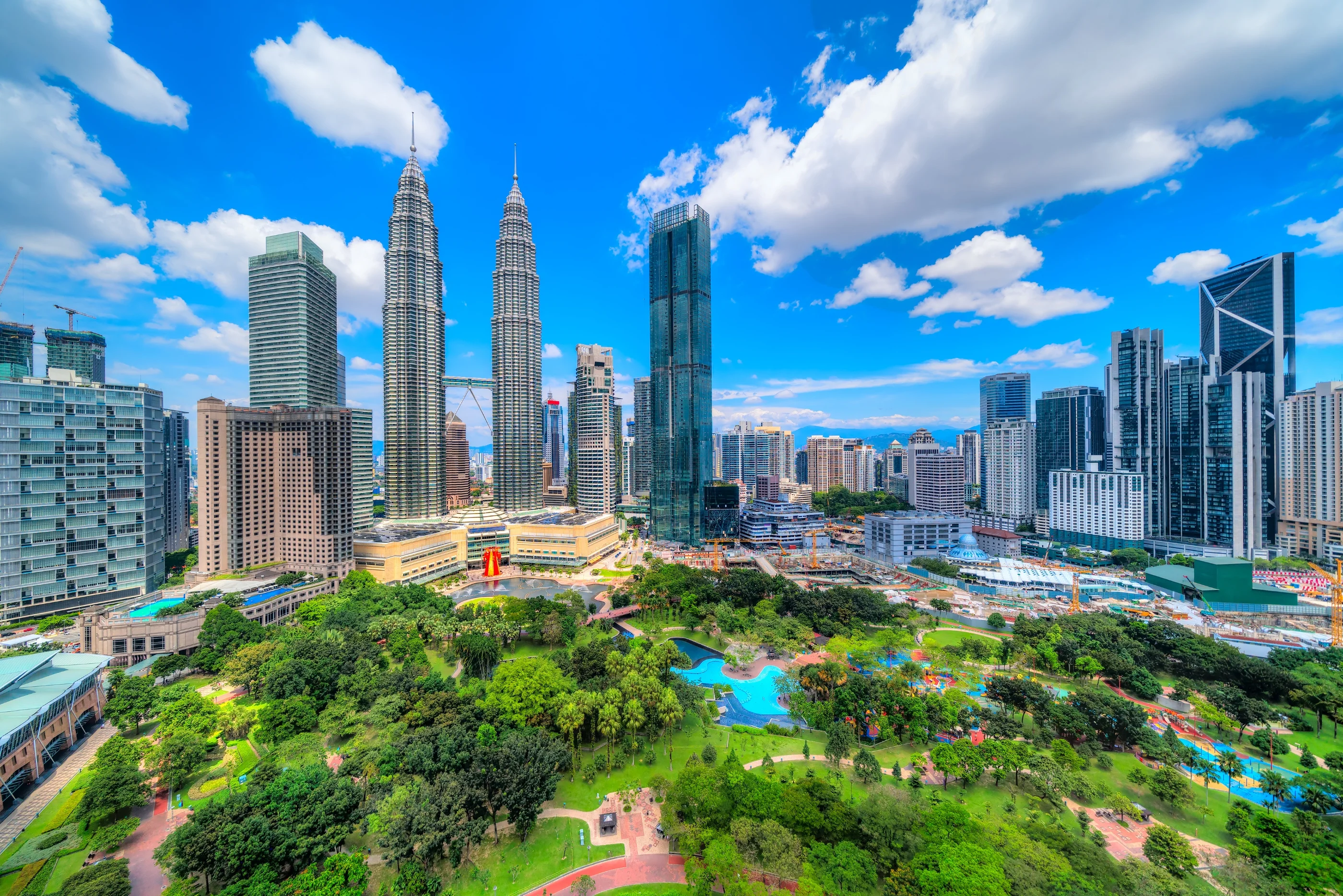
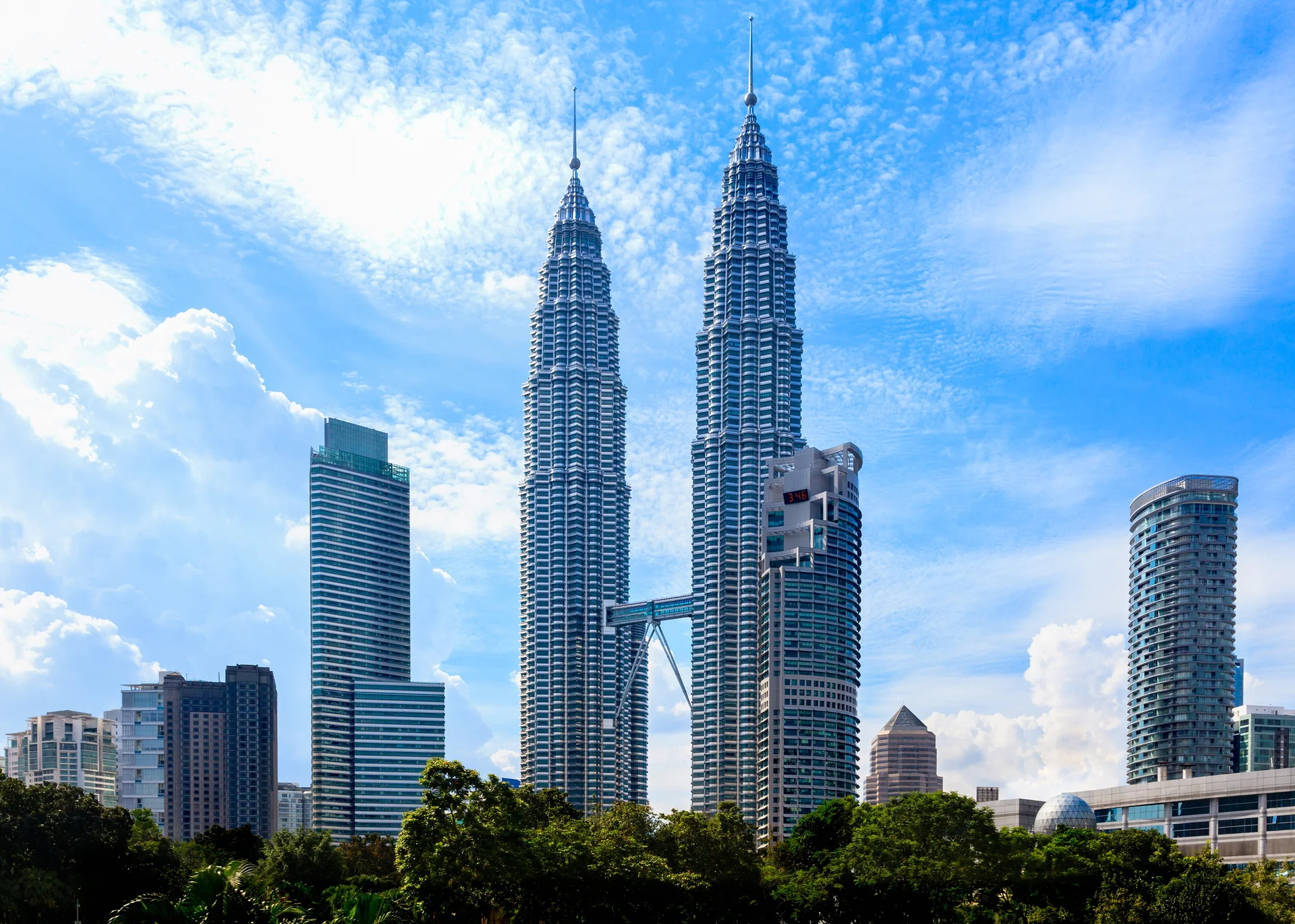
The true icons of Kuala Lumpur are the Petronas Towers, towering structures of glass and steel. You will need to tilt your head all the way back to take them in, and for good reason: standing 1,483 feet (451 metres) tall, they held the title of the world's tallest buildings until 2004. Built in 1998 by architect Cesar Pelli for the Petronas company, their design blends Malay, Islamic, and Western influences. Downtown Kuala Lumpur serves as a clear showcase of modernization and urban development. This sprawling maze of streets features massive skyscrapers alongside traditional houses. The best way to experience Kuala Lumpur is simply to wander. Your walk might lead you to Merdeka Square, an expansive rectangular plaza. Once a cricket pitch, it now centers around a striking Victorian fountain.
Islamic influence
A stroll through Kuala Lumpur's Chinatown and Little India districts is essential. Chinatown and Little India pulse with energy and color, reflecting Malaysia's multicultural fabric. Even so, Islam plays a central role throughout the nation. The Friday mosque, known as Masjid Jamek, stands out as one of the city's key landmarks. Built in 1909, it is the oldest mosque in town. While local Muslims now favor the newer National Mosque, this older site remains a peaceful spot for a walk among palm-shaded pools and graceful domes. To explore Islamic art, head to the Muzium Kesenian Islam. This museum houses a comprehensive collection of Chinese, Indian, South Asian, and North African arts and crafts, including the traditional Malay dagger known as the kriss. The building itself is impressive, featuring a central patio, a lovely garden, and a striking Persian-style inverted dome.
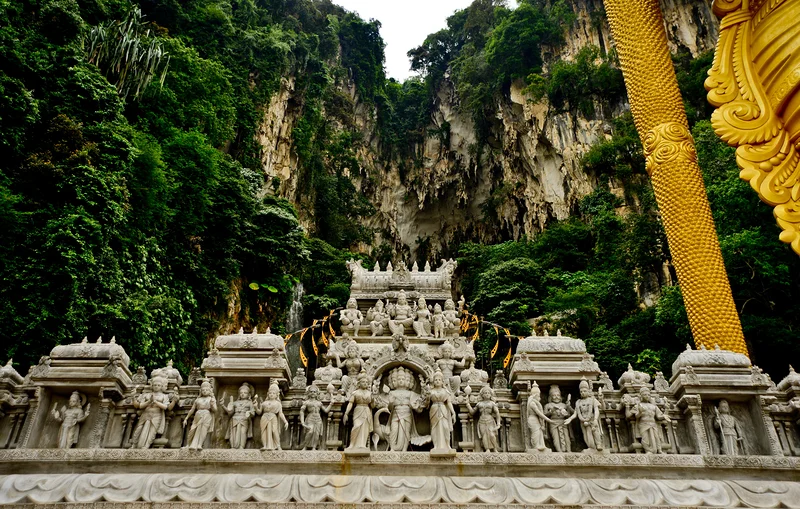
If you have extra time, make the trip out to the Batu Caves. Located 9 miles from Kuala Lumpur, these massive limestone caverns shelter several Hindu shrines reached by climbing 272 steps. A towering golden statue of Lord Murugan watches over Tamil Hindus, especially during the vibrant Thaipusam festival.
When to go
You can visit Kuala Lumpur year-round. The rainy season runs from October to April, bringing manageable downpours rather than washouts. The climate stays hot and humid throughout the year, with temperatures hovering between 68 and 86°F (20 to 30°C).
How to get there
From North America, plan on around 20 hours of travel with at least one layover, usually in the Middle East or East Asia; from European hubs like Paris the flight time is just over 12 hours. Airfares average between $680 and $900*. You can also reach Malaysia overland by bus from neighboring Thailand or Singapore.
Je vois très bien l'impression que ça peut faire, de manger dans un resto panoramique qui tourne, y a la même chose à Berlin, heureusement que ça ne va pas trop vite !