
Where to stay in Chiang Mai: the best neighbourhoods (2026)
Photo : Sebastien Poncelet
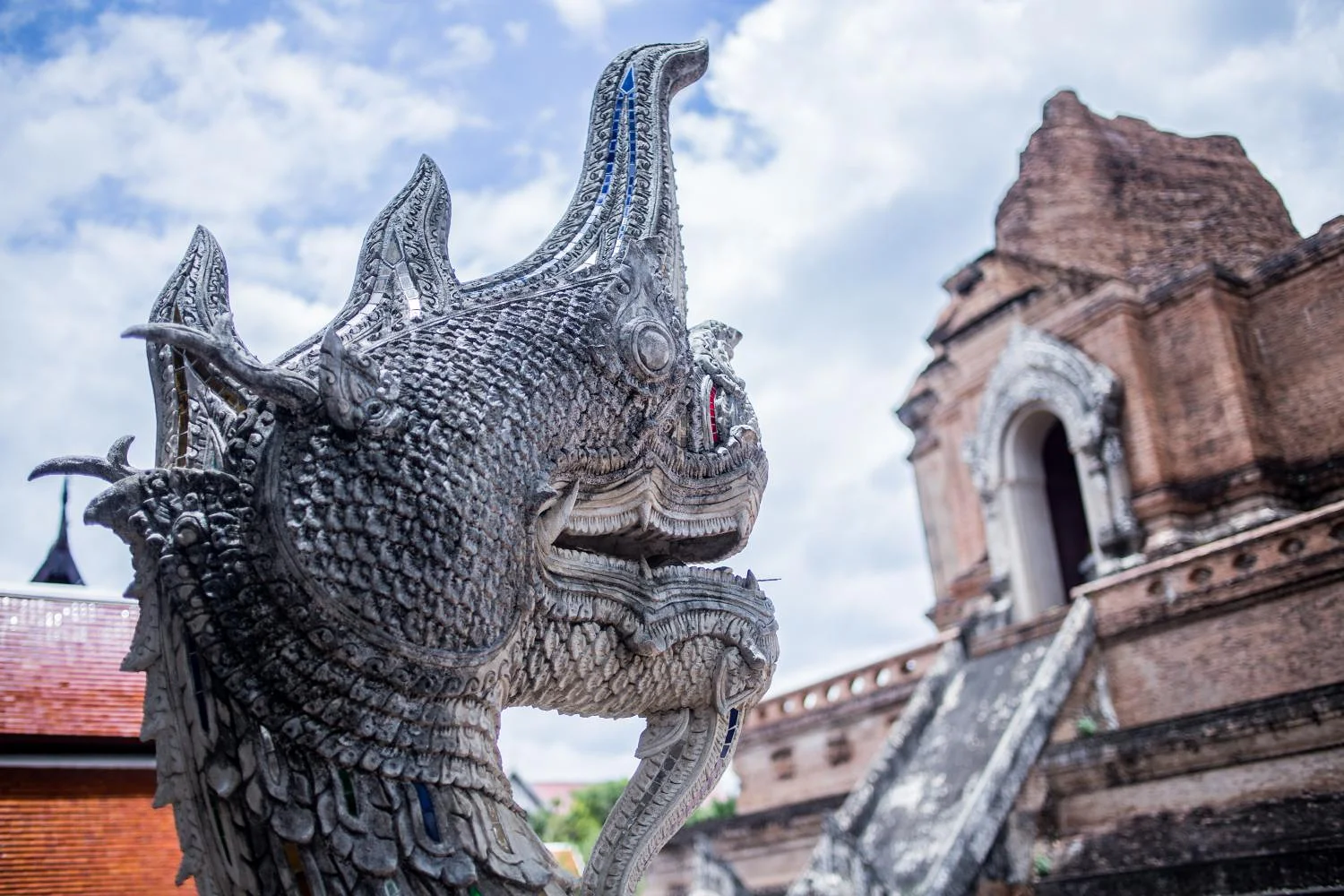
A two-kilometer square framed by a moat and crumbling brick walls: the old town of Chiang Mai packs dozens of temples and most of the neighborhood guesthouses into a tight grid. Travelers in our community frequently name it their favorite stop in Thailand, pointing to the massage spots, the food scene, and the street markets. Surrounding it are three distinct pockets, each with its own rhythm: Nimman for indie coffee shops, the Ping riverbank for evening markets, and Wua Lai in the south for traditional silver workshops. When it comes to the numbers, few destinations beat it on price: $14* for a dorm bed, $69* for a boutique hotel room with a pool.
I went here with my wife and two kids, and it turned out to be our favorite destination in Thailand. You can find pretty much anything you want here without breaking the bank.
Compare hotel prices in Chiang Mai
In a hurry? Find the best accommodation deals in 3 clicks.
Compare live deals from Booking, Expedia, Agoda and other partners.
At a glance: our picks by traveller type
Pick the profile that suits you to head straight to the recommended neighbourhood.
The neighbourhood map in Chiang Mai
Get your bearings on the neighbourhoods and must-see sights before choosing where to drop your bags. Click a name to jump to its description.
The Old City Inside the moat
For temples, cooking classes, and a first visit
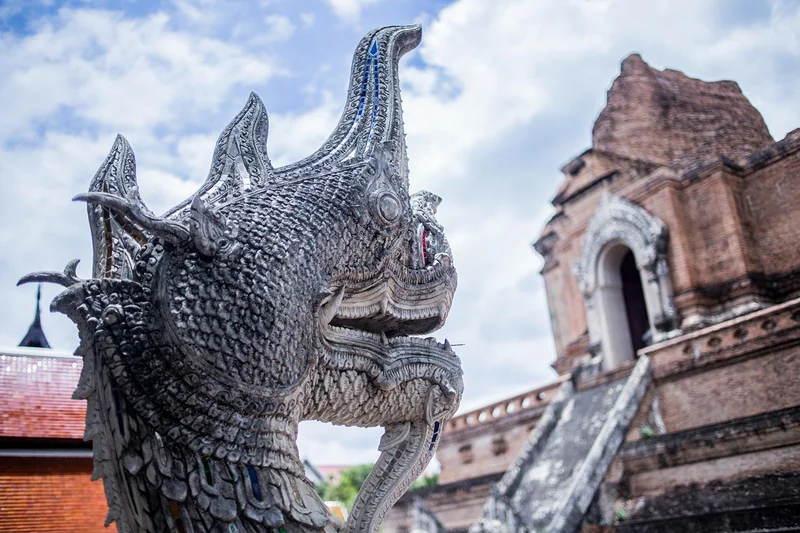
The moat square packs in Wat Chedi Luang and its neighbors, alongside cooking schools, massage therapists, and dozens of courtyard guesthouses. You can get around entirely on foot or by bike, and local agencies run day trips up to Doi Suthep and the mountain villages. It is the most practical area and the densest in temples. The catch: some streets get bogged down with motorbikes, and there are so many options that quality swings wildly from one spot to the next.
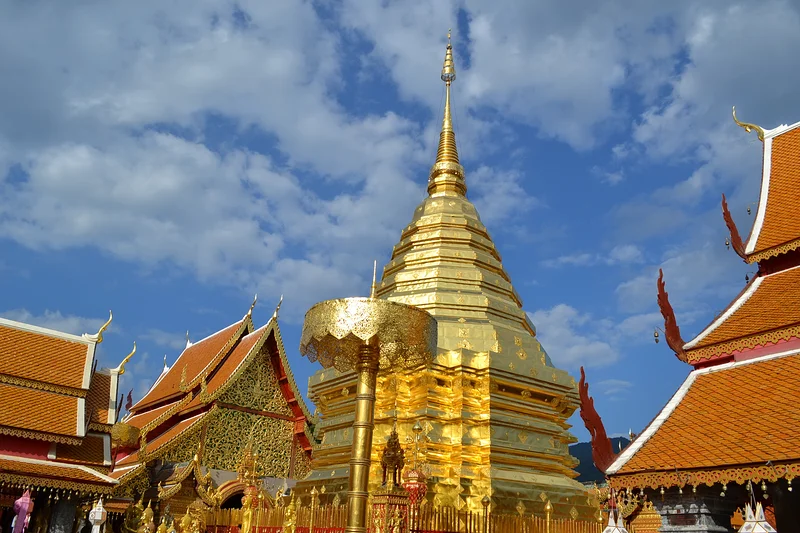
The old town is packed with Buddhist temples, vibrant markets, and nonstop local life.
What to see & do in the area
Where to stay in this area
U Chiang Mai Luxury
A former governor's residence turned hotel, centered around a courtyard and pool right in the temple district.
Parasol Inn Mid-range
A Lanna-style spot a short walk from Wat Chedi Luang, complete with a small pool. Great character for the price.
Green Sleep Hostel Budget
A neat, quiet hostel tucked down a quiet lane in the old town, featuring thoughtfully designed dorms.
Pros
- Dozens of temples within walking distance
- Cooking classes and tour operators right on site
Cons
- Heavy scooter traffic on certain streets
- Quality varies heavily from one guesthouse to another
Nimman West, around Nimmanhaemin
for coffee shops, remote work, and restaurants
Nimman is the neighborhood for specialty coffee, galleries, designer boutiques, and coworking spaces, drawing university students and a large share of the city's remote workers. The dining scene is top-tier and the hotels lean much more contemporary than elsewhere. Getting to the old town takes about fifteen minutes by scooter or songthaew, meaning you have to leave the neighborhood when you want to hit the temples.
Where to stay in this area
Art Mai? Gallery Luxury
A design hotel featuring themed floors and a rooftop pool, right in the heart of Nimman.
G Nimman Chiang Mai Mid-range
A contemporary spot set above a shopping arcade, exceptionally well-placed for cafe hopping.
October Hostel Budget
A spotless, quiet hostel on a side street, popular with travelers who need to work.
Pros
- The city's best coffee shops and restaurants
- Coworking and neighborhood energy
Cons
- No major temples right in the area
- A fifteen-minute trip to the old town
The Ping Riverfront and Night Bazaar To the east, along the river
for the night market and large hotels
Tucked between the city moat and the Ping River, the Night Bazaar district rolls out its stalls for blocks every single evening. This zone brings together major international hotels, waterfront bars and restaurants, and old teak merchant houses lining the banks. Convenient and bustling, it also doubles as the most tourist-heavy and boisterous pocket after dark.
Its old town has many Buddhist temples and markets full of color and life, especially its Night Market, which is touristy but has a very friendly atmosphere.
Where to stay in this area
Le Méridien Luxury
International high-rise right across from the night market, offering a pool and mountain views. Top-tier comfort for this part of town.
Banthai Village Mid-range
Lanna-style pavilions centered around a pool on a quiet side street steps from the bazaar. A calm pocket in the middle of the energy.
Suriwongse Hotel Chiang Mai Budget
A well-established classic address in a prime spot, straightforward and reasonably priced, just a hundred meters from the market stalls.
Pros
- The night market right outside your door
- Large hotels featuring pools
Cons
- The most tourist-heavy area
- Lively and loud until late
Wua Lai and the South South of the moat, the silversmith street
for crafts, quiet streets, and tight budgets
Just south of the old walls, Wua Lai Road is known for its silversmiths and silver workshops, home to the Wat Sri Suphan and its striking silver temple. On Saturday nights, the street transforms into a bustling pedestrian market popular with locals. The neighborhood is mostly residential, noticeably quieter than the Old City, and packed with inexpensive guesthouses and hostels within a ten-minute walk of the main temples.
Where to stay in this area
SherVa101 Hostel Budget
A modern, well-run hostel on a quiet street just minutes from the moat.
Wualai Hostel Budget
A straightforward spot right on the silversmith street, perfectly positioned for the Saturday market.
84 Gallery Mid-range
A well-kept guesthouse south of the ramparts, balancing traditional crafts with residential quiet.
Pros
- The lowest rates in our guide
- The Saturday market and silver workshops
Cons
- Few comfortable hotels
- Very lively streets on Saturday nights
Our tips for booking the right place
- Doi Suthep is an easy half-day trip: The golden mountain temple overlooking the city sits about fifteen kilometres up the slope. Travelers in our community usually take a guided tour from downtown, often combined with a village visit. Expect to tackle the staircase or take the funicular, with some waiting in the midday heat. No neighborhood in this guide gives you a head start for this trip, as it requires a vehicle from anywhere in town.
- Every market has its own designated night of the week: The Night Bazaar runs every evening along the river, the Saturday market takes over Wua Lai Road, and the Sunday market cuts right across the Old City from east to west. If checking out these markets is a priority, match your neighborhood accordingly since evening traffic jams turn short rides into long ordeals.
- Burning season changes the math completely: From February to April, regional agricultural burning tanks the air quality so badly that the surrounding mountains disappear behind a thick haze. That reality makes this window the one to skip, far more than the heat or the monsoon rains.
- Choosing Nimman for temple sightseeing: the neighborhood shines for coffee shops and dining, but it lacks major temples and forces a commute into the Old City every single day.
- Booking right in the thick of the Night Bazaar if you prefer early nights: the stalls stay loud and active late, and traffic remains bumper-to-bumper. The side streets branching off the main drag offer the same location with a bit more quiet.
- Picking a guesthouse in the Old City based purely on price: options are endless and quality swings wildly between character-filled wooden houses and windowless boxes. Recent reviews matter far more here than elsewhere.
FAQ: where to stay in Chiang Mai
Which neighborhood should you pick for a first trip to Chiang Mai?
Where to find budget stays in Chiang Mai?
Is Nimman worth staying in?
How long to stay?
Do you need to rent a scooter?
What does a hotel cost in Chiang Mai?
 Keep exploring
Discover everything in Chiang Mai
Keep exploring
Discover everything in Chiang Mai
Comments (0)
No comments yet. Be the first!