
Cusco at a glance
Most travelers treat Cusco as a necessary pit stop on the way to Machu Picchu, often moving through the city without a second look. That is a mistake. As the former capital of the Inca Empire, the city holds a dense concentration of history and culture that demands more than just a quick transit. Plan to stay a while.
A walk through the past, from colonial legacies to ancient traditions
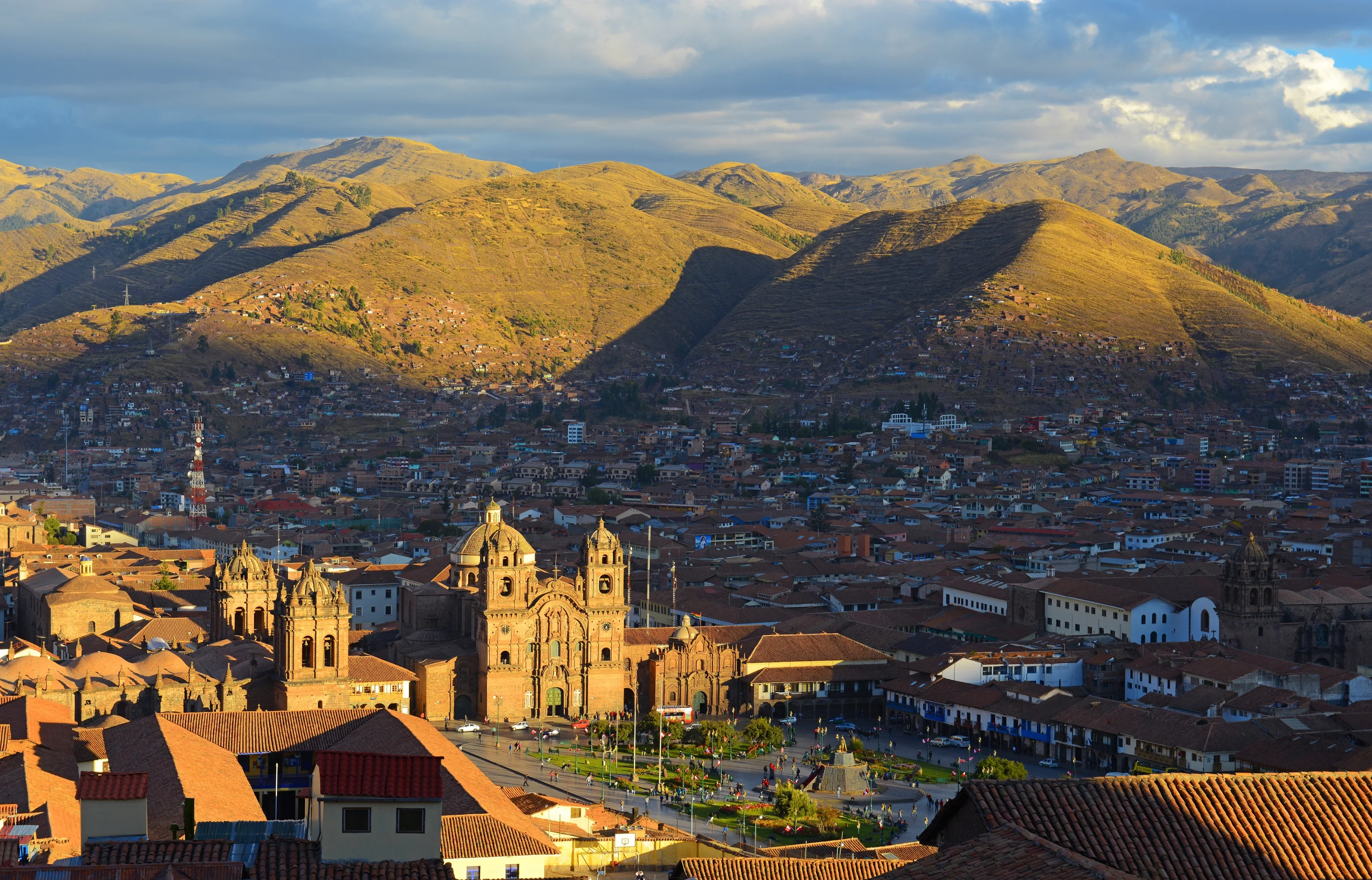
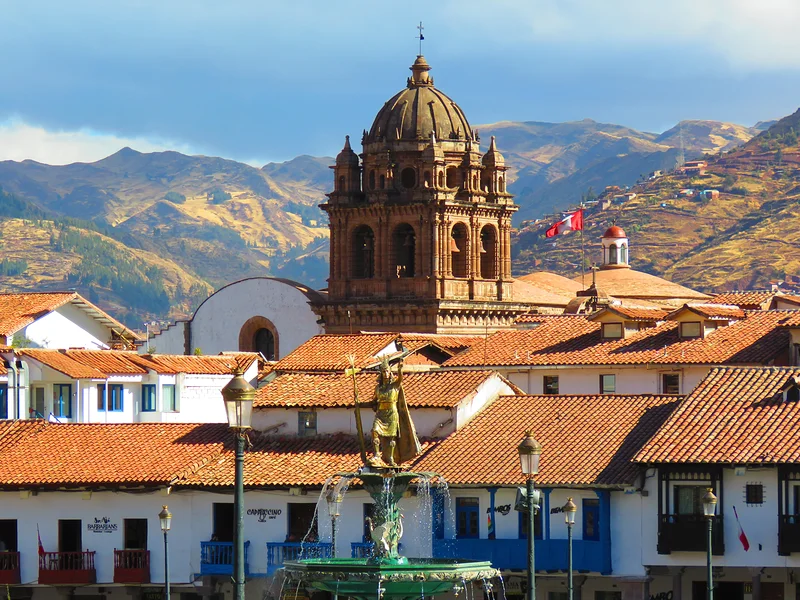
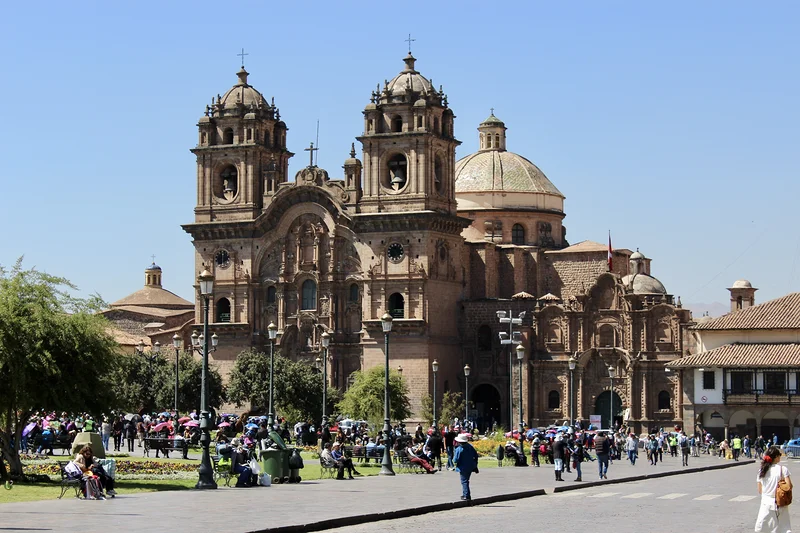
You only need to walk a few blocks to feel like you have stepped into the 16th century. The city sits at 3,350 meters (nearly 11,000 feet) above sea level, so prioritize acclimatization to avoid altitude sickness. To get a feel for the rhythm of the city, head to the Plaza de Armas. It is the beating heart of Cusco, where you can watch the constant flow of vendors and locals. While there, explore the imposing baroque Cathedral of Our Lady of the Assumption, which the Spanish established in 1559.
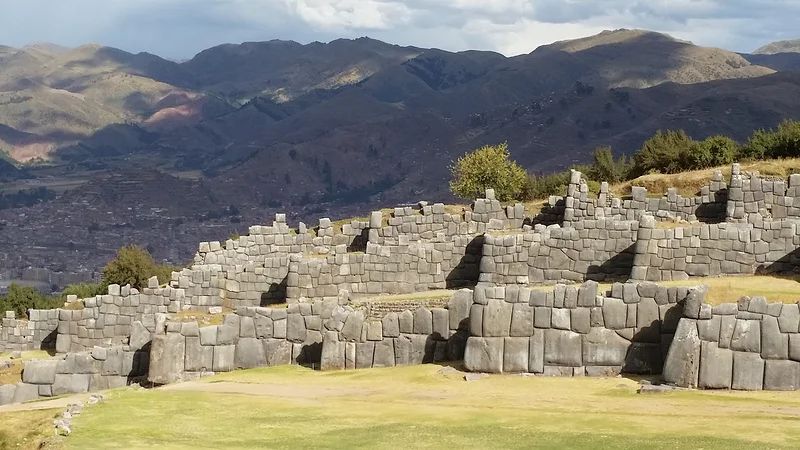
If the crowds in the center become too much, visit Qorikancha (The Temple of the Sun), a site that serves as a stark reminder of the clash between Spanish conquistadors and Inca culture. For those interested in archaeology, there are plenty of ruins nearby. We recommend two sites located less than 10 kilometers from the city: the fortress of Puca Pucara and Sacsayhuaman. For something more unusual, visit the circular agricultural terraces of Moray, where the Incas conducted advanced crop research. Cusco itself functions as an open-air museum, but if you want to dig deeper, visit the Inca Museum in the city center.
Cusco, the mirror of the Peruvian soul
Cusco captures the essence of life in Peru. While the economic center of gravity has shifted to Lima, this remains a dynamic place to live. To witness the city's energy, head to the San Pedro Market near the Plaza de Armas. It is the place to pick up an authentic poncho, porcelain handicrafts, or, if you are hungry, fresh fruits and spices you likely have never encountered before. The best way to experience the city is simply to wander through the narrow, picturesque streets of the historic center.
Make sure to leave the main tourist paths and climb toward the San Blas neighborhood to see traditional Peruvian architecture. Located on the hills above the city, this area has a creative, festive atmosphere. If you want a panoramic view, head to the overlook at the Plaza San Cristobal de Cusco, which provides an unobstructed look at the Andes mountains and the city sprawl below.
When to go
Cusco enjoys a temperate climate, making it a viable destination year-round. However, the city gets very crowded during the peak tourist months of July, August, and December, so plan accordingly if you prefer a quieter experience.
How to get there
Cusco airport is well-connected, with frequent flights arriving from Lima. Expect to pay around 3,000 PEN (about $800) for a round-trip international flight from the US to Lima, followed by a short domestic hop to Cusco. Peru also has a well-developed bus network, making it easy to reach the city by road, even if you are crossing over from the Bolivian border.
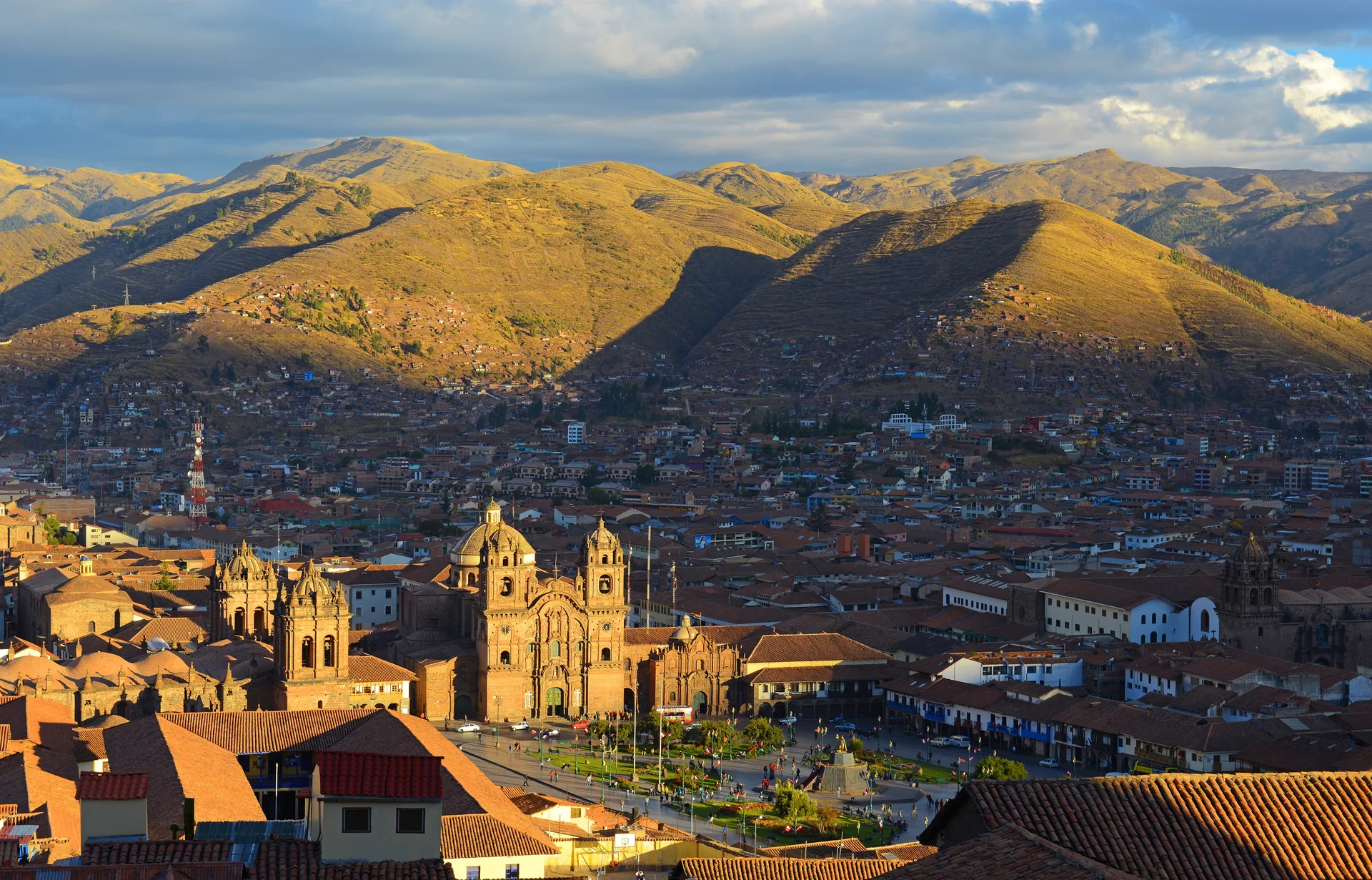
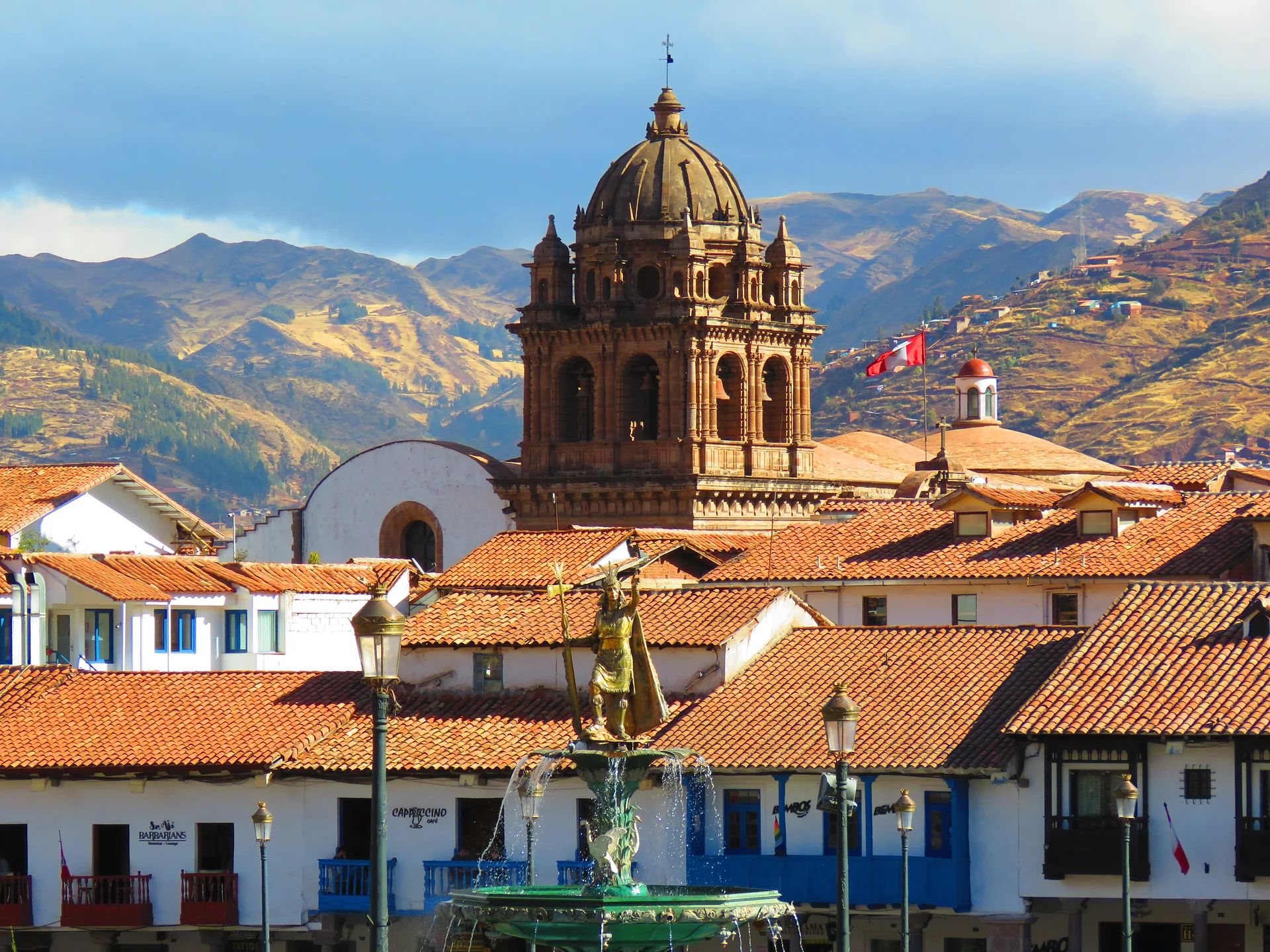
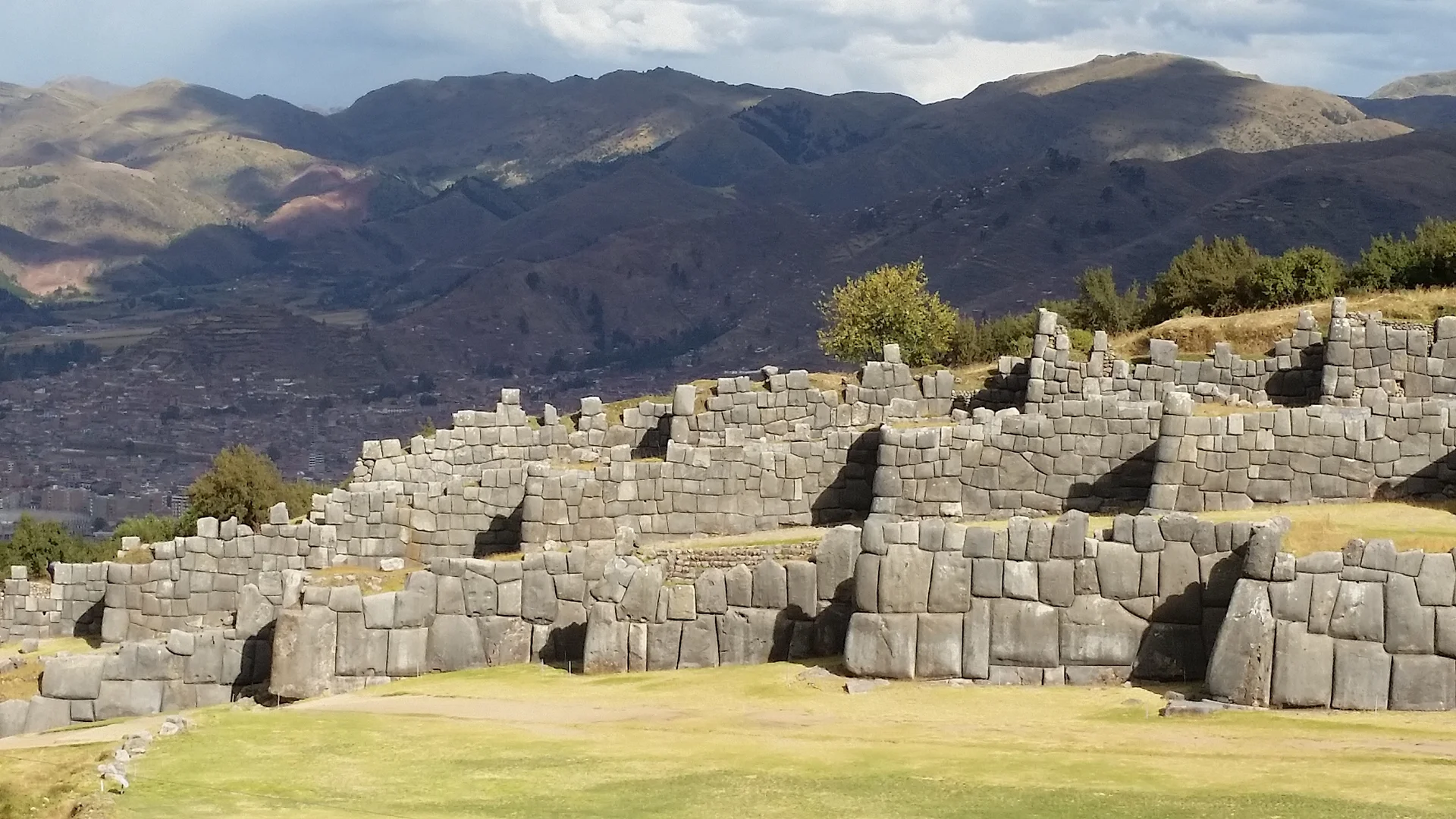
Cusco is a must-see city in Peru. During my first visit in 2009, it was still a pretty dark city and not very recommended in the evening. Now, the city is much more lively and safe for tourists. The Plaza de Armas is well restored, just like the hilly San Blas neighborhood. I also really liked the San Pedro market.
Cusco is a good break on an itinerary that is generally tiring with the altitude and so on. You can also taste cuy and drink pisco sours in Cusco before heading back up to higher altitudes.