Visiting San Pedro de Casta and its mysterious landscapes
Located in the western cordillera of Peru, San Pedro de Casta is a village perched at an altitude of over 9,800 feet. Known as the gateway to the archaeological site of Marcahuasi, it draws travelers looking for challenging hikes and unconventional scenery. Its authentic atmosphere, defined by Andean traditions and local hospitality, makes it an intriguing destination for those looking to bypass the standard tourist circuits.
Marcahuasi, the strange stone plateau
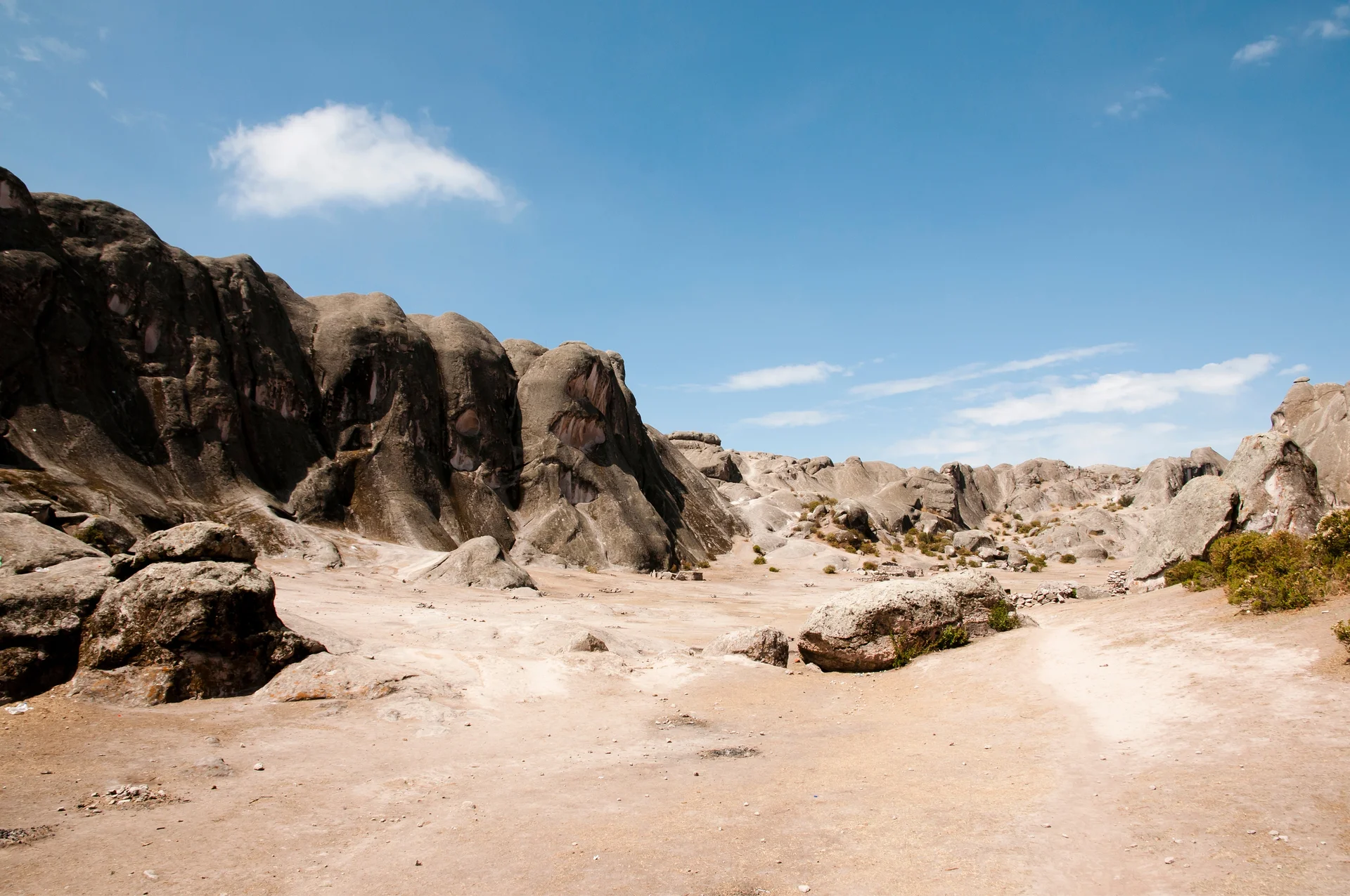
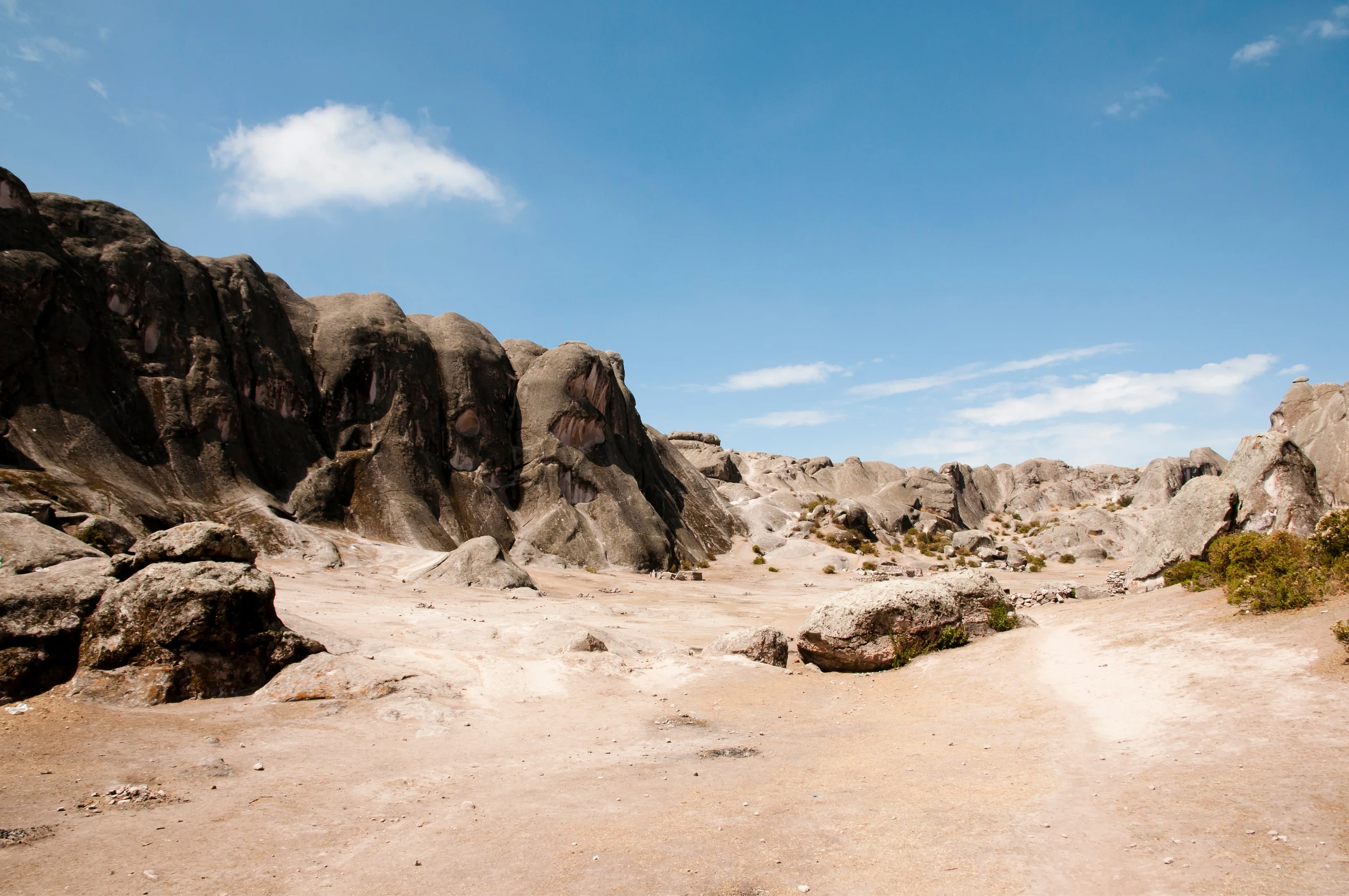
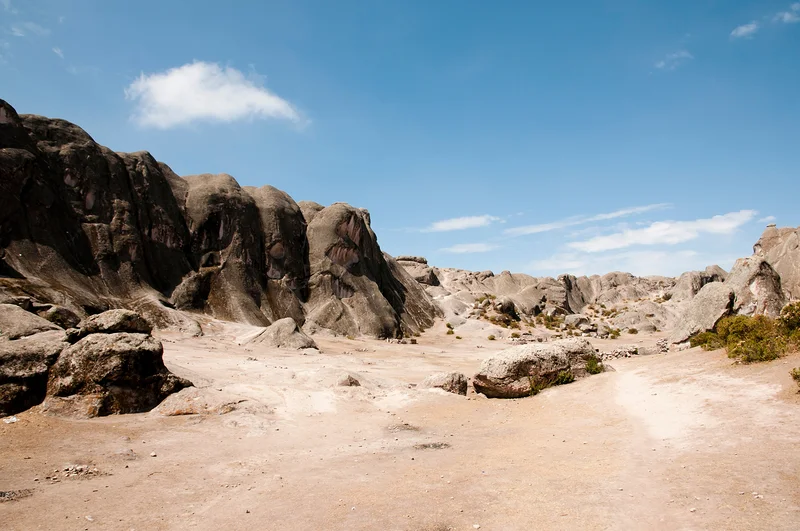
A few hours of hiking from the village, the Marcahuasi plateau is easily the region's most well-known attraction. This natural site is famous for rock formations that resemble human or animal shapes, a phenomenon that has fueled countless theories about their origin. The hike to reach it is demanding due to the elevation and cold nighttime temperatures, but the panoramic views make the effort worthwhile.
Local traditions and festivals
San Pedro de Casta keeps Andean customs alive, particularly through its annual festivities. The fiesta de la limpieza de acequias is a major event where the community gathers to clean irrigation canals and celebrate agricultural prosperity. Traditional dances and processions are held, offering visitors a window into local life.
Hiking and excursions in the valley
Beyond Marcahuasi, the San Pedro de Casta area offers several hiking trails leading to spectacular viewpoints. The Las Ollas trail offers a more accessible walk with clear views of the valley. Some paths lead to pre-Hispanic archaeological remains, which serve as a testament to the region's long history.
Agriculture and rural life
The village economy relies primarily on agriculture and livestock, and a visit provides a clear look at local farming techniques. The papa nativa, a variety of potato grown at high altitudes, is a staple in the local diet. Observing the daily lives of residents, from harvests to fieldwork, adds a human dimension to the trip.
Hearty mountain cuisine
Local cooking is based on crops grown in the high altitudes. caldo de cabeza, a soup made from sheep's head, is an energizing dish favored by residents. You will also find chuño, a freeze-dried potato, often served with cheese or dried meat. To warm up, mate de coca is an essential herbal tea.
Where to eat?
- Comedor Municipal (Center): A simple option offering local dishes made with fresh ingredients.
- Restaurante Doña Rosa (Center): Appreciated for its caldo de cabeza and hearty, filling soups.
- Chez Julio (Center): A small, family-run establishment serving traditional plates.
Where to stay?
- Hospedaje El Refugio (Center): A simple guesthouse with a welcoming atmosphere.
- Casa de Campo Marcahuasi (Near the Marcahuasi trail): A rustic option tailored for hikers.
- Hostal San Pedro (Center): An affordable alternative with basic rooms.
When to go?
The best time to visit San Pedro de Casta is between May and September, during the dry season. The months from October to April see more frequent rain, which can make the route to Marcahuasi more difficult. Local festivals in July and August are also prime times to experience the village's traditions.
How to get there?
From Lima, minibuses depart regularly from the Chosica terminal to reach San Pedro de Casta in about 5 hours. The trip costs between 20 and 40 soles (about $5 to $10) depending on the vehicle. The final stretch of the road is winding, but it provides beautiful mountain views.
How to get around?
The village is easily navigated on foot. To reach Marcahuasi, you can hire mules or employ a local guide to make the climb easier.