Cuba at a Glance
Cuba occupies a category of its own. The Spanish colonial architecture, the warmth of the people, and the landscapes all leave a mark. And the complicated history between Cuba and the US adds a layer you won't find anywhere else: a country caught between nostalgia for what was and curiosity about what comes next.
Architecture and Music in Havana
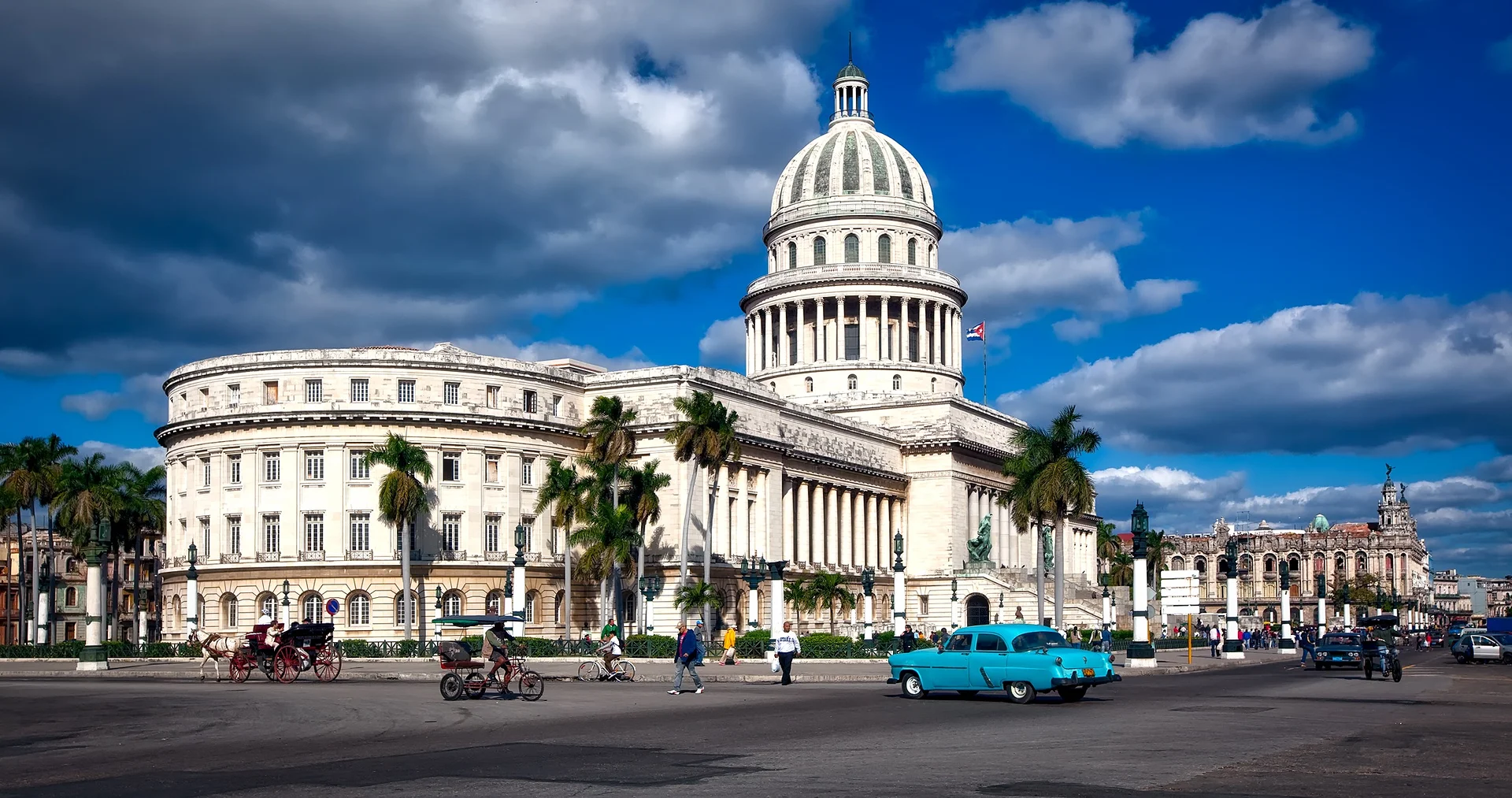
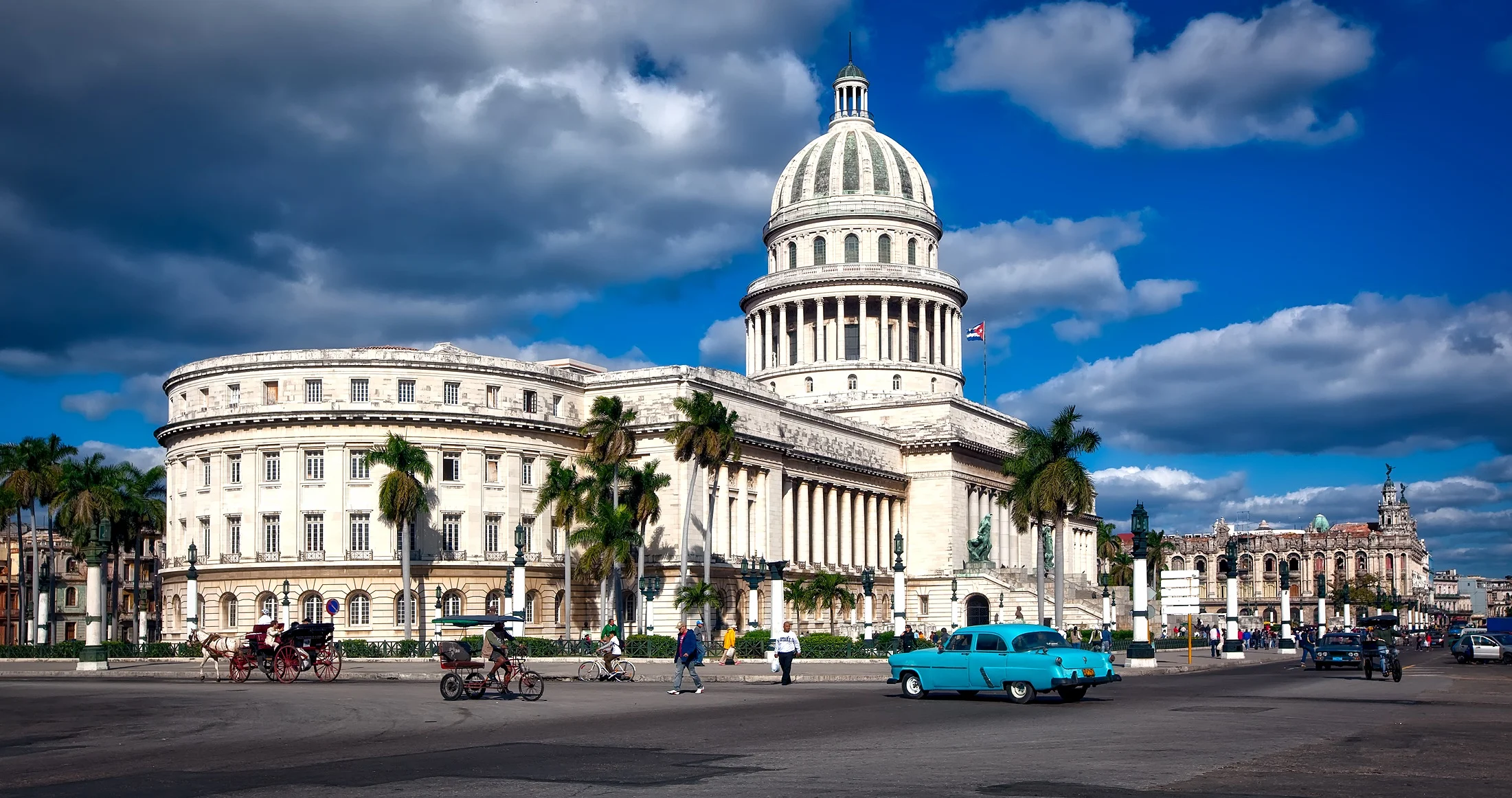
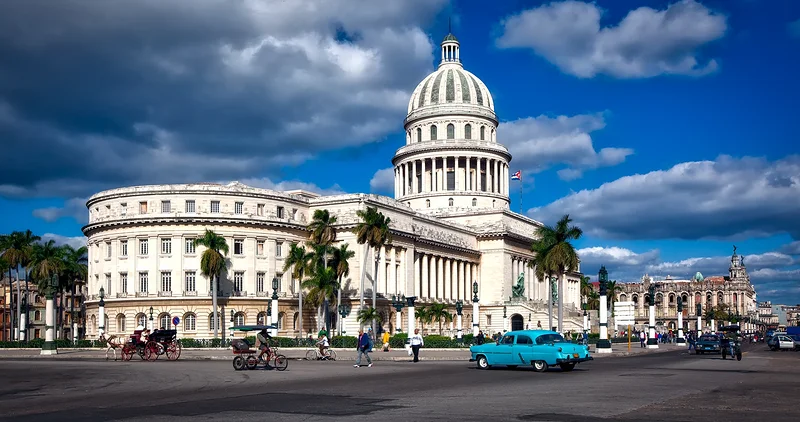
The undisputed centerpiece of any Cuba trip is Havana. Nicknamed the "City of a Thousand Columns," it holds UNESCO World Heritage status for good reason. The architecture alone is worth the flight: Art Deco, Art Nouveau, French classical, and Spanish Baroque all share the same streets. The grand colonial hotels stand as time capsules of another era. And Havana never really stops: the music and the party spill out of bars and clubs and onto the sidewalks around the clock. If you're into music, you'll be in your element. Rumba, salsa, trova, and reggaeton pour out of every open door and window across the city.
Cities Frozen in Time
Havana gets the headlines, but Cuba's other cities deserve serious time on your itinerary. Trinidad is one of the most striking, with its pastel-painted facades and cobblestone alleys that feel locked in the mid-1800s. Plaza Mayor, the old palaces, and the ornate hotels reveal themselves as you wander the streets. Santiago de Cuba, the island's second-largest city, has been shaped over the centuries by French, Indigenous, Spanish, Asian, and African communities, and that layered history shows. It's also known as the "Cradle of the Revolution," making it essential for anyone interested in Cuban political history. History buffs should also make time for Santa Clara, where monuments honoring Che Guevara are a major draw.
Hiking and Beaches
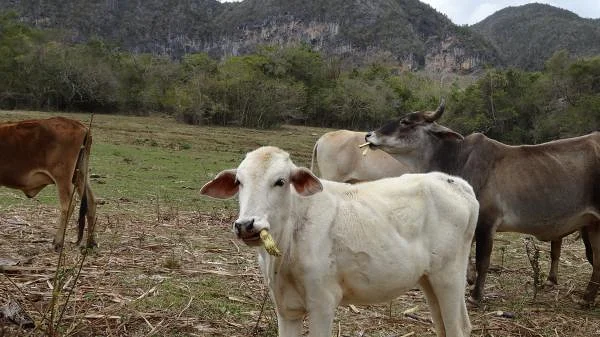
When you're ready to get out of the cities, Cuba delivers on the natural side too. Baracoa, in the northeast near Guantanamo, is the go-to base for serious hiking. The Viñales Valley is worth a full day: tobacco and sugarcane plantations stretch between the mogotes (the rounded limestone hills unique to this region) and clusters of wooden farmhouses.
For beach time, Varadero is Cuba's most famous resort area, but go in knowing it has more than 50 hotels packed onto one peninsula. If you want something quieter, Playa Pilar and Playa Maguana offer a more low-key scene. For something closer to a deserted-island experience, the small island of Cayo Levisa has clear turquoise water and dense tropical vegetation with far fewer crowds.
When to Go
December through April is the sweet spot for weather: dry, warm, and comfortable. The trade-off is that it's also peak season, so hotels fill up fast and prices climb. June through November brings more rain, and July and August are when Cubans themselves take their vacations, so expect more domestic crowds. If you want a balance of decent weather and thinner tourist traffic, shoulder months like November or late April are worth considering.
Getting There
The main international gateway is José Martí International Airport in Havana. Flights from major US cities typically run 3 to 4 hours, though routing and availability can vary depending on current US-Cuba travel regulations. Check the latest entry requirements before you book, as the rules for American travelers have shifted over the years and continue to evolve. Budget roughly CUC 500-600 (around $500-600 USD) for a round-trip flight, though prices fluctuate based on season and routing.