Visiting Salento, the colorful heart of the coffee triangle
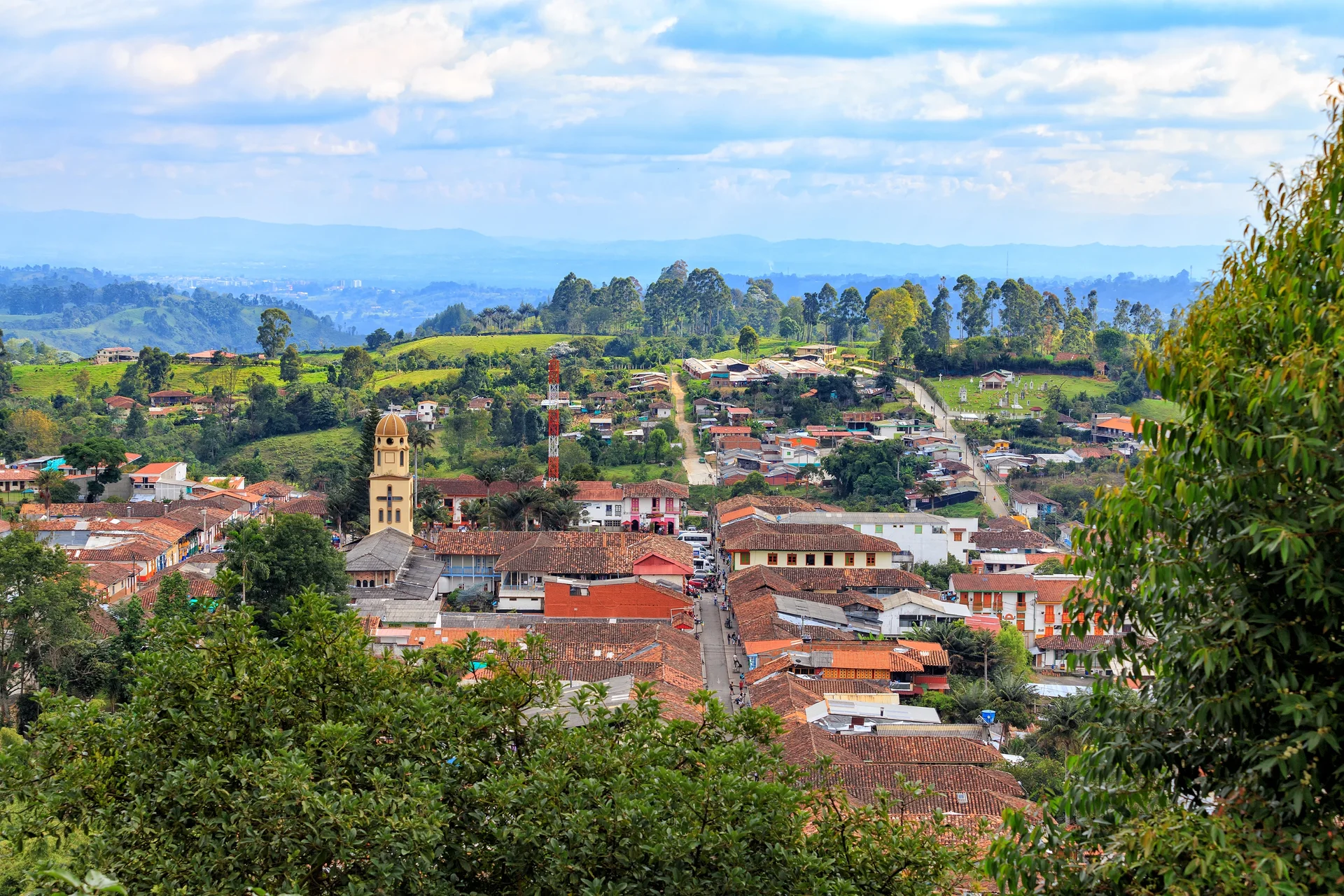
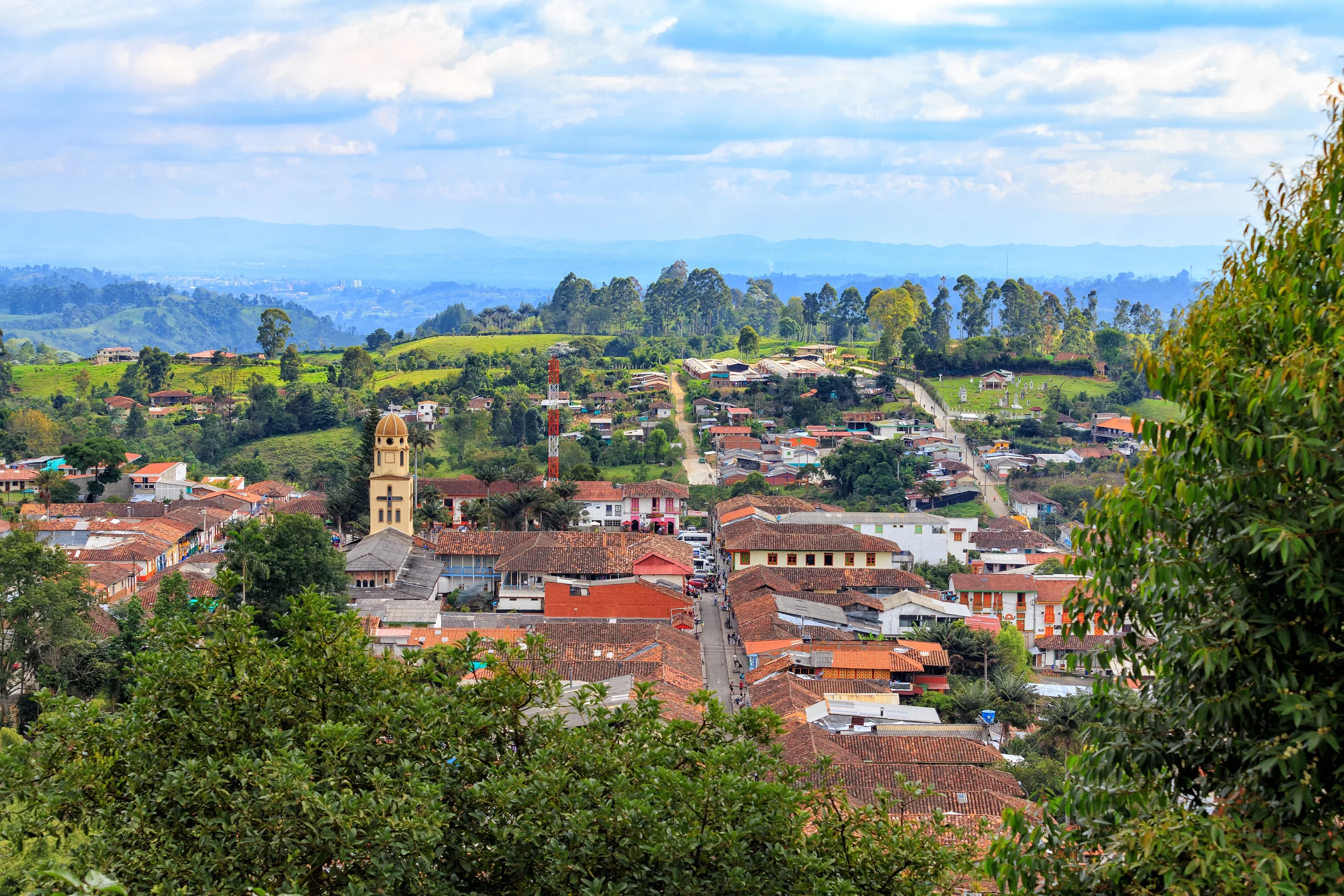
Have you ever smelled freshly roasted coffee while staring up at 200-foot-tall wax palms? On the cobblestone streets of this paisa village, every facade is painted a different shade, while coffee growers head down from their high-altitude fincas to sell their premium beans.
The cool air of the Andes mountains cuts through the tropical heat, creating a perfect microclimate where the plantations that made Colombian coffee famous can thrive.
Salento: a refuge for nature lovers
This town of 7,000 residents is for travelers who prioritize authenticity over luxury. If you are looking for five-star spas or climate-controlled shopping malls, look elsewhere. Salento is a great fit for coffee enthusiasts, casual hikers, and photographers looking for scenery.
Just be prepared for the reality that tourism can make this quiet village feel crowded, especially on weekends. Prices have risen significantly in recent years, and quality lodging should be booked several weeks in advance during high season. Expect a minimum daily budget of 130,000 to 215,000 COP (about $30 to $50) for a comfortable stay.
Cocora Valley: the Andes' natural cathedral
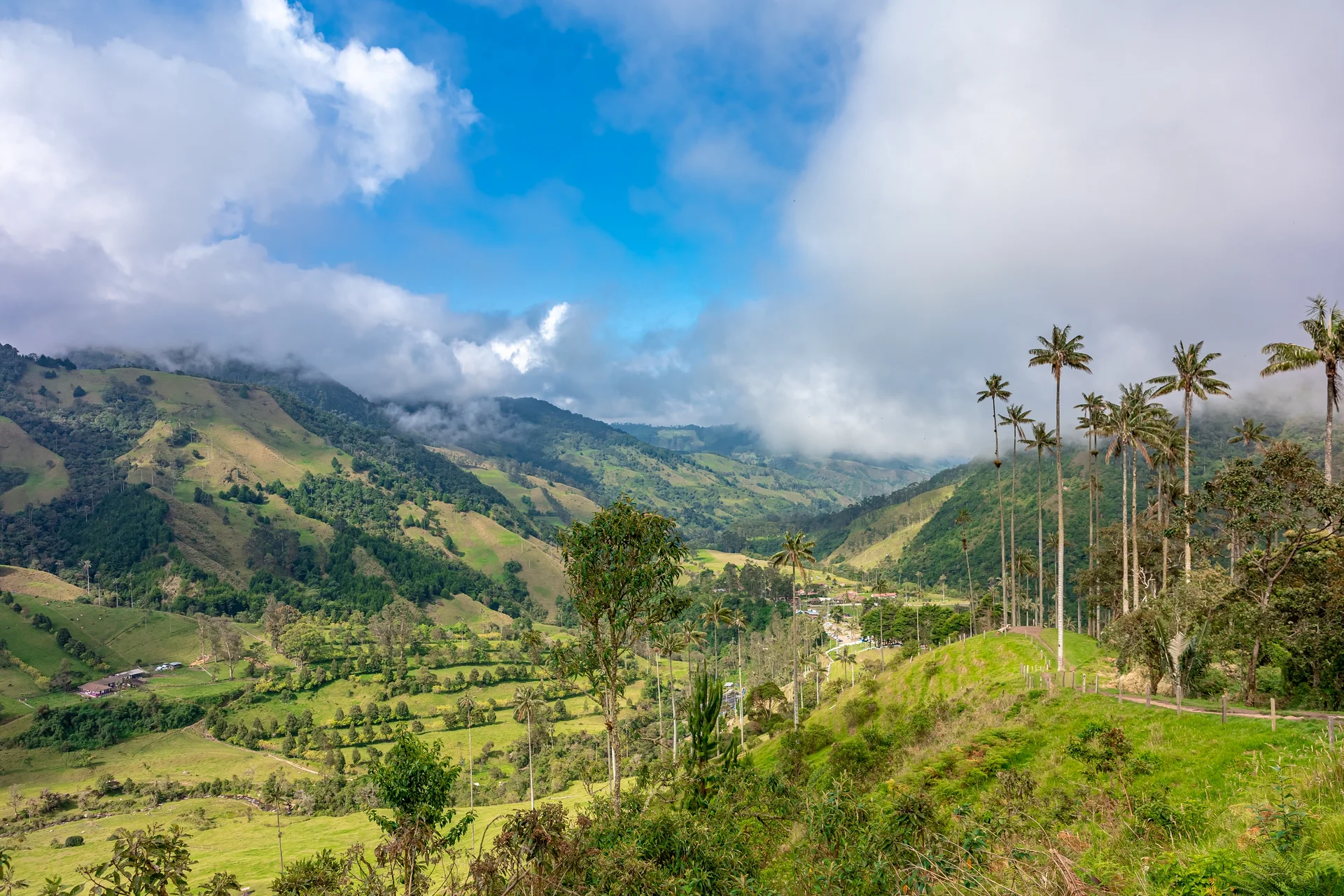
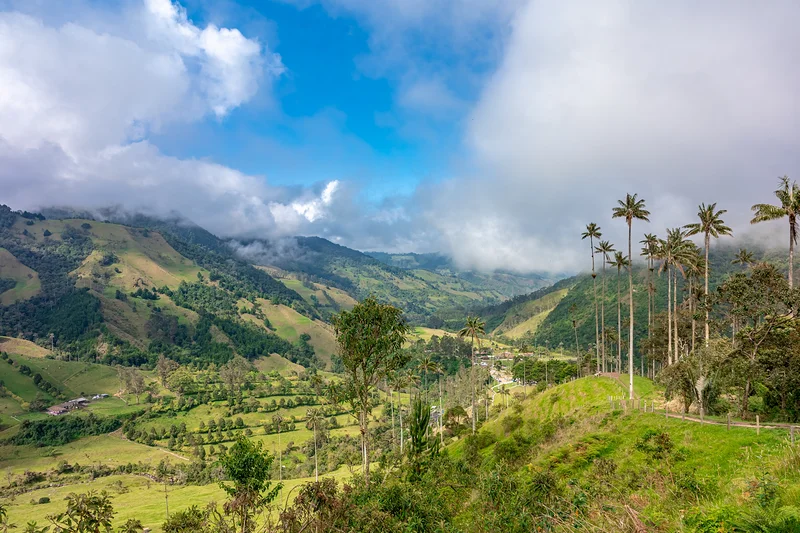
This surreal valley is home to wax palms, the national tree of Colombia, which can live for over 200 years. These solitary giants rise from the high-altitude meadows like wooden totems in a postcard-perfect landscape. The hiking trail winds through several ecosystems, including humid meadows, cloud forests, and high-altitude páramo.
The full 3-mile (5-kilometer) loop takes 3 to 4 hours of walking on trails that can get muddy. The most impressive sections are in the first part of the loop, which is easy enough for casual walkers. Keep an eye on the weather, as bright sun and thick fog can trade places in just a few minutes.
Pro tip: Head out early, around 7 a.m., to beat the crowds and catch the best light for photos. By the afternoon, clouds often roll into the valley.
Deep dive into coffee culture
Fincas cafeteras dot the green hills around the village, offering a chance to dive into the culture of the golden bean. Finca Don Elías and Finca El Ocaso offer full tours from plant to cup, revealing the secrets of selection, roasting, and tasting. These family-run producers share their work with genuine hospitality.
The experience goes beyond a simple tour. You will learn to distinguish the fruity notes of high-altitude Arabica, identify roasting flaws, and prepare coffee using the traditional paisa method. Some fincas even offer multi-day stays for those who want to fully immerse themselves in the life of a coffee farmer.
Pro tip: Book your finca visits directly in the village rather than online. Prices are often better, and you are supporting the local producers directly.
Exploring the colonial village and surroundings
The calle Real is the center of the action, with its multicolored facades and flower-filled balconies that define the paisa style. Every house seems to compete with the next in color, with vermilion red, azure blue, and canary yellow creating a visual symphony. The Our Lady of Carmen Church anchors the main square with its bright white bell tower.
The mirador, reached by a 200-step staircase, offers a view over the Quindío River valley and the tiered plantations. Sunsets from this vantage point turn the landscape into an impressionist painting. Local artisans sell their bamboo and coffee-based creations at the stalls on the main square.
Excursions nearby
The small town of Filandia, a 30-minute bus ride away, has kept its colonial architecture well-preserved. Its cobblestone streets and carved wooden balconies offer an authentic look at traditional life. The Filandia mirador provides a 360-degree view of the coffee triangle.
Armenia and Pereira, the regional capitals, are better for learning about coffee culture in specialized museums and research centers. These larger cities also offer more options for lodging and dining if you are on a tighter budget.
Where to eat and drink in Salento?
Local food celebrates regional products in simple, flavorful dishes. Grilled trucha (trout) served with patacones (fried plantains) and rice is the local staple, found in almost every family-run spot downtown. Arepas paisas stuffed with fresh local cheese are a great low-cost snack for a few thousand pesos.
As for coffee, every shop competes to serve the best beans. Café Jesús Martín roasts its own varieties right in front of you, while Brunch Salento serves up classics in a laid-back setting. You should try the coffee cherry, a drink made from the pulp of the fruit, which is a traditional beverage for local growers.
Where to stay in Salento and the surrounding area?
The town center is packed with colonial houses converted into family-run posadas. These spots usually have 6 to 12 rooms and favor character over luxury, featuring flowered patios and owners who are passionate about the area. Expect to pay 108,000 to 195,000 COP ($25 to $45) for a double room with breakfast.
For a unique experience, look for a stay at a finca cafetera in the hills. These rural stays allow you to live like a producer while enjoying a landscape that’s hard to beat. Finca Villa Nora and Plantation House offer comfortable rooms with views of the plantations.
How to get to and around Salento?
From the airport in Armenia, direct buses reach Salento in 45 minutes for 3,500 COP (about $0.80). Companies like Expreso Alcalá and Taxis Verdes run every 30 minutes. A taxi from the airport costs about 45,000 COP (about $10), but you get to enjoy the coffee scenery during the ride.
The village is small enough to walk across in 15 minutes. To reach Cocora Valley, colorful jeeps leave every hour from the main square (4,000 COP or about $1 round-trip). These off-road vehicles are an attraction in their own right, thanks to their bright paint jobs and, let’s say, spirited driving on the mountain roads.
When to go?
The dry season from December to March and July to August offers the best conditions for hiking in Cocora Valley and visiting the plantations. Avoid October and November, which are the rainiest months when the trails become muddy and slick. The coffee harvest season (October to January) is a great time to see traditional picking, but it unfortunately coincides with the rainy season.