
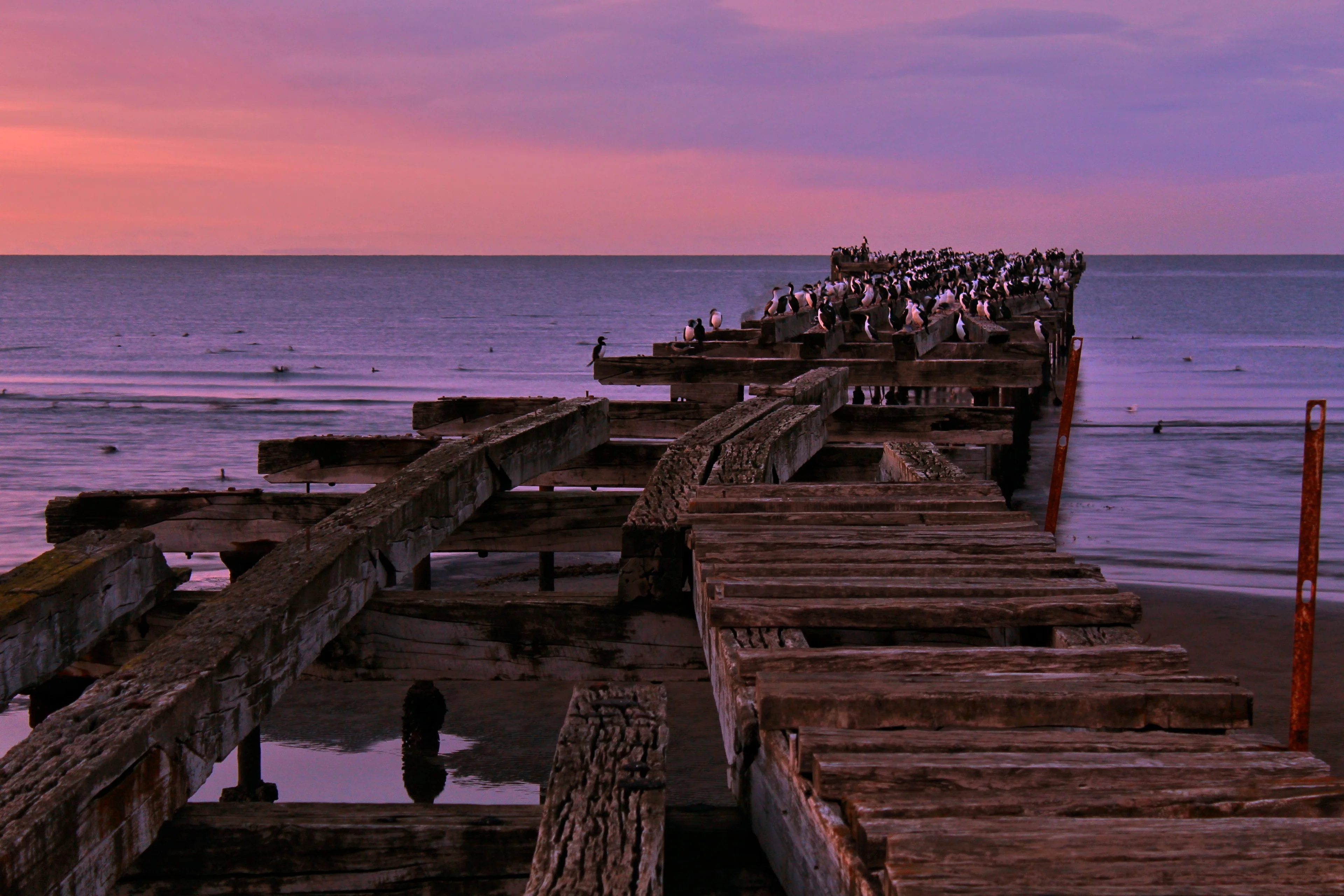
Punta Arenas Travel Guide
You have reached the literal end of the world. For travelers who find comfort in isolation, Punta Arenas is the destination. Located at the southern tip of Chile on the Brunswick Peninsula, this city serves as the primary gateway for exploring the Strait of Magellan.
A history carved in architecture
Often called the capital of Chilean Patagonia, Punta Arenas spent years isolated from global trade routes before the Panama Canal opened. Long before European settlers arrived in the late 19th century lured by the prospect of gold, the region was home to indigenous groups including the Yagan, Ona, Tehuelche, and Alakalouf people, who survived in one of the planet's harshest climates.
Today, the city retains a distinct character. The Plaza de Armas is the heart of the city, framed by grand mansions built during the late 19th and early 20th centuries. At its center stands a statue of explorer Ferdinand Magellan. The Sacred Heart Cathedral, completed in 1901, remains a local landmark. Do not miss the Palais Sara Braun, a neoclassical residence still filled with its original period furniture. For a deeper look at local history, the Blanchard Residence, which houses the Chilean Antarctic Institute, and the Braun Menendez Regional Museum are essential stops. Even the local cemetery is a significant site, filled with elaborate mausoleums belonging to the city's founding families and the grave of the Unknown Indian.
Landscapes at the edge of the world
Once you have finished exploring the city, head to the water. From the Costanera at the port, you can look out across the same channels that challenged early mariners. Local boat operators run cruises through the Strait of Magellan, where you can spot humpback whales in the open water. About 30 kilometers northeast of the city lies the Isla Magdalena National Park. It takes about two hours by boat to reach the island, which is home to a massive colony of Magellanic penguins. Punta Arenas also serves as the departure point for expeditions to Karukinka Park, Cape Horn, Alberto de Agostini National Park, Cabo de Hornos National Park, and the Laguna Parrillar Reserve.
When to go
Do not expect beach weather here. Because of its latitude, the city experiences frequent rain and intense wind gusts year-round. Avoid the period from May to September, when temperatures hover between 0 and 5 degrees Celsius (32 to 41 degrees Fahrenheit). During the rest of the year, temperatures rarely climb above 15 to 20 degrees Celsius (59 to 68 degrees Fahrenheit).
How to get there
The most practical way to reach Punta Arenas is by plane from Santiago, which takes about 4 hours. You can also arrive by bus or car via Ruta 9, though be prepared for a drive of over 3,000 kilometers from the capital.
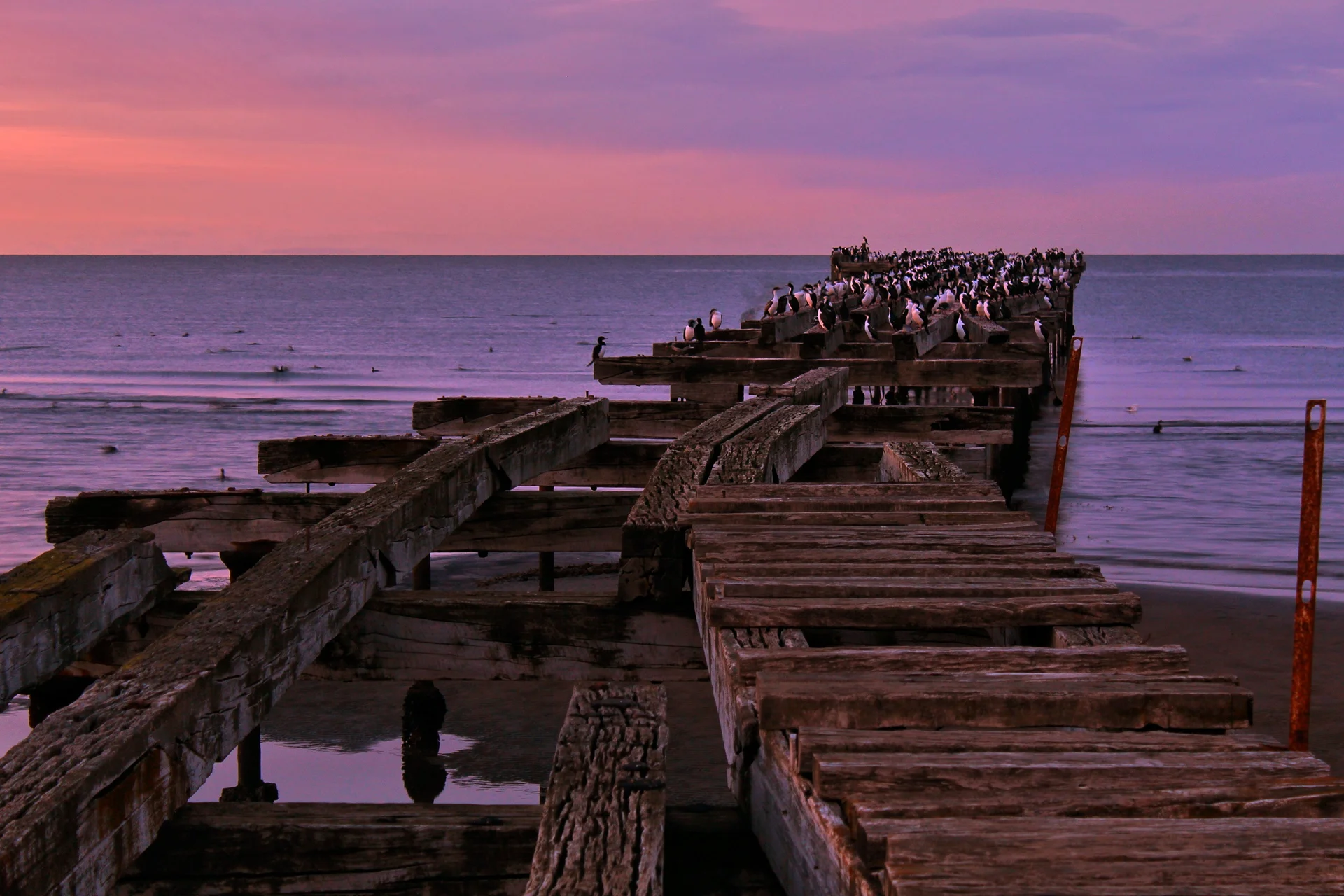
Punta Arenas itself does not have many attractions, other than maybe its duty-free zone and the thrill of knowing you are almost at the end of the world.
Starting from Punta Arenas, there are several natural parks you can visit that are more worth the trip, as well as Fuerte Bulnes, which is worth seeing for its history.