
Rimouski, where the river meets the sea and Quebec slows down
On May 6, 1950, a devastating fire wiped 319 homes off the map of Rimouski in a single night. Longtime residents still refer to the event as la Nuit rouge (the Red Night). The cathedral survived. So did the city.
Today, the city faces a stretch of the Saint Lawrence River so wide it is easily mistaken for the ocean. It sits in the Bas-Saint-Laurent region, where the salt air mingles with dense conifer forests. The city name itself comes from the Mi'kmaq language, meaning either "land of the moose" or "dog house," depending on who you ask. Regardless, wildlife is never far away.
Rimouski: A stopover for nature and maritime history buffs
With a population of 48,000, this isn't a flashy tourist trap. It appeals to those who would rather watch seals at sunrise than stand in line for a monument. Hikers, kayakers, and maritime history enthusiasts find plenty to do here. It is also a solid choice for families, as the visitable submarine at Pointe-au-Père, pebble beaches, and national parks can easily fill a week of vacation.
If you are looking for high-octane nightlife or luxury shopping, keep moving. Rimouski is a francophone provincial town where the pace is set by the tides. English is understood but not always spoken. A car is almost mandatory for exploring the surroundings.
Reasonable costs for Canada
Expect to pay between 90 and 150 CAD (about $65, $110) per night for a decent hotel in the city center. Meals typically run between 15 and 40 CAD (about $11, $29) depending on the establishment. Access to Parc national du Bic costs about 10 CAD (about $7) per adult per day.
Parc national du Bic and the coastal islands
Parc national du Bic is the natural crown jewel of the region. Its capes, bays, and islets shaped by the tides are home to 69 km of hiking trails and 30 km of bike paths. In summer, seals lounge on the rocks at low tide. Sea kayaking is the best way to get close to them without causing a disturbance. In winter, fat-biking and snowshoeing take over.
A 20-minute boat trip from the marina leads to île Saint-Barnabé, offering a timeless escape. Samuel de Champlain named it in 1603, five years before founding Quebec City. Between forest paths, pebble beaches, and sunsets over the river, the island is worth the effort to reach. Rustic campsites are available for overnight stays.
Local tip: Book your campsite at Parc du Bic several weeks in advance, especially for July and August. Sites fill up remarkably fast.
The maritime heritage of Pointe-au-Père
The Site historique maritime de la Pointe-au-Père recounts one of the greatest Canadian maritime tragedies. In 1914, the Empress of Ireland sank in just 14 minutes after a collision in the fog, taking 1,012 passengers with it. The museum displays artifacts recovered from the wreck and details this often-forgotten tragedy, which was largely overshadowed by the Titanic disaster two years earlier.
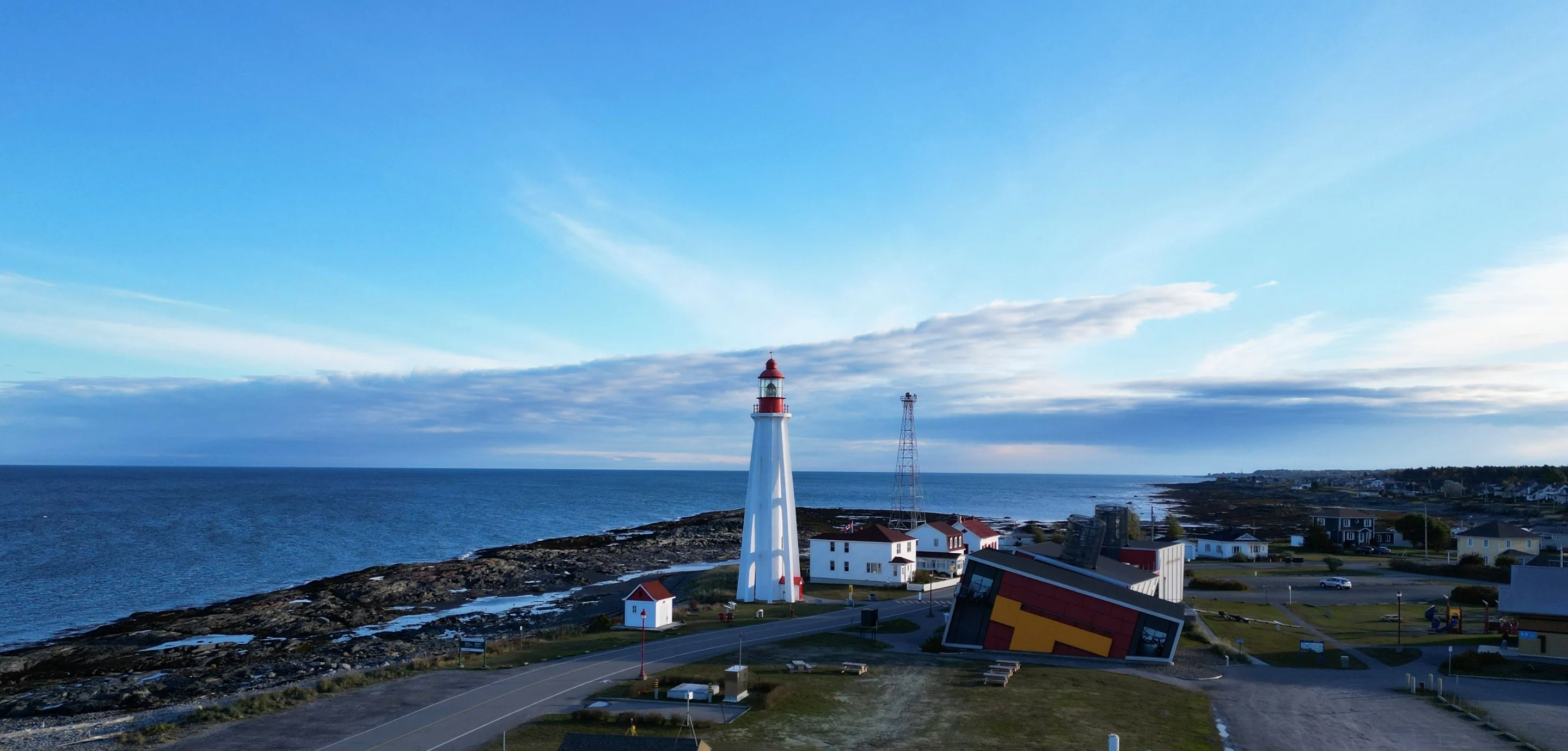
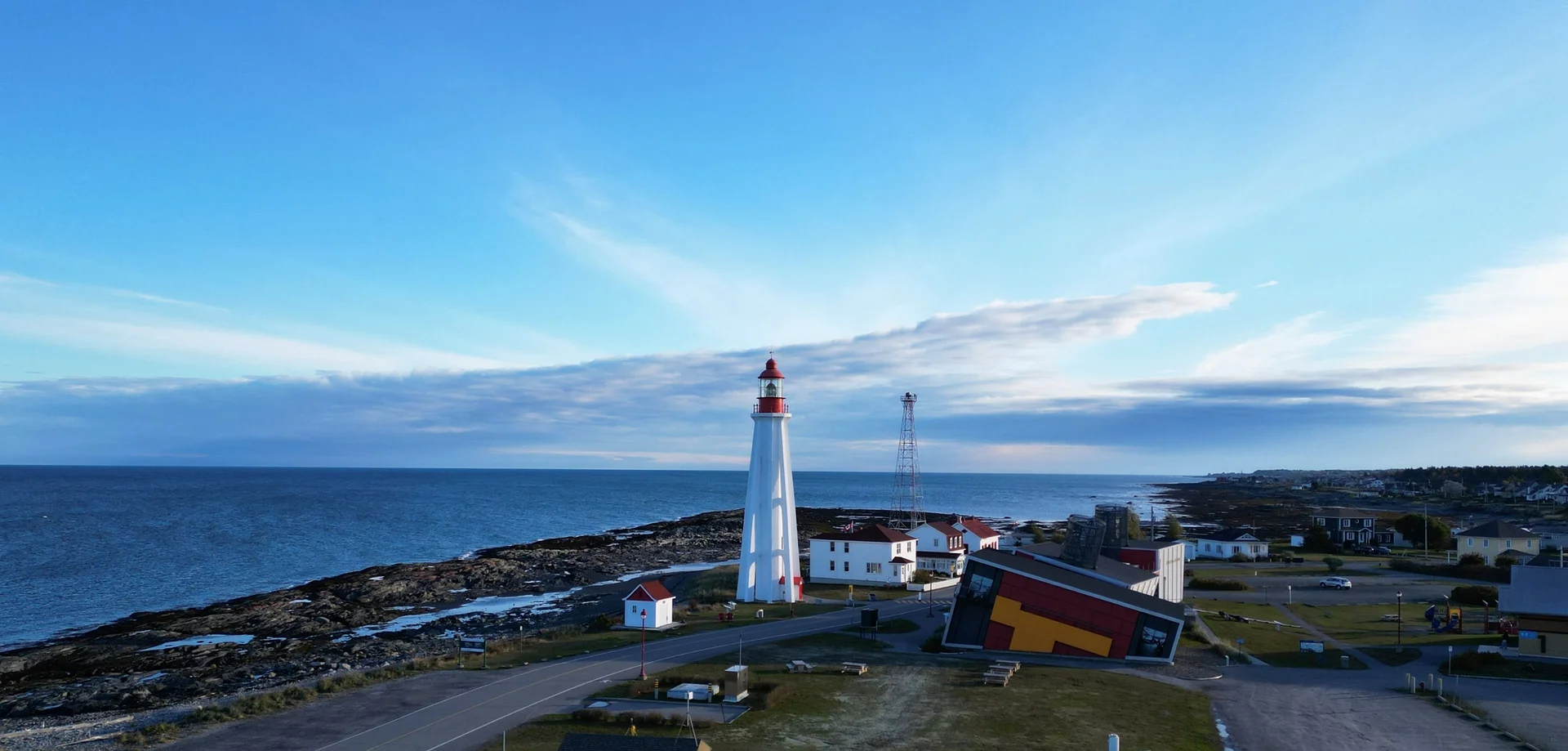
The site also houses the Onondaga, the first Canadian submarine open to the public. The 45-minute audio-guided tour provides a clear look at the daily lives of the 60 men who lived in these cramped quarters for months at a time. The adventurous can even spend a night on board. The 33-meter lighthouse, the second tallest in Canada, rounds out the experience.
Canyon des Portes de l'Enfer and the backcountry
Located 31 km south of the city, the Canyon des Portes de l'Enfer (Hell's Gate Canyon) lives up to its name. The Rimouski River rushes through a gorge 90 meters deep. The 63-meter suspension bridge, the highest in Quebec, offers a dizzying experience for anyone brave enough to cross. Nearly 20 km of trails wind around the canyon, including paths leading to the chute du Grand Sault waterfall, which is particularly impressive in the spring.
Closer to the city center, the Maison Lamontagne dates back to 1750. This timber-framed building is among the oldest in Quebec and serves as a window into the lives of the area's first French settlers.
Cultural life and festivals
Rimouski comes alive during the summer. The Festi Jazz, running since 1986, brings international musicians to town in a relaxed setting. The Grandes Fêtes Telus features large-scale concerts. Throughout the rest of the year, the Théâtre du Bic and the Salle Desjardins-Telus maintain a cultural calendar that is surprisingly robust for a city of this size.
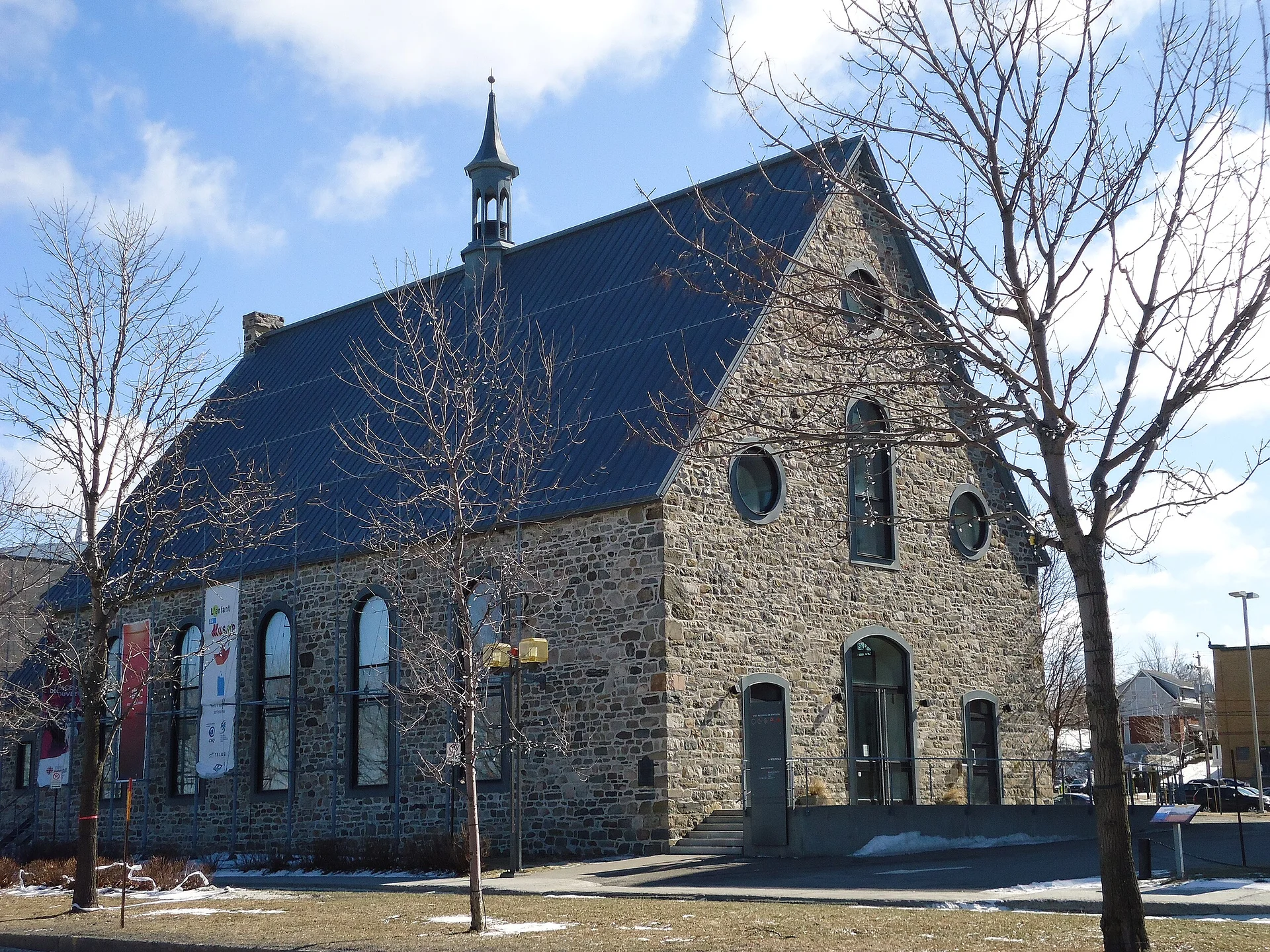
The Musée régional de Rimouski, housed in a former stone church, exhibits contemporary art and local history. Spirits enthusiasts should head to the Distillerie du St-Laurent for a tour and tasting of their award-winning gins.
Where to eat and drink in Rimouski
The local cuisine highlights products from the Saint Lawrence: crab, sea urchins, and edible seaweed. The restaurant Chez St-Pierre, located a few kilometers from the center, offers a gastronomic tour of these local ingredients. Expect to pay between 60 and 100 CAD (about $44, $73) for a full dinner. Reservations are recommended several days in advance.
For a more casual vibe, L'Arlequin on rue Saint-Germain serves regional cuisine in a "bring your own wine" format. With only 20 seats, you must reserve two to three weeks ahead. Les Affamés regularly updates its menu with local flavors, while Le Crêpe Chignon specializes in savory buckwheat Breton galettes. The ice cream shop La Crème Folle, near the cathedral, offers artisanal gelato with inventive flavors.
Where to stay in and around Rimouski
The city center holds the majority of lodging options. The Hôtel Rimouski offers rooms with river views and an attached convention center. The Hôtel Gouverneur and Hôtel Le Navigateur provide good value near the shops. For more character, the Auberge du Mange Grenouille in Le Bic features gardens and hot tubs in a pastoral setting.
Travelers on a tighter budget can find decent motels starting at 70 CAD (about $50) per night along boulevard Saint-Germain. For a truly unique experience, book a night on board the Onondaga submarine.
Getting there and getting around
From Montréal, the drive is about 5 hours via Highway 20 and Route 132, covering 540 km. From Québec City, the trip takes 3 hours for 320 km. The regional airport in Mont-Joli, 30 km away, offers limited connections to Montréal. The Orléans Express bus serves the city several times a day from major Quebec cities.
Once you arrive, a car remains the most practical way to explore the parks and surrounding area. The city center itself is very walkable. The Route Verte provides a network for long-distance cyclists. Free parking is abundant, even in high season.
When to go
Summer, from June to September, offers the best conditions for water sports and festivals. Festi Jazz takes place in August. Autumn brings fall foliage and fewer crowds. Winter, from November to March, is ideal for fat-biking, snowshoeing, and cross-country skiing, though keep in mind that many attractions close for the season.
Rimouski is a really nice city. I was only passing through for one day since I prefer mountains and isolated places for sleeping, but I would go back with pleasure. It has a superb setting (sea and mountains), activities, museums... you won't get bored there, far from it. The city is very young, with many universities focused on science and oceanography. In short, a great vibe and a great place to live.