
Tobermory, where Ontario takes on a Caribbean vibe
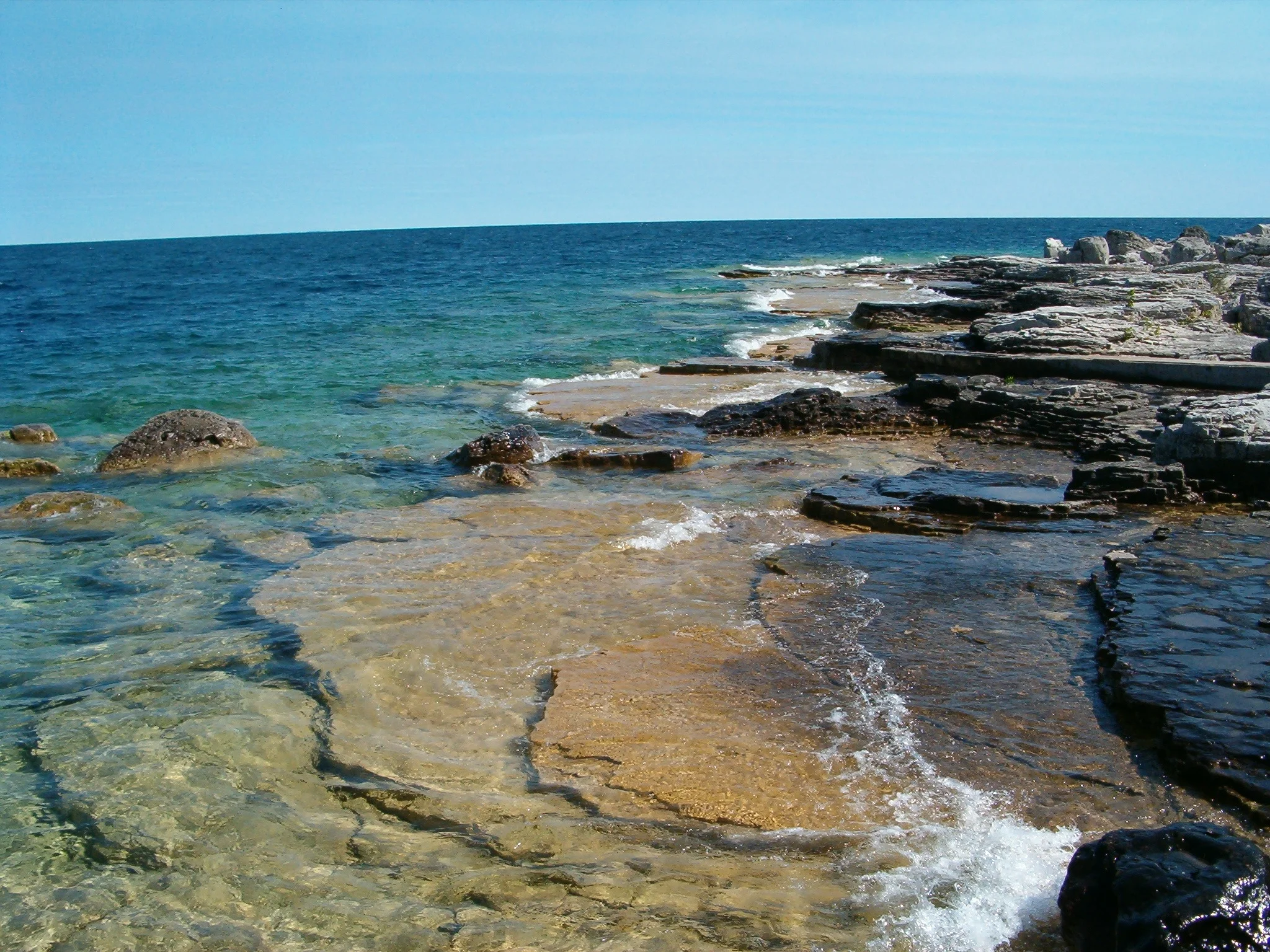
The water is turquoise. Not navy, not the gray-blue you expect from a Canadian lake, but a startling, almost surreal turquoise. That is the first thing you notice arriving in Tobermory, a fishing village perched at the very tip of the Bruce Peninsula, where Lake Huron meets Georgian Bay.
Below the surface, about 20 nineteenth-century shipwrecks rest in water so clear you can see them from the deck of a boat. Tobermory is Canada in its most unexpected form, with underwater ship graveyards, jagged limestone cliffs carved by the elements, and a village of barely 1,500 permanent residents that operates on a seasonal rhythm.
Tobermory, the Ontario end of the world for outdoor lovers
This village is built for those who want to hike, dive, paddle, and sleep under the stars. It is a 100 percent nature-focused destination, without nightlife, high-brow museums, or a sophisticated urban cultural scene. If you are looking for fine dining or shopping, look elsewhere. Tobermory is for those who enjoy lacing up hiking boots at 7 a.m. and ending the day with fish and chips while watching the sunset over the harbor.
The village might disappoint those expecting a classic beach resort. The Georgian Bay water stays cold even in summer, the infrastructure is modest, and the dining scene is limited to about 20 spots. You come here for raw nature, not urban comfort.
A highly seasonal destination, plan well in advance
Tobermory runs on a binary schedule, open from May to October and essentially a ghost town the rest of the year. Most restaurants, shops, and lodges shut down for the winter. In peak season, the village is flooded with visitors from Toronto, and everything must be booked months in advance: parking for the Grotto, cruises to Flowerpot Island, and campsites. Planning ahead is not a luxury here, it is a necessity.
A reasonable budget for Canada
Expect to pay between 140 and 300 CAD (about $100 to $220) per night for a motel or B&B in season, and around 34 CAD (about $25) per night for a campsite at the Cyprus Lake Campground. A restaurant meal costs between 15 and 35 CAD (about $11 to $26) per person, and boat tours to Flowerpot Island run around 45 to 55 CAD (about $33 to $40) per adult. The entry fee for the Bruce Peninsula National Park is 10 CAD (about $7.50) per adult, and free for those under 18.
The Grotto and the national park: a visual shock
Let's start with the attraction that made Tobermory famous on social media. The Grotto is a natural cave carved into the limestone of the Niagara Escarpment, filled with electric-blue water. You reach it after a 30-minute hike from the P1 parking lot, starting at Cyprus Lake. The trail is well-marked and accessible to most walkers, although the rocky terrain requires sturdy shoes.
Right next door, Indian Head Cove offers an equally striking panorama, with cliffs plunging into transparent waters. In good weather, the brave jump from the rocks. The water remains cold, even in the middle of August.
Friendly tip: Parking slots for the Grotto must be booked online via the Parks Canada website in 4-hour blocks. In July and August, they sell out minutes after reservations open. Book 3 to 6 months in advance, or aim for September for a quieter visit with water that is still pleasant enough for a swim.
The rest of the Bruce Peninsula National Park is also worth the detour. The Halfway Log Dump trail, rated as difficult, runs along the Georgian Bay coast with spectacular views of the cliffs and turquoise water. For a gentler stroll, the Singing Sands beach offers a shoreline of fine sand and shallow water, perfect for families.
Shipwrecks and islands: Fathom Five and Flowerpot Island
The Fathom Five National Marine Park is Canada's first national marine park. Its 22 shipwrecks scattered in crystal-clear water make it a world-renowned dive site. You do not need to be a diver to enjoy it, as glass-bottom boat cruises, operated notably by Blue Heron Cruises and Bruce Anchor Cruises, allow you to observe the wreck of the Sweepstakes, a schooner that sank in 1885 in Big Tub Harbour. The wreck looks like it is within arm's reach because the water is so transparent.
Most of these cruises include a stop on Flowerpot Island, famous for its two natural rock pillars shaped like flower pots. The island has hiking trails and a lighthouse, and visitors have a few hours to explore before the return trip. For the more adventurous, it is possible to camp there overnight by booking through Parks Canada.
Friendly tip: Take the first cruise of the morning. The low-angle light makes the wrecks even more visible through the glass bottom, and you will avoid the crowds that arrive mid-day on Flowerpot Island.
The Bruce Trail and peninsula hikes
Tobermory is the northern terminus of the Bruce Trail, the oldest and longest marked hiking trail in Canada. Its 904 km connect Tobermory to Niagara Falls by following the Niagara Escarpment. The cairn marking the northern end is at Little Tub Harbour, right in the center of the village. Even without the ambition to hike its entire length, the first few kilometers offer stunning panoramas of Georgian Bay.
For a half-day hike outside the national park, the Lion's Head Lookout Trail, about a 40-minute drive south, offers 6 km of rocky trail with plunging views of the cliffs and the turquoise waters of the bay. The terrain is rugged in places and suits experienced hikers.
The harbor and village life
Tobermory has two harbors with memorable names: Little Tub Harbour and Big Tub Harbour. The former is the center of village life, with souvenir shops, ice cream parlors, and patios overlooking the boats. There are no chain stores here: everything is local, run by neighborhood families. The second, quieter harbor is home to the Big Tub Lighthouse, built in 1885, which you can reach on foot to watch the sunset over the rocks.
The village itself can be walked in an hour. There are a few craft shops, a supermarket for supplies, and a liquor store. The atmosphere is reminiscent of small ports on the Canadian East Coast, with that blend of quiet and familiarity that fans of Ontario cottage vacations love.
For nature and botany enthusiasts, the Bruce Peninsula is home to over 40 species of wild orchids, observable between late May and early July. The yellow Lady's Slipper and the Calypso orchids on Flowerpot Island are among the most notable.
Where to eat and drink in Tobermory?
The Tobermory culinary scene is honest, unpretentious, and focused on regional products. Fish and chips are king here, and almost every restaurant offers its own version. At Shipwreck Lee's, you eat at picnic tables in a committed pirate decor: portions are generous, the fish is fresh, and the family atmosphere is guaranteed. For a more relaxed meal with a view of the harbor, the Tobermory Brewing Company & Grill serves solid pub food accompanied by beers brewed on-site, including the Bruce Trail Blonde Ale, to be sipped on the patio facing the water.
The street food scene is worth a detour. Tacomory, a food truck parked on Highway 6 at the entrance to the village, offers tacos, burritos, and nachos prepared with care. Las Chulas, run by a Mexican chef who cooks family recipes, is one of the few places open for breakfast, with reliable gluten-free options. For dessert, Stella's Gelato & Café serves artisanal ice cream with original flavors like pink grapefruit and pepper or lemon basil.
Breakfast remains the hardest meal to find in Tobermory. Pharos, located in the Tobermory Princess Hotel, serves Greek-Canadian food and opens at 8 a.m. Arrive early: the dining room fills up in less than an hour.
Where to sleep in and around Tobermory?
The accommodation scene matches the village: modest but functional. You will mainly find motels, B&Bs, and cottage rentals. There are no luxury hotels here. The Bruce Anchor Motel, right in the center, is a practical choice for those booking a cruise with the company of the same name. The Escarpment Heights Motel offers a good location with free parking and electric vehicle charging stations. For a more intimate stay, the Stone Cove Waterfront B&B offers rooms with a view of Georgian Bay and a made-to-order breakfast.
Camping at Cyprus Lake, within the national park, is the most immersive option. The site has 232 spots and 10 yurts. Reservations open in bulk in early February for the entire season and summer dates sell out very quickly. For tighter budgets or last-minute travelers, options also exist along Highway 6 between Owen Sound and Tobermory, with less crowded cottages and campgrounds.
How to get to and around Tobermory?
The car is the most practical and almost essential mode of transport. From Toronto, expect about 4 hours of driving via Highway 10 and then Highway 6, which cuts across the entire Bruce Peninsula in a straight line. From Ottawa, the trip takes about 7.5 hours. There is no regular train or bus line, but the company Parkbus offers a seasonal shuttle service from Toronto to Tobermory and the national park, an excellent alternative for those without a car.
For international travelers, the closest airport is Toronto Pearson. Once in Toronto, car rental is the easiest solution to reach Tobermory.
Once you are there, everything in the village is walkable. For the national park and the Grotto, a car is necessary. Parking is paid and regulated between May and October, both in the village and in the park. Remember to book your parking slots online in advance. The crossing to Manitoulin Island is done with the MS Chi-Cheemaun ferry, which operates from May to the end of October. The crossing takes about 1 hour and 45 minutes, and reservations are mandatory.
When to go?
The ideal window extends from mid-June to mid-September, with average temperatures around 20-23°C (68-73°F) in July. September offers an excellent compromise: the summer crowds dissipate, the water remains swimmable, and the fall colors begin to appear. May and early June will appeal to fans of wild orchids and quiet hiking. Avoid November to April: almost all shops and attractions are closed, and the weather makes exploration difficult.
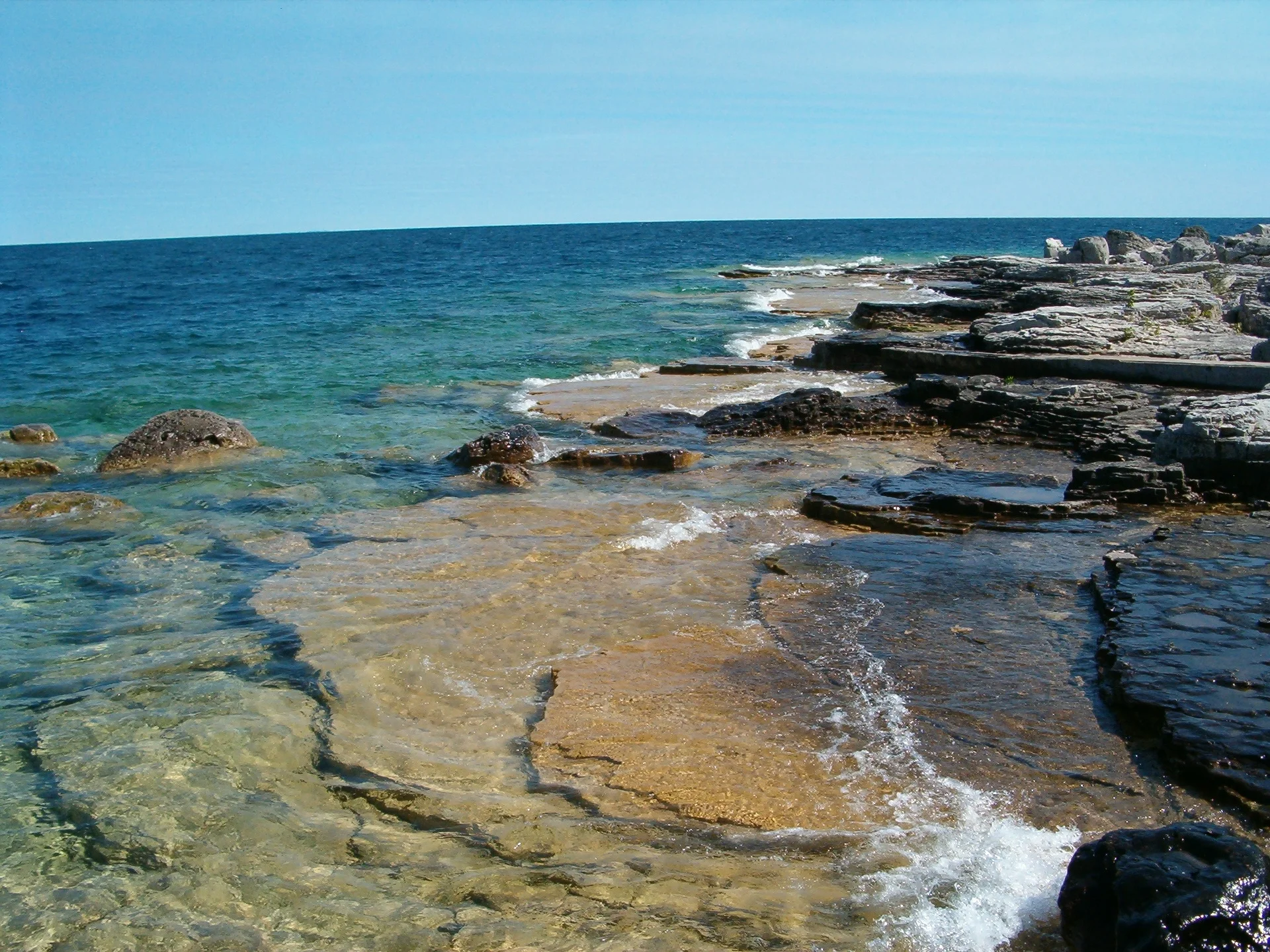
The main gateway to Manitoulin Island, Tobermory is a really beautiful village on the edge of Lake Huron. You can walk around the whole village pretty quickly, but the place offers some great activities. For example, you can enjoy some delicious fish and chips with a view of the lake. You can walk along the waterfront, soaking up the sun and eating an ice cream. I was lucky enough to have a delicious local fish dinner while watching the sunset. It was magical!