Visiting Bamako, between African modernity and living traditions
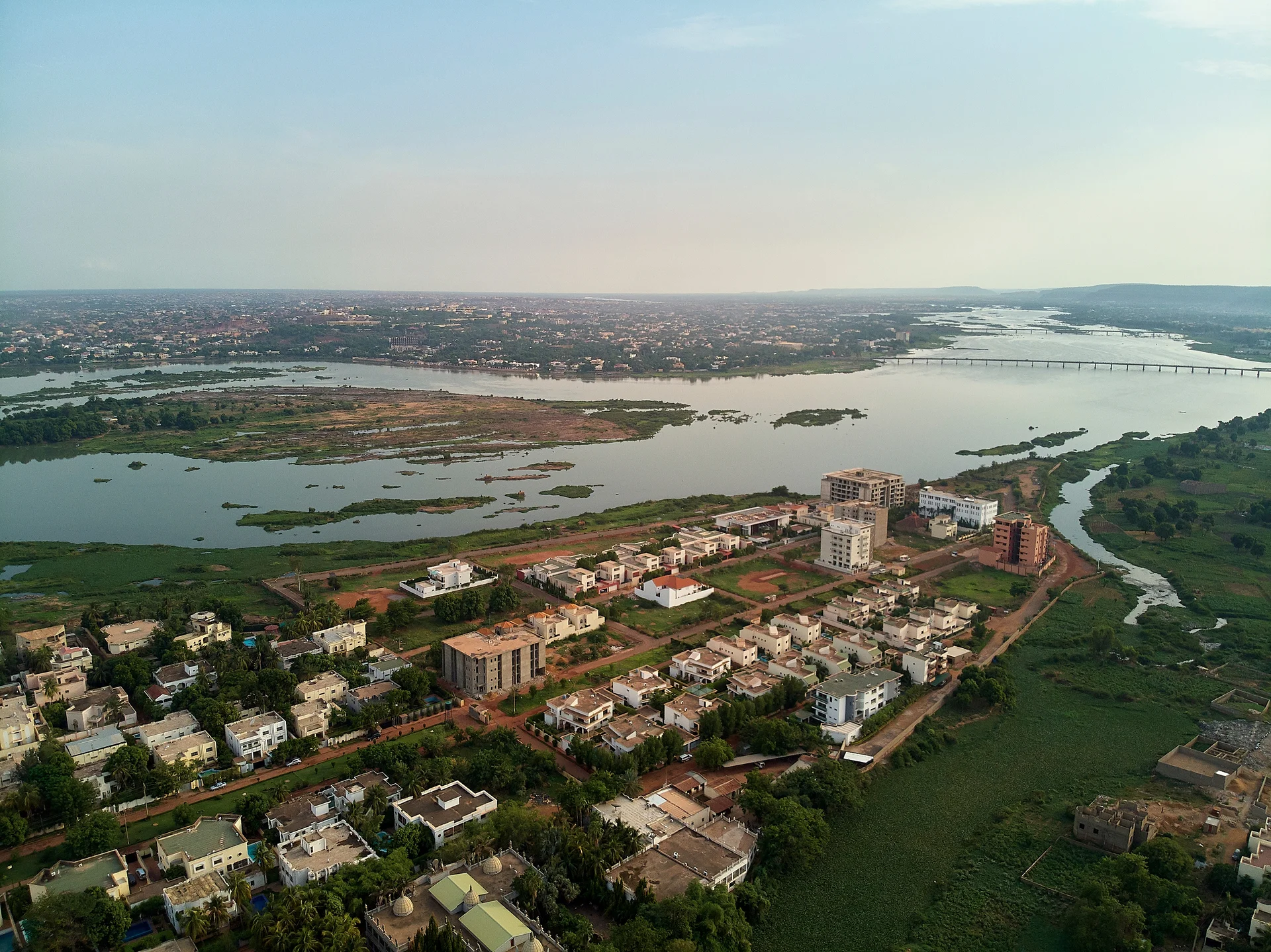
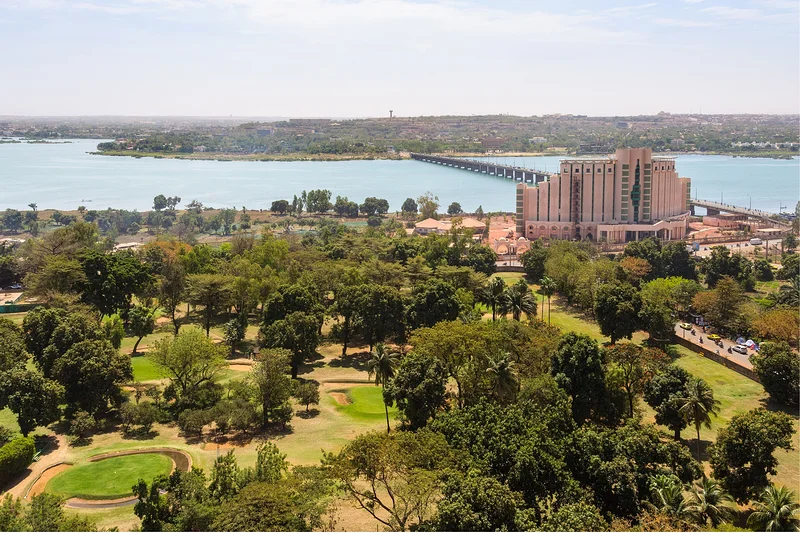
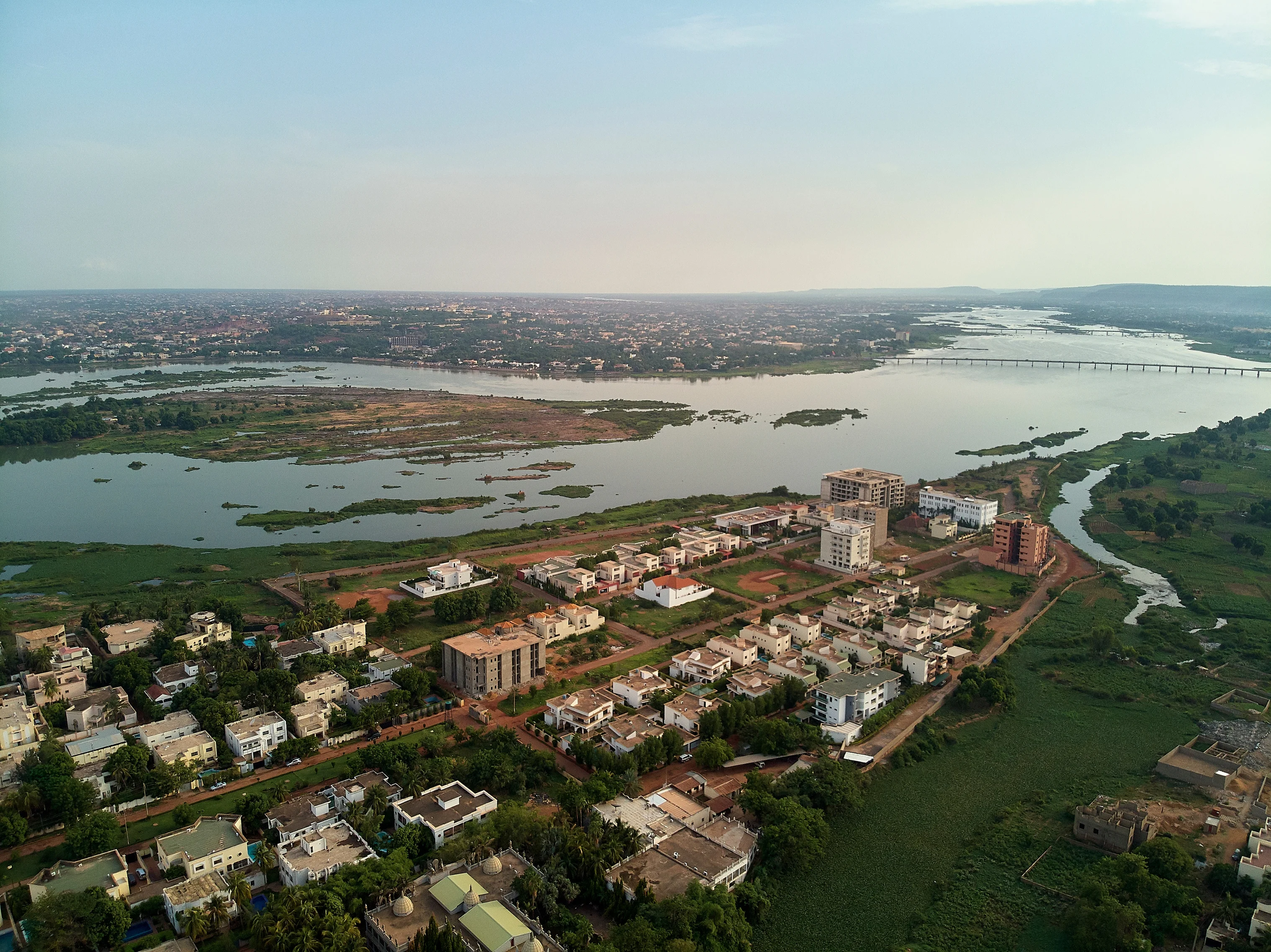
As the capital of Mali, Bamako is a city in full expansion where urban energy meets deep cultural heritage. If you are planning a trip to the country, this metropolis serves as a compelling starting point to experience the contrasts of daily Malian life.
Museums and cultural heritage
The National Museum of Mali is the primary stop for understanding the history and cultures of the country. It houses extensive collections of ethnographic objects, textiles, and African art. The museum is set within a wooded park, providing a pleasant, quiet space for a walk.
Green spaces and relaxation
The National Park of Mali, located right next to the museum, is a favorite local spot for downtime. It features landscaped gardens, playgrounds, and a small zoo. It is an ideal place for a quiet break from the city noise.
Local life and markets
The Bamako market is a high-energy hub where you can watch the daily rhythm of the city. You will find stalls packed with fruits, vegetables, textiles, and local handicrafts. It is the best place to get a real feel for the city's atmosphere.
Panoramas and viewpoints
The Point G neighborhood sits on a hill overlooking the city. While access can be restricted at times, the vantage point offers a clear view of Bamako's layout and the sweeping curve of the Niger River.
A note on traveler safety
Like the rest of the country, the security situation in Bamako is unstable due to terrorism and political tensions. It is essential to consult official government travel advisories, such as those from the U.S. Department of State, before finalizing any travel plans to the region.
Simple and flavorful cuisine
The food scene in Bamako leans on traditional staples like mafé (a rich stew made with peanut paste) and riz au gras (rice cooked with vegetables and meat). Local drinks include bissap juice (made from hibiscus flowers) and ginger juice, both highly prized for their refreshing qualities.
Where to eat?
- Chez Thierry (Hamdallaye): A restaurant serving a mix of French and African dishes in a comfortable setting.
- Le Loft (ACI 2000): An establishment with a diverse menu, ranging from local specialties to international staples.
- Soukhothai by Siam (Hippodrome): A Thai restaurant known for its authentic flavor profiles.
- Bistro Restaurant Bafing (Quartier du fleuve): Simple African cooking that is a staple with the local crowd.
Where to stay?
- Radisson Collection Hotel Bamako (ACI 2000): A 5-star hotel offering reliable comfort and high-quality service.
- Au bord de l'eau (Quartier du fleuve): Lodging valued for its quiet location and direct views of the river.
- Le Baobab (Badalabougou): A hotel that balances cost and comfort with a welcoming atmosphere.
- GRANADA l'Amitié (City center): A centrally located property with modern facilities and solid amenities.
When to go?
The most comfortable time to visit Bamako is from November to February. This period falls during the dry season, offering milder temperatures that make exploring the city much more manageable than during the peak heat of the year.
Getting there
Bamako-Sénou International Airport is served by several airlines from Europe, though flights generally require at least one connection. Prices fluctuate based on the season, so it is worth comparing options well in advance to secure the best fare.
Getting around
You can get around Bamako using taxis, moto-taxis, or the SOTRAMA (the recognizable green minibuses). Always agree on the fare before starting your trip, and remain cautious regarding your surroundings, especially by avoiding travel after dark.