Visiting Mali: Millennial Heritage and Real-World Challenges
Mali is one of West Africa's most historically significant countries, a vast Sahelian nation where ancient cities, cliff-dwelling villages, and centuries-old manuscripts tell a story that stretches back long before European contact. That history is genuinely extraordinary. The security situation, however, is not something to take lightly, and any trip here requires serious preparation and a clear-eyed look at current conditions.
Architectural Treasures and Historic Sites
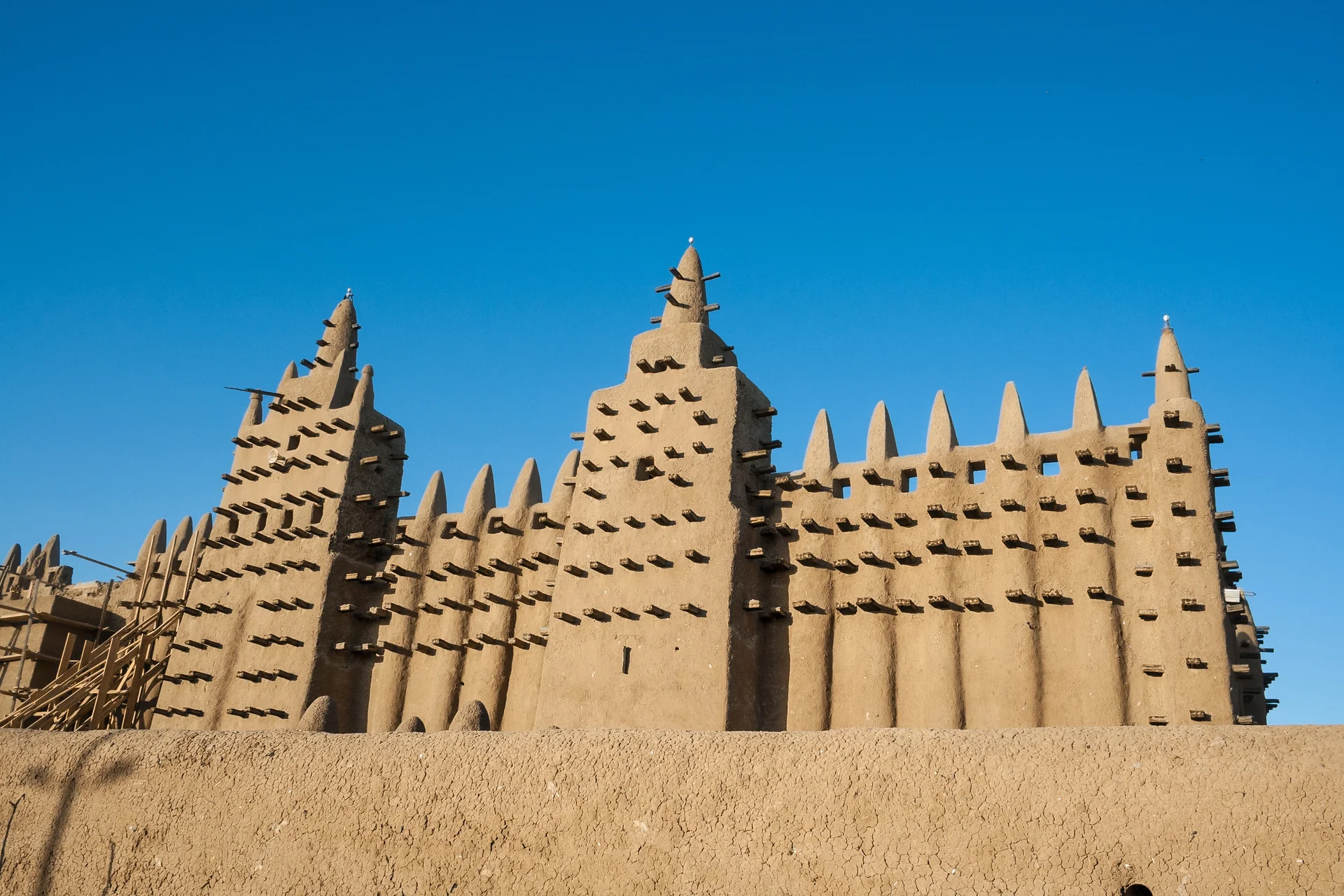
Mali has several UNESCO World Heritage Sites that put it on the map for history travelers. The Great Mosque of Djenné, built entirely from mud brick, is one of the finest examples of Sudano-Sahelian architecture anywhere in the world. The Tomb of Askia in Gao stands as a reminder of the Songhai Empire's reach and power. And then there's Timbuktu, once a major center of Islamic scholarship, which still holds ancient manuscripts of enormous historical value. These aren't just ruins on a map; they're places where you feel the weight of what happened here.
Landscapes and Living Cultures
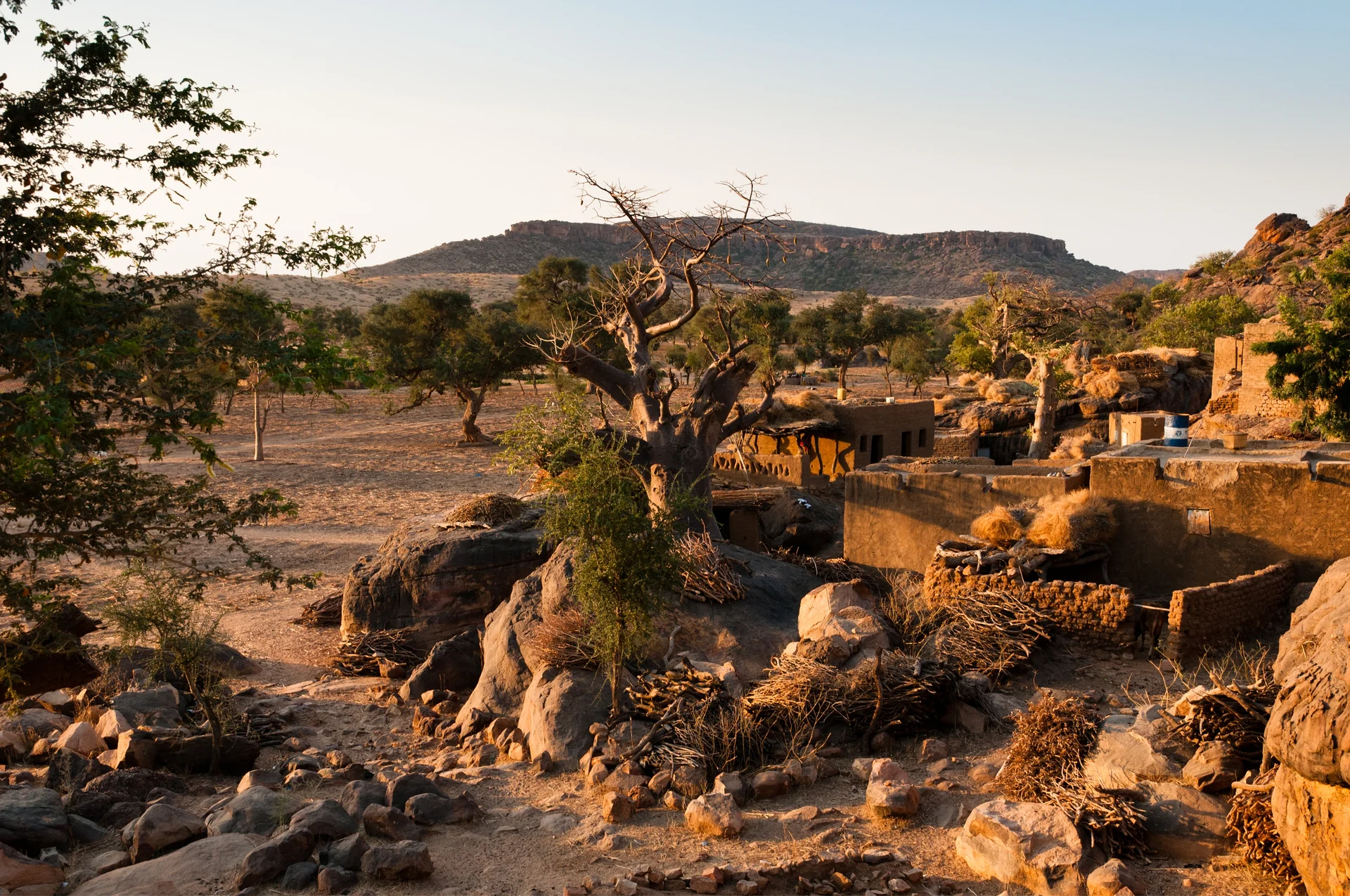
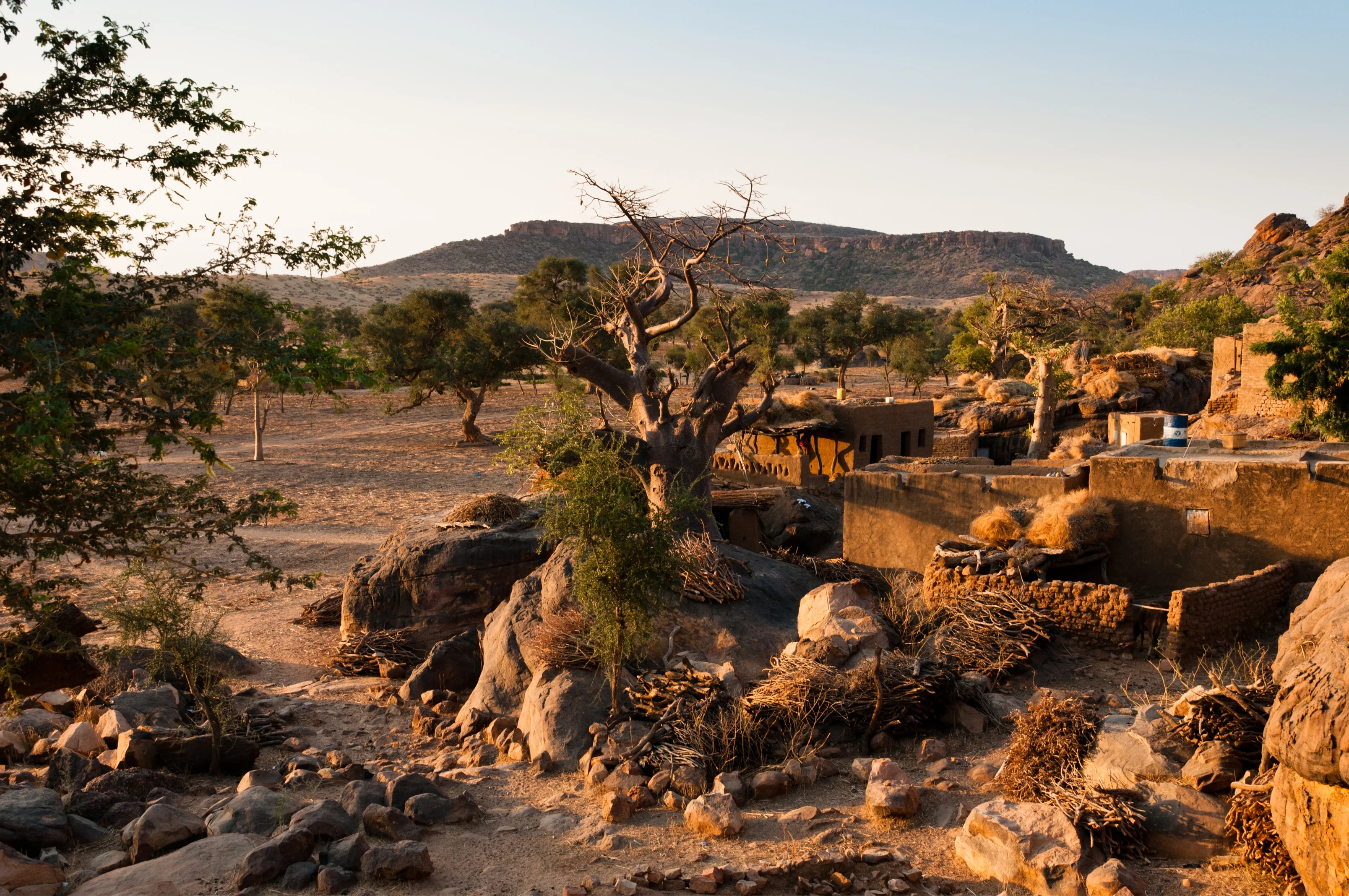
The Bandiagara Escarpment in Dogon Country offers dramatic cliff scenery and villages built directly into the rock face, some of them occupied for centuries. The region is equally known for its distinct cultural traditions. In Bamako, the National Park of Mali offers a more accessible introduction to local biodiversity, with botanical gardens and a zoo on site.
Music: Mali's Defining Art Form
Mali has produced some of Africa's most celebrated musicians, and its musical traditions run deep. Griots, hereditary musicians and oral historians, have kept stories and values alive across generations through song and performance. If you know West African music at all, there's a good chance the artist traces roots here. The Festival in the Desert has celebrated this culture on an international stage, though several events have been suspended due to the security situation.
Is It Safe to Travel to Mali? What You Need to Know
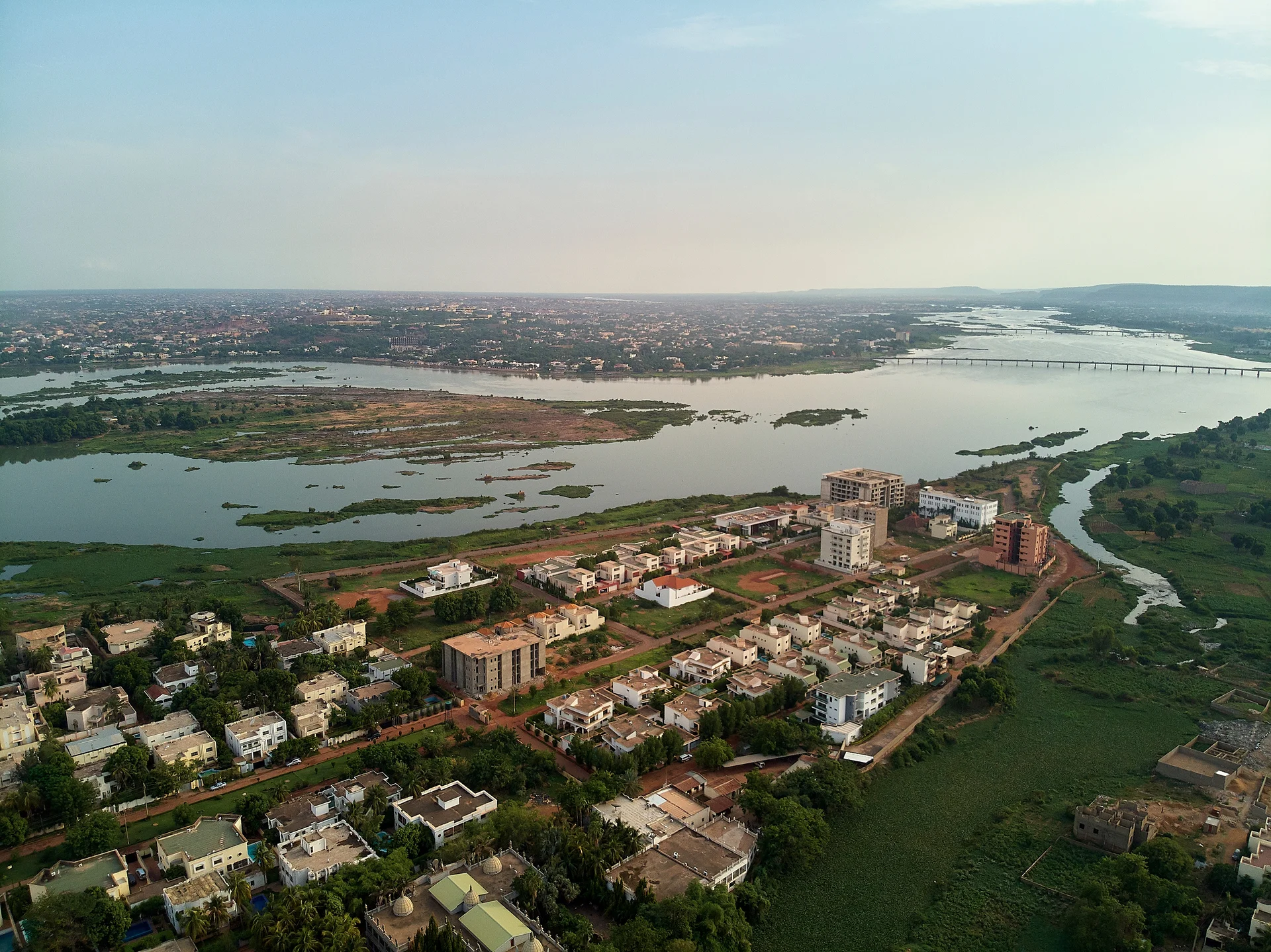
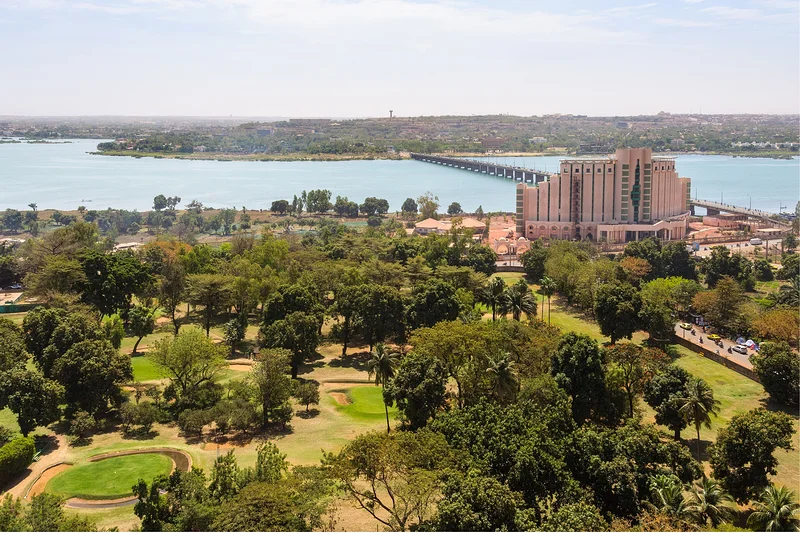
The short answer: the U.S. State Department currently advises Americans not to travel to Mali, citing a high threat of terrorism, kidnapping, and violent crime. This is a Level 4 advisory, the same level applied to active conflict zones. Even Bamako, the capital, is not considered safe. A September 2024 attack there was claimed by an Al-Qaeda-affiliated group.
On the ground, travel is complicated further by frequent roadblocks and security checkpoints throughout the country. Before making any plans, check the latest guidance from the U.S. State Department's travel advisory page and register with the Smart Traveler Enrollment Program (STEP) if you do decide to go.
Malian Food: Grain-Based, Sauce-Driven, and Worth Knowing
Malian cooking centers on grains paired with deeply flavored sauces. Maféo, a peanut-based sauce typically served over rice, is probably the dish most visitors encounter first. Tô, a thick paste made from millet or corn, comes with a range of sauces including okra-based preparations. On the drink side, dableni (hibiscus flower juice, similar to what you might know as hibiscus agua fresca) and gnamankoudji (fresh ginger juice) are popular for good reason, especially in the heat.
Best Time to Go
If you do travel, November through February is the window to target. Temperatures drop to more manageable levels and rainfall is minimal. This period also lines up with cultural events like the Festival of Masks in Markala and the Festival of Horses in Ségou, both of which offer a real look at local traditions.
Getting There
The main entry point is Bamako's international airport, served by a handful of carriers with connections through Europe. Direct flights from the US don't exist; you'll be connecting at least once. Round-trip fares generally run between 650,000 and 950,000 XOF (roughly $1,050 to $1,550), with total travel times of around 12 to 16 hours depending on your layover.
Getting Around
Most travel within Mali happens by road, but conditions are rough: poor road quality and frequent security checkpoints slow things down considerably. Night travel is strongly discouraged. Public transportation options are limited, and hiring a vehicle with a local driver is the safer and more practical choice for getting between destinations.