Visiting Kenya: Where the World Feels Like It's Just Beginning
Picture this: you're sitting in a 4x4 at dawn, the savanna turning gold around you, the air smelling of red earth still cool from the night. Somewhere out there, a fish eagle calls. Nothing in your life has prepared you for this.
Kenya is not a safari postcard. It's a gut-level experience, a return to something fundamental that shakes you, amazes you, and stays with you long after you're home. Every dusty track leads somewhere unexpected, whether that's a lion stretched out in the shade or a Maasai warrior fixing you with a gaze that makes you feel like the tourist you are, in the best possible way.

Is Kenya the Right Trip for You?
Let's be straight: Kenya is not always an easy destination. If you're patient, adaptable, and raw nature excites you more than a five-star spa, then yes, this country will deliver. If your idea of a great trip is a perfectly choreographed itinerary and spotless hotel rooms, you may come away frustrated.
You need to be ready for long hours on rough, corrugated tracks to catch the spectacle of the Great Migration, for 5 a.m. wake-up calls on the chance a leopard is in the area, for disconnecting from everything just to reconnect with what actually matters. This is a destination for people who want to feel something real.
On the flip side, "Kenya time" is absolutely a real thing. Dust gets into everything. And the social contrasts, especially in a city like Nairobi, can be jarring. This is genuine adventure travel, with all the beauty and chaos that implies. If you want a sanitized beach resort with zero surprises, this isn't your trip.
Wildlife: Way Beyond Checking Off the Big Five

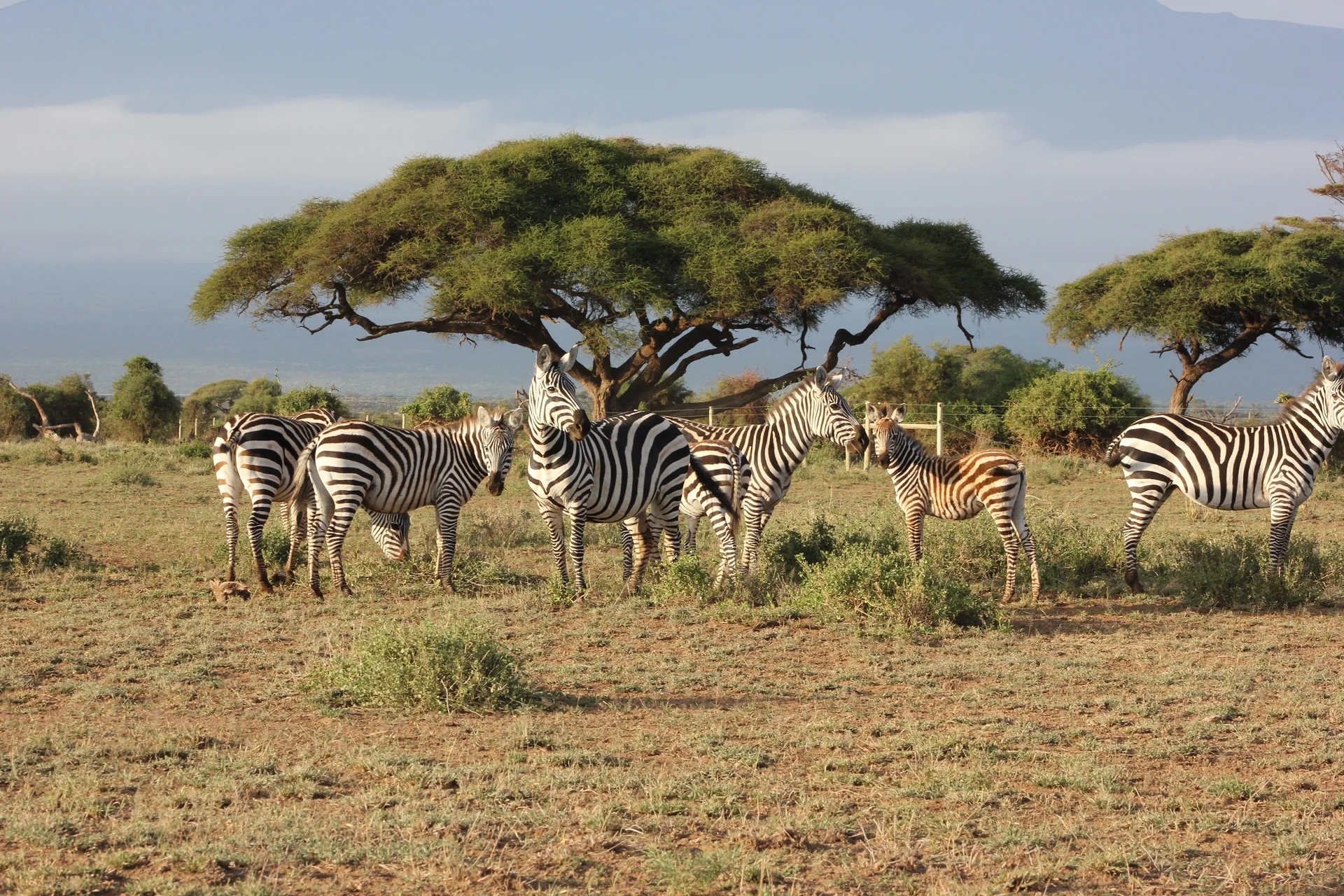
Yes, the safari is the main event. But forget the idea of ticking animals off a list. The real experience is something else entirely: the silent wait with binoculars raised, the sharp intake of breath when a family of elephants crosses the track ten feet from your vehicle. The Masai Mara National Reserve is legendary for good reason, particularly from July through October during the Great Migration, when hundreds of thousands of wildebeest and zebras cross the Mara River while crocodiles wait below. It's the kind of raw natural drama you can't fake and won't forget.
But don't stop at the Mara. Amboseli National Park gives you one of Africa's most iconic images: elephant herds moving across an open plain with Kilimanjaro rising behind them. At Tsavo, the earth runs deep ochre-red, and the elephants that roll in it look like they belong to another era. Each park has its own character, its own light, its own mood.
Pro tip: book a private driver-guide or go with a small group. A good guide's knowledge of animal behavior, sharp eyes, and storytelling will turn your game drive from a photo op into a genuine education. It's the single best investment you'll make on this trip.
The Great Rift Valley: Where Human History Begins

Kenya sits at the cradle of human civilization, and the Great Rift Valley is where that story feels most real. This massive geological fracture running through the continent created a chain of volcanic lakes with landscapes unlike anything else on earth. Lake Naivasha is a welcome change of pace: you can take a boat out among hippos and spot hundreds of bird species. A walking safari on Crescent Island, where giraffes and zebras roam freely around you with no fences, is one of those moments you'll keep coming back to in your head.
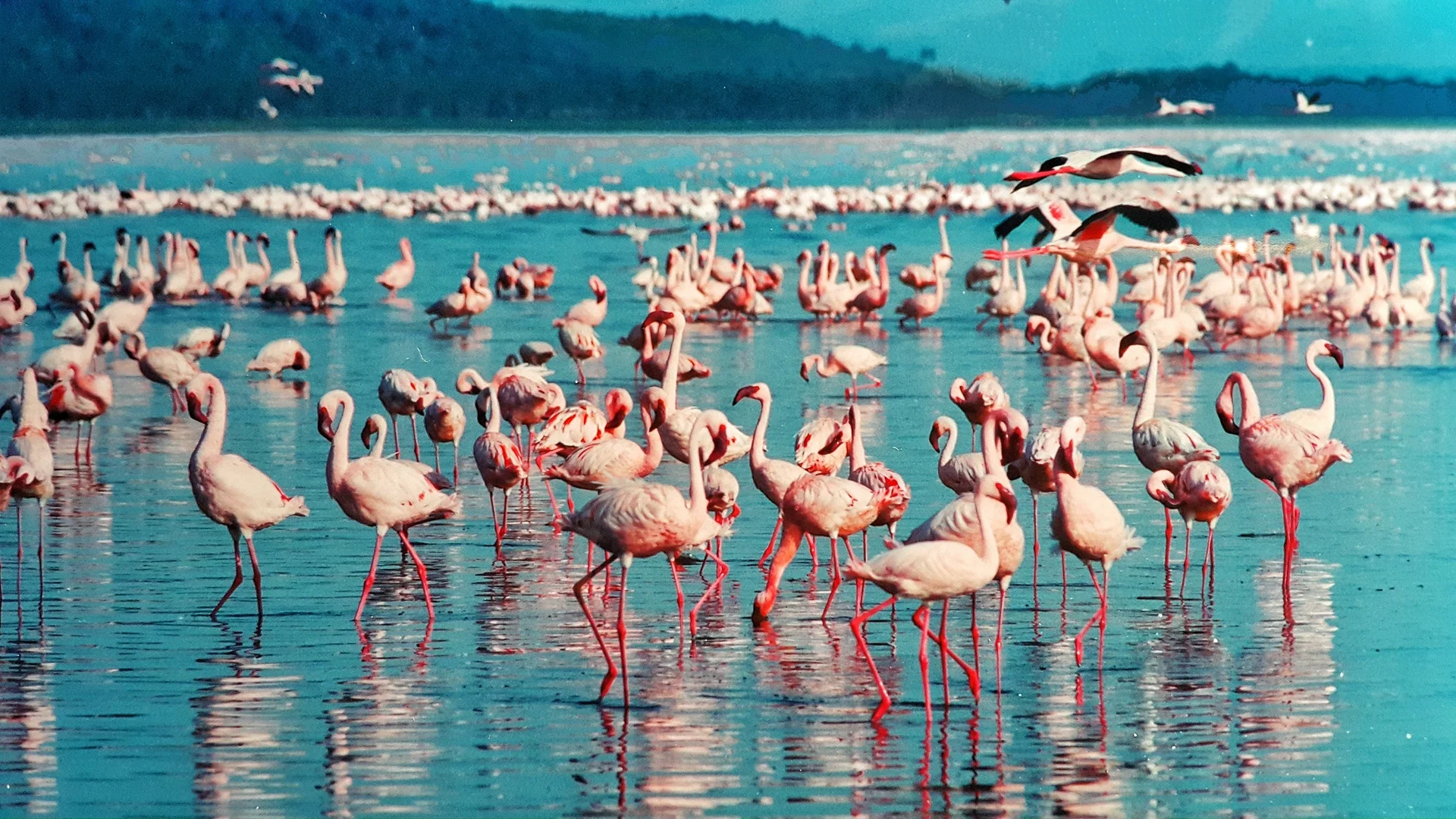
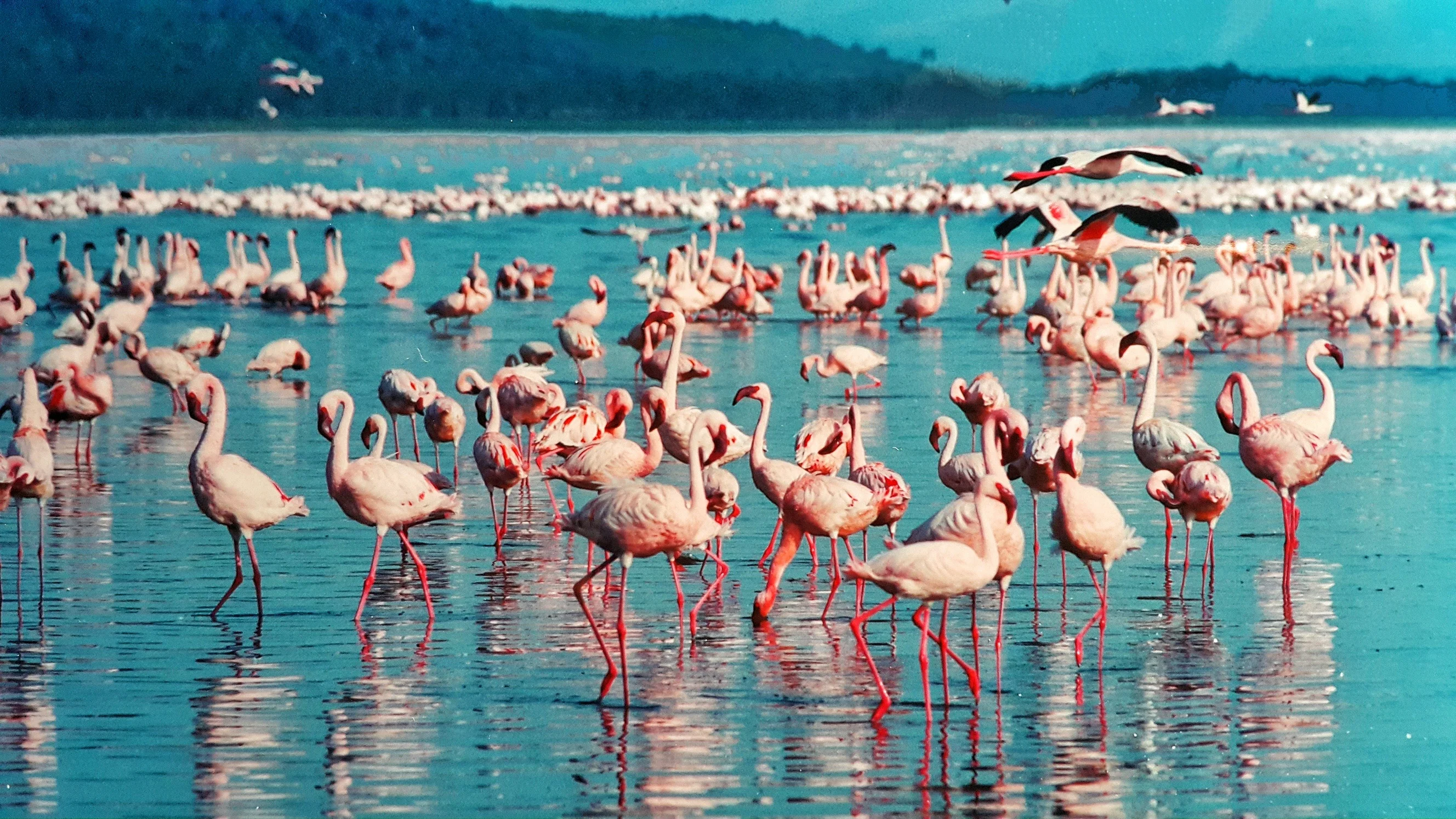
Further north, Lake Nakuru is known for its flamingos, which paint the shoreline pink, and for being a protected sanctuary for both black and white rhinos. Watching a rhino graze at close range is a rare privilege, given how close these animals came to extinction. The whole Rift Valley region offers a different rhythm from the savanna, slower, more aquatic, and just as compelling.
The Swahili Coast: A Completely Different Kenya

After days on dusty game tracks, hitting the Indian Ocean coast is a total reset. The air is warm and humid, carrying the scent of spices and frangipani. The pace slows down, shaped by centuries of Arab and Indian trade influence. Lamu Island, a UNESCO World Heritage Site, is a genuine step back in time: no cars, just donkeys and narrow alleyways where life moves at the pace of the traditional wooden dhows in the harbor.
For a more classic beach experience, Diani Beach consistently ranks among the finest beaches in Africa. The sand is powdery white, the lagoon is turquoise, and it's a legitimate place to decompress. But even here, there's plenty to do: kitesurf the Indian Ocean swells, dive the coral reefs, or visit the sacred Kaya Kinondo Forest, a protected coastal forest with deep cultural significance to the local Digo people.
Meeting Kenyans: The Core of the Trip

No trip to Kenya is complete without talking about its people. A visit to a Maasai community is often a highlight, but it can also slide quickly into tourist theater. Seek out authentic village visits arranged through responsible lodges, where the exchange is real and mutual. Seeing the Maasai's fierce pride in their land and traditions, and the way those traditions have survived enormous pressure, is genuinely humbling.
But Kenya is far more than the Maasai. It's the energy of Nairobi's markets, the kids waving from the roadside, the passionate conversations over a cold Tusker beer with your guide at the end of a long day. Kenyans have a resilience and warmth that's hard to describe until you've experienced it. Come in open, curious, and smiling, and people will meet you more than halfway.
Pro tip: learn a few words of Swahili before you go. A simple "Jambo" (hello), "Asante sana" (thank you very much), or "Pole pole" (slowly, take it easy) will get you genuine smiles and signals that you actually care about where you are.
Kenyan Food: Honest, Filling, and Surprisingly Good

Kenyan cuisine is a lot like the country itself: straightforward, substantial, and shared. The national staple is ugali, a thick cornmeal porridge similar to polenta that accompanies nearly every stew or sauce-based dish. The other institution is Nyama Choma, goat or beef grilled over charcoal. It's more than a meal; it's a weekend social ritual, the Kenyan equivalent of a backyard barbecue.
You'll also come across sukuma wiki, a sautéed leafy green similar to collard greens cooked with onions, and chapatis, a legacy of Indian influence that shows up everywhere along the coast. And don't skip the tropical fruit: mangoes, pineapple, passion fruit, all sun-ripened and genuinely delicious in a way that supermarket versions back home can't touch.
When to Go to Kenya
Timing matters, especially for safaris. Kenya has two dry seasons, which are the best windows for wildlife viewing: January through March, and June through October. The latter is the most popular because it overlaps with the Great Migration in the Masai Mara.
There are two rainy seasons worth knowing about. The "long rains" run from April through May, when many park tracks can become impassable. The "short rains" hit in November and December, less intense but still capable of disrupting game drives. Traveling in the shoulder or "green" season has real upsides: lush landscapes, far fewer visitors, and lower rates across the board. The tradeoff is unpredictable weather.
Getting to Kenya
Flying is the standard way in from the US. The main entry point is Jomo Kenyatta International Airport (NBO) in Nairobi, served by multiple international carriers with direct or one-stop connections. If your trip is focused on the coast, Moi International Airport (MBA) in Mombasa is worth considering as an alternative arrival point.
Getting Around Kenya
- For safaris and long distances: a 4x4 with a driver-guide is the standard, and for good reason. It's the safest, most comfortable, and most rewarding way to explore the national parks. Major roads between cities are generally paved, but tracks inside the reserves are often rough and require high clearance.
- To save time: for travel between distant parks, or between Nairobi and the coast, domestic flights are an excellent option. Airlines like Safarilink and AirKenya operate small prop planes (think Cessnas) that land on dirt airstrips right inside the reserves. The flight itself is an experience.
- For the adventurous: matatus, the local minibuses, are the cheapest and most chaotic way to get around. It's total immersion in everyday Kenyan life, but best kept to short urban hops and light-packing situations.
- For the Nairobi-Mombasa run: the Madaraka Express train connects the two cities in around six hours. It's modern, comfortable, and a solid alternative to flying or taking a bus on that particular route.