
Visiting Sharm el-Sheikh, the Sinai Peninsula's seaside retreat
Located on the strategic Sinai Peninsula, Sharm el-Sheikh has evolved into a purpose-built resort town. Travelers seeking an unfiltered, authentic look at Egypt may find the experience a bit sanitized.
In a country that is often intense and high-energy, this stop offers a familiar, Western-leaning pace. The natural environment is the main draw of this former fishing village, which still maintains an active port despite commercial shipping restrictions. With pristine beaches, the crystal-clear waters of the Red Sea, and world-class marine life, the setting is hard to beat.
A tourism-focused center
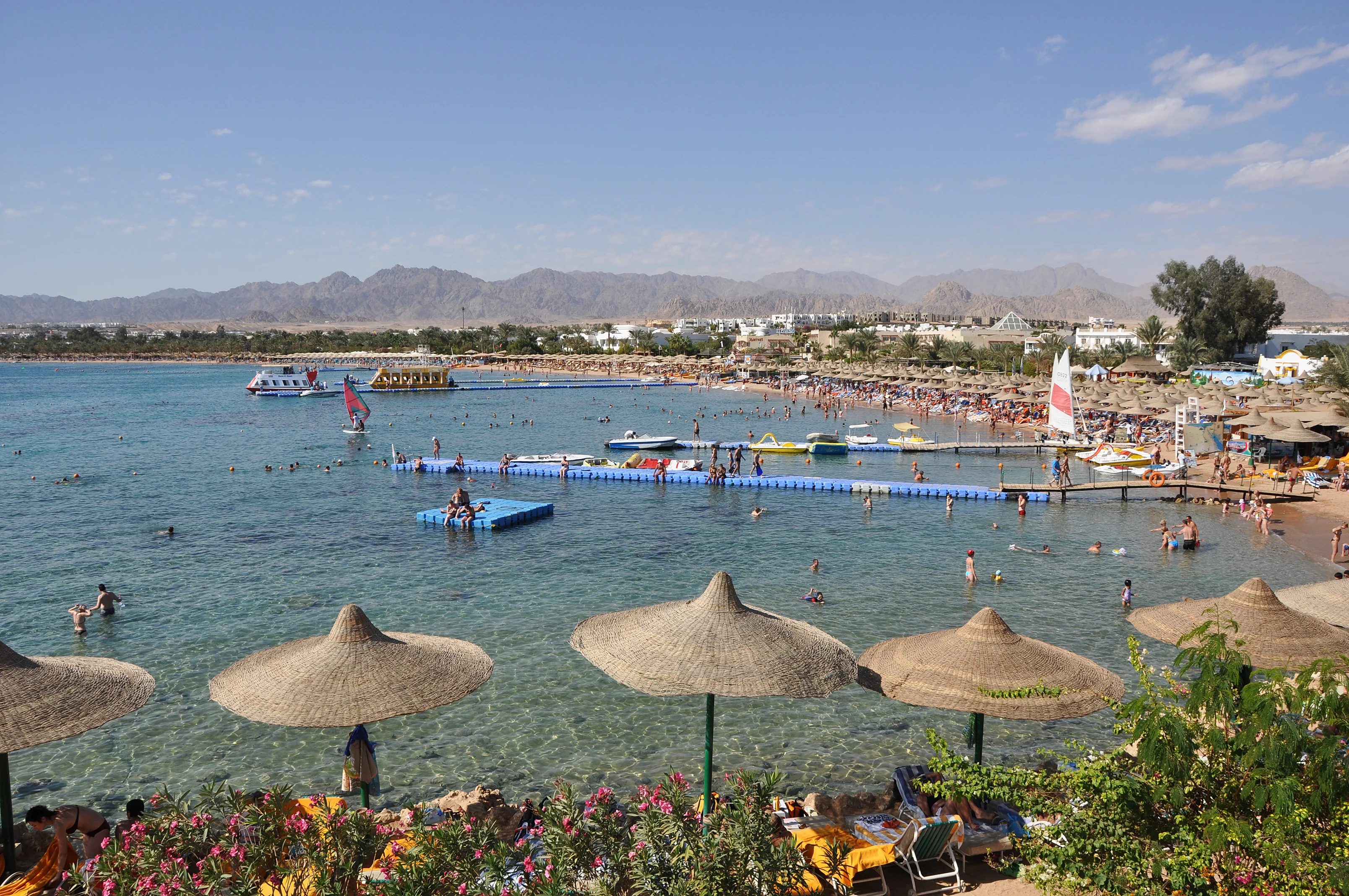
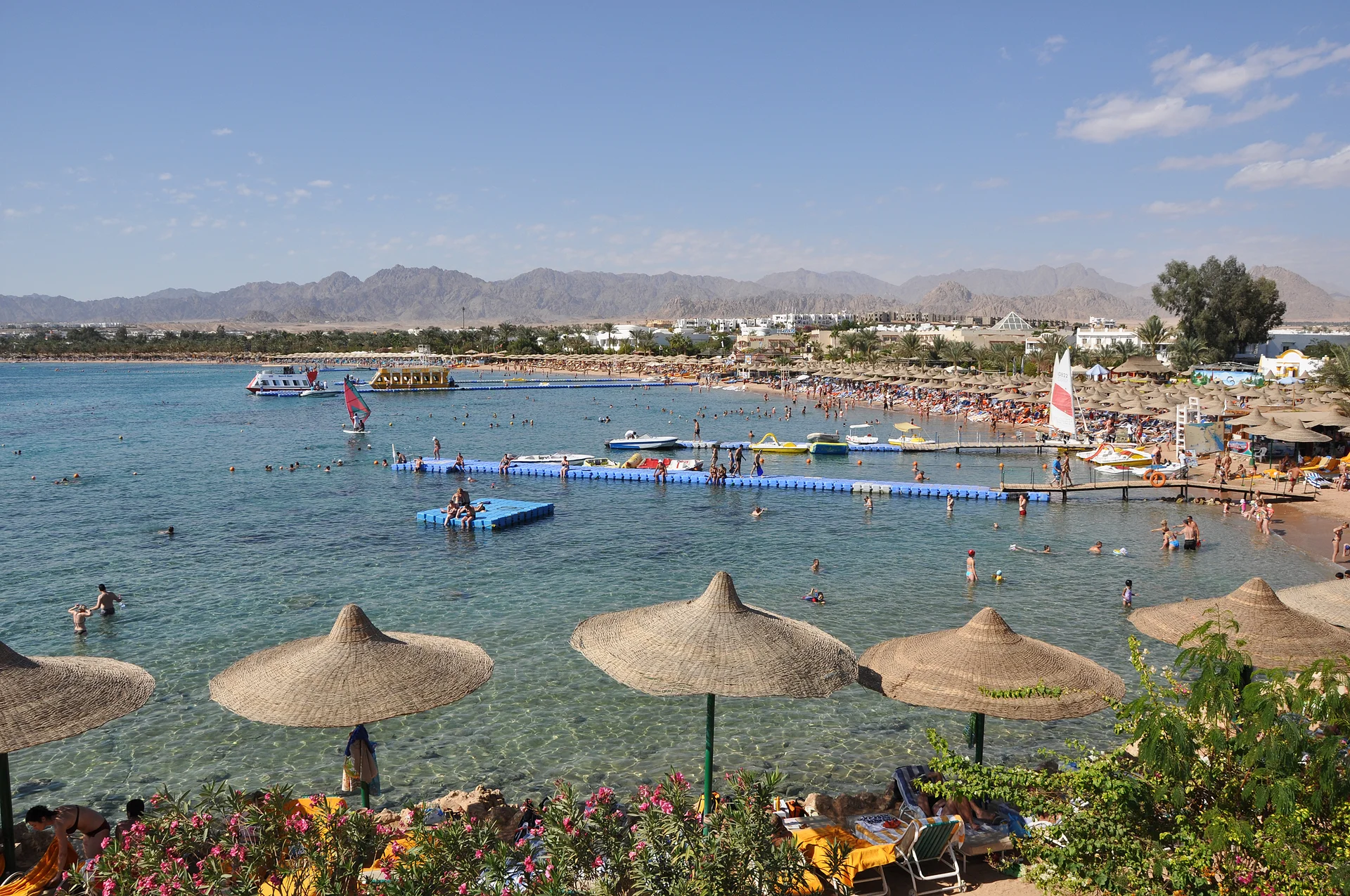
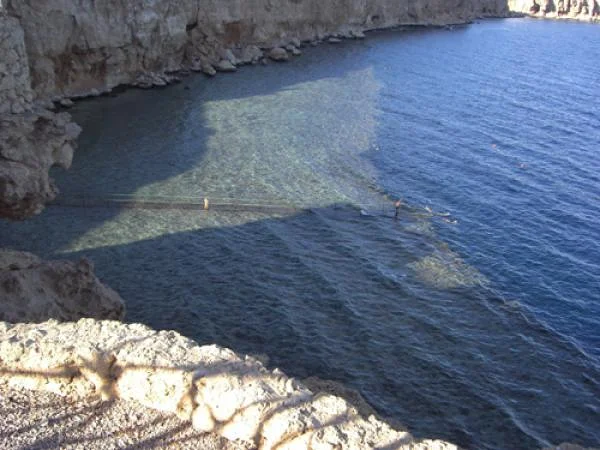
The city stretches across several miles of coastline, which is defined by a series of bays. Naama Bay is the largest and serves as the primary tourist hub. The white sand beach offers a striking contrast between the jagged, red-hued mountains and the vibrant blues of the sky and water. This is where the coastal appeal of the area is most concentrated.
Trendy restaurants and clubs
Things get lively after dark in this neighborhood, which is packed with nightclubs, bars, and attractions like Hollywood, a sprawling entertainment park. You will find plenty of restaurants to choose from, serving everything from fresh seafood and stuffed pigeon to reyash dani, which are lamb chops served with a mint-yogurt dipping sauce.
Shopping for every taste
While the waterfront is lined with shops, those in the Old Market feel a bit less commercial. The area features pedestrianized, cobblestone streets with Parisian-style lampposts, a strange aesthetic mix that defines much of Sharm el-Sheikh. You can browse for knick-knacks, lamps, ottomans, and spices in storefronts that feel like traditional souks.
Al Mustafa Mosque, a landmark of Sharm el-Sheikh
Rising above the local activity, Al Mustafa Mosque is an architectural standout. This place of worship is relatively modern, but its two 76-meter minarets make it an impressive example of Ottoman-style design. Visitors are welcome in designated areas, provided they observe local religious customs.
Things to see in the region
The Sinai Desert
At the edge of the Sinai Desert, you can sign up for camel treks, horseback riding, or quad bike excursions. Hiking Mount Sinai is a major draw, though it requires a guide and careful planning. It involves a three-hour drive and a challenging trek to the 2,285-meter summit. At the base, the 6th-century Saint Catherine's Monastery offers a deep look into the region's history.
Preserved nature and magical marine life
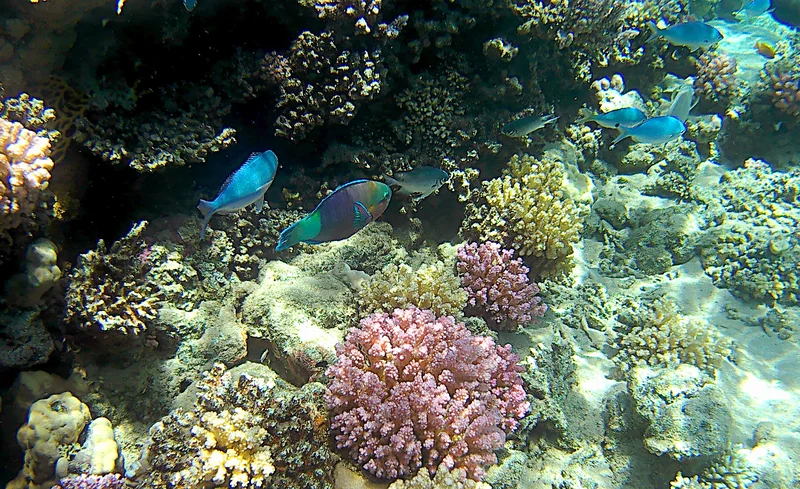
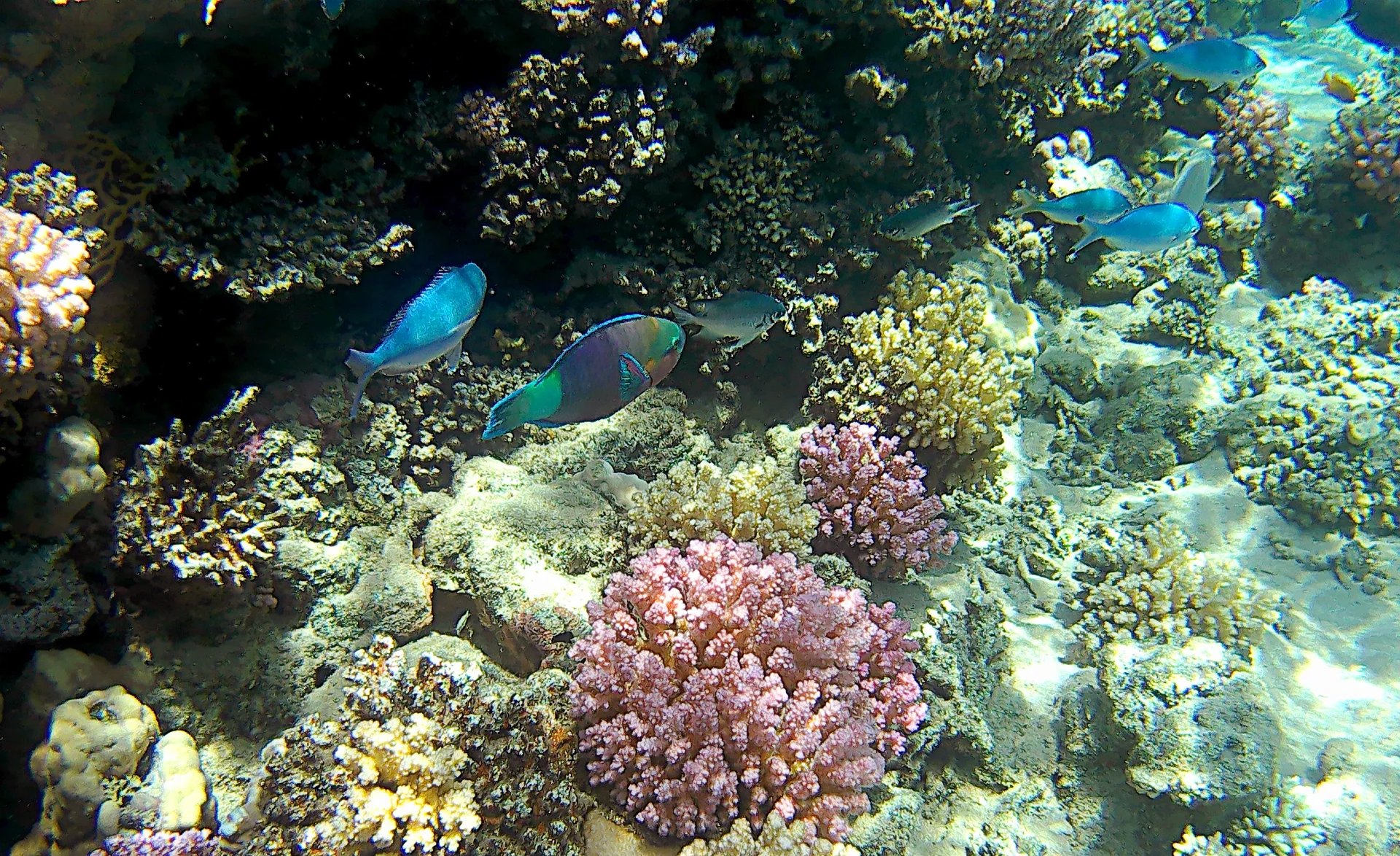
The water of the Red Sea is the region's greatest asset. It is warm and clear, hiding an incredibly rich marine ecosystem that attracts divers from around the world. While some of the more popular bays have seen coral degradation, the protected sites remain in excellent condition, making them perfect for both beginner and experienced snorkelers.
Ras Mohammed National Park
Sharm el-Sheikh is flanked by two national parks. To the south, Ras Mohammed is a protected paradise. Because construction is prohibited, the natural landscape remains untouched, featuring mangroves and salt marshes. It is home to some of the most vibrant pristine coral reefs you will find, teeming with thousands of colorful fish species, starfish, and mollusks.
Other natural reserves
Further afield, Shark Reef is a hotspot for larger marine life like barracuda, tuna, and sharks. Nabq Park, located about 25 km away, is another stunning reserve known for its birdlife and unique vegetation.
Ras Nasrani features a reef dotted with large bays and impressive coral formations. Taking a boat trip from the pier is a highlight, and swimming alongside dolphins is a common enough occurrence to make you forget the artificial feel of the resort areas.
Local culinary specialties to try
While Sharm el-Sheikh is famous for its fresh seafood, the city also serves a variety of classic Egyptian dishes that are worth seeking out.
Look for koshari, a hearty mix of pasta, rice, lentils, and chickpeas topped with a spicy tomato sauce. Foul moudammas, which consists of slow-cooked fava beans seasoned with olive oil, garlic, and lemon, is another popular traditional dish.
If you have a sweet tooth, try basbousa, a semolina cake soaked in sweet syrup.
Where to eat?
- El Masrien Restaurant (Old Town): Located in the historic district, this spot serves authentic Egyptian cuisine in a traditional setting.
- Fares Seafood Restaurant (Il Mercato): Known for fresh catches and large portions, this is a go-to for anyone craving seafood.
- Rangoli (Naama Bay): An Indian restaurant that offers a panoramic view of Naama Bay.
- Pomodoro (Naama Bay): An Italian option that turns out solid fresh pasta, rich sauces, and well-executed pizzas.
Where to stay?
- Four Seasons Resort Sharm El Sheikh (Shark's Bay): A luxury property with a private white-sand beach, lagoon-style pools, and a variety of Mediterranean, Arabic, and Italian dining options.
- Royal Savoy Sharm El Sheikh (Soho Square): A five-star hotel that blends luxury with traditional Egyptian style, featuring private villas with pools and ocean views.
- SUNRISE Arabian Beach Resort (Sharks Bay): A beachfront resort with elegant rooms, multiple pools, and an international selection of restaurants.
- Rixos Sharm El Sheikh (Nabq Bay): An adults-only, all-inclusive resort with 7 pools, 9 bars, and 7 à la carte restaurants, all set among palm trees with views of the Red Sea.
When to go?
Autumn and spring are the best times to visit when the weather is dry and mild, and the tourist crowds are thinner. In the summer, temperatures can easily climb to 46°C (115°F).
How to get there?
There are no direct flights from Paris, but many connecting options are available. Sharm el-Sheikh International Airport is 17 km from the city, and you can reach your hotel via bus or taxi. It is the second-largest airport in the country, following Cairo.
How to get around?
Taxis and hotel shuttles are the most common ways to get around. Be sure to negotiate your taxi fare before starting your trip, as they generally do not use meters. For more freedom, car rental is an option, though local traffic can be chaotic.
In tourist areas like Naama Bay, it is pleasant to explore on foot to soak in the local atmosphere.
I didn't really feel like I was discovering Egypt while staying in Sharm El Sheikh. I think that without the tourism industry, there would basically be no life there at all.