
Visiting Giza
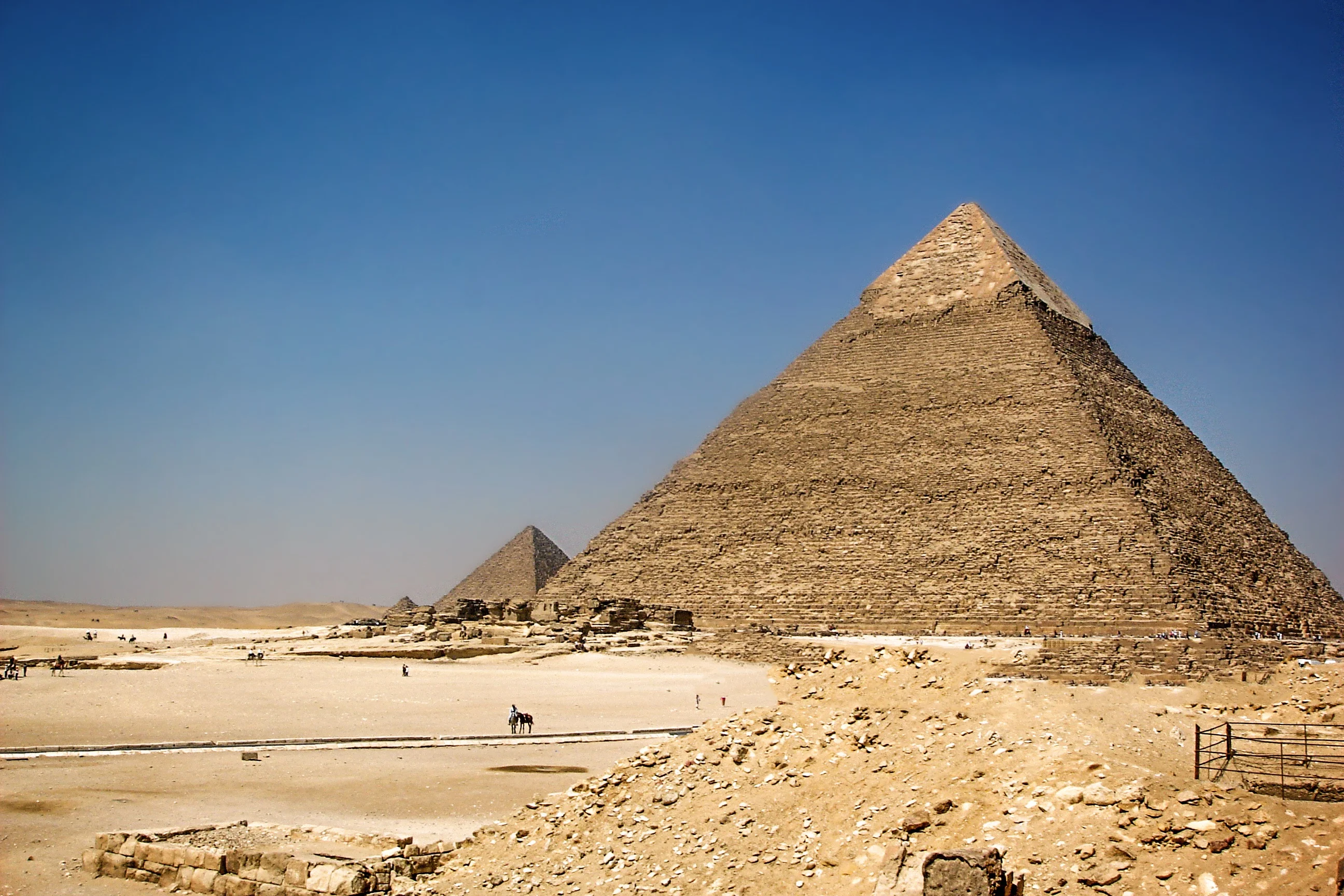
Located about 12 miles southwest of Cairo, Giza functions essentially as the metropolis's sprawling suburb. Situated on the west bank of the Nile and separated from the capital by a bridge, the city is defined by distinct neighborhoods with strong individual identities. Millions of travelers visit every year, drawn by the chance to stand before the last of the seven wonders of the ancient world still standing: the Great Pyramid of Giza. On the plateau and within the necropolis, two other pyramids round out a legendary Old Kingdom complex guarded by the iconic Sphinx. It is hard to compete with such monumental history, making Giza a primary stop on any Egyptian itinerary.
Culture in all its forms
Between aging apartment blocks, luxury hotels, and the agricultural community of Qorsaya Island, Giza can be disorienting. This urban landscape illustrates the constant struggle to balance ancient heritage with the demands of a modern city. Giza is energetic and divided into neighborhoods with unique character. Chic and trendy, Mohandessin focuses on elegance and commerce, filled with restaurants and cafes. It is also the home turf of the Ultras Ahlawy soccer fans, so match nights here are high-energy affairs. Kit Kat is a much more working-class area where you will find many tile artisans. Among the notable buildings, the massive Cairo University, founded in 1908, stands out for its impressive architecture. Nearby, the Al-Orman Botanical Garden serves as one of Giza's green lungs. Its 30 acres feature impressive collections of cacti and trees. While it saw some neglect following the Arab Spring, it remains a peaceful escape. Housed in a former private mansion, the Mohamed Mahmoud Khalil Museum gathers 19th-century art, including a significant number of French works. Located in the heart of Egypt, paintings by Delacroix, Gauguin, Monet, and Van Gogh offer an unexpected contrast to the Orientalist canvases on display. You can also find culture in the poignant Taha Hussein House-Museum, an intimate space that provides a window into the life of one of the 20th century's most influential writers and intellectuals.
Craftsmanship often blurs the line into fine art, and those who visit the Ramses Wissa Wassef Art Center will see why. Weaving is the core of this unique educational site, which has received numerous awards for its aesthetic quality and philosophy. In an unconventional space designed by the professor who was also an architect, the visit is as beautiful as it is educational.
Near the Al Bahr Al Aazam avenue, one of the most unusual attractions has opened its doors, acting as a gateway to the past. The Pharaonic Village transports you into a fully reconstructed Ancient Egypt. Through life scenes, traditional trades, period costumes, and music, you encounter the great figures of that era in settings inspired by Nubia. Sports, games, shows, and playgrounds make it a popular entertainment site, and it sets the stage for the most fascinating encounter of all, the one with the pyramids themselves, built 4,500 years ago.
Facing the Pyramids and the Sphinx
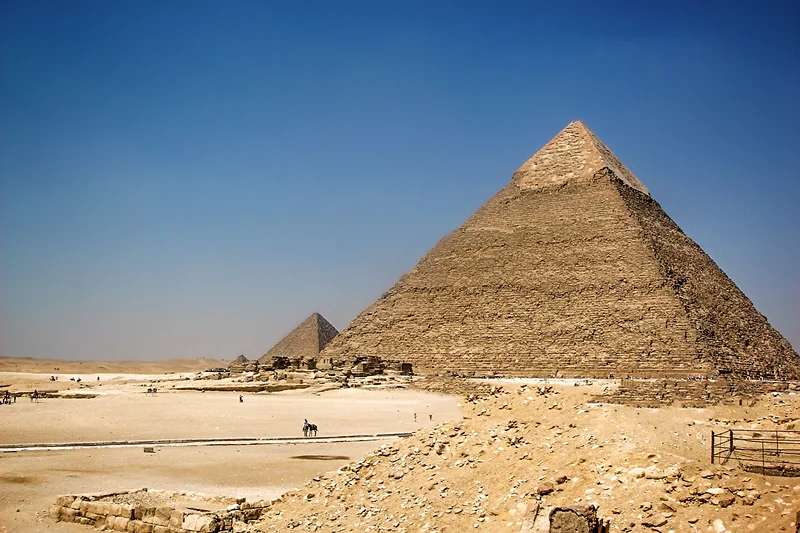
A few miles away on the desert plateau, the three largest pyramids in Egypt await. The pyramid of Khufu sits at the center of the funerary complex, serving as the oldest and largest tomb. Standing 479 feet tall, it is a massive structure composed of 2.5-ton limestone blocks. It is a monument of pure mystery and scale. The experience of being here is hard to put into words, and you can visit the interior, though the passages leading to the sarcophagus chamber are extremely narrow. Beside it stand the Pyramid of Khafre and the Pyramid of Menkaure, which are smaller, along with the queens' pyramids, the remains of the funerary temple, and the hidden mastabas, shafts, and underground chambers.
Since 2590 BCE, the Sphinx, measuring 240 feet long and 65 feet high, has watched over the site. Carved from a single block of bedrock, this constant guardian with its broken nose is unique for its human head and lion body. The identity of the monarch it represents remains a subject of debate, but through its sheer scale, it has certainly achieved immortality.
When to go
With spring and autumn temperatures hovering around 90°F, these shoulder seasons are the most comfortable times to explore Giza, especially the pyramid complex where you will be doing a lot of walking. Summer brings many scorching days with dry air. Winters are mild, with an average of 57°F.
How to get there
The pyramid site is about 5 miles from Giza, which sits roughly 12 miles from Cairo. Buses and taxis handle the connection. Flights to Cairo are available from numerous major international hubs.
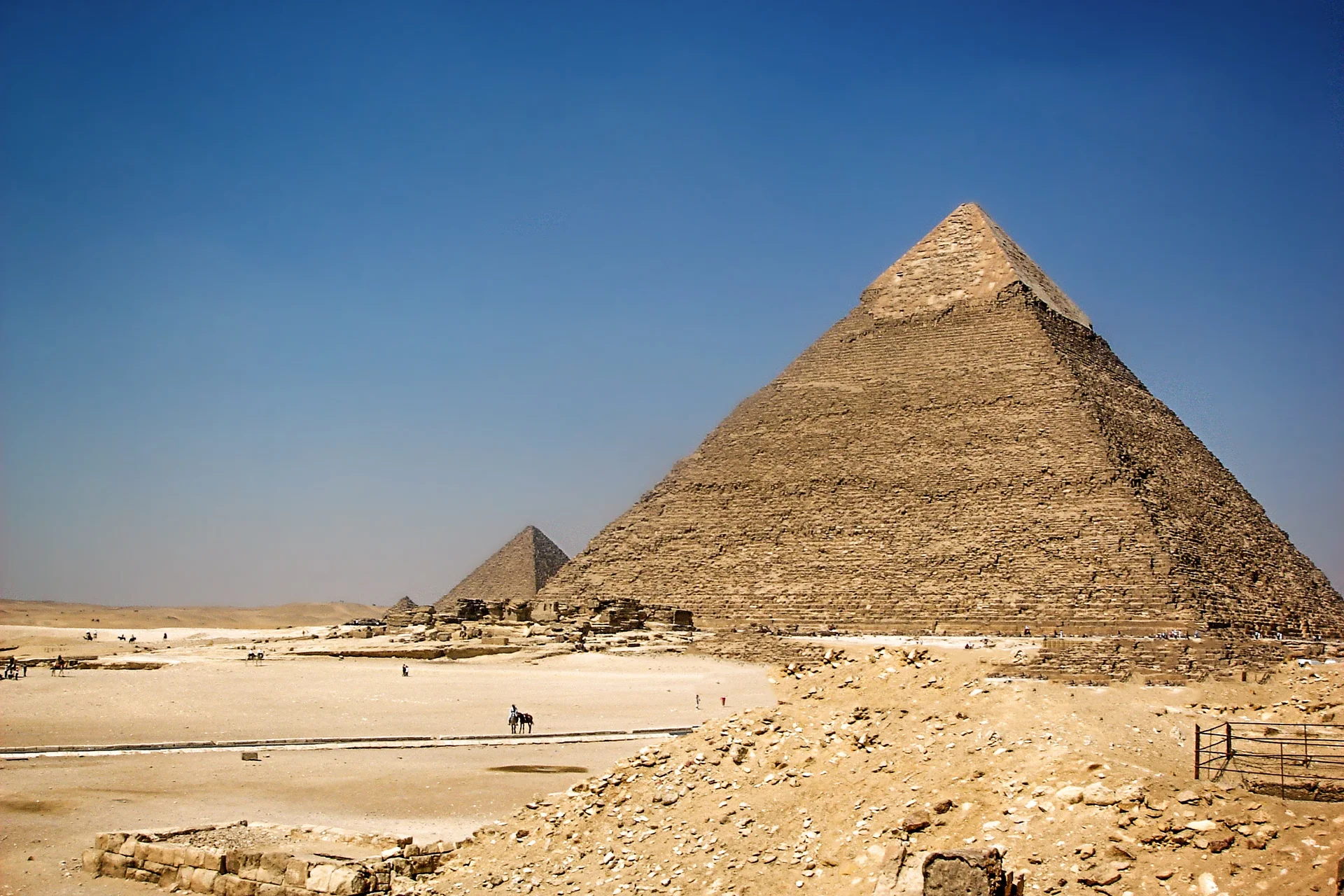
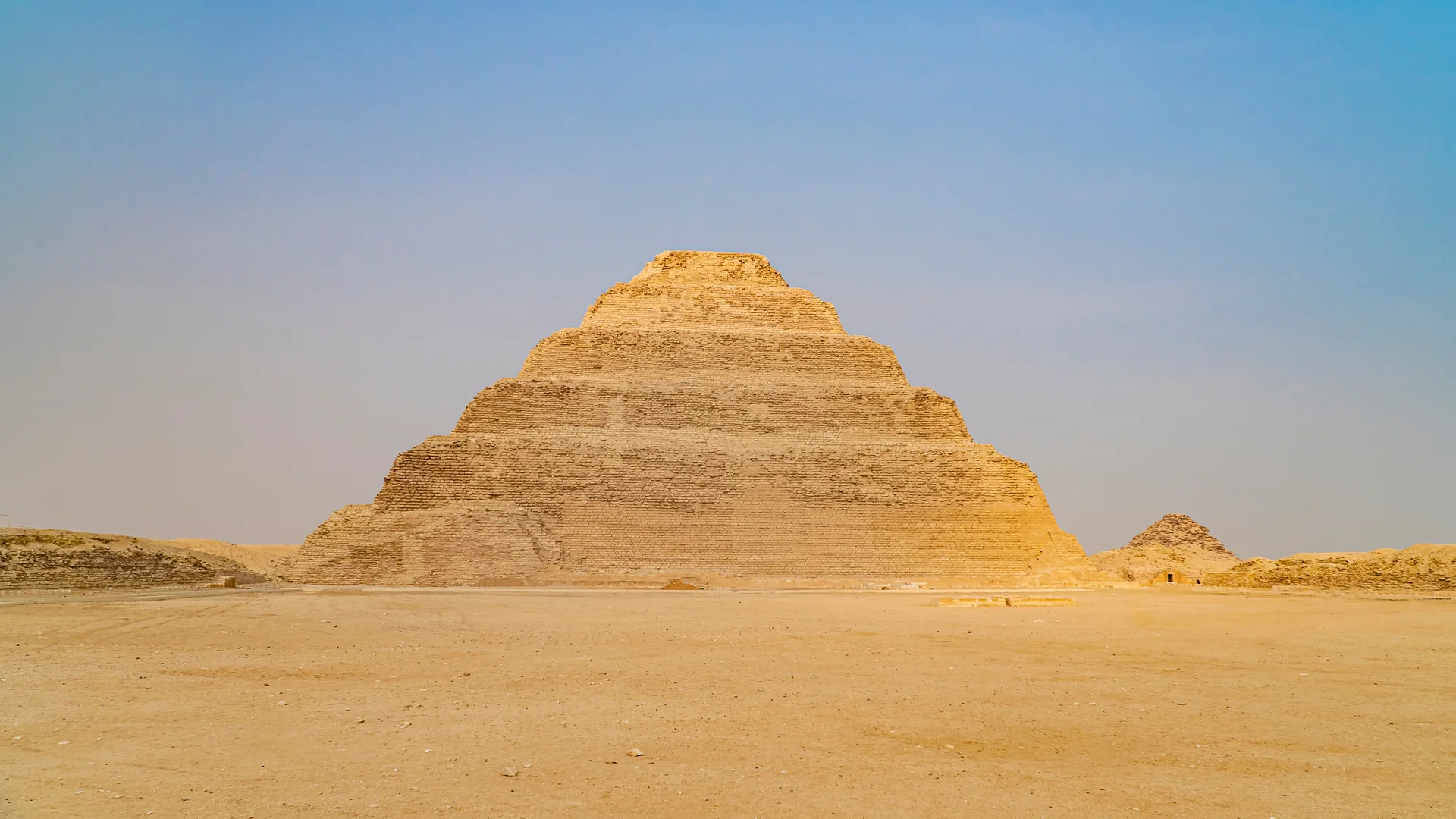
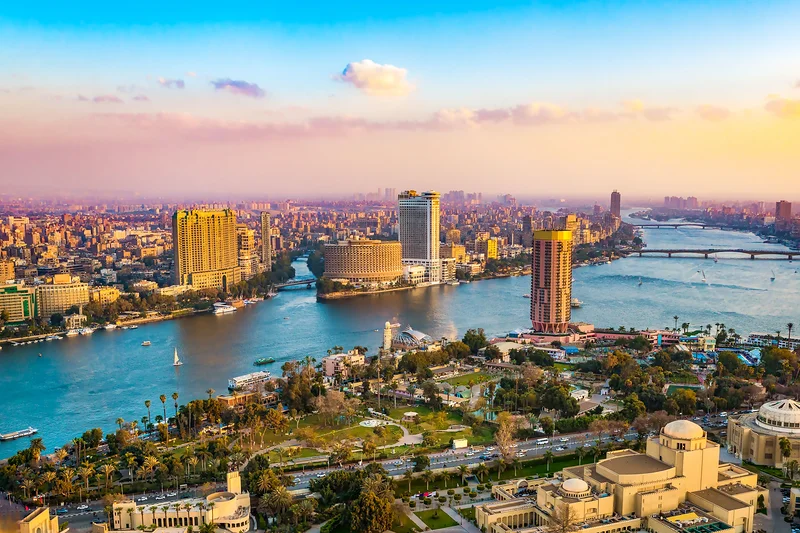
If we are talking about Giza as a town, there is really no point in staying there, it is better to sleep in Cairo. On the other hand, you go to Giza for the famous pyramids of Egypt, which are actually very close to the city, as well as for the Sphinx. A good tip is to have dinner in the evening at a hotel with a rooftop terrace to admire the sound and light show on the Pyramids. These are, of course, a must-see for any trip to Egypt!