
Béjaïa, the city that gave its name to candles
From the place Gueydon, you can watch the trawlers leave the port in a slow, rhythmic ballet, while the scent of warm flatbread and olive oil drifts out from the first cafes opening for the morning. Béjaïa is waking up.
Few travelers realize it, but this Algerian city is the reason for the French word for candle, bougie. During the Middle Ages, the beeswax produced here was so highly regarded that all of Europe began naming these tapers after their place of origin.
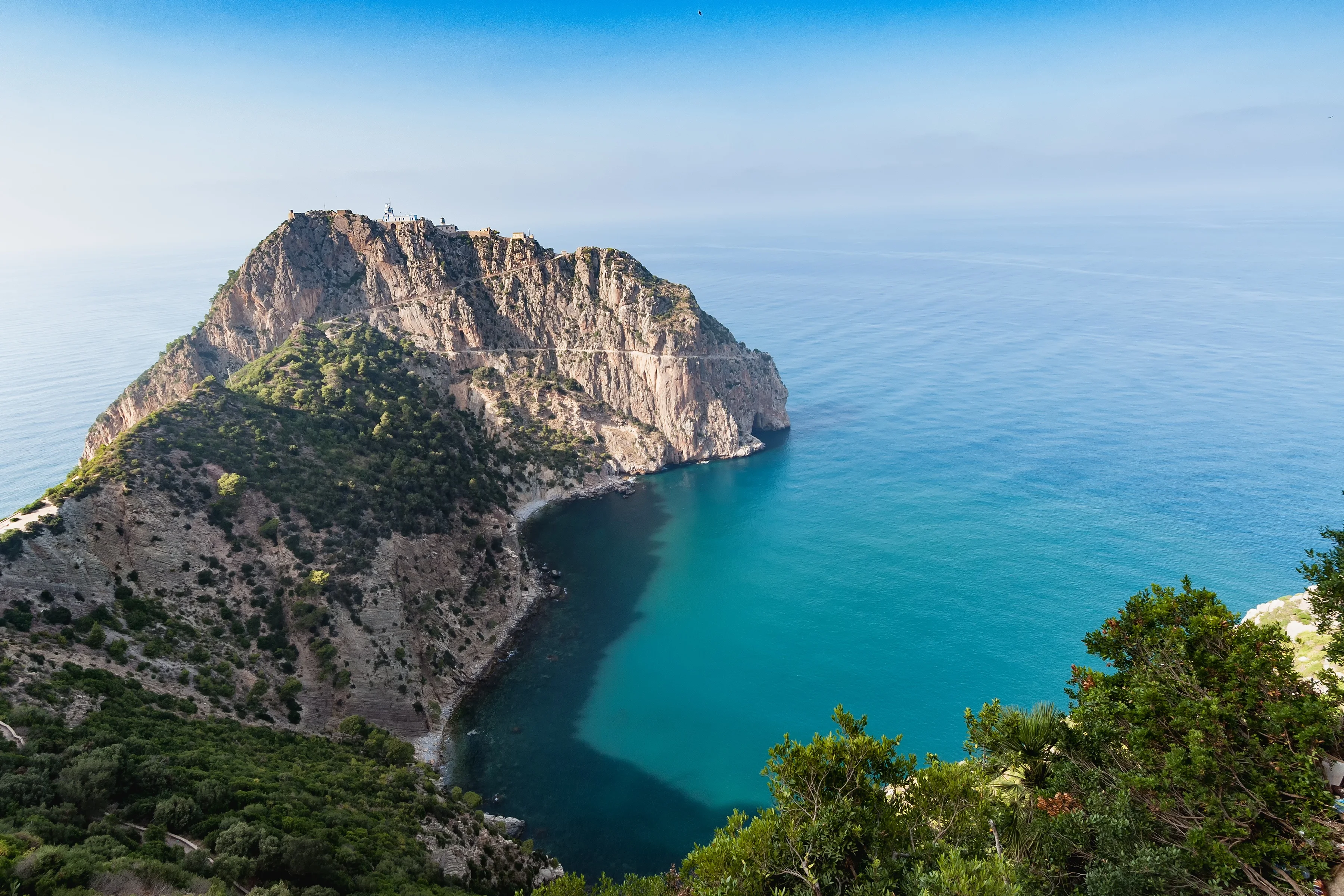
Once a medieval capital for the Hammadid and Almohad dynasties, and an intellectual hub where the mathematician Fibonacci supposedly encountered Arabic numerals, the city holds layers of history that its modern exterior doesn't always reveal. Today, the surrounding nature is the primary draw: a UNESCO-listed national park, cliffs plunging into a turquoise Mediterranean, and one of the world's highest lighthouses, perched 220 meters above the surf.
A destination for lovers of raw nature
Let's be clear: the city itself does not compete with the restored medinas of Morocco or the manicured waterfronts of Tunisia. Its built heritage could use more attention and restoration. However, the surroundings of Béjaïa are spectacular. It is an outdoor destination, perfect for hiking, exploring wild coves, and connecting with locals in a Kabyle region that remains fiercely proud of its Berber culture.
Best for:
- Hikers and ecotourism enthusiasts
- Travelers curious about Berber culture and Kabyle cuisine
- Fans of wild beaches and diving
- Budget travelers willing to embrace basic amenities
- Travelers of Algerian descent looking to rediscover Kabylia
Not for:
- Travelers seeking high-end luxury hotels or a thumping nightlife
- Those who struggle with rudimentary tourism infrastructure
- People who rely exclusively on credit cards
- Travelers who want to avoid any language barrier
An accessible budget
Algeria remains one of the least expensive destinations in the Mediterranean, and Béjaïa is no exception. The prices below are estimates per person.
| Expense | Price Range |
|---|---|
| Night in a basic hotel or rental | 1,800-3,600 DZD ($15-30) |
| Night in a comfortable hotel (3-star, breakfast included) | 4,800-9,600 DZD ($40-80) |
| Quick meal (sandwich, pizza, street food) | 180-360 DZD ($1.50-3) |
| Restaurant meal (grilled fish, couscous) | 480-1,200 DZD ($4-10) |
| Transport and daily activities | 360-960 DZD ($3-8) |
| Backpacker daily budget | 2,400-4,800 DZD ($20-40) |
| Comfortable daily budget | 6,600-12,000 DZD ($55-100) |
What to know before you go
Logistically, prepare for a few adjustments. The Algerian Dinar is the only currency accepted, and ATMs can be temperamental. Bring cash in euros to exchange locally. Local transport works but remains informal. There are no ride-sharing apps like Uber, so expect to negotiate with taxis or use local buses. The historic center is easily explored on foot.
The Mediterranean climate ensures hot summers and mild winters. The heat in July and August can be intense. The population is predominantly Kabyle-speaking, though French is widely understood and spoken, which makes navigating much easier for French-speaking travelers.
Is it dangerous to travel to Béjaïa?
Béjaïa is considered one of the safest cities in Algeria. Petty crime exists as it does everywhere, but recent reports from travelers are reassuring. The city is quiet, even in the evenings in the central districts. Standard common sense applies.
For women traveling solo, Kabylia is known to be more relaxed than other regions of the country. A hijab is not required, and modest dress is sufficient. Expect some lingering stares, however, and stick to well-frequented areas at night.
Gouraya National Park and Cap Carbon
This is the highlight of the trip. The Parc National de Gouraya, classified as a biosphere reserve by UNESCO, stretches from the heights of the city down to the coastal cliffs. You will see Barbary macaques, the last of their kind in North Africa, roaming the trails without a hint of shyness. Hikers climb toward Mount Gouraya at 660 meters for a panoramic view of the bay.
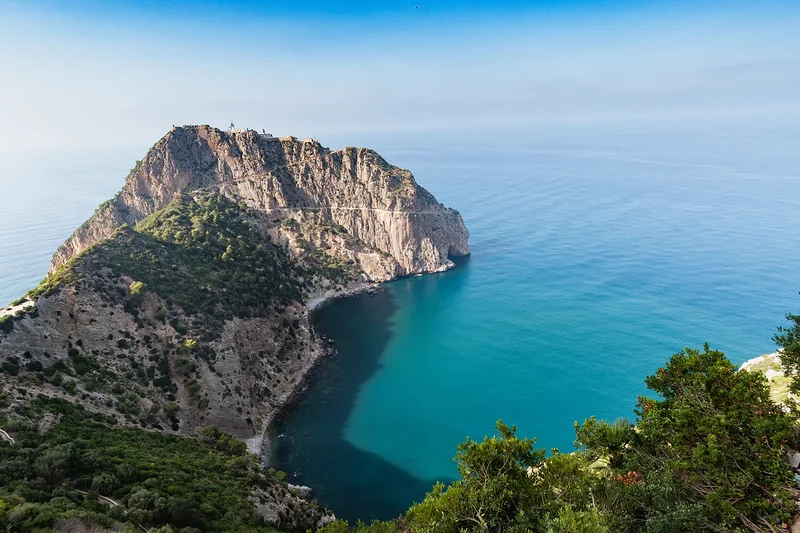
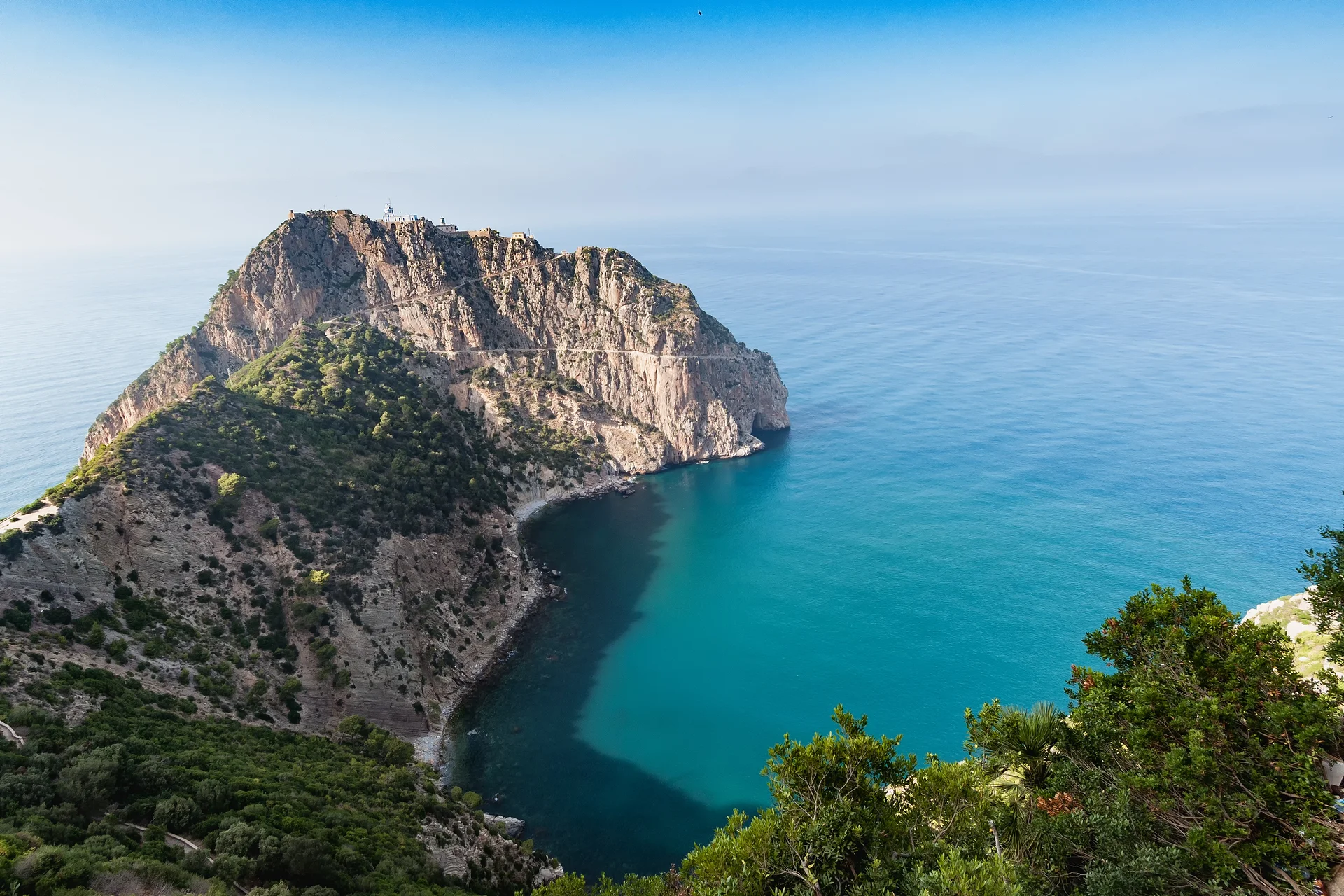
Cap Carbon extends the park toward the sea. Its lighthouse, built 220 meters above the waves, is one of the highest lighthouses on a natural site in the world. The trail leading there runs along the ridge, offering plunging views of deep blue water. The cape itself is a restricted military zone, but the access path provides a striking spectacle.
Friendly tip: Visit in the late afternoon for the golden light and cooler temperatures. Bring a windbreaker, as the sea breeze blows hard on the ridge.
Beaches and the wild coast
The region's beaches are among the most beautiful on the Algerian coast. Plage de Boulimat, about 15 kilometers to the west, is the local star with its sculpted rocks and crystal-clear water. Closer by, Plage de Saket appeals with its wilder vibe, and Anse des Aiguades offers an intimate cove perfect for swimming.
To the east, the seaside resort of Tichy, 25 kilometers away, offers a more family-friendly atmosphere with waterfront restaurants. Further out, the Kefrida Waterfalls are worth a detour. Parking costs 100 DZD (under $1), and after a five-minute walk past souvenir stalls, the waterfall appears.
We should be honest, though. The cleanliness of natural sites remains a weak point. Plastic trash litters some forest roads and less-frequented beaches. It is frustrating given the beauty of the landscape, and it is a problem travelers mention regularly.
The old town and historical heritage
The historic center of Béjaïa is concentrated around place Gueydon, with views of the port and the 16th-century Fort Moussa. The Casbah, a 12th-century medieval citadel built under the Almohads, has been recently restored. There you can see a Spanish fort, a mosque with Berber architecture, and the remains of the Hammadid wall.
The districts of Acherchour, Karamane, and Bab El Louz still retain some Moorish houses, even as concrete gains ground. Take the time to find Bab El Bounoud, one of the old fortified gates. The Bordj Moussa Museum houses a modest but interesting collection of artifacts ranging from prehistory to the colonial era.
Friendly tip: Entry to the Fort costs 200 DZD (about $1.50). Half the site is under renovation, but the panoramic views from the ramparts are well worth it.
Everyday Kabyle culture
Béjaïa is the largest city in Kabylia, and Berber culture is everywhere. People speak Kabyle in the street, cafes play music by Idir and Matoub Lounès, and local crafts can be found in the souks of the center, including pottery, silver jewelry, rugs, and copper goods.
The region is also famous for its olive oil. More than 60,000 hectares of olive trees are planted in the wilaya of Béjaïa alone, and the oil produced here is considered some of the best in Algeria. If you stay with a local family, they will likely serve it generously on your morning bread.
Differences between Kabylia and the rest of Algeria
- Kabylia is one of the few regions in Algeria where you can easily find beer, notably Beaufort, served on tap in some bars.
- Women are not required to wear a veil, and there is more freedom in dress than in other regions.
- Kabyle hospitality is legendary. Do not be surprised if a stranger invites you for tea.
Where to eat and drink in Béjaïa?
Kabyle cuisine relies on simple ingredients elevated by skill, including semolina, seasonal vegetables, lamb, and especially the omnipresent olive oil. The Kabyle couscous comes in a steamed vegetable version called amekfoul, served without sauce, simply drizzled with virgin olive oil. It is a dish of such delicacy that it surprises those who have only known couscous with heavy sauces.
Also try taasbant, semolina dumplings flavored with mint and cooked in a vegetable broth. Chorba, a soup with chickpeas and vermicelli, is the classic starter. As for bread, aghroum, a crispy semolina flatbread cooked over a wood fire, accompanies every meal.
By the sea
As Béjaïa is a port, the seafood is fresh and inexpensive. Small restaurants near the fishing port serve grilled fish, sardines, and shrimp at very low prices. Algerian tea, atay, highly sweetened and fragrant, is drunk everywhere for just a few dozen dinars.
Where to stay in and around Béjaïa?
Hotel options remain limited compared to more mature tourist destinations. In the city center, Hôtel de l'Étoile and Hôtel Chréa offer decent value with views of the old town. Saldae Hotel & Spa, located on the outskirts in an olive forest, is the most comfortable option in the city.
Apartment rentals are growing, particularly via online platforms. Expect to pay 3,600 to 6,000 DZD ($30-50) per night for a well-located one-bedroom. For a beach vibe, rentals around Saket and Tichy put you right by the water. Book in advance for the summer, as the Algerian diaspora returns in large numbers and availability disappears quickly.
How to get to Béjaïa?
The Abane Ramdane Airport in Béjaïa is served by direct flights from Paris Orly and CDG. Air Algérie and Transavia offer about three daily flights, for a trip of 2h15 to 2h20. Round-trip tickets start around 18,000 DZD ($150) in the off-season and climb over 36,000 DZD ($300) in summer. The airport is just 5 km from the city center.
From Algiers, expect about 3h45 by bus via the Sogral company for a negligible fare. By car, the 260 km road is passable but winding in its mountainous section. A domestic Air Algérie flight also connects the two cities in 45 minutes for about 2,400 DZD ($20).
How to get around Béjaïa?
The historic center is easy to walk. For more distant sites like Cap Carbon, the beaches, or the Kefrida Waterfalls, local buses exist, but their schedules remain unpredictable. A taxi is the most practical method. Negotiate the fare before you get in.
Renting a car is the best option to explore the region freely. Driving is assertive and the mountain roads are narrow, but it is manageable. There are no ride-sharing apps available locally, so rely on taxis stationed at strategic points or ask your host to call one for you.
When to go?
The best times are spring, from April to mid-June, and early autumn, from late September to late October. Temperatures are mild, the sea warms up gradually, and crowds remain reasonable. Summer, from July to August, is hot and packed. This is when the diaspora returns and the beaches are taken by storm. Avoid this period if you are looking for peace and quiet.
I went there to celebrate a wedding. I was welcomed so well, and the people are lovely, without being over the top.
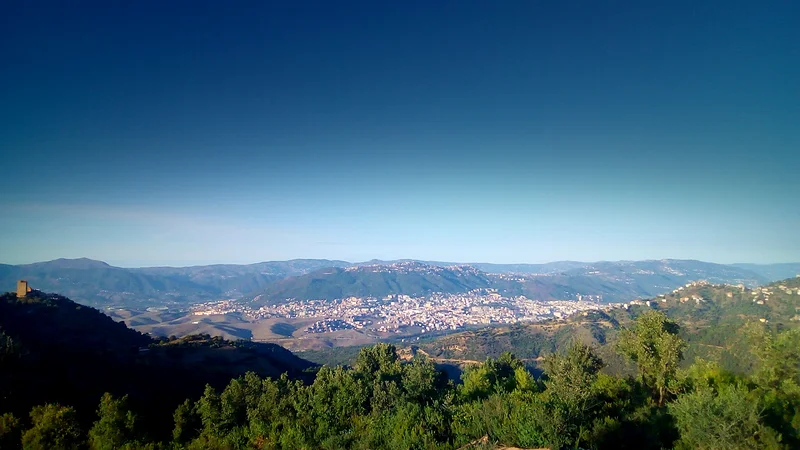
The city of Bejaia, even though it is the regional capital, did not make much of an impression on me. On the other hand, the natural landscapes I was shown in the surrounding area are fantastic, whether it be the beaches or the mountains.
One big disappointment, however, is the filth: trash, plastics, and empty bottles all along the roads that cut through the forests. What a waste.