Visiting Djerba
Whitewashed menzels among the olive trees, a milky sea that stays warm until October, souks where you haggle in the shade. The rankings below are made by travelers like you.
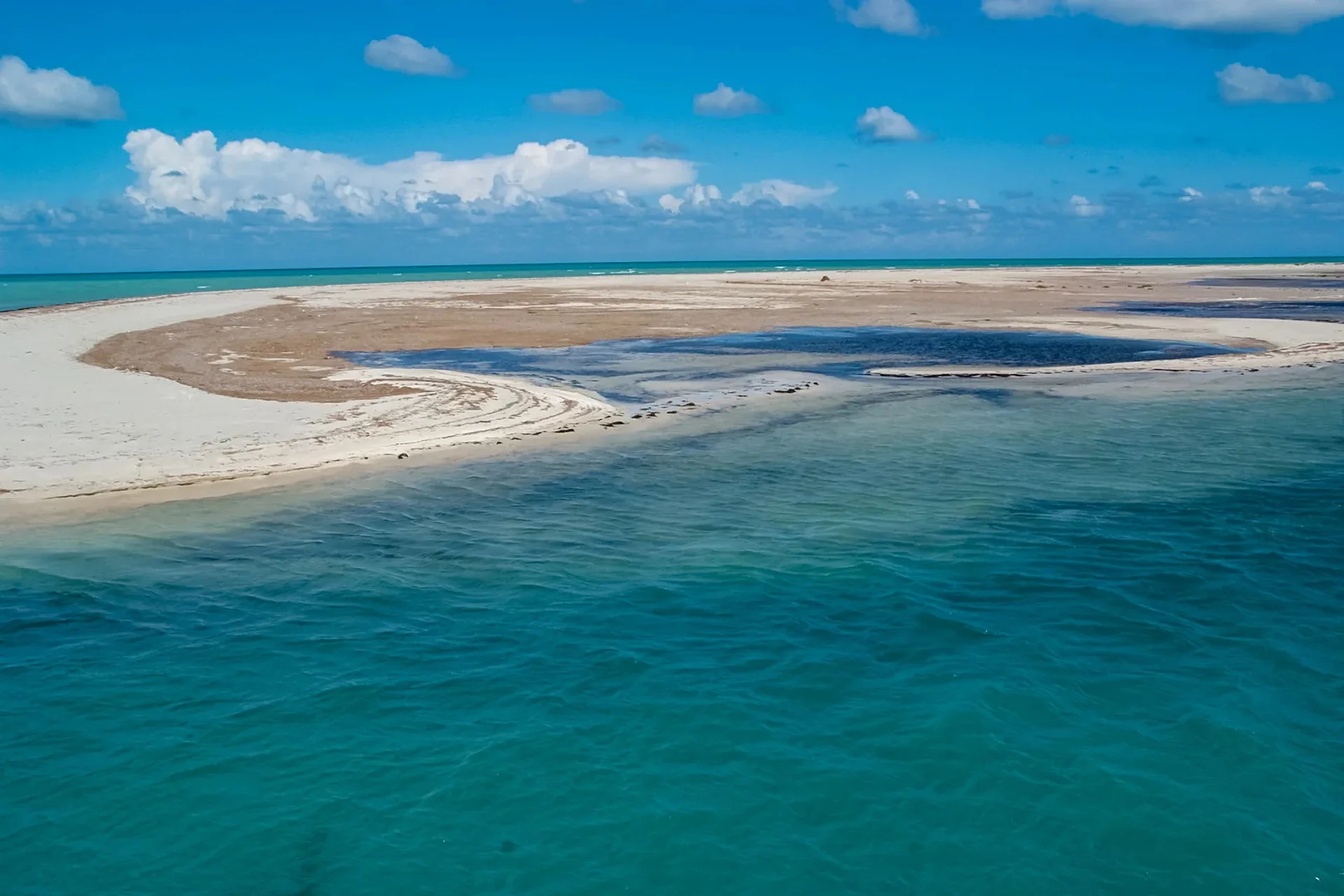
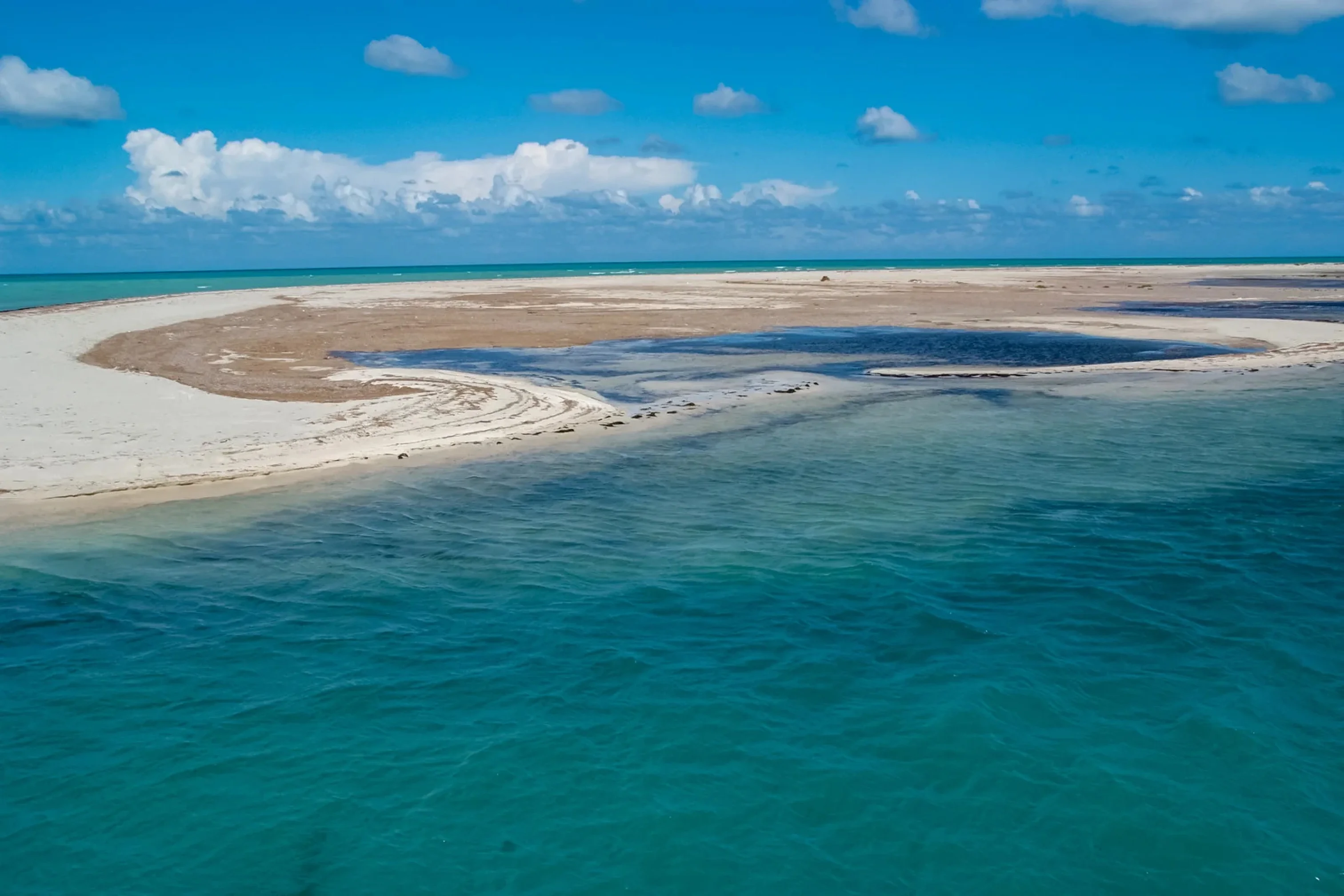
A flat island in the Gulf of Gabès, a few kilometers off the mainland. No mountains, no cliffs: palm trees, centuries-old olive groves, fortified farmhouses called menzels, and a white light that flattens everything at noon. In the north, Houmt Souk holds the souks and the harbour. To the east, miles of fine sand line a shallow sea.
You come for the beach, of course. But Djerba has kept what the mainland resorts lost: a synagogue that tradition calls the oldest in Africa, low white mosques built like forts, potters at Guellala, and a village covered in murals by artists from all over the world.
You will love it if
- You want a calm, shallow sea, ideal with children
- You like wandering the souks and haggling at your own pace
- You are after sunshine and warm water in May, June or October
Give it a miss if
- You want coves and cliffs: the coast is flat and sandy
- You want nightlife: outside the hotels, the island goes to bed early
- You plan to do everything on foot: the sights are spread across the island
The must-sees
-
Covered lanes selling wool, rugs, silver jewelry and spices. The old fondouks, square-courtyard caravanserais where merchants once slept, now house shops, cafés and rooms. Come on a Monday or a Thursday, the market days, and stop at the central market in the morning: the fish is sold at auction.
-
A blue and white hall, oil lamps, wooden benches under painted arches. Tradition makes El Ghriba the oldest synagogue in Africa, and the island's Jewish community has lived here for over two thousand years. Every spring, thirty-three days after Passover, pilgrims arrive from all over the world. Cover your shoulders and legs, and expect a security check at the entrance.
-
3 Djerbahood, the open-air museum
In 2014, around a hundred and fifty artists from some thirty countries covered the walls of Erriadh with murals, ten minutes from Houmt Souk. More than two hundred works hide in the lanes, on doors, domes and blank walls. Wander at random in the morning, while the shade of the white walls is still cool, then walk on to El Ghriba, at the edge of the village.
-
In the south of the island, the village has lived from clay since Antiquity. The half-buried workshops keep their kilns cool, and jars dry in the sun outside the doors. On the hill, the Guellala museum tells the story of the island's costumes, weddings and crafts, and its terrace looks out over the sea.
-
5 Flamingo Island By boat
From Houmt Souk harbour, boats leave for Ras Rmel, a spit of sand offshore, with a swim and grilled fish on the beach. Flamingos are mostly seen from autumn to spring, on the lagoons; in summer, go for the sea, not the birds. The boats dressed up as pirate galleons are aimed at families: ask for a smaller boat if you want peace and quiet.
The classic mistake
Spending a week all-inclusive without ever leaving the hotel strip. You will have seen a hotel beach, and nothing of Djerba. Rent a car for two days, or take a taxi for half a day: Houmt Souk, Erriadh and Guellala fit into a loop of a few hours.
Our itineraries in Djerba
| Length | Itinerary | What you see |
|---|---|---|
| 3 days | Houmt Souk › Erriadh and El Ghriba › Guellala › an east-coast beach | Souks, murals, potters, sea |
| 1 week | Houmt Souk › Erriadh › Guellala › Ajim › Midoun › Aghir › Ras Rmel | The whole island, slowly |
| 10 days | The island › the El Kantara causeway › Zarzis › the ksour of Tataouine or Matmata | The island and southern Tunisia |
Explore the island in a star around your base: nothing is more than half an hour's drive away. Keep Houmt Souk for a market day, Erriadh for a morning, and the east-coast beaches for the afternoons. With ten days, leave the island for a long day trip to the Berber villages of the mainland: Matmata and its homes dug into the ground, or the fortified granaries of Tataouine.
When to visit Djerba
| Appeal | Season | Temperatures | Highlight | Crowds and prices |
|---|---|---|---|---|
| WinterDec. to Feb. | 9 to 17 °C | Souks without crowds, but a sea too cool for swimming | Low | |
| SpringMarch to May | 13 to 26 °C | The El Ghriba pilgrimage, the flamingos, sightseeing without the heat | Medium | |
| SummerJune to Aug. | 23 to 33 °C | The warmest sea, but heavy heat from midday | High | |
| AutumnSept. to Nov. | 16 to 30 °C | A sea that is still warm and mild evenings | Medium |
Our advice
Aim for May, June or September. The sea is good, sightseeing stays bearable, and prices have not yet jumped to summer levels. In July and August, keep the souks and Erriadh for the morning. During Ramadan, whose date moves forward every year, village cafés and restaurants close during the day.
Getting to Djerba
-
By air to Djerba-Zarzis The fastest
Djerba-Zarzis airport, west of Houmt Souk, has direct flights from several European cities, more frequent from April to October. Otherwise, connect through Tunis, which has domestic flights to the island, or through a European hub.
-
By car from Tunis The most freedom
Five hundred kilometers of motorway and main road via Sfax and Gabès. You reach the island on the ferry from Jorf to Ajim, a half-hour crossing, or over the El Kantara causeway, on the Zarzis side. If you bring your own car from Europe, ferries from France and Italy arrive in Tunis.
-
By louage The cheapest
Louages, shared taxis that leave when they are full, run from Tunis to Houmt Souk. You can also take the train to Gabès, then a louage to the island. Allow a full day.
Flying is the only sensible option for a one-week stay. The road is worth it if Djerba is one stop on a tour of southern Tunisia, between the oases and the desert.
Getting around Djerba
The island is barely thirty kilometers from end to end, and it is all flat. Yellow taxis are everywhere and cheap: ask for the meter when you get in. For Guellala, Ajim and the inland mosques, a rental car for two or three days gives you freedom. Louages link the towns, and a bicycle is enough around Houmt Souk or the hotel strip, outside the hottest hours.
When heading back to the mainland on busy days, choose the El Kantara causeway over the Ajim ferry: the wait at the ferry can last hours in summer.
What to eat in Djerba
- Rouz jerbi: Djerba rice, steamed in the couscous pot with spinach, herbs, onions and meat or liver. The island's dish, the one families make.
- Fish couscous: fine semolina, a spicy red sauce, grouper or sea bream of the day. Order it at the harbour in Houmt Souk.
- Brik à l'œuf: a thin sheet of pastry, fried, with a runny egg, tuna and parsley. Eat it with your fingers, before it cools.
- Grilled fish: picked from the stall, weighed, grilled over charcoal and served with a mechouia salad of grilled peppers and tomatoes.
- Ojja: eggs poached in a tomato and chilli sauce, often with merguez, to mop up with bread.
- Pine nut tea: very sweet green mint tea, served with a few pine nuts floating on top.
Eat in the small canteens of Houmt Souk at lunchtime: a dish of the day costs far less than at the hotel, and the fish comes from the morning auction. Alcohol is mostly found in hotels and restaurants on the hotel strip, rarely in the villages.
Where to stay in Djerba
| Area | What for | Good to know |
|---|---|---|
| Houmt Souk | The souks, the harbour, the restaurants | No beach in town |
| Erriadh | The murals, the calm of a village | Guesthouses, few shops |
| Sidi Mahrez and Midoun | The beach, the big hotels, thalassotherapy | Far from village life |
| Aghir and the south-east coast | Quieter beaches | Isolated without a car |
| Zarzis | A less crowded beach | On the mainland, over the causeway |
One base is enough for the whole island. Are you coming mainly for the beach? Stay on the east coast, between Sidi Mahrez and Aghir. For the island itself, choose a guesthouse in Houmt Souk or Erriadh, about twenty minutes from the sea. Over a week, you can do both.
How much does a trip in Djerba cost?
| Trip | Length | Budget per person |
|---|---|---|
| Budget (room in Houmt Souk, canteens, taxis and louages) | 1 week | €300 to €500 |
| Comfort (guesthouse in Erriadh, restaurants, car for two days) | 1 week | €700 to €1,100 |
| Luxury (hotel with thalasso on the east coast, excursions) | 1 week | €1,500 and up |
- Your room: the big item. A guesthouse in Houmt Souk often costs less than half a large hotel on the coast.
- All-inclusive: reassuring, but it keeps you eating at the hotel, when you can eat very well and for little in town.
- Taxis: on the meter, a ride across the island costs a few dinars; it is the cheapest way to see everything without renting.
- Excursions: the boat trip to Ras Rmel and the day in the south are paid for separately, and can be negotiated.
- Money: you cannot buy dinars outside Tunisia. Change money on arrival and keep your receipts, which you will be asked for to change back when you leave.
Traditions and way of life in Djerba
Djerba has always been an island of minorities. Villages such as Guellala still speak the Berber language. The Ibadis, a branch of Islam that came from Oman, built hundreds of small white mosques here, low and massive, some of them half underground. The Jewish community, in Erriadh and Houmt Souk, has lived here since Antiquity. In 2023, UNESCO added this way of inhabiting an island, made of scattered menzels, mosques and villages, to the World Heritage list.
Life follows the rhythm of the markets: Midoun on Friday, Houmt Souk on Monday and Thursday. Haggle without rushing and take your time: the tea you are offered is often part of the sale.
Local custom
Cover your shoulders and knees away from the beaches and hotels, especially at El Ghriba and in the villages. You will not be able to enter most mosques, except a few open as museums, such as Fadhloun. Ask with a gesture before photographing someone, especially a woman: a refusal is to be respected.