Kigali, the Capital That Rewrote the Rules
Not a single cigarette butt on the ground. Not a plastic bag in sight, since they have been banned since 2008. On the final Saturday of every month, the entire country pauses for Umuganda, a morning of mandatory community work where government ministers and neighbors clear the streets together.
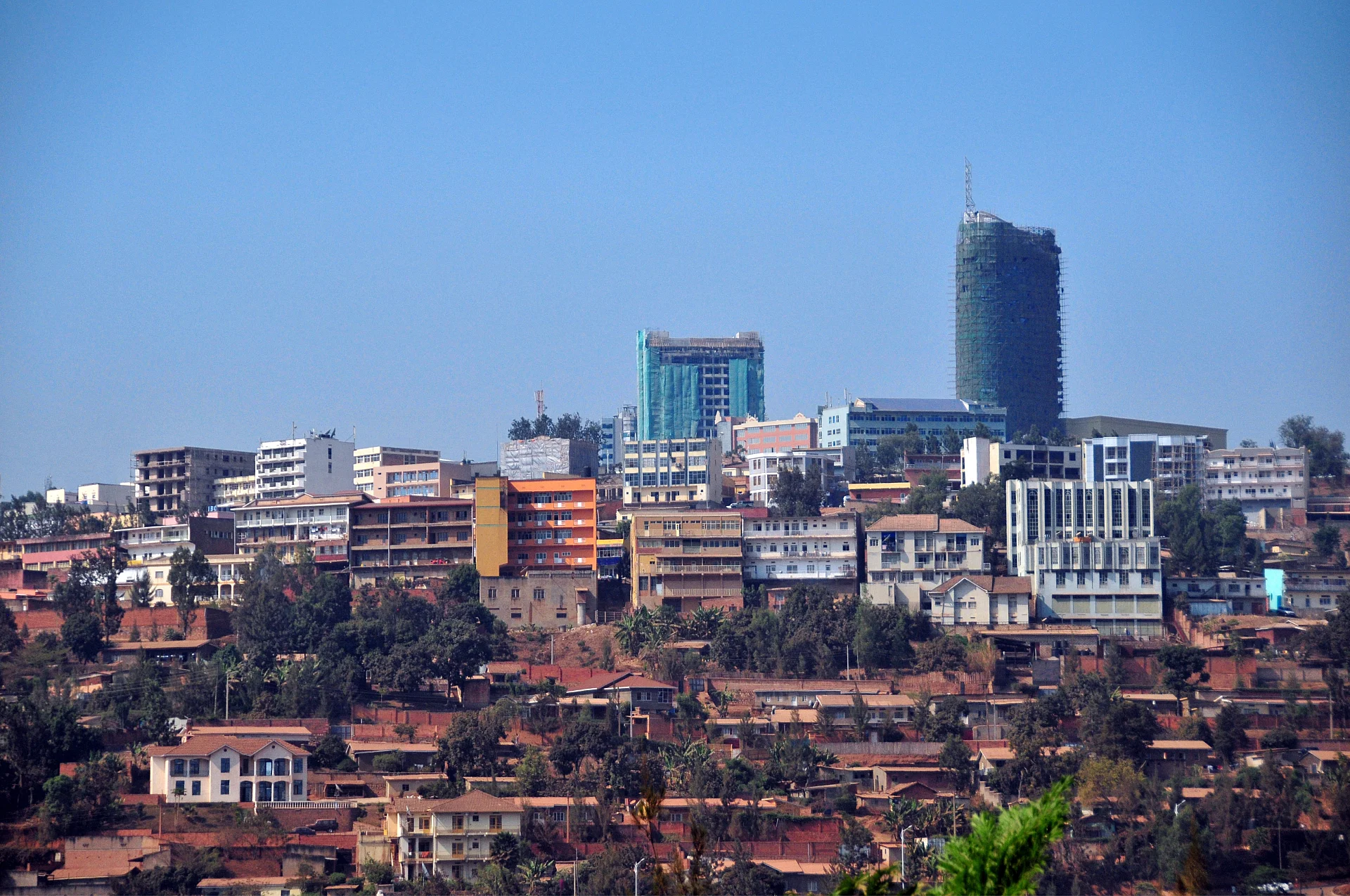
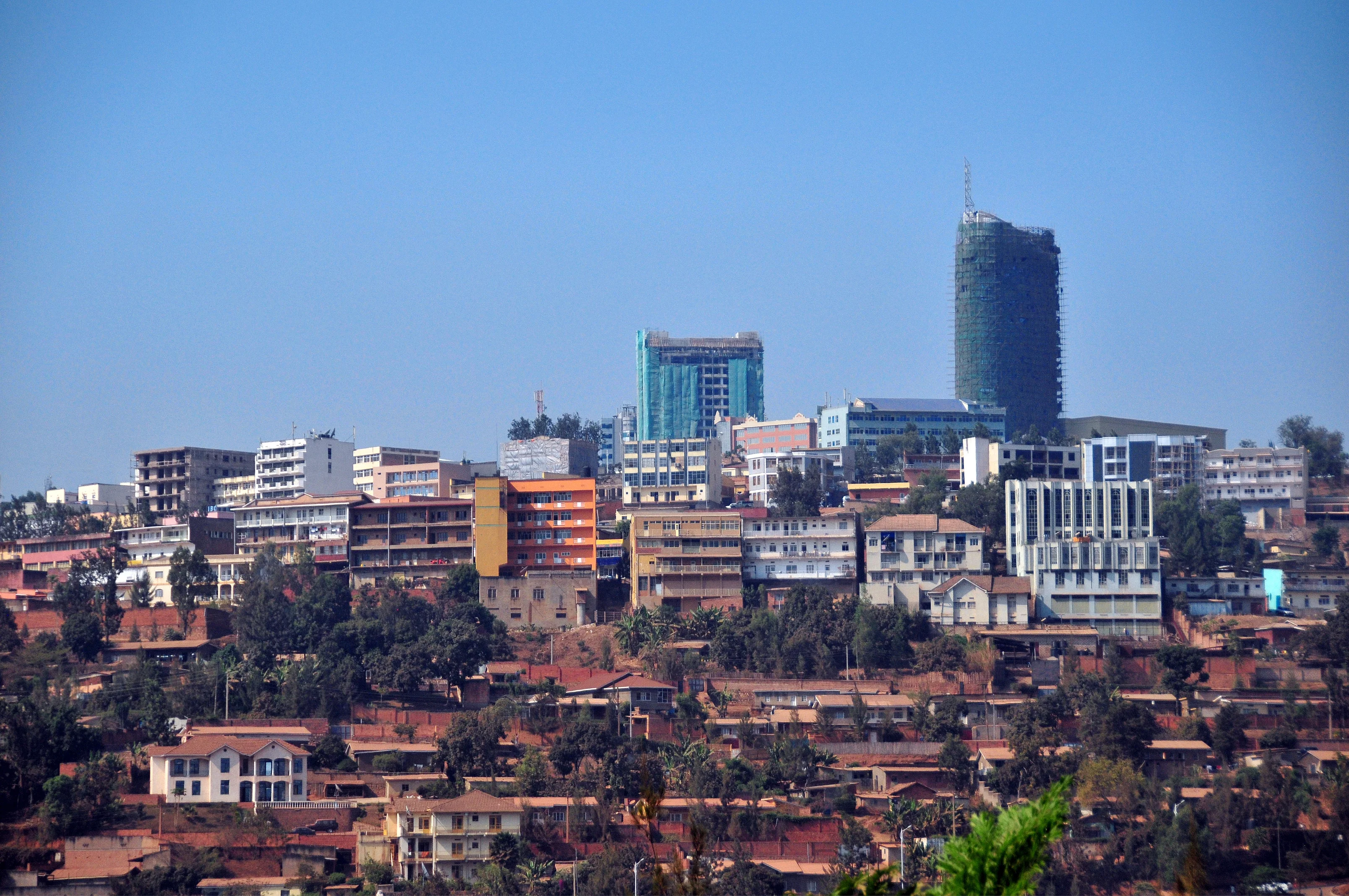
Kigali first surprises visitors with this almost unreal cleanliness, then reveals a city humming across five hills, a mix of red moto-taxis and design-forward coffee shops.
Is This Destination Right For You?
Kigali appeals to anyone looking for a calm East Africa, safe for getting around even as a solo traveler, and curious to understand how a country rebuilds after a major historical trauma. It also makes a logical stopover before or after trekking to see the mountain gorillas in Volcanoes National Park.
It is less suited for travelers seeking wild nightlife, beaches, or the frenetic pace of a massive metropolis. Things wind down relatively early here, and the city maintains an orderly atmosphere.
Best Suited For:
- Solo travelers, including women traveling alone
- A stopover before or after a gorilla trek or safari
- Those curious about contemporary history and resilience
- Fans of specialty coffee and design culture
Not Suited For:
- Partygoers looking for late-night clubbing
- Strict tight-budget travelers, as lodging and dining can climb quickly
- Anyone searching for a beach vacation or pure relaxation
A Mid-to-High Regional Budget
Kigali is not the cheapest city in East Africa. International-standard hotels and restaurants catering to expats push prices upward, but you can travel lighter by sticking to local eateries and guesthouses.
| Expense | Range |
|---|---|
| Night in a basic guesthouse | $18 to $35* |
| Night in a comfortable hotel | $70 to $139* |
| Local meal (buffet or skewers) | $2.40 to $5.80* |
| Expat-oriented restaurant meal | $12 to $24* |
| Daily transport and light activities | $5.80 to $18* |
| Backpacker daily total | $29 to $47* |
| Comfort daily total | $104 to $174* |
Estimated rates subject to change
Safety, Language, and Pace of Life
Kigali is widely recognized as one of the safest cities on the African continent, both day and night in the central neighborhoods. Kinyarwanda is the native tongue, but English is widely spoken by the younger generation and in tourism, surpassing French nowadays.
The hilly terrain catches people off guard. Distances that look short on a map often take longer on foot than you might expect, alternating between steep climbs and descents.
Kigali City Tower and the Business District
Downtown, centered around KN 4 Avenue, concentrates glass high-rises, banks, and daytime office hustle. This is also where the Kigali Convention Centre stands, an illuminated night dome that has become the architectural symbol of the capital.
The Kimironko market, located slightly farther out, is worth the detour for its colorful kitenge fabric stalls and loud hawkers selling tropical fruit.
Kiyovu and Nyamirambo, Two Contrasting Vibes
Kiyovu is the upscale neighborhood, dotted with embassies and villas, hosting most of the high-end dining addresses. The atmosphere here is hushed and almost entirely residential.
Nyamirambo offers the exact opposite: lively narrow streets, tailor workshops, a historic mosque, and a vibrant working-class neighborhood atmosphere. Local associations organize guided walking tours here, which provide a great way to explore the area without getting lost.
Friendly tip: The Nyamirambo Women's Center runs walking tours led by women who live in the neighborhood, including a stop at a local tailor. It ranks as one of the most authentic experiences in the city, far from standard tour groups.
Remembering: The Kigali Genocide Memorial
Understanding contemporary Rwanda requires a visit to the Kigali Genocide Memorial in Gisozi. This site documents the 1994 genocide through a sober, powerful exhibition and holds the graves of over 250,000 victims. Admission is free, and a paid audio guide is available to dive deeper into the history.
Plan for at least two hours. The visit is intense, but it sheds light on everything you observe later in the city: the drive for reconciliation, collective discipline, and an energy focused on the future.
Where to Eat and Drink in Kigali?
The most common meal is the all-you-can-eat local buffet featuring rice, beans, ugali (cassava or corn paste), cooked plantains, and peanut sauce, often costing just a few dollars at small neighborhood spots.
Rwanda is also a high-end coffee producer. Specialty coffee shops roasting their own beans, sourced from cooperatives on the surrounding hills, have popped up across Kiyovu and Kimihurura. Grilled goat skewers (brochettes) in the evening, washed down with a Primus or a Mützig, remain an evening staple.
Where to Stay in Kigali and Around?
Kiyovu and Kimihurura concentrate most of the comfortable and secure lodging options, close to restaurants and a short distance from downtown. For tighter budgets, guesthouses around Remera strike a good balance between price and transit access.
- Kiyovu: quiet neighborhood, boutique hotels, and design guesthouses
- Kimihurura: close to trendy bars and cafes
- Remera: budget options, close to the stadium and the airport
How to Get to Kigali?
Kigali International Airport (KGL) is served by direct flights from several European capitals, notably Brussels and Amsterdam, with flight times around 8 to 9 hours. From the US, you will generally connect through Europe or the Middle East, with total travel times varying depending on the connection.
How to Get Around Kigali?
Moto-taxis, which provide mandatory helmets to passengers, are the fastest and cheapest way to get around. Fares are negotiated beforehand or booked through local apps. Ride-hailing apps like Yego Moto or Move work well and remove the need to bargain.
For longer trips or group travel, standard taxis and private cars with drivers are a comfortable option, especially for heading to the airport or traveling out of the city toward Lake Kivu.
When to go?
The altitude-temperate climate makes Kigali pleasant year-round. The dry seasons, from June to September and from December to February, are the most comfortable times to explore the city on foot and transition into a trek in the northern part of the country.
Avoid the heavier rains of April, which are better suited for staying indoors than hiking the hills.