Sal, the island of wind and salt
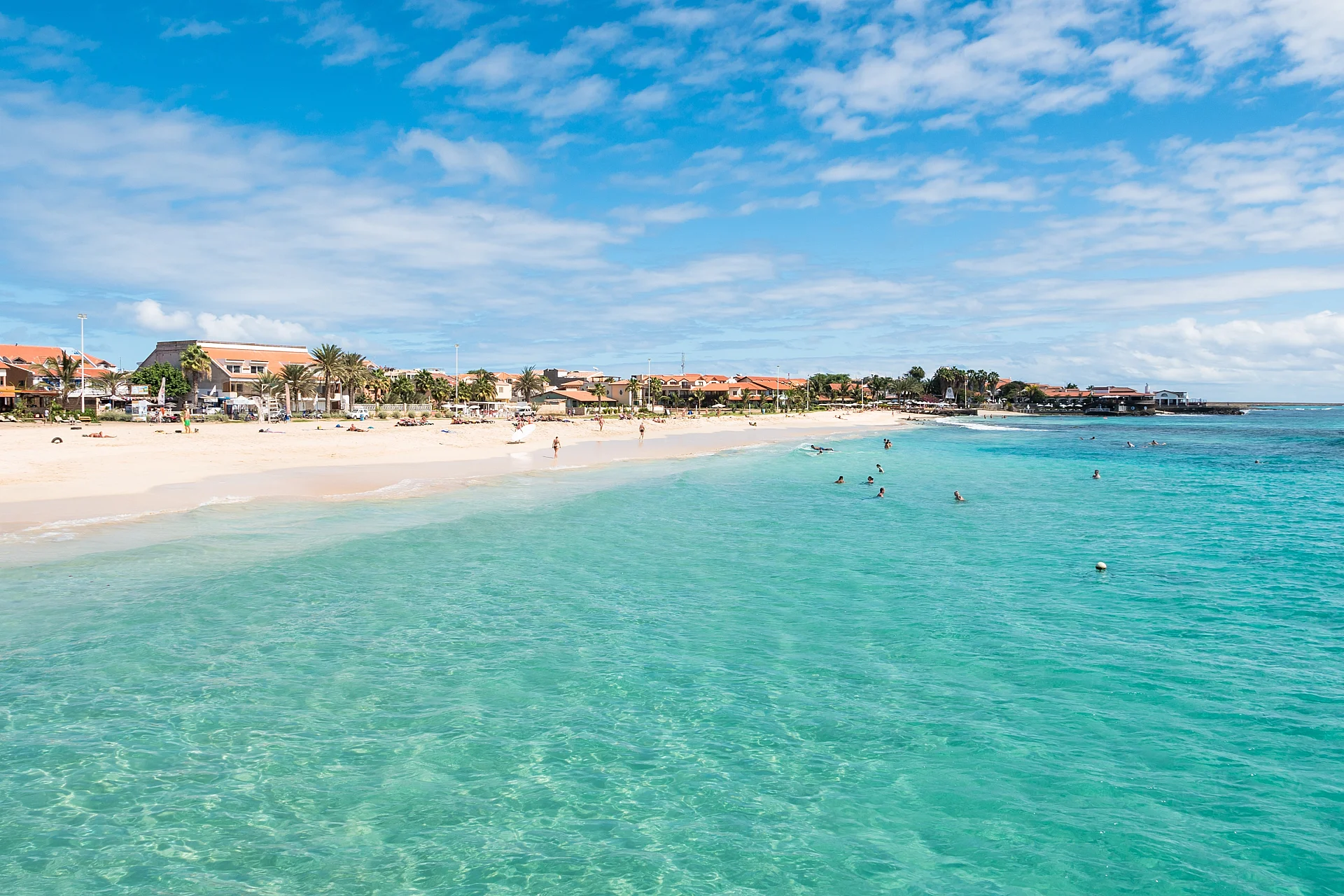
Positioned in the northern part of the Cape Verde archipelago, Sal owes its name to the historic salt pans that once sustained its local population. Today, a different set of assets draws visitors in: white sand beaches, a steady breeze that kitesurfers chase, and a golden sunlight that rarely lets up. The island is compact, flat, and makes no apologies for its lack of dense vegetation. It relies entirely on other strengths.
A destination built for you?
Sal is tailor-made for travelers looking for guaranteed sunshine, turquoise water, and water sports. Fans of kitesurfing, windsurfing, and diving find some of the best conditions in the Atlantic here. Families appreciate the calm waters of Santa Maria, the main tourist hub, alongside the island's overall safety.
On the flip side, if you are after deep cultural immersion, sophisticated dining, or lush green scenery, you might come away wanting. Sal is an unapologetic beach destination, not an open-air museum.
Good choice for:
- Kitesurfers, windsurfers, and water sports enthusiasts
- Travelers looking for year-round sun
- Families traveling with kids (calm water, solid safety)
- Beginner and experienced divers and snorkelers
- Travelers seeking an accessible island escape with easy flight connections
Skip this if you want:
- Travelers chasing deep cultural or historical depth
- Lovers of green landscapes and hiking trails
- Foodies who put fine dining at the center of a trip
- Anyone trying to avoid heavy tourism zones and all-inclusive resorts
Budget: accessible, but traps exist
Sal remains more approachable than the Canary Islands or Madeira, but Santa Maria has caught up in pricing over recent years. Restaurants along the main strip charge European rates. To eat local without overpaying, head away from the oceanfront.
| Expense | Estimated Range |
|---|---|
| Night in a guesthouse / local inn | $29 to $57* |
| Night in a comfortable hotel | $79 to $146* |
| Quick bite (market, local snack bar) | $3.40 to $6.80* |
| Restaurant meal (oceanfront) | $17 to $29* |
| Kitesurfing lesson (2h, recognized school) | $90 to $124* |
| Boat excursion (half day) | $34 to $57* |
Indicative rates subject to change
Friendly tip: If you want to pair beach downtime with heritage sightseeing in Cape Verde, ask a custom tour operator to design a combined itinerary. Here, for example, is the Cape Verde trip offered by the agency Secrets du Monde.
Practical realities
The island is compact at roughly 30 km long, meaning you can drive around the entire loop in under an hour. Roads are generally in decent shape, though certain tracks leading to remote beaches require a 4x4. Taxis and aluguer (shared minibuses) easily connect Santa Maria to Espargos, the administrative capital, for just a few euros.
The official language is Portuguese, but Cape Verdean Creole is what people speak every day. English gets by fine in tourist zones. French is less common, though hotels and travel agencies often accommodate it.
Safety is solid compared to the rest of West Africa. Pickpockets operate in Santa Maria, particularly in peak season. Avoid wearing expensive jewelry or flashing pricey cameras on the main beach after dark.
Santa Maria: the beating heart of the island
Santa Maria concentrates most of the tourist activity. Rua 1º de Junho, the main thoroughfare, is lined with restaurants, bars, souvenir shops, and water sports outfitters. The vibe is laid-back, blending European vacationers with local shopkeepers.
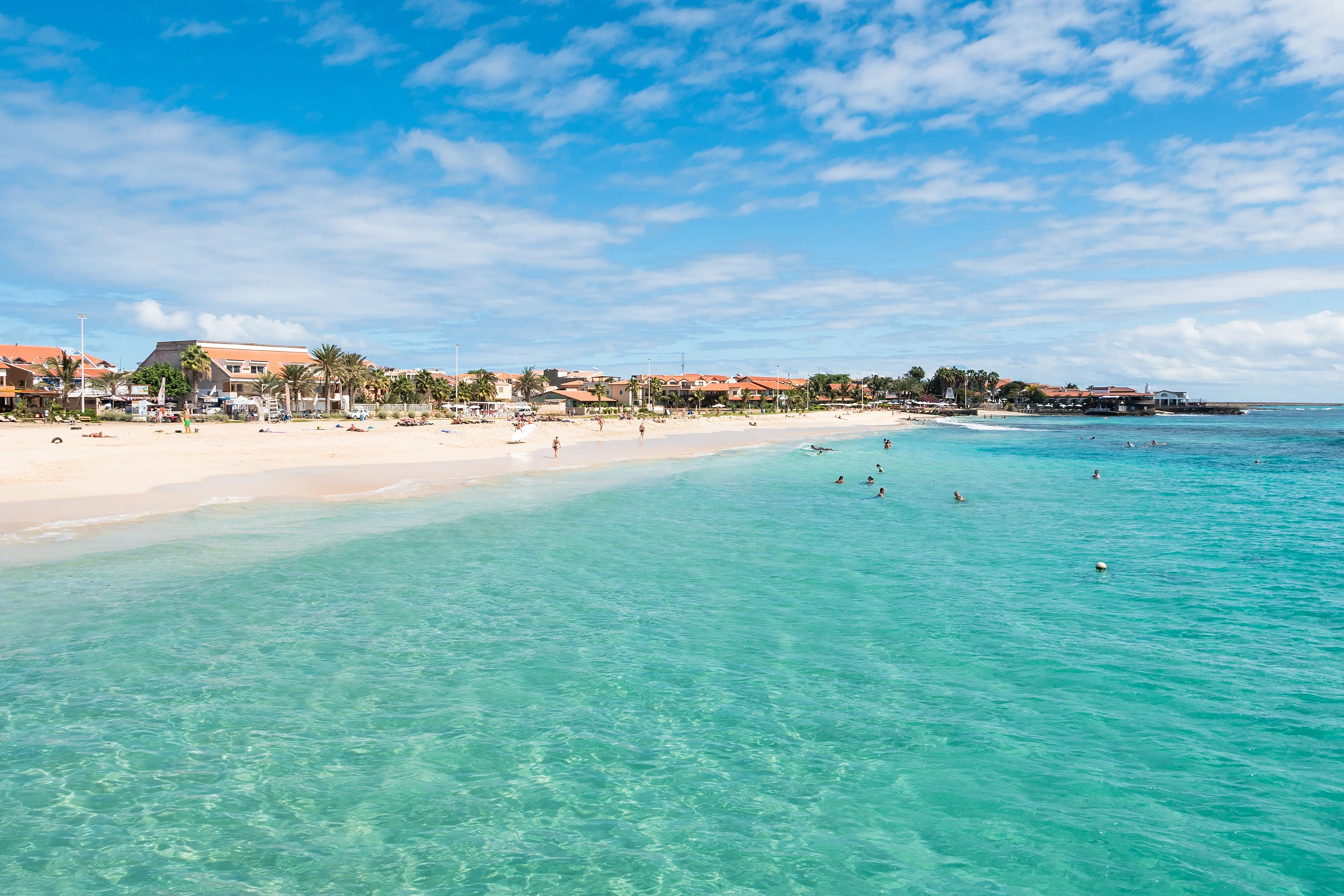
The beach in Santa Maria stretches for miles to the east. The sand is fine, and the water is shallow on the west side of the pier, making it ideal for kids. The further you get from the center, the emptier the beach becomes. Further along the west coast, the Ponta Preta break is strictly for experienced kitesurfers due to serious wave conditions.
Friendly tip: The Santa Maria market, tucked behind the main street, is the place to buy fresh fish and try local food at an honest price. Go in the morning before 10 AM when the fishermen drop off their catches.
The island beyond the beach
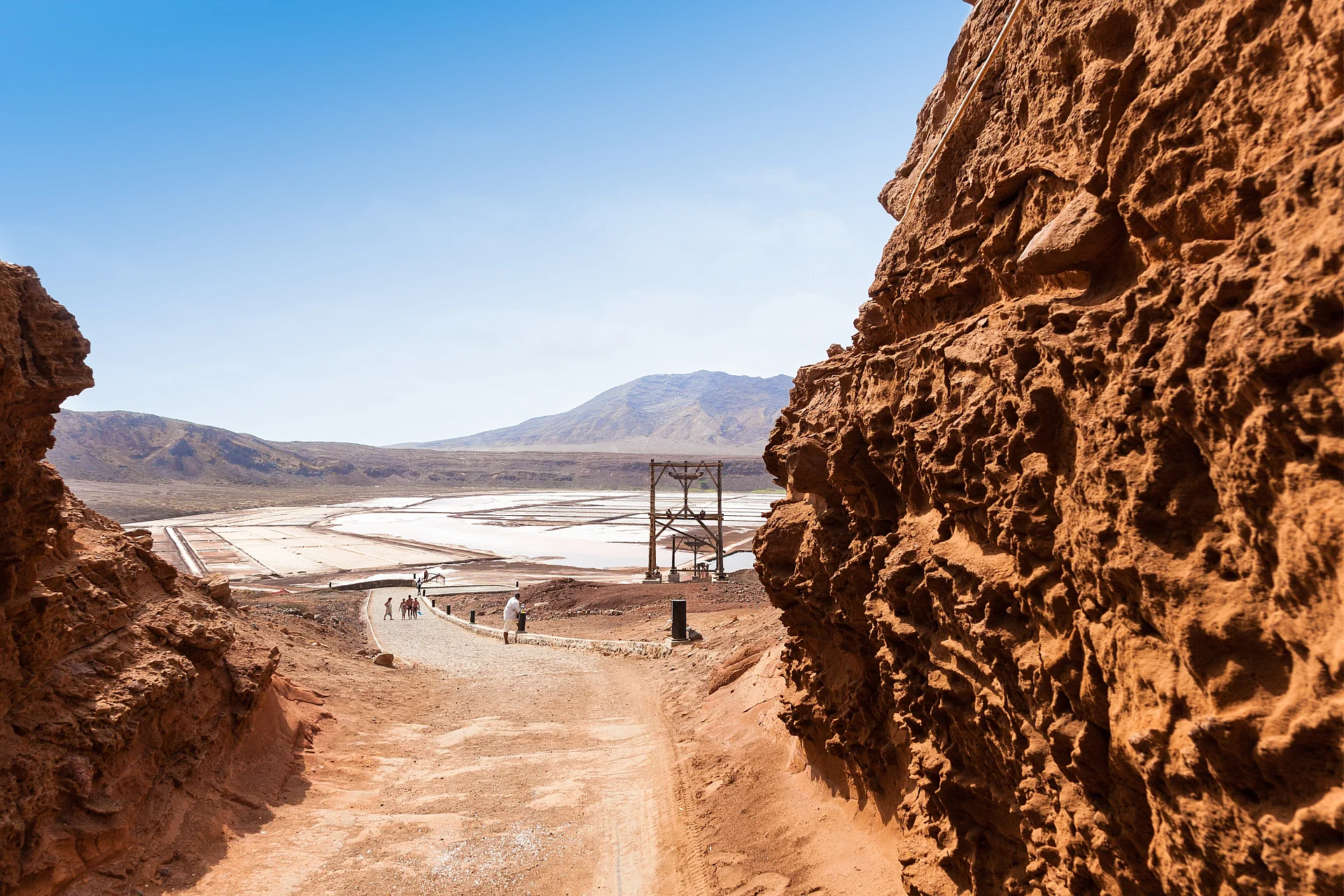
The Salinas de Pedra de Lume are the island's most unusual geological feature. These old salt pans carved into a volcanic crater let you float naturally due to high salt concentration, much like the Dead Sea. Access is through a tunnel carved right through the rock. The experience is brief but memorable.
Up north, the village of Palmeira houses the island's primary commercial port. It is less touristy and more raw. Colorful fishing boats and port activity give you a glimpse of Cape Verdean life away from the resort bubble.
The beach at Buracona on the northwest coast hides a rare sight: the Blue Eye, a natural cave where mid-morning sunlight beams a turquoise ray straight into a pool carved out of volcanic rock. The effect lasts only a few minutes, so arrive around 11 AM for the best lighting.
Water sports: the main reason to visit Sal
The northeast trade winds blow steadily between November and July, creating ideal conditions for kitesurfing and windsurfing. Several recognized schools operate in Santa Maria and out at Kite Beach a few miles east. Beginners love the shallow waters and safe sandy bottoms.
Diving is also worth your time. Sal's waters are clear, visibility is usually excellent, and the reefs harbor rays, sea turtles, and schools of barracuda. Wrecks accessible to intermediate divers round out the options.
Where to eat and drink in Sal?
The local specialty you should not miss is cachupa, a stew made from hominy corn, beans, and meat or fish depending on the household. Every Cape Verdean has their own recipe, and you will find the best versions in small eateries in Espargos, far from the tourist menus of Santa Maria.
For grilled fish, the restaurants on the Santa Maria pier serve tuna and swordfish caught that very morning. Quality is consistent, and prices remain reasonable as long as you skip the front-row beachfront tables.
Where to stay in Sal?
Most accommodations cluster in Santa Maria. Large all-inclusive resorts occupy the northern stretch of the beach. For a more local feel, downtown guesthouses offer better value and keep you right next to restaurants and the market.
A few villa and apartment rentals are popping up around Kite Beach, which is convenient if your trip focuses heavily on water sports.
How to get to Sal?
Amílcar Cabral International Airport receives direct flights from several European cities, including Paris, Lisbon, Amsterdam, and London. Flight time from Western Europe runs about 5 hours 30. Domestic flights connect Sal to the other islands in the archipelago, notably Santiago and São Vicente.
How to get around Sal?
In Santa Maria, you can walk everywhere. To explore the wider island, car rental gives you the most flexibility: expect $34 to $57* per day for a standard vehicle. Aluguer (shared minibuses) link the main villages for under $2.30*, though schedules run on island time.
When to go?
Sal has a near-desert climate boasting over 350 days of sunshine a year, with stable temperatures hovering between 22 and 30 °C. The prime window for water sports runs from November to July when the wind blows reliably. In August and September, the wind drops and the sea calms, though a Saharan dust haze (the bruma seca) can lower visibility and blanket the beaches in a fine orange dust.