Visiting Cameroon, the crossroads of Central Africa
Often called "Africa in miniature," Cameroon delivers a remarkable mix of distinct ecosystems, cultural traditions, and off-the-beaten-path terrain. Positioned where West Africa meets Central Africa, the country packs an incredible array of territory into its borders. If you want a trip that pushes past standard tourist loops, Cameroon makes a compelling destination.
A landscape of intense contrasts

Geography here shifts dramatically from south to north. Dense equatorial rainforests give way to arid northern savannas, punctuated by towering volcanic peaks and Atlantic coastline. Standing at 4,095 meters (13,435 feet), Mount Cameroon is the highest point in West Africa and a major draw for experienced hikers. Climbing this active volcano reveals sweeping views across the Atlantic and the surrounding savanna plains.
In the far north, national parks like Waza offer classic wildlife viewing where you can spot elephants, giraffes, and lions in their natural habitat. Down south, the Dja Faunal Reserve protects a vast, UNESCO-listed rainforest sheltering rare primate species and extraordinary plant life.

A cultural melting pot
More than 250 ethnic groups live side by side across Cameroon, creating a deep mosaic of languages, traditions, and daily customs. That diversity shows up immediately in the lively local markets, traditional music, and colorful textiles.

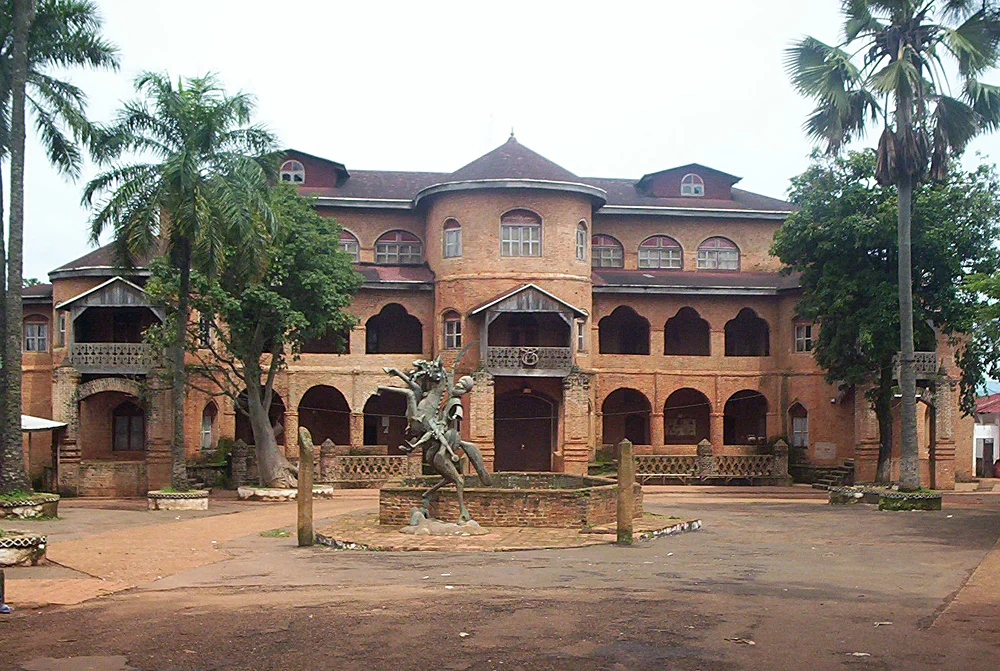
The country is well known for historic gatherings like the Ngondo festival, celebrated by the coastal Sawa people. Held annually in Douala on the banks of the Wouri River, this spiritual event honors ancestral roots through traditional rites and water ceremonies. Inland at Foumban, the royal capital of the Bamoun people, you can explore centuries-old craft traditions, palaces, and local museums.
Coastal escapes

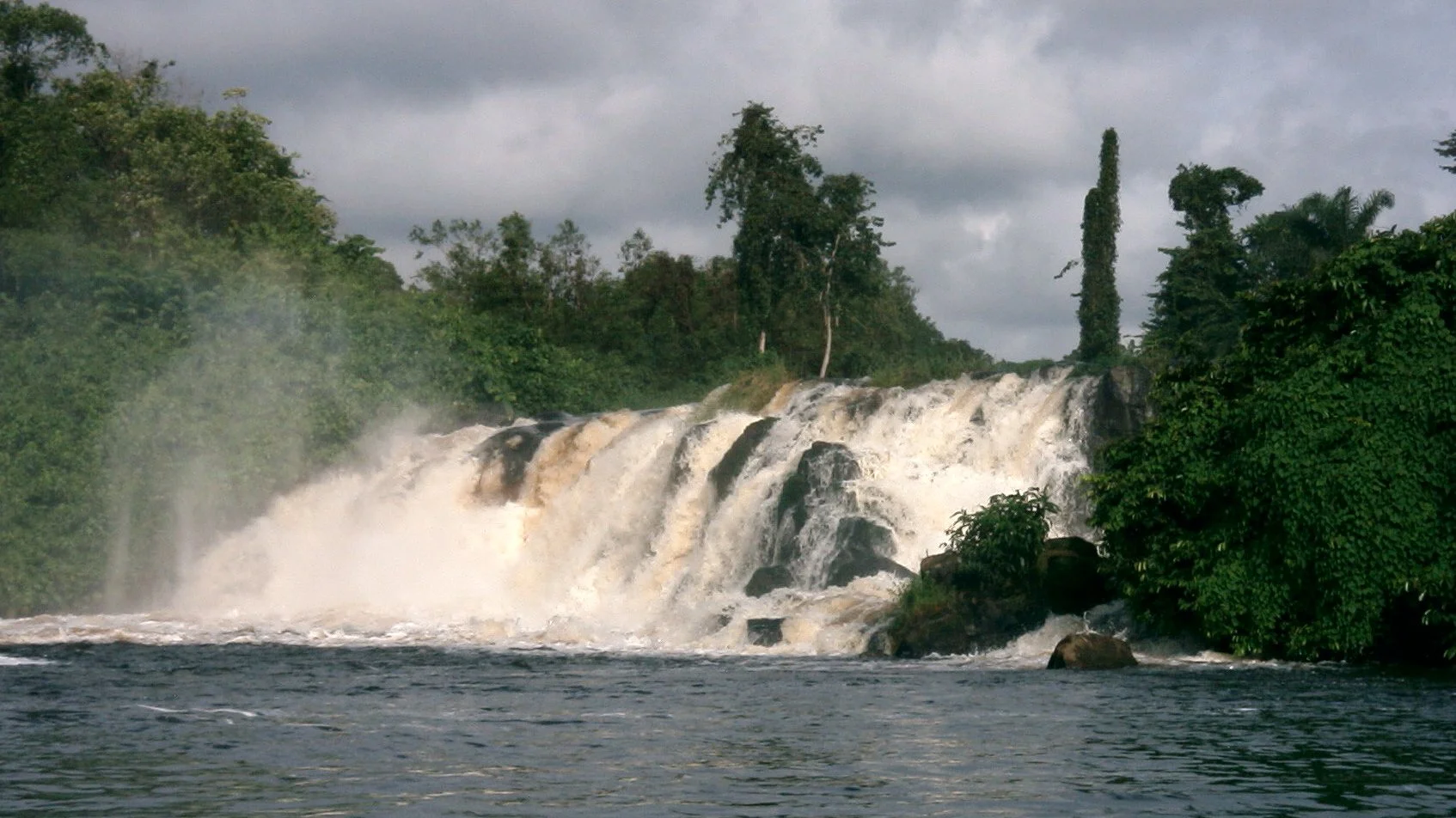
The southern coastline around Kribi offers quiet white-sand beaches and warm Atlantic waters. Just a short drive away, the Lobé Waterfalls cascade directly into the sea, an unusual geological feature found in very few places worldwide.

Further north, Limbe features dramatic black volcanic sand beaches backed by rainforests, serving as a gateway to the Korup National Park. Small fishing villages dot the coastline between these hubs, where locals regularly haul in the day's catch.
A bold, flavorful cuisine

Regional ingredients and ethnic traditions shape a distinct culinary identity. The signature dish is ndolé, a rich stew made from bitter leaves, ground peanuts, and shrimp or meat. In Douala, street grills serve up spiced poisson braisé (braised fish) paired with plantain or cassava rolls called bâtons de manioc.
Northern cooking leans into Sahel influences, using millet, rice, and lamb in hearty dishes. Open-air markets offer an introduction to tropical fruits and regional specialties.
When to go
The dry season running between November and February provides the best weather for travel. Lower rainfall makes road transport, mountain hiking, and wildlife safaris much easier to navigate.
How to get there
No airline flies nonstop from North America, so the trip connects in Paris, Brussels, Istanbul, or Addis Ababa before landing in Douala or Yaoundé, the country's two primary entry points. Airlines like Air France and Brussels Airlines fly the European legs regularly, with round-trip economy fares typically ranging between $570 and $1,020*.