1
Recommander
sousse
Ville : SousseCommentaires Ajouter un commentaire
foggyLe 30/08/2014
L'endroit a l'air sympa... Mais elle est un peu pixelisée l'image, non ? :p
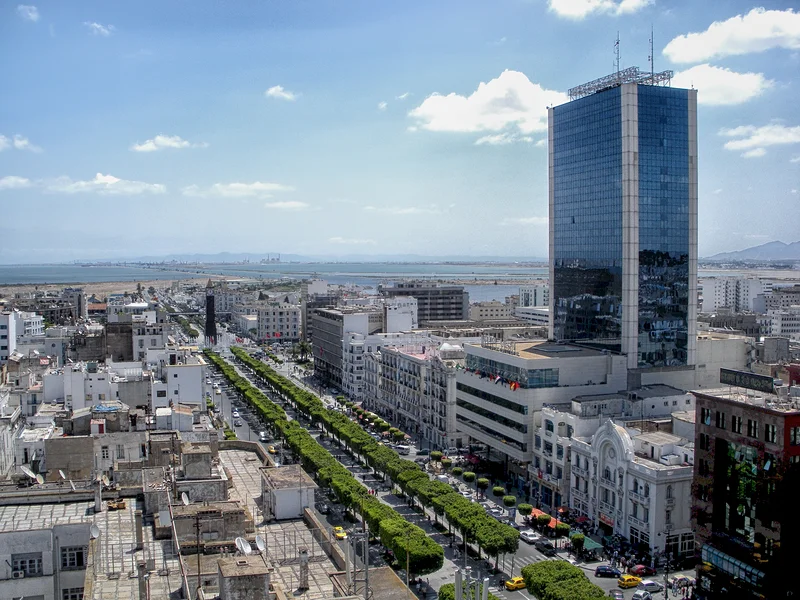
La Tunisie, se situe au nord du continent africain. Il est séparé de l’Europe par une distance de 140 kilomètres au niveau du canal de Sicile.
Disposant d’une superficie de 163 610 km214, le pays est limité à l’ouest par l’Algérie avec 965 km de frontière commune, au sud-est par la Libye avec 459 km de frontière et au nord et à l’est par la mer Méditerranée avec 1 298 km de côtes.
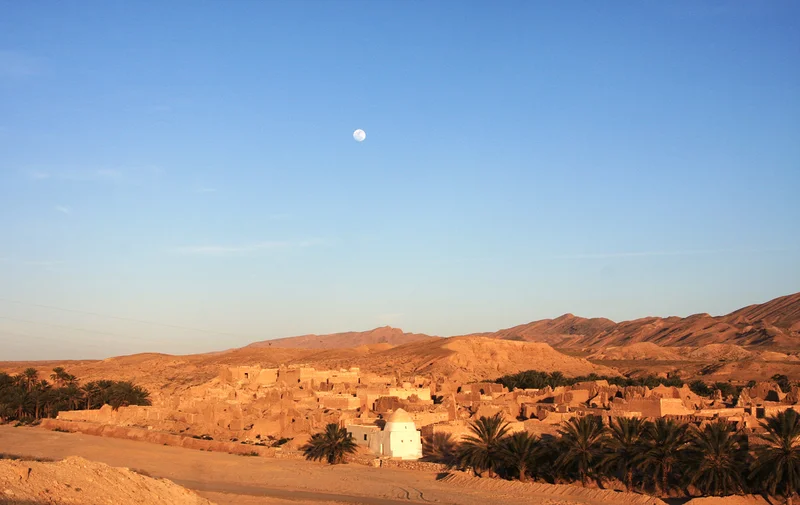
Le désert du Sahara occupe une superficie comprise entre 33 % et 40 % du territoire selon qu’on le définisse d’après son aridité ou selon des caractéristiques paysagères.
La superficie des terres à vocation agricole est estimée à dix millions d’hectares, réparties en cinq millions de terres labourables, quatre millions de parcours naturels et un million de forêts

5 likes2 commentaires
S'informer sur les lieux tagués dans cet album
Les destinations
|
Tous droits réservés à l'auteur
Faire des dons gratuits
Financez gratuitement les associations de votre choix en publiant des photos de voyage !
Plus vos photos seront recommandées, plus les dons versés par Avygeo aux associations que vous parrainez seront élevés.
Commentaires (1)
borhenLe 30/08/2014
Avis posté le 28/08/2014 par wazzaa
CLIMATE
Tunisia's climate is temperate in the north, with mild rainy winters and hot, dry summers. The south of the country is desert. The terrain in the north is mountainous, which, moving south, gives way to a hot, dry central plain. The south is semiarid, and merges into the Sahara. A series of salt lakes, known as chotts or shatts, lie in an east-west line at the northern edge of the Sahara, extending from the Gulf of Gabes into Algeria. The lowest point is Shatt al Gharsah, at 17 metres (56 ft) below sea level and the highest is Jebel ech Chambi, at 1,544 metres (5,066 ft). According to the customs of the Troglodytes, to avert perishing by dehydration in the hot sand dunes, the locals drink a good quantity of water, eat some food, then drink a measure of olive oil. This seals the stomach, so that the water is released slowly into the system. After consumption, they do not eat or drink until the following day,
Inscrivez-vous
ou
identifiez-vous
pour ajouter un commentaire