
Visiting Tayrona National Park: a wild sanctuary between jungle and the Caribbean Sea
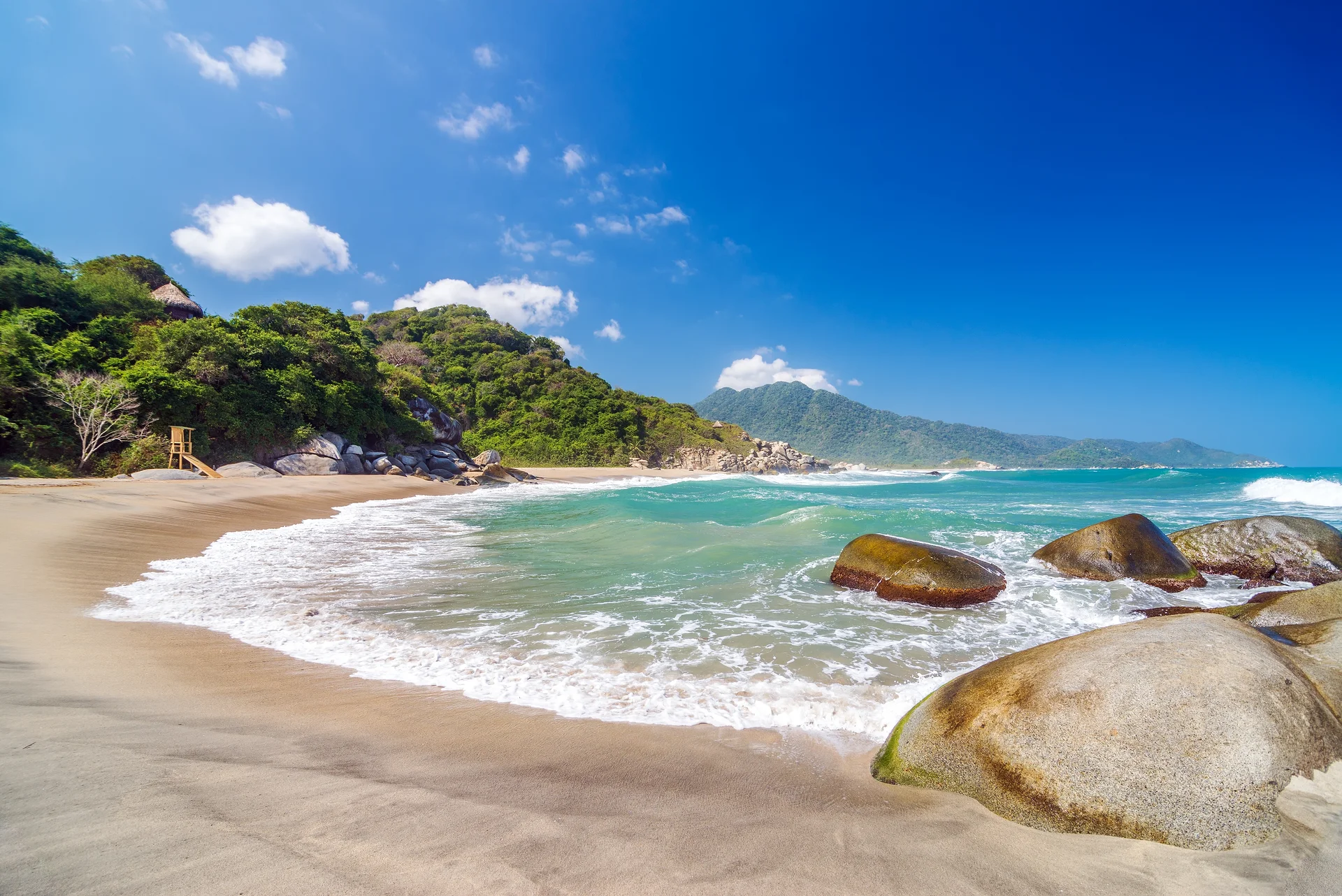
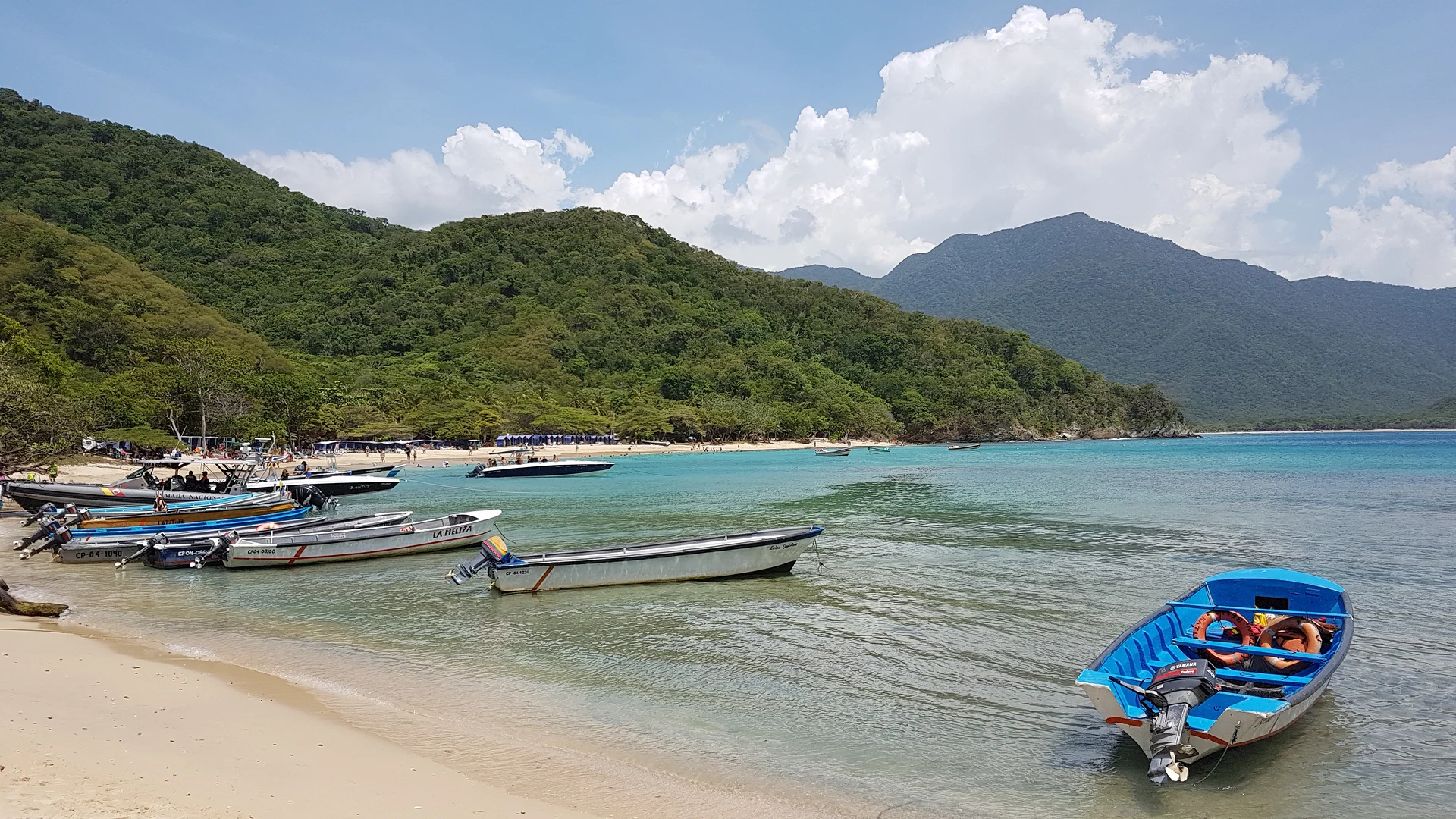
Thirty-four kilometers of pristine coastline where the Sierra Nevada mountains drop sharply into the turquoise waters of the Caribbean Sea. Tayrona National Park features dreamlike beaches framed by massive granite boulders, while howler monkeys and iguanas roam this landscape that has been protected for thousands of years.
Why does Tayrona National Park fascinate so many?
This natural gem protects one of the last intact coastal ecosystems in Colombia. Established in 1964, the park is home to exceptional biodiversity, including 108 species of mammals, 300 species of birds, and preserved coral reefs. Archaeological ruins bear witness to the millennium-old presence of the Tayrona people, who considered these lands sacred.
This reserve, covering 15,000 hectares of land and 3,000 hectares of sea, illustrates the Colombian philosophy of conservation: strict protection paired with limited, respectful tourism.
Legendary beaches of the Caribbean coast
Each cove reveals a unique landscape shaped by millions of years of erosion. Cabo San Juan dazzles with its natural lagoon, which is protected from the waves and ideal for safe swimming. Its iconic lighthouse perched on a rock offers one of the most photographed views in Colombia.
La Piscina lives up to its name with calm, clear waters that act as a natural aquarium for tropical fish and stingrays. Pink granite boulders form quiet tide pools perfect for cooling off after a hike under the tropical sun.
Arrecifes is impressive for its powerful waves crashing against coral reefs, but be aware: swimming is strictly prohibited due to dangerous currents. This wild beach is better suited for observation than for getting in the water.
Local tip: Arrive at Cabo San Juan before 10 a.m. to snag the best spots under the coconut palms. In the afternoon, the sun is relentless and shade becomes scarce.
Hiking and wildlife watching
The trail network spans 9 kilometers from the El Zaino entrance to Cabo San Juan. The trek begins in a dry tropical forest before winding along the rocky coastline. Expect to spend 2 to 3 hours hiking, depending on your pace and the inevitable photo stops.
Howler monkeys signal the sunrise with their signature calls that carry for several kilometers. These 7-kilogram primates move through the canopy without fearing humans. Green iguanas sunbathe on the rocks and can reach up to 2 meters in length.
Pueblito: ruins of the Tayrona civilization
This archaeological site, accessible via a 4-kilometer trail from Cabo San Juan, reveals circular terraces and stone staircases carved by the Tayrona. These 1,000-year-old remains showcase a sophisticated civilization that mastered terrace farming and goldsmithing.
The hike passes through a primary rainforest where the songs of 300 bird species echo. Note that this extension requires a full day and a decent level of physical fitness.
Marine and terrestrial ecosystems
The park's seafloor contains some of the best-preserved coral reefs on the Caribbean coast. Thirty-one species of coral create a habitat for 110 species of mollusks and 401 species of crustaceans. Sea turtles come to nest on isolated beaches between May and September.
The mangroves of Neguanje serve as an essential nursery for many marine species. These amphibious forests naturally filter freshwater before it reaches the sea, maintaining the delicate balance of the coastal ecosystems.
On land, jaguars and pumas move quietly through the wooded highlands, though sightings are rare. Tapirs and white-tailed deer frequent the most remote areas of the park, far from the tourist trails.
Opening hours
*Information subject to change