
Visiting Montserrat Abbey
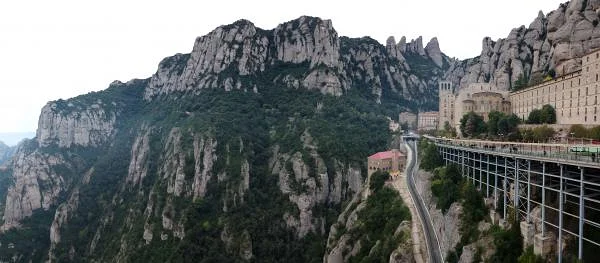
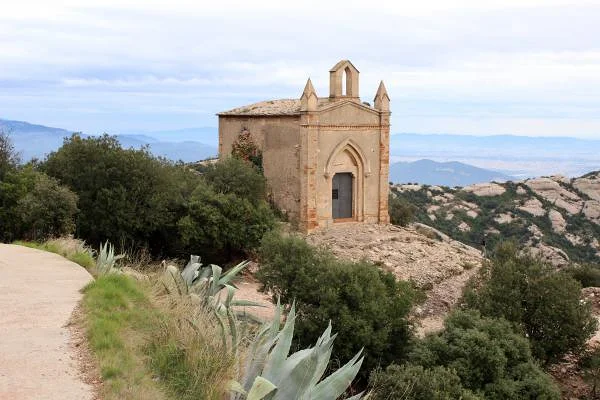
Located thirty-seven miles from Barcelona at an elevation of 4,055 feet, the Montserrat massif is a geologic standout. The rock is composed of ancient conglomerate, weathered over time into towering cones and jagged spires. It is here, nestled into this dramatic landscape, that you find the Benedictine Abbey of Santa Maria de Montserrat. By the 9th century, four small chapels had already turned this remote peak into a significant destination for pilgrims.
A site dedicated to the Black Madonna
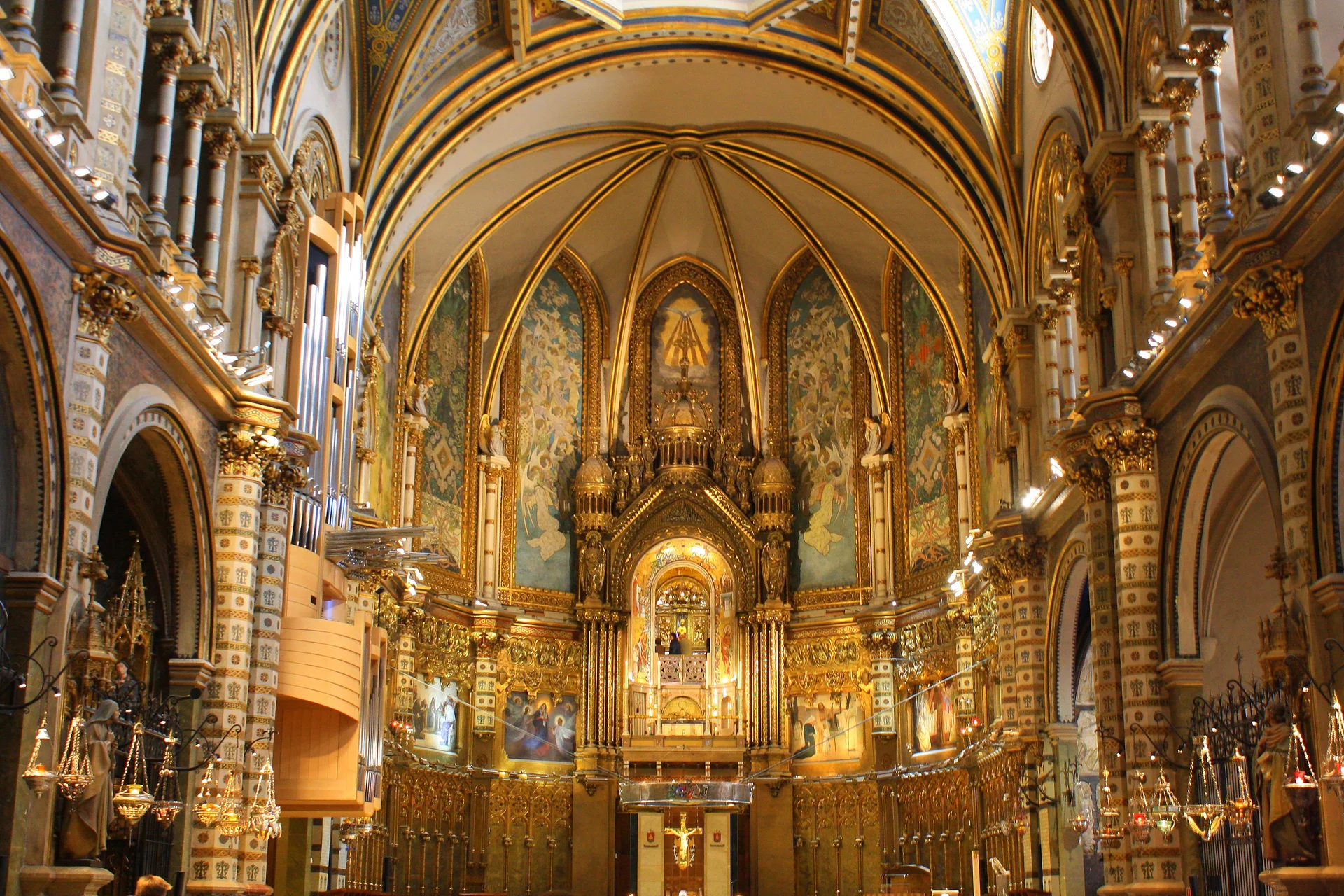
They say faith moves mountains, but at Montserrat, it built them. In 880, local shepherds reported seeing lights and hearing music emanating from the mountain at dusk. After this occurred four times, the bishop investigated and reportedly discovered an image of the Virgin in a cave, now known as the Santa Cova. A chapel was established soon after, followed by the founding of a monastery in 1025. By the 12th century, a Romanesque church was added, which is when the statue of the Black Madonna, affectionately known as the Moreneta, was crafted. Today, she is housed in the basilica completed in 1592, serving as the spiritual anchor for this site. Many pilgrims still wait in line to touch her hand, seeking miracles and healing. Visiting this religious complex perched at 2,365 feet along the mountainside is striking, both for its sheer verticality and its architectural detail. From the Gothic church and Renaissance-style cloister to the Byzantine-Romanesque nave, the site is a layered experience. You will find a courtyard with a water feature, a heavy stone altar, and chapels designed by artists such as Utrillo. The bicolored marble square and the intricate facade of the monastery are particularly notable. A museum featuring works by Picasso, Caravaggio, Dali, and Miro rounds out the visit to Montserrat Abbey, which remains a unique stop in Spain.

Not too far from Barcelona, which is modern and festive, this ancient abbey perched on its rocky peaks offers you a radically different experience. An improbable place, coming from elsewhere and from the past.