
Visiting Costa Rica: When Nature Calls the Shots
Howler monkeys screaming overhead, active volcanoes trailing smoke on the horizon, sea turtles hauling themselves up empty beaches at night to lay their eggs. Costa Rica is not a backdrop, it's a living, breathing place where the natural world runs the show. Slow down, pay attention, and it'll show you something genuinely raw.
Is Costa Rica the right trip for you?
If your idea of a great vacation involves hiking up volcanic slopes, surfing the Pacific, and spotting wildlife in actual jungle, this country delivers. Ecotourism enthusiasts and anyone who likes their travel active will feel right at home here.
That said, go in with realistic expectations. Costs can run higher than you'd expect for Central America, roads in rural areas are genuinely rough, and the weather does what it wants, especially during rainy season. This is a trip that rewards people willing to roll with it.
Tropical forests and active volcanoes
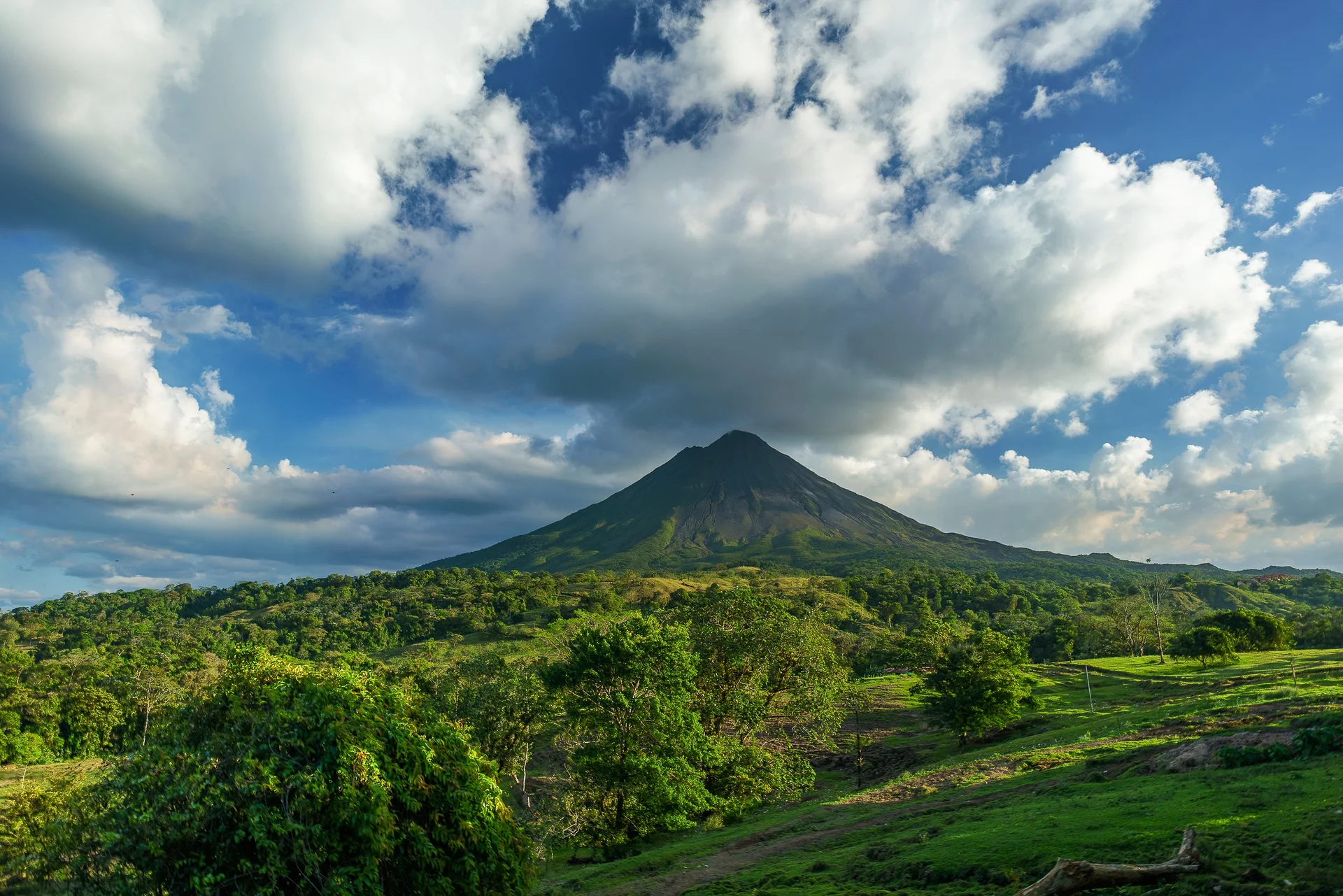
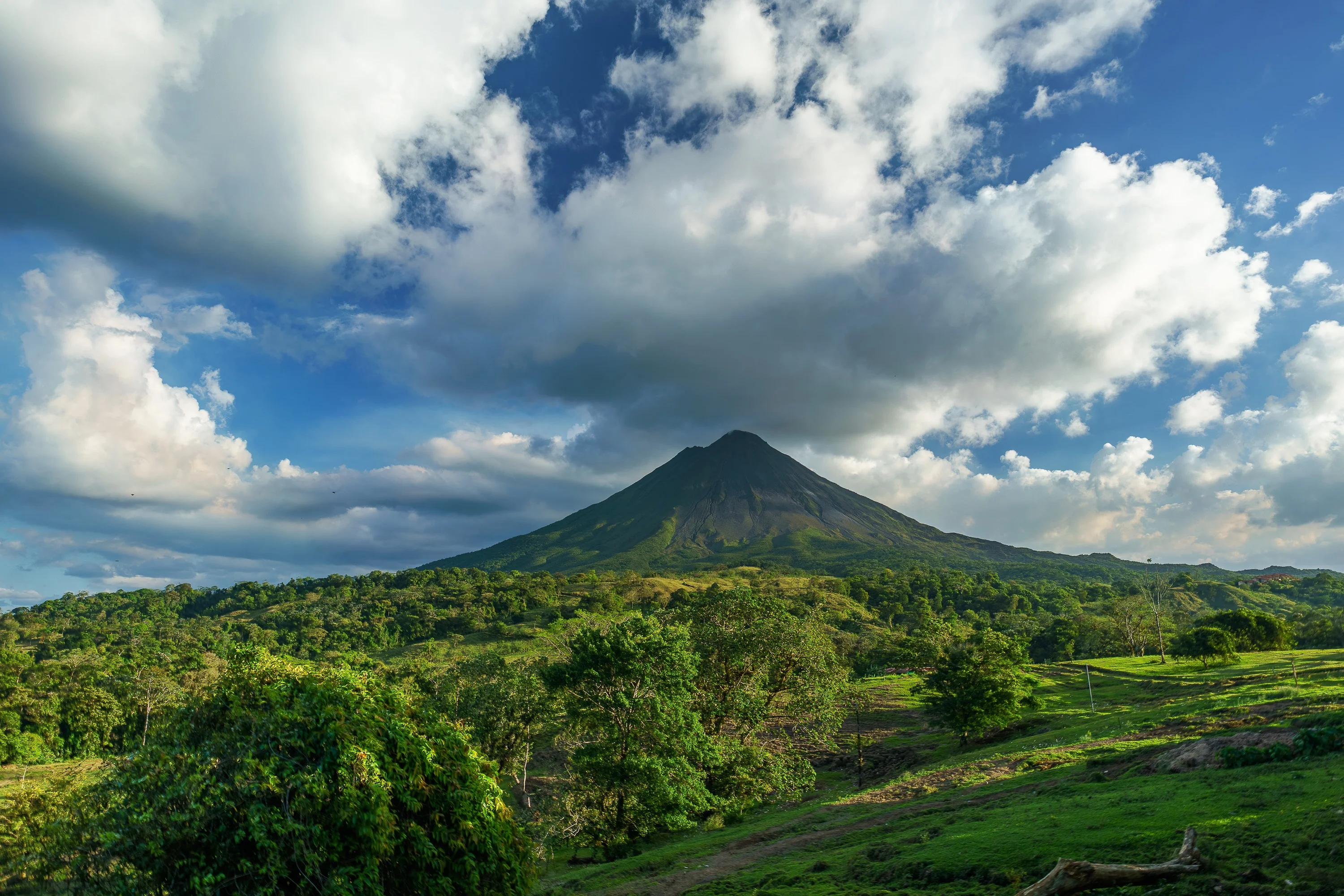
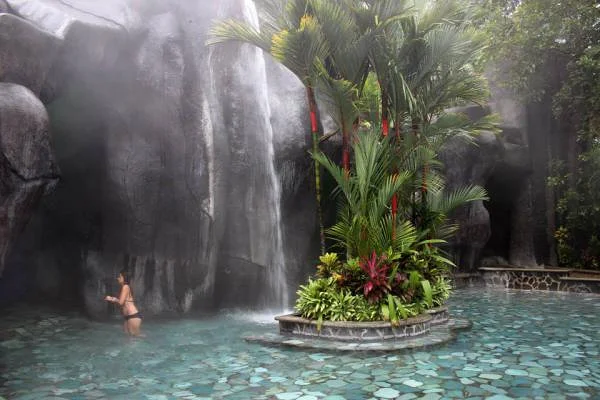
The interior of the country is dominated by dense tropical forest. Tortuguero National Park is best explored by dugout canoe, drifting past monkeys and caimans along jungle waterways. Inland, Arenal Volcano looms over its surrounding region, and after a hike, soaking in one of the natural hot springs nearby is exactly as good as it sounds.
For something more atmospheric, the cloud forest of Monteverde delivers. Suspension bridges run through the canopy, and if you're patient and lucky, you might spot a resplendent quetzal, one of Central America's most striking birds, with tail feathers that can stretch longer than its body.
Insider tip: Pack waterproof boots, not just waterproof shoes. Trails get muddy fast, even during dry season.
Two oceans, two completely different vibes
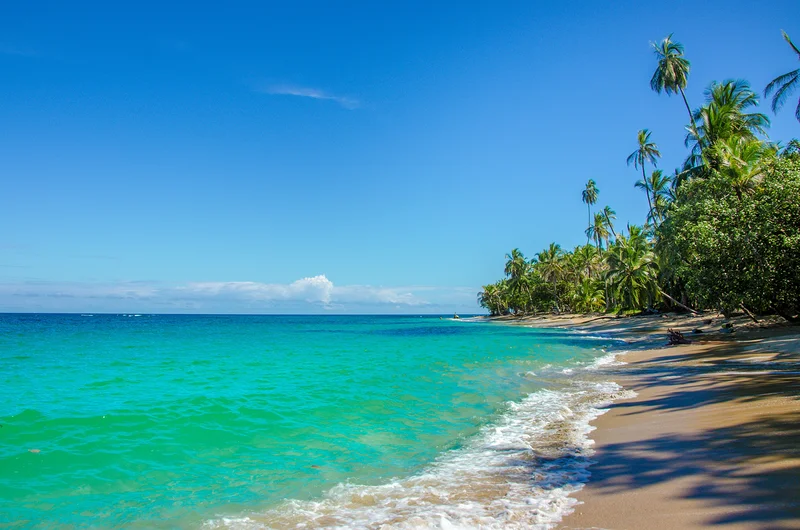
Costa Rica borders both the Caribbean and the Pacific, and the two coasts feel like different countries. On the Caribbean side, Puerto Viejo is the hub for travelers who want reggae, laid-back beach bars, and wild coconut-palm-lined shores with minimal crowds.
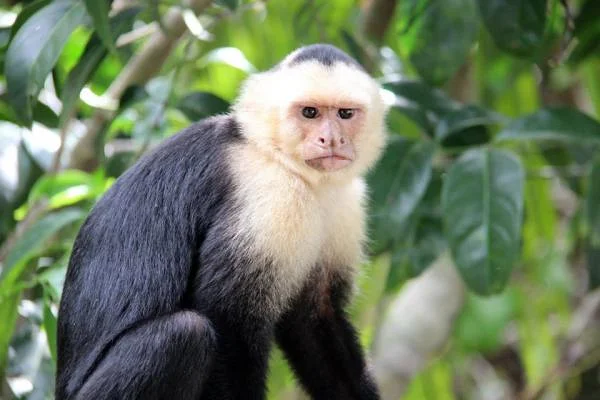
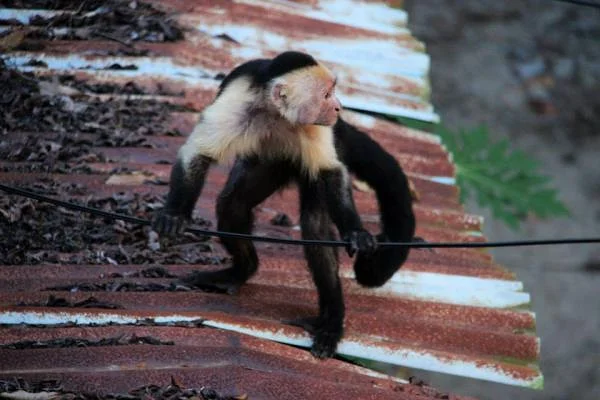
The Pacific coast is where most of the action is. The Nicoya Peninsula draws surfers and yoga retreaters. The Manuel Antonio area combines white-sand beaches with a national park full of white-faced capuchin monkeys. Further south, the Osa Peninsula is about as close to untouched wilderness as you'll find in Costa Rica, home to jaguars and scarlet macaws.
Insider tip: If you want quieter beaches, head to the southern Pacific coast. It sees a fraction of the traffic that Nicoya does.
The pura vida way of life
Costa Ricans live by the phrase pura vida, literally "pure life," but it's less a translation and more a whole philosophy: keep it simple, stay positive, treat people well. You'll hear it used as a greeting, a response, a farewell. After a few days, you'll start using it yourself.
San José, the capital, gets skipped by a lot of travelers, which is a mistake. It has good markets, interesting museums, and a local cultural scene that doesn't cater to tourists. Outside the city, hospitality in smaller towns and villages is the kind that actually sticks with you.
Adrenaline activities and responsible tourism
For thrill-seekers, the options are serious. White-water rafting on the Pacuare River is some of the best in the Americas. Zip-lining over the canopy is practically a national sport here. And diving around Cocos Island, a remote Pacific outpost, puts you in the water with hammerhead sharks in numbers that are hard to believe until you see them.
What makes Costa Rica stand apart from other adventure destinations is its genuine commitment to conservation. More than a quarter of the country's territory is protected, and many lodges run on renewable energy and operate with real sustainability practices, not just marketing language.
Insider tip: Book local guides for excursions. They know the terrain far better than anyone else, and your money goes directly into local communities.
Costa Rican food: straightforward and satisfying
The food here is honest and filling. Gallo pinto, a mix of rice and black beans cooked together, is the national breakfast and genuinely good. For lunch, the go-to is a casado: a full plate of meat or fish, rice, fried plantains, and salad, the kind of meal that keeps you going through a long hike.
Tropical fruit shows up everywhere: papaya, pineapple, mango. Coffee drinkers will be happy to know that Costa Rican beans are consistently among the best in Latin America, and you can visit the plantations that produce them.
When to go to Costa Rica
Dry season runs December through April. The sun is out, the roads are passable, and everything is easier. It's also peak season, so prices go up and popular spots fill quickly. Rainy season, May through November, brings lush green landscapes and thinner crowds, but heavy rain can make getting around in some regions genuinely difficult.
September and October are the wettest months on the Caribbean coast specifically. The Pacific coast tends to stay more manageable through the rainy season.
Getting to Costa Rica
From the US, you have good options. Most direct flights land at San José, but Liberia, in the northwest, is worth considering if you're heading straight to the Pacific beaches since it cuts out a long drive. US citizens do not need a visa for stays up to 90 days, just a valid US passport with enough remaining validity and proof of onward travel.
You can also cross overland into Nicaragua or Panama, but border crossings here can be slow and unpredictable. Budget extra time if you go that route.
Getting around Costa Rica
Local buses are cheap and cover most of the country, but journeys take a long time. Renting a car gives you real flexibility, though it comes with caveats: roads can be badly potholed, signage is inconsistent, and one-lane bridges are everywhere. A 4WD is worth the upgrade if you're venturing off the main routes.
For longer distances, domestic flights connect San José to remote regions and save hours of travel. Boats are the only way in to some areas entirely, including Tortuguero and parts of the Osa Peninsula.