
Visiting Jasper National Park
Jasper National Park, located in the province of Alberta, is the largest of the Canadian Rocky Mountain parks. It encompasses 11,000 square kilometers of protected wilderness.
History
During the early 1800s, a route was discovered through the Rockies to the north at Athabasca Pass. Because this route was vital for the fur trade, Jasper Hawes established a trading post for the North West Company.
By 1900, Yellowhead Pass, at the park's western edge, was selected as the site for railway construction across the Rockies.
The Jasper Forest Park was established in 1907, eventually being designated a national park in 1930. It was later recognized as a World Heritage Site by UNESCO in 1984.
Wildlife and Vegetation
The lower elevations of the park are covered in dense forest. You will primarily find pine, poplar, birch, and spruce trees. As you move up the mountainside, fir trees become dominant. High above the tree line, you will find no trees, but a variety of alpine plants add color to the peaks.
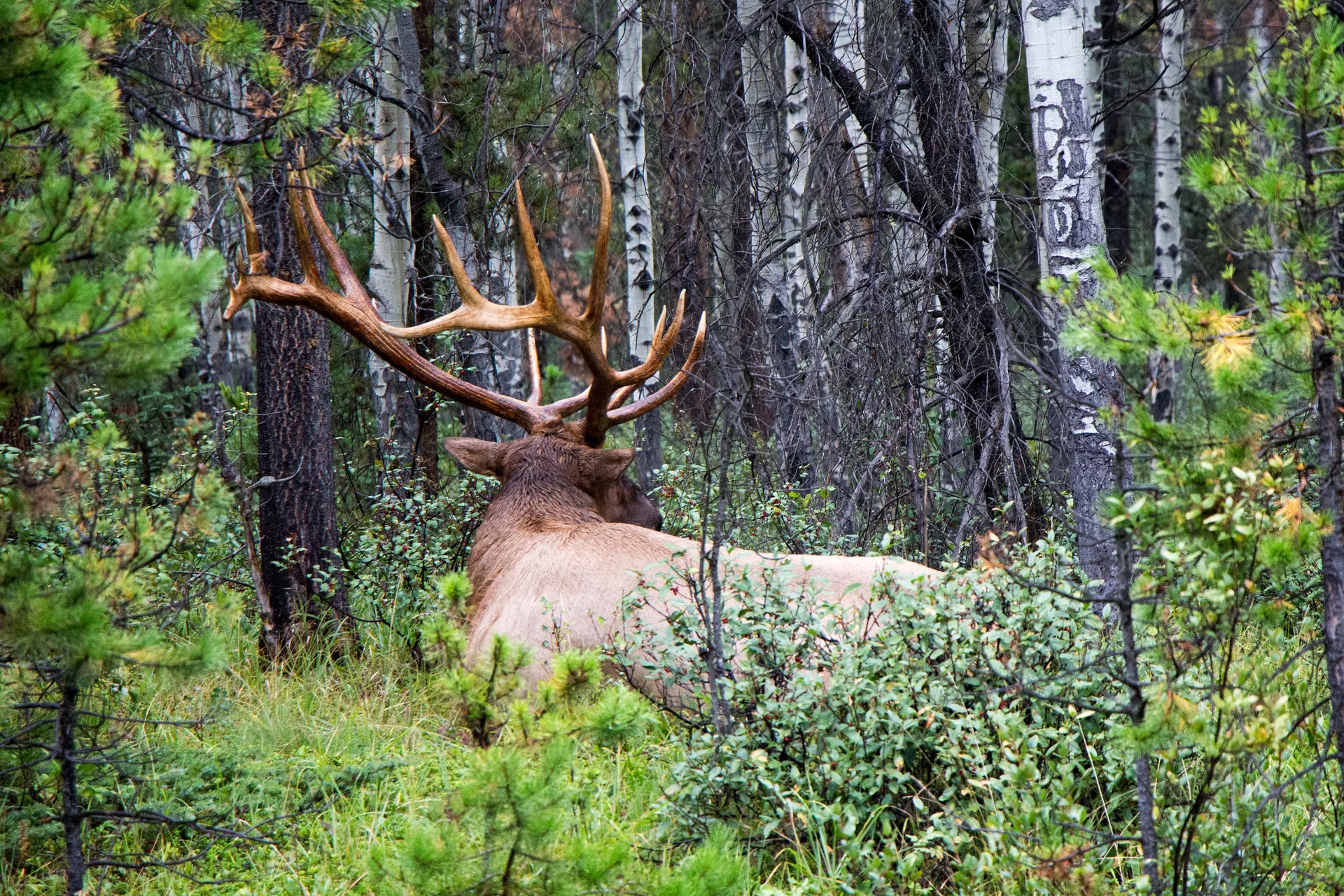
You can see many animals in the wild. Deer, caribou, bighorn sheep, elk, and mountain goats inhabit this nature reserve. While they are safe from hunters, they share the landscape with coyotes, wolves, cougars, lynx, and grizzly bears.
Birdwatchers will find plenty to see, as the park is home to over 300 bird species, including the impressive golden eagle and the white-tailed ptarmigan.
Activities
Beyond nature walks, fishing, and camping, you can also go kayaking, rafting, or skiing. If the water feels a bit cold, Miette Hot Springs will certainly be more appealing.
This is a preserved sanctuary and a primary destination for nature lovers.
Opening hours
*Information subject to change

Beautiful hikes in the mountains, lakes and waterfalls, incredible landscapes.
We also spotted elk and sometimes bears.