
Visiting the Archaeological Museum in Zadar
In the charming, fortified ancient city of Zadar, you will find one of the most significant museums in Croatia, the Archaeological Museum! It stands as one of the oldest cultural institutions in the country, and indeed in Europe, having been established in 1832. Inside, you will discover extensive collections of artifacts and sculptures spanning from the Prehistoric era through the Middle Ages.
Collections documenting the history of Dalmatia through the 11th century
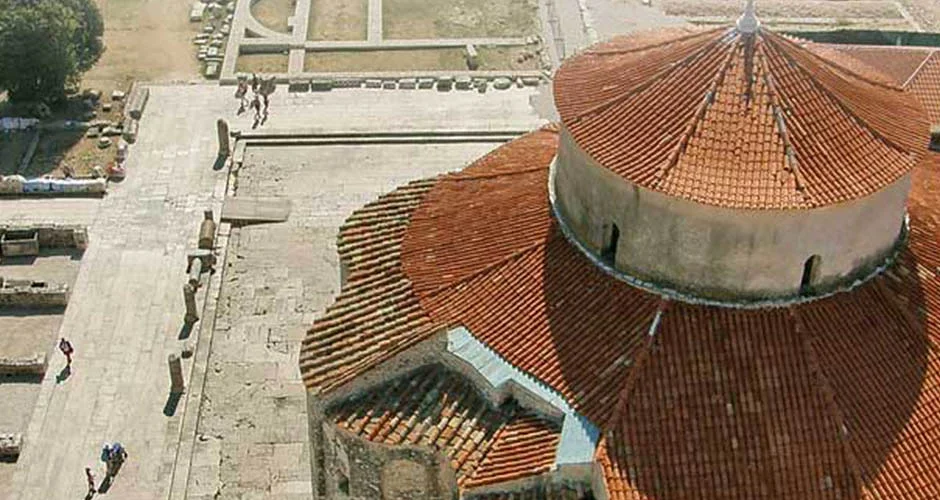
The Archaeological Museum of Zadar tells a distinct story of its own. From the late 19th century until 1954, it was housed within the deconsecrated Church of Saint-Donat while the current building was being constructed. The modern architecture of the museum, with its glass facade, was designed as a nod to the Church of Saint-Donat and the Roman Forum, both of which sit on the same square and are deeply tied to the history of the institution.
Today, the Archaeological Museum of Zadar holds nearly 100,000 objects representing the various cultural and historical eras of Dalmatia. Evidence suggests human presence on the Dalmatian coast dating back more than 15,000 years. About 2,700 years ago, the area was inhabited by the Liburnians, a society of traders and sailors. Numerous art pieces and everyday items in the museum chronicle the life of this civilization, which was annexed by the Romans starting in the second century BC.
A unique record of Zadar's prosperity through the ages
Spread over three floors, the museum also covers the Middle Ages, a time when Zadar experienced an intellectual and artistic peak. As a free city, it was eventually annexed by the Republic of Venice. Facing pressure from Slavic and Croatian populations moving from the interior, Venice undertook the construction of an impressive system of fortifications around Zadar. These walls are still standing today and are listed as a UNESCO World Heritage site.

Through the display of small artifacts, or conversely, large statues and monumental sarcophagi, this museum will teach you a lot about the Greek, Roman, and Medieval history of Dalmatia.