
Visiting the Prince Felipe Science Museum
The Prince Felipe Science Museum is a landmark located in Valencia dedicated to natural science and technology. Spanning 42,000 square meters, it currently holds the title of the largest museum in Spain. The museum is a centerpiece of the City of Arts and Sciences, a massive complex that also houses a planetarium, the Hemisfèric, an oceanarium, the Oceanogràfic, and an opera house, the Palais des Arts Reina Sofía.
A Symbolic Cultural Project in Valencia
The City of Arts and Sciences project began in the late 1980s when Joan Lerma, then president of the autonomous community, initiated the concept and selected local architect Santiago Calatrava Valls to lead the design. The complex was built on the former riverbed of the Turia, a river that was diverted after several devastating floods in Valencia.
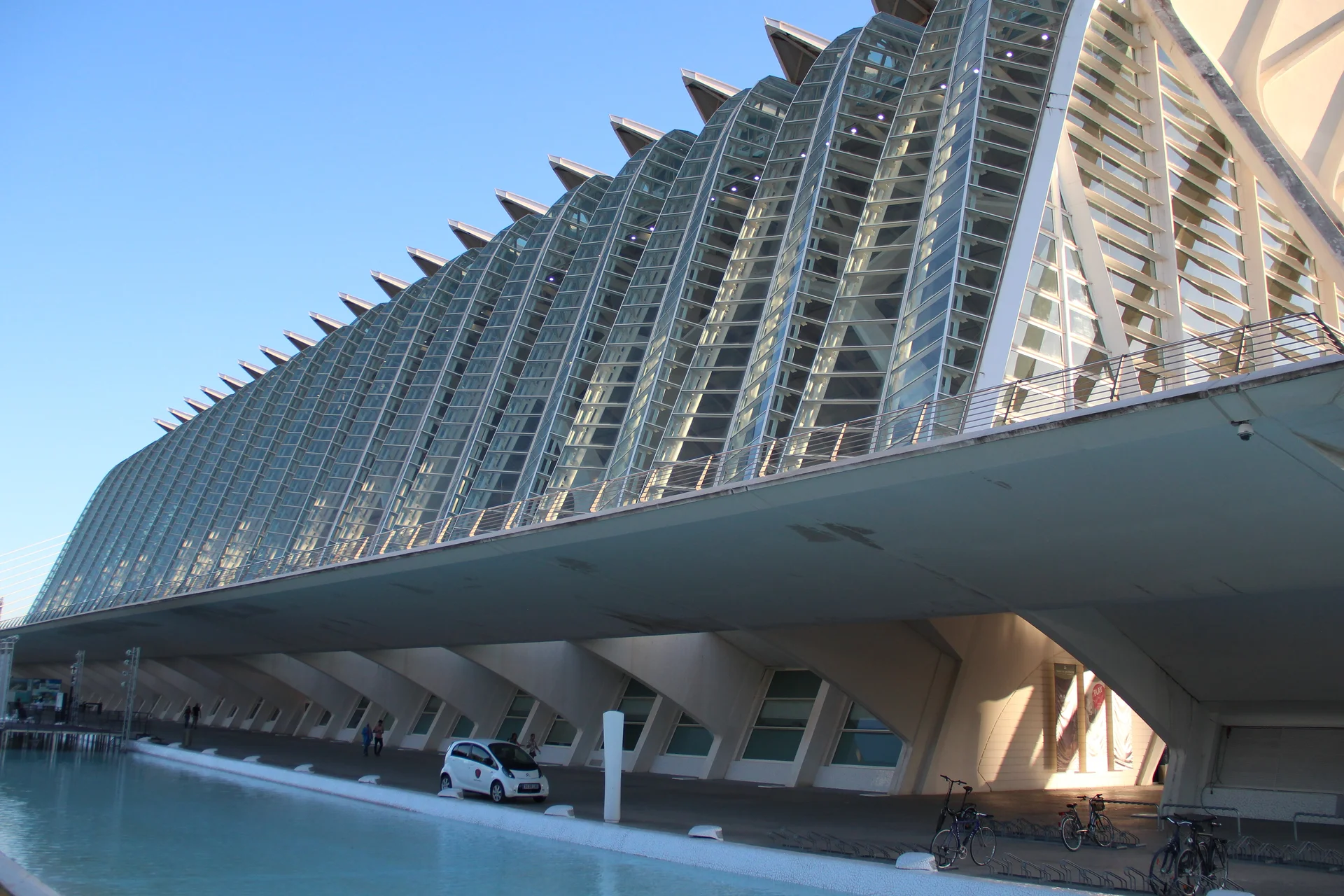
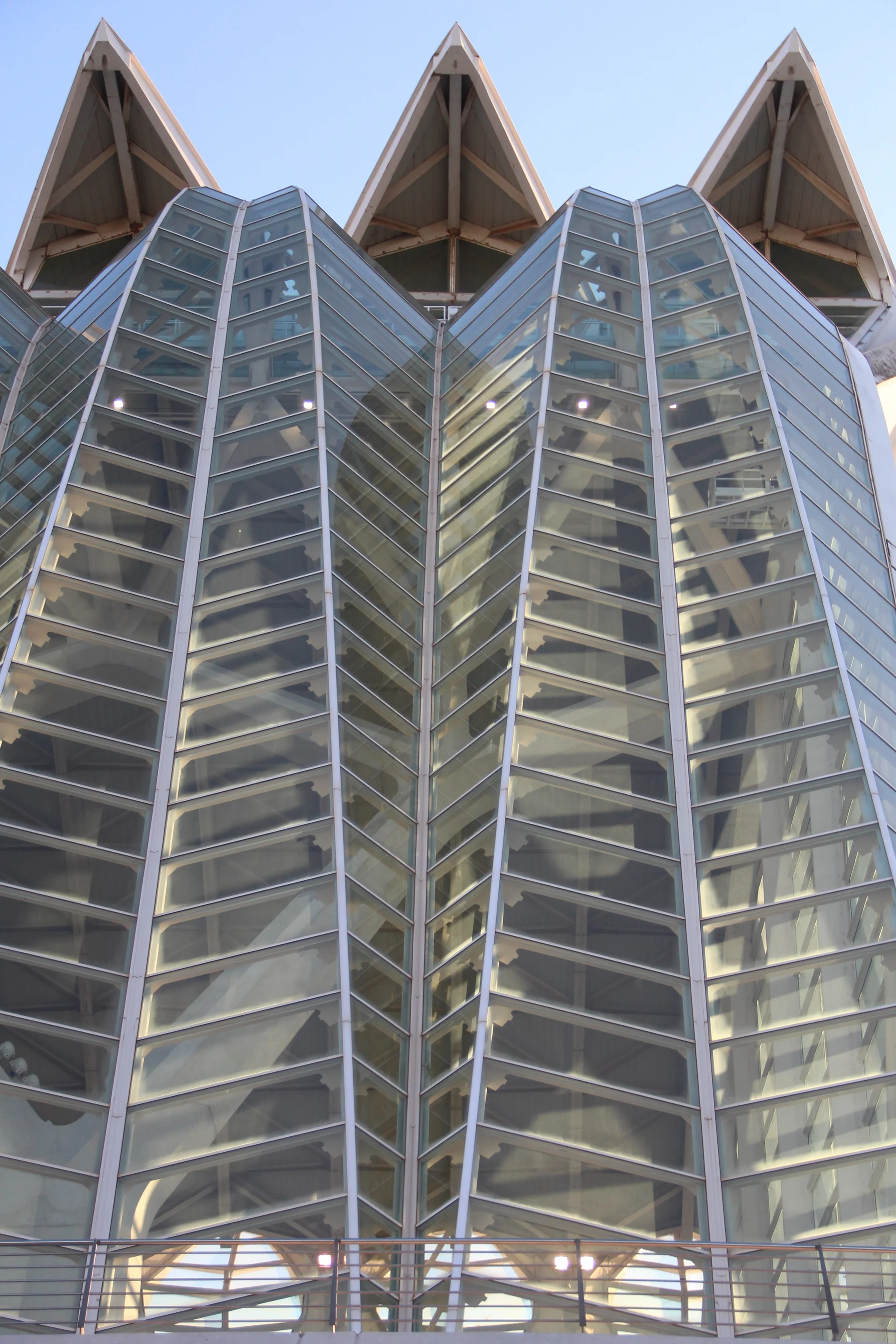
The Prince Felipe Science Museum is shaped like the massive skeleton of a prehistoric creature, with ribs pointing toward the sky, mirroring the scientific themes explored inside. The institution covers subjects ranging from human and animal evolution to technological progress and the measurement of time and space. The museum motto encourages visitors to engage with the exhibits: "Forbidden not to touch, not to think, not to feel."
Exploring the Science Museum
On the level of the Carrer Mayo, you will find a Foucault pendulum, which demonstrates the rotation of the Earth, alongside a fifteen-meter-tall DNA molecule model.
The museum spans three floors. The Exploratorium on the first floor showcases various aspects of natural science and technology, such as the inner workings of an ant colony. The second floor is dedicated to the research of three Nobel Prize winners.

Just like everything else in the complex, it has incredible architecture by the famous Santiago Calatrava, a local architect from Benimàmet, northwest of Valencia. Inaugurated at the end of 2000, it is the largest museum in Spain. Definitely something to visit and see.