
Tanguy Tower: A medieval sentinel guarding the memory of Brest
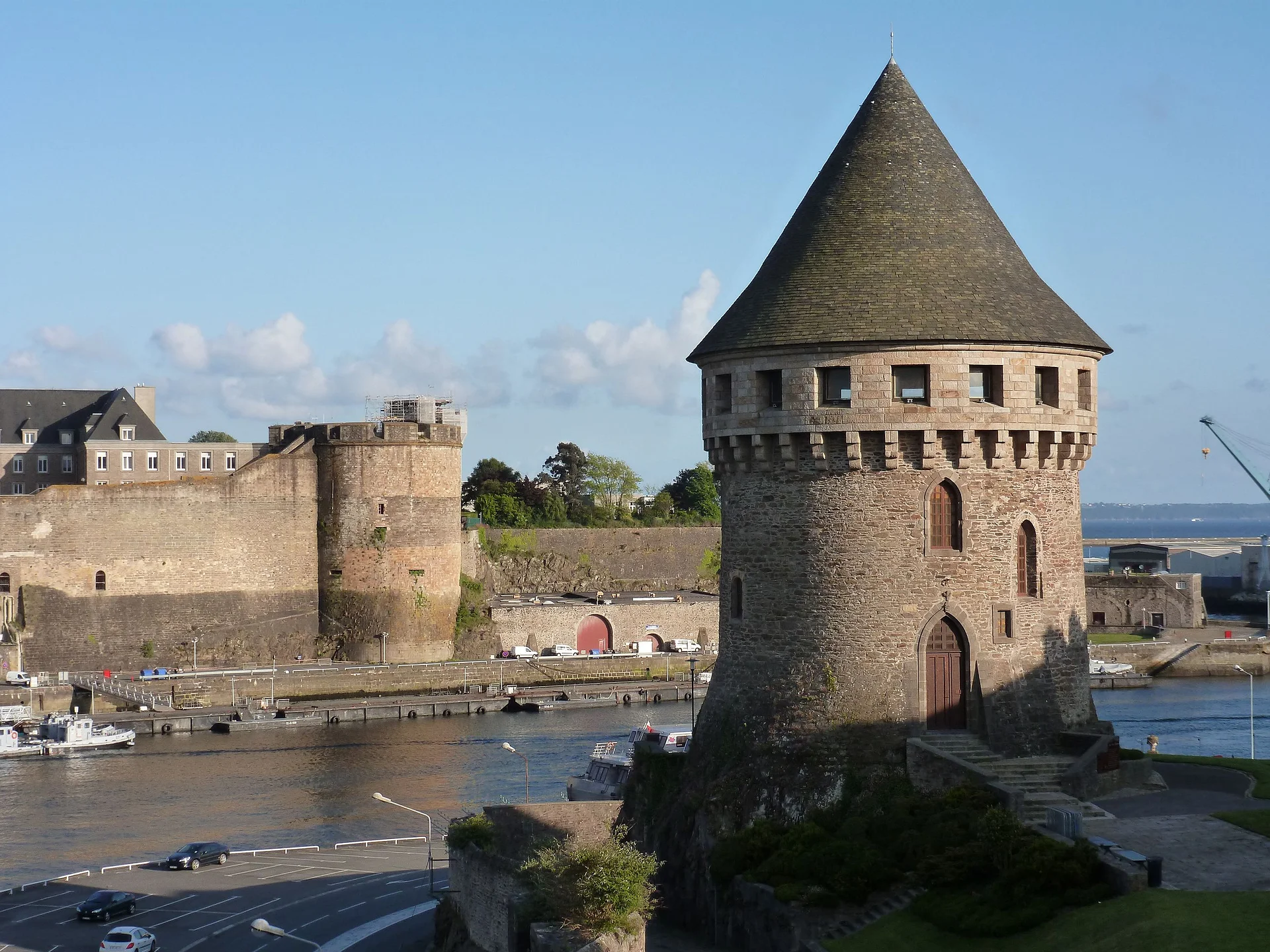
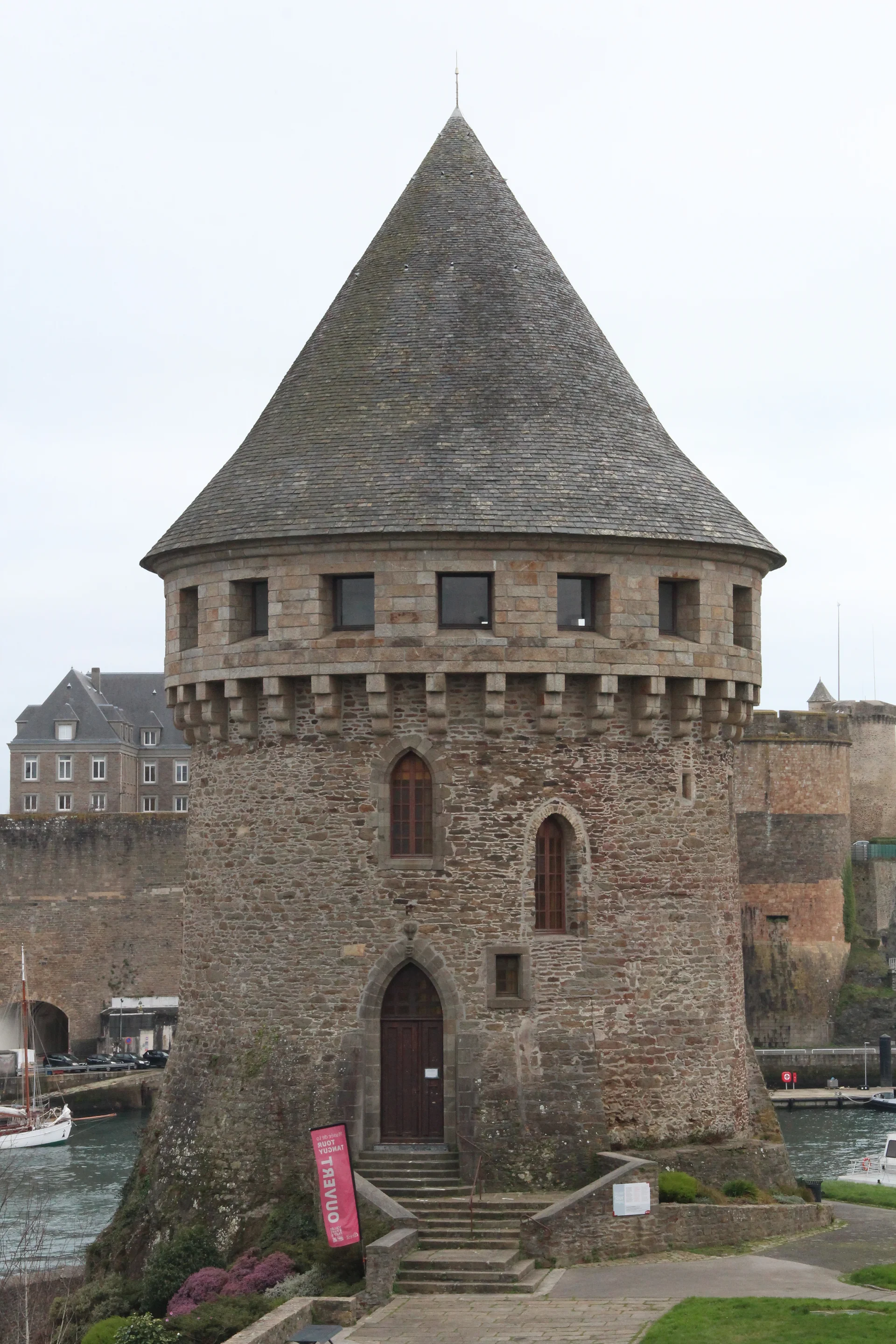
Perched on a rocky outcrop overlooking the Penfeld river, Tanguy Tower has faced the castle of Brest for six centuries. The stones of this medieval fortress have endured wars, occupations, and heavy bombardment. Today, it houses a unique journey through time, showcasing the Brest that vanished before the widespread destruction of 1944.
A structure shaped by history and change
The tower was likely built in the 1380s during the siege of the castle of Brest by Duke John IV of Brittany as he fought against English forces. Known as the bastille of Quilbignon, it later served as a seigneurial court until 1580. Over the following centuries, it changed hands repeatedly, moving from the Rohan-Guéméné family to royal ownership, and finally becoming national property sold after the French Revolution.
Converted into a private residence in the 19th century, the tower barely survived the fighting during the Liberation in 1944. The city of Brest acquired the site in 1954 and commissioned the painter Jim-E. Sévellec to recreate the pre-war city. The museum opened in 1962. A comprehensive 2023 renovation modernized the exhibits to provide a more poignant and immersive experience.
The dioramas of Jim Sévellec: Bringing old Brest back to life
Fourteen dioramas occupy the first two floors of the tower. These detailed models function as three-dimensional photographs, reconstructing scenes of life in Brest between the 14th and 20th centuries. Every detail matters, from the slick cobblestones of the rue de Siam in 1918 to American soldiers out on the town, local women at the market near the tower, and the storefronts of the bar de l'Aviation in 1934.
The artist captured everything from umbrellas and advertising posters to specific shop signs. These recreations preserve the atmosphere of picturesque neighborhoods that were razed by Allied bombing. It is a moving experience to realize that this lively city now exists only here, within these illuminated miniatures.
Key moments in the history of Brest
Some dioramas highlight significant historical events. One depicts the final battle of the Marie de la Cordelière against English ships in 1512. Another shows the arrival of Napoleon III in Brest in 1858, greeted by officials and the crowd. These reconstructions combine historical accuracy with artistic talent.
A refreshed experience since 2023
The recent renovation transformed the visit. An audio guide is now available, immersing visitors in the intimate history of the site through the voice of a local who recounts the story of the tower. Sound and light effects animate several restored dioramas, creating striking moods.
The third floor, which was closed to the public for a long time, is now the highlight of the visit. The 360-degree panoramic view encompasses the harbor, the castle, the Recouvrance bridge, and the naval installations. Using augmented reality, projections overlay the Brest of the past onto the current landscape, creating a sharp contrast between the medieval city and the modern reconstruction.
Practical information for your visit
A self-guided tour takes about 90 minutes. Admission is free, making this heritage site accessible to everyone. Periodic guided tours organized by the local tourism office are available for those who want a more in-depth experience.
Pro tip: Make sure to climb to the third floor for the panoramic view and the augmented reality experience. This is where the visit truly comes together, allowing you to visually compare medieval Brest with the contemporary city. Aim for late afternoon for softer light over the harbor.

A very nice little museum. I really liked the place. The most interesting part was discovering the city before the damage from the war. There are a lot of models and dioramas to check out. And for me, the most enjoyable part is discovering all the little details. A nice bonus: you also get a short introductory film at the beginning. And on top of that, it is free!