
Visiting the Ferry Building
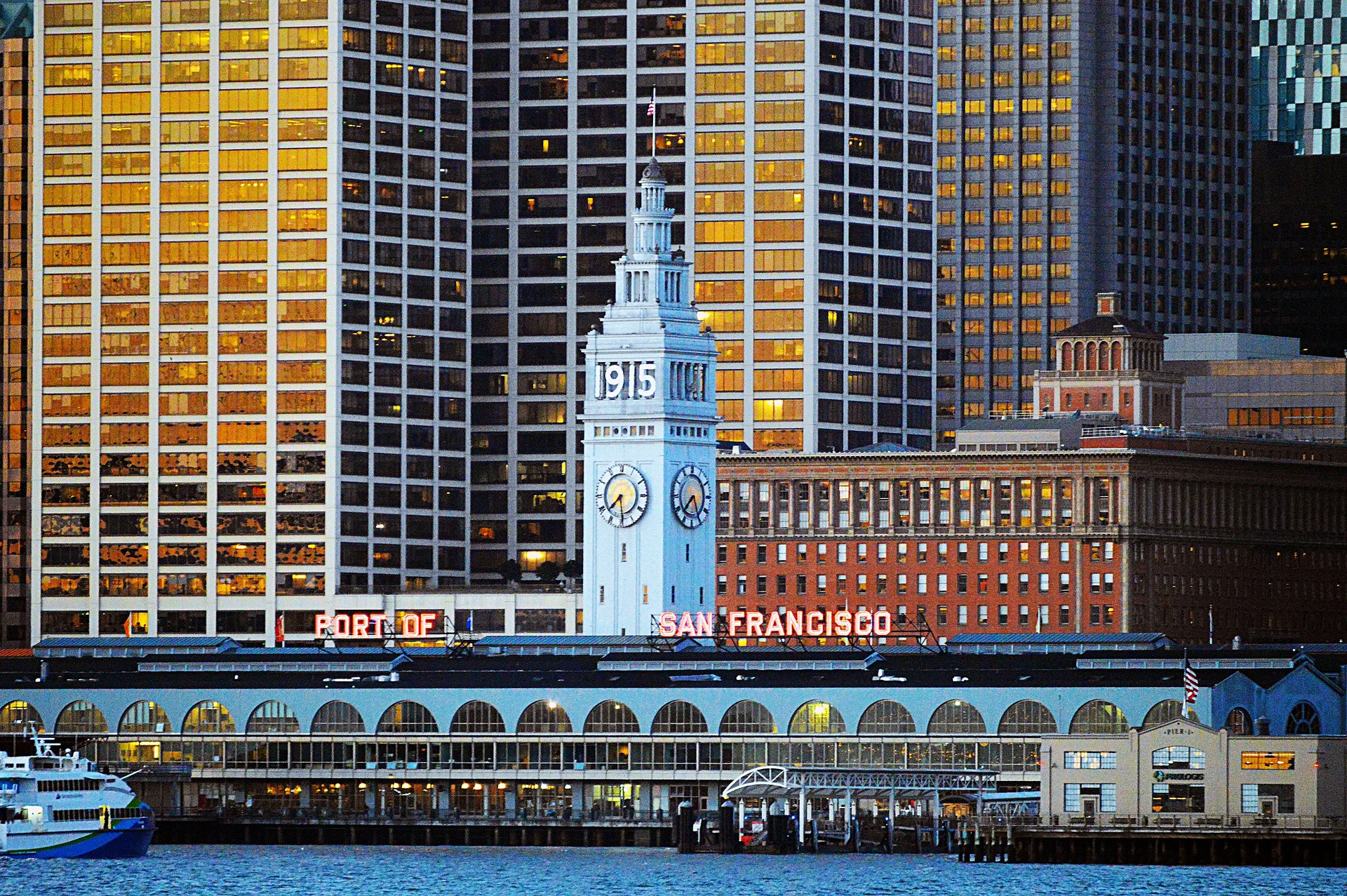
Planning for the Ferry Building began in 1892, but the structure officially opened in 1898 in the city of San Francisco. The clock tower that anchors the building was modeled after the Giralda in Seville.
The Ferry Building stretches over 200 meters, yet it remains one of the few structures to survive the 1906 earthquake. You can view an exhibit of historical photographs documenting this period inside the building today.
For decades, it served as the largest transit terminal in the world, handling more than 50,000 people per day. As ferry traffic declined, the space was repurposed into a commercial hub that now focuses on restaurants and specialty shops.
A feast for the senses
A feast for the senses is the motto of the Ferry Building Market Place. You can still catch a ferry to travel across the bay, but most visitors now come for the diverse, local market. The fishmonger stalls are known for the freshness of their catch, and the produce section is one of the most respected organic markets in the city. You will find numerous wellness shops and local producers under the arches of the Ferry Building Market. Honeys, jams, and sauces are so well regarded that many local restaurant chefs source their ingredients here. The independent bookstores and the resident ceramicist are also among the most popular stops in the market.
Events
The combination of these views and the historic architecture makes the building a high-demand venue. It hosts weddings and seminars throughout the year.
This survivor of the 1906 disaster is a worthwhile stop if you are spending time in San Francisco.
Opening hours
| Monday | 10:00-19:00 |
|---|---|
| Tuesday | 10:00-19:00 |
| Wednesday | 10:00-19:00 |
| Thursday | 10:00-19:00 |
| Friday | 10:00-19:00 |
| Saturday | 08:00-18:00 |
| Sunday | 11:00-17:00 |

Unlike many American shopping malls that go overboard with space and lights, the Ferry Building in San Francisco has real character. It is a pleasure to come here to grab a drink, do some window shopping, and sit by the Bay.
The building dates back to the 19th century, back when there were no bridges to cross the bay yet and thousands of commuters took the ferry daily to make the crossing.