
Visiting Cork
Cork is the second-largest city in Ireland after Dublin. The city owes its growth to a natural harbor, often cited as one of the largest in the world behind Sydney. The historic center sits on an island carved out by the Lee River. This is home to St Patrick’s Street, the city's main artery lined with shops, restaurants, and entertainment venues. Nearby, you will find the English Market, a covered food hall operating since 1788 that feels like a more intimate, European version of Seattle's Pike Place Market. While downtown, check out the Crawford Art Gallery, which holds a collection ranging from the 17th century to the present.
Between Modernity and Tradition
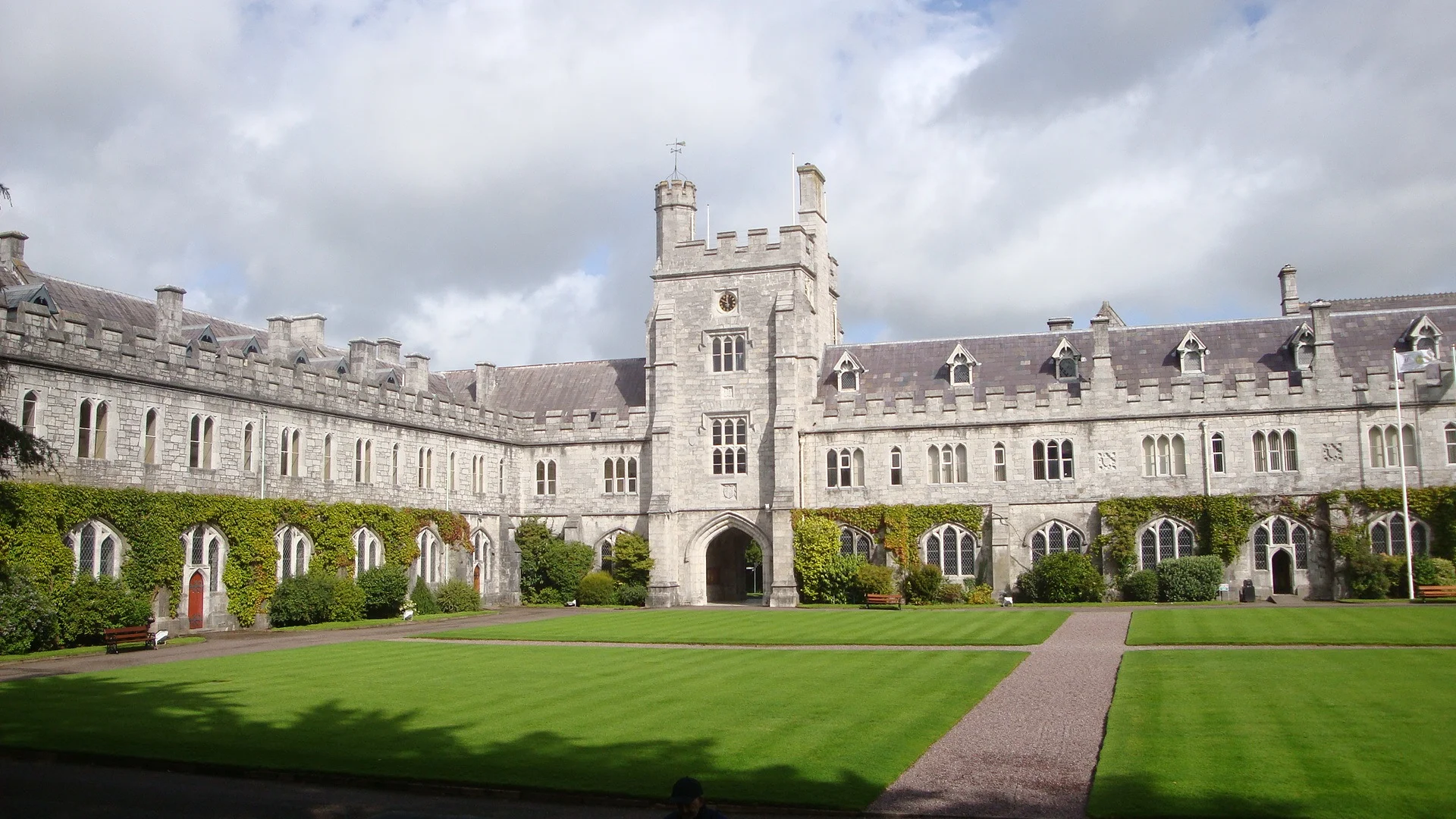
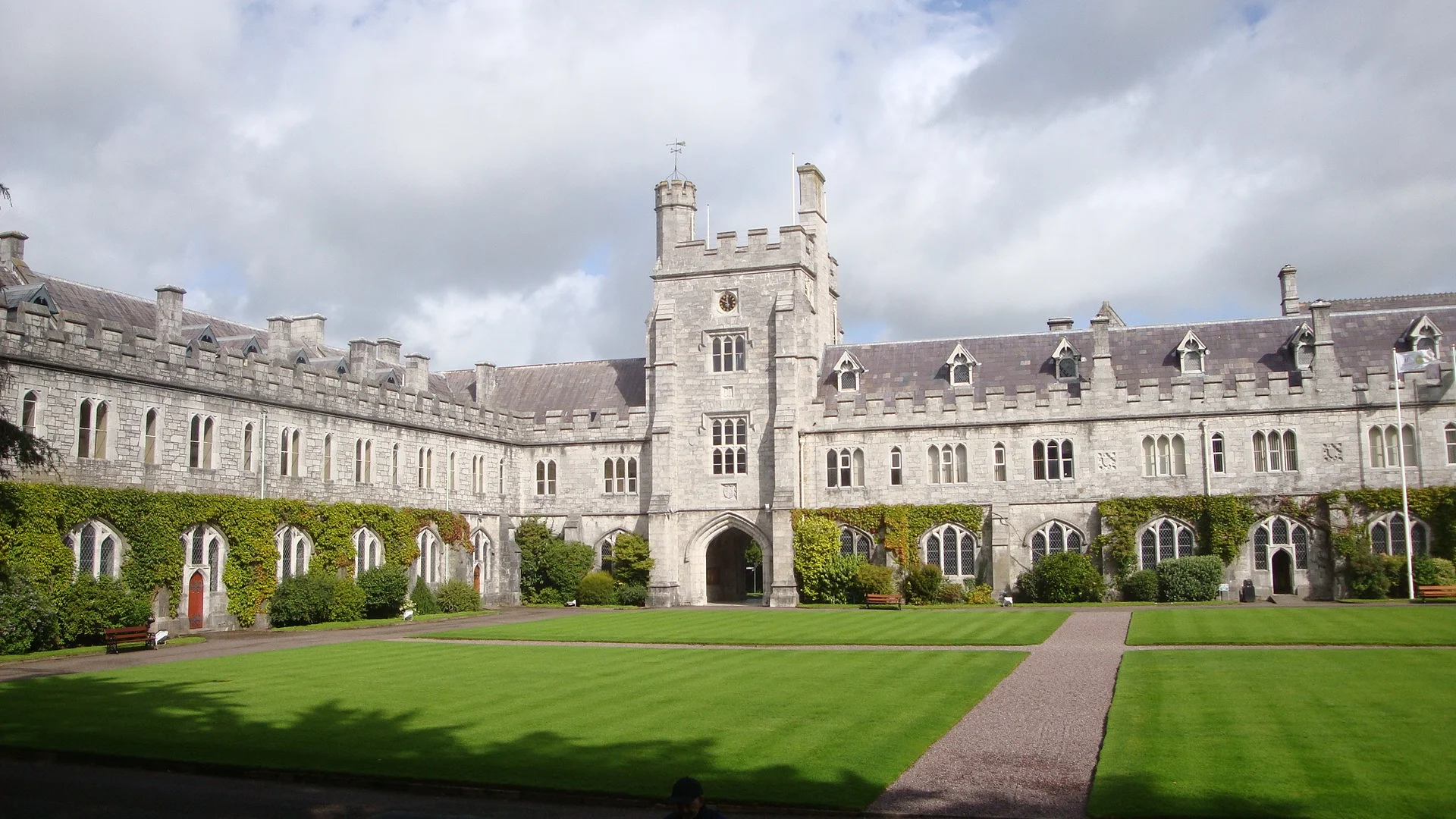
Cork balances its layer of history with modern landmarks like its opera house and the Lewis Glucksman Gallery. This contemporary art space is located just steps from the University College Cork campus, founded in 1845 by Queen Victoria. Nearby stand the three spires of St Fin Barre’s Cathedral. Consecrated in 1870, it sits on a site that has been sacred to the Christian community since the 7th century. Spend time examining its Gothic architecture and medieval carvings before heading inside to see the stained glass.
A short walk away, you will find Elizabeth Fort, a former military fortification that now houses a museum. If you are interested in local history, visit the Cork City Gaol, a former women's prison open for tours. Finally, head toward Blackrock Castle, a short distance from the center. The castle has been repurposed into an observatory dedicated to astronomy and space exploration.
The Rebel City
For a more local feel, head to the north side of the city to the Shandon neighborhood. This former industrial area is defined by narrow, terraced houses and is home to several independent cafes and antique shops. It is also the site of the Saint Anne’s Church, built in 1772. It is locally nicknamed the Four-Faced Liar because its four clock faces often show slightly different times. You can climb the 132 steps for a view of the city and the harbor. While in the area, stop by the Cork Butter Museum to learn about the city’s historic butter trade.
Cork has long been known as the Rebel City, a title earned after the local population stood against Henry VII in the 15th century. If you have time to explore the surroundings, visit Blarney Castle to kiss the famous stone of eloquence, though the steep climb is not for the faint of heart.
When to go
The best time to visit Cork is during the warmer months, specifically in the spring and early summer.
How to get there
You can fly into Cork, though many international travelers find it easier to connect through Dublin. From Dublin, the most convenient way to reach Cork is by train or bus.
The city of Cork is a must-see during your trip to Ireland. I especially enjoyed the city center and the historic old town. The architecture of the buildings is quite impressive. It is a lively and festive city, just like the rest of the country. You will really enjoy walking along the river.