
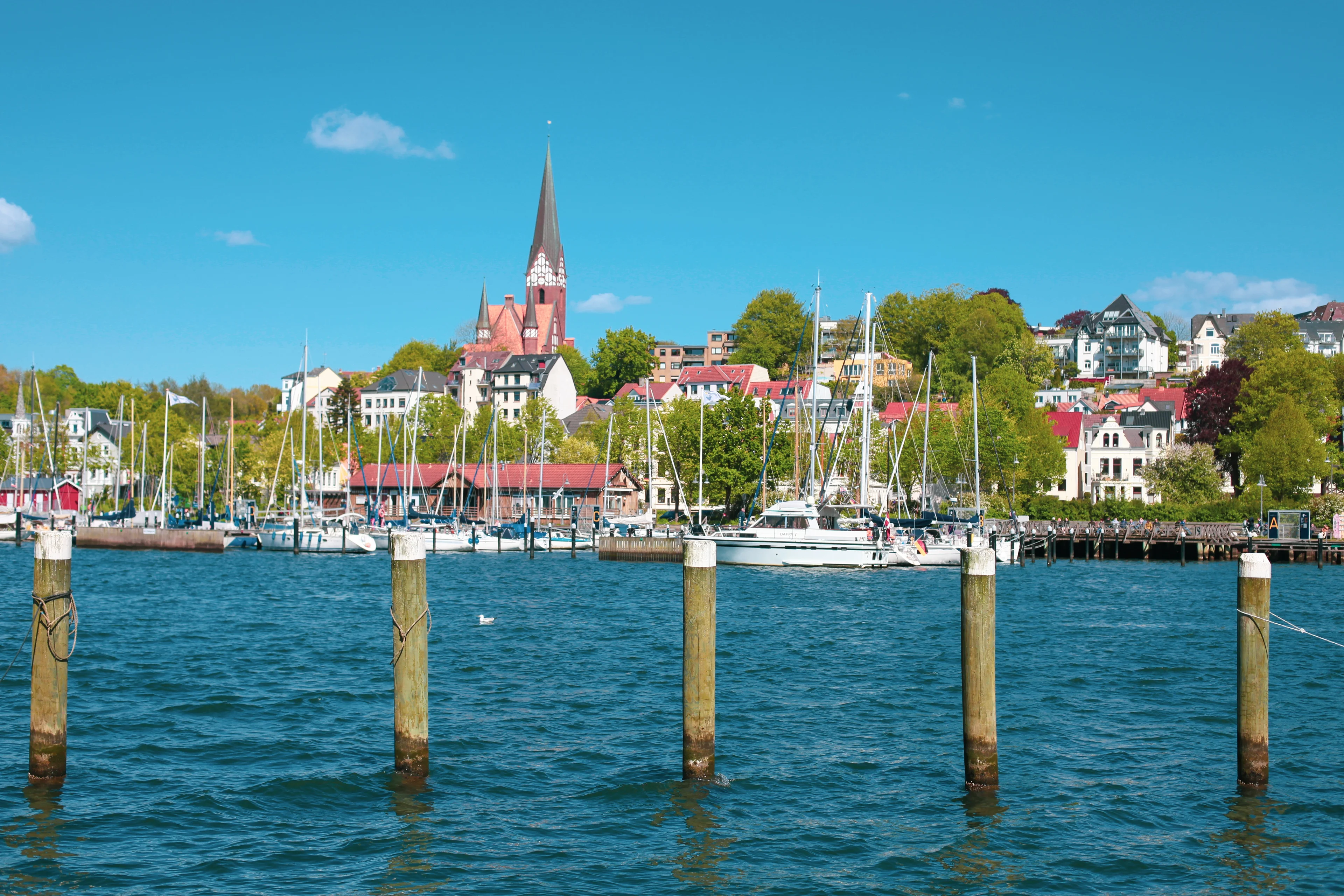
Visiting Flensburg
Flensburg sits far in the north of Germany, right in the state of Schleswig-Holstein right on the border with Denmark. Historically, the city functions as a Baltic port at the head of a fjord, growing wealthy on the rum trade back in the eighteenth century. Flensburg maintains a deep maritime tradition with several museums dedicated to the sea. After centuries of conflict over who controlled the town, the local population blends German and Danish roots today, and you will hear both languages spoken daily.
A charming historic port town
Start by walking around the Flensburg harbor, a spot steeped in history since the town originally grew around the herring trade. For a long time, Flensburg belonged to the Duchy of Schleswig under the Danish crown, only becoming part of Germany in 1864 after years of conflict. Do not miss the shipbuilding museum, located in old workshops that showcase eighteenth and nineteenth century vessel construction. If you want to get out on the water, you can book a cruise aboard the Alexandra, a historic steamship whose first sailing took place in 1908.
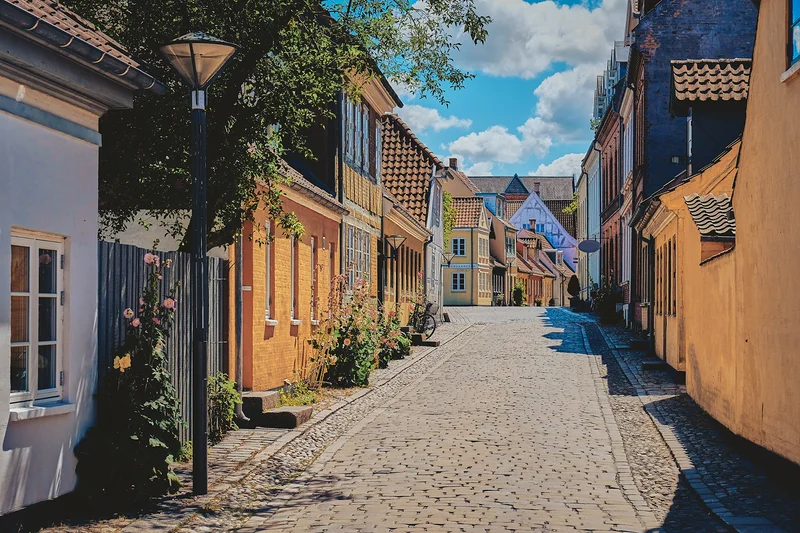
The historic center sits just steps away. Walking down Grosse Strasse gives you a chance to grab lunch or check out the shops lining the street. Continue toward Südermarkt square to see Saint Nikolai Church, which dates back to 1390. One of the city's oldest secular buildings stands in this same square, the Saint Nicolas Pharmacy, a gabled house from 1490. Finally, the small and charming Rote Strasse rounds out your tour of the old town. This former medieval street run by innkeepers and merchants has kept its centuries-old architecture intact.
Discovering Flensburg's highlights
Still near Rote Strasse, stop by the Rum House to learn about Flensburg's sugar trade history. From this former refinery, you can follow the Rum and Sugar Mile, a discovery trail with 20 stations throughout the historic center. To understand more about the city and local culture, head to the Flensburg Museum, which showcases the traditions and arts of the Schleswig region.
You cannot leave Flensburg without seeing the Flensburg Lion statue, a symbol of reconciliation between Denmark and Germany. Erected by the Danes in 1862 to mark their victory at the Battle of Isted, the statue went back to Denmark after World War II before returning to Flensburg in 2011.
When to go
The best time to visit Flensburg is during the warmer months between May and September.
How to get there
The closest major airport is in Hamburg. From there, take a train or bus to Flensburg, which takes about 2 hours. If you are driving, you will take the A7 highway running through the Schleswig-Holstein region.
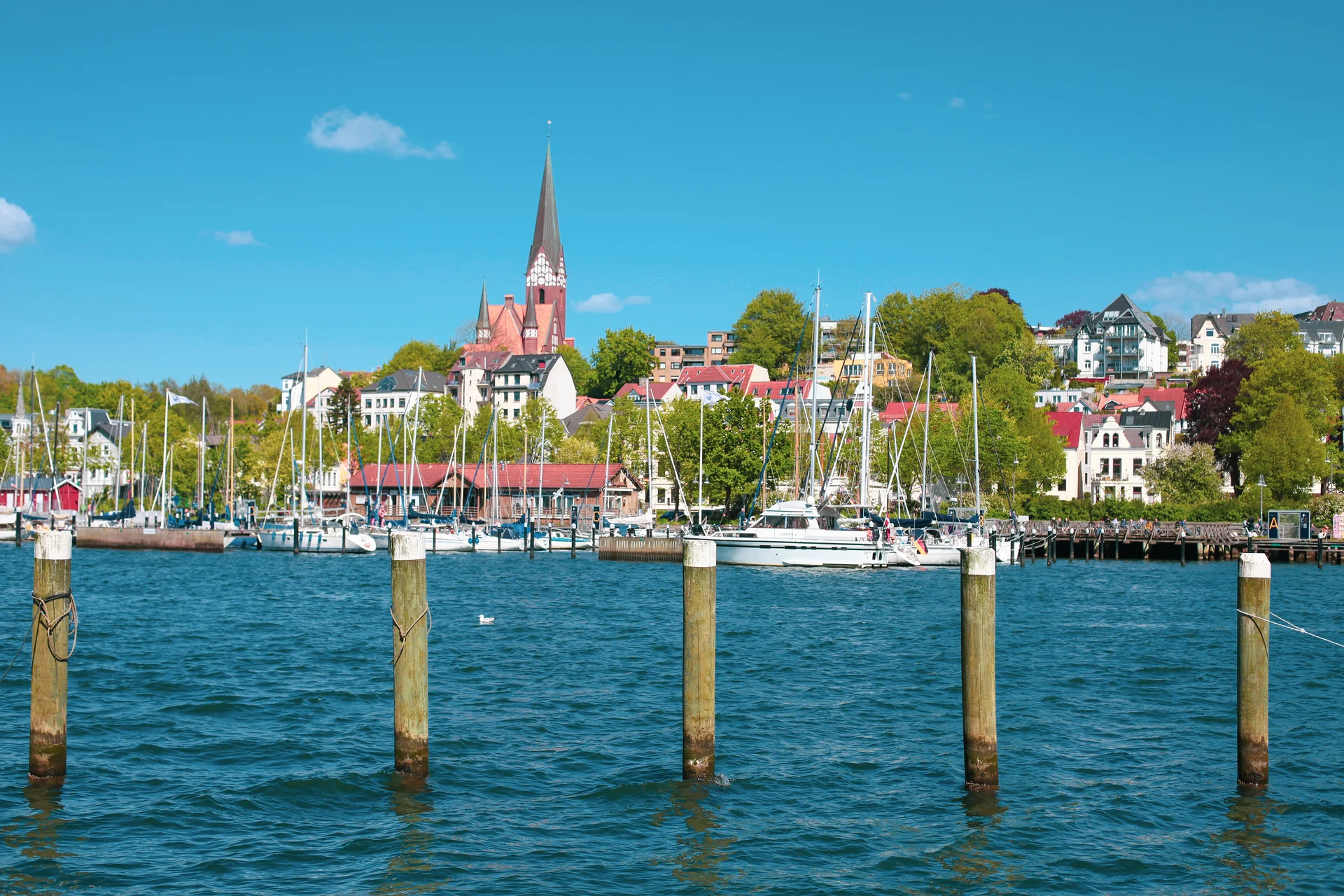
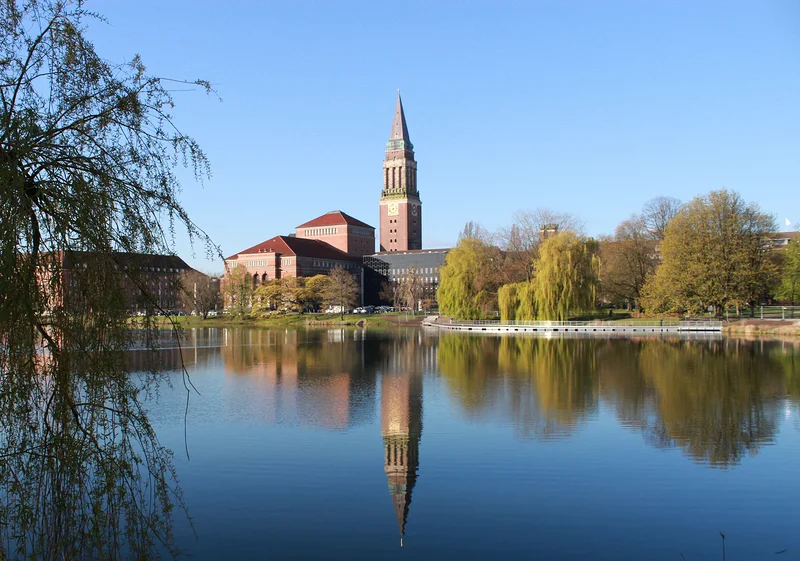
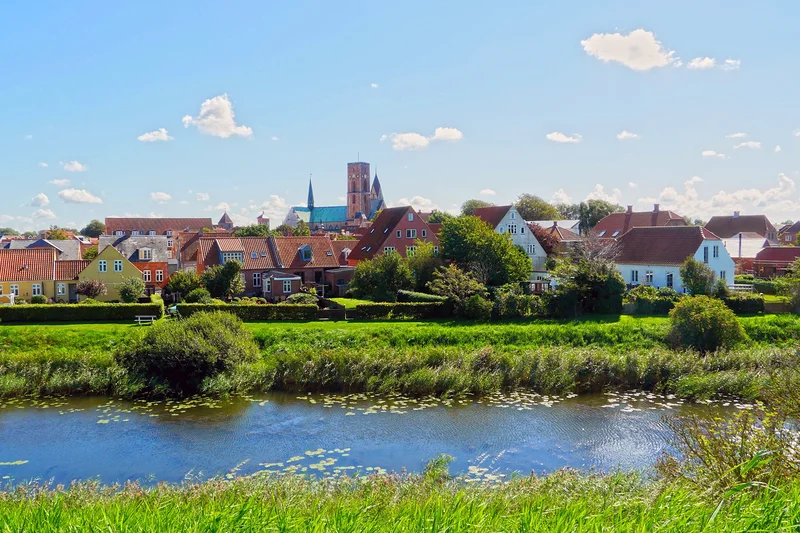
Flensburg is an ideal stop if you are heading to Northern Germany or on your way to Denmark! This is where the famous Flensburg beer is brewed, by the way. The streets in the center are lively and the small harbor is really nice. The parks are also great if it gets hot out!