Visiting Yaiza
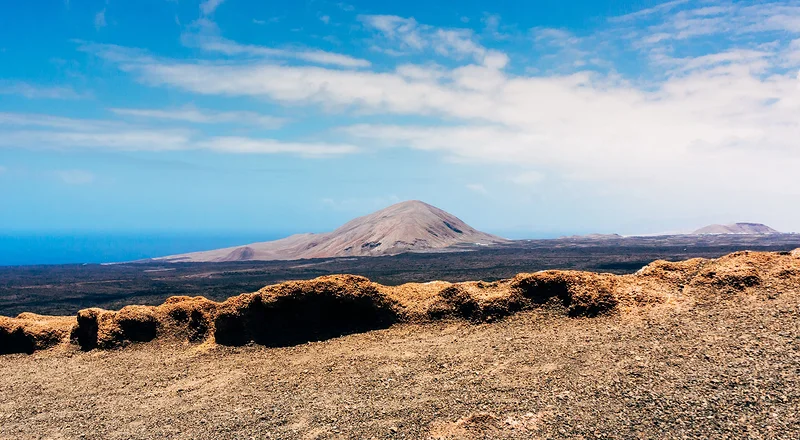
Yaiza is the southernmost town on Lanzarote in the Canary Islands. This area, once known as El Rubicón, served as the initial landing point for the first settlers to reach the Canary Islands. The name Yaiza itself is believed to be of indigenous origin, stemming from the language of the Guanche people who inhabited the island before the Spanish arrived. Today, Yaiza is a quiet, small town characterized by its impeccably maintained, stark white buildings. They stand in sharp contrast to the dark, desert-like volcanic landscapes surrounding the town, a direct result of the eruptions that reshaped this part of the island between 1730 and 1736.
One of Lanzarote's most beautiful villages
Yaiza pulls you in with its combination of rolling, arid terrain, the mountains of the parc national de Timanfaya in the distance, and the simple aesthetic of palm trees set against traditional white houses. For local history, step inside the 17th-century église de Nuestra Señora de los Remedios or visit the Casa de la Cultura Benito Pérez Armas, a prime example of colonial architecture featuring classic wooden balconies and staircases.
The town sits at the edge of the Los Ajaches natural monument, a volcanic massif shaped by an eruption 15 million years ago. Seven hiking trails start from Yaiza, leading you through these cliffs up to the Atalaya peak at 608 meters (roughly 1,995 feet). These ridges hide some of Lanzarote's most iconic spots, including the Plage de Papagayo, widely considered one of the best beaches in the Canary Islands.
You can also explore the volcanic hills of the parc national de Timanfaya on foot via the route de Tremesana, by bus, or even by camel. The Montagnes de Feu (Fire Mountains) are striking, rising out of a lunar landscape where vegetation struggles to take hold. Don't skip Los Hervideros, a series of sea caves and blowholes carved into old lava flows by the crashing Atlantic waves.
Exploring southern Lanzarote
The southern part of the island, where Yaiza is located, has a distinct character. Beyond the rusted hues of the volcanic rock, the south is home to two major resort hubs, Playa Blanca and Puerto Calero.
In the immediate vicinity of Yaiza, make time for the salines de Janubio, where the salt pans create a dramatic gradient of ochre tones. Nearby, you will find the region of La Geria, where farmers have adapted to the rugged volcanic soil to grow grapes in a way that is unique to this part of the world.
When to go
The Canary Islands enjoy a mild climate year-round. You can expect pleasant, sunny weather in the summer and comfortable temperatures in the winter, moderated by the surrounding ocean.
Getting there
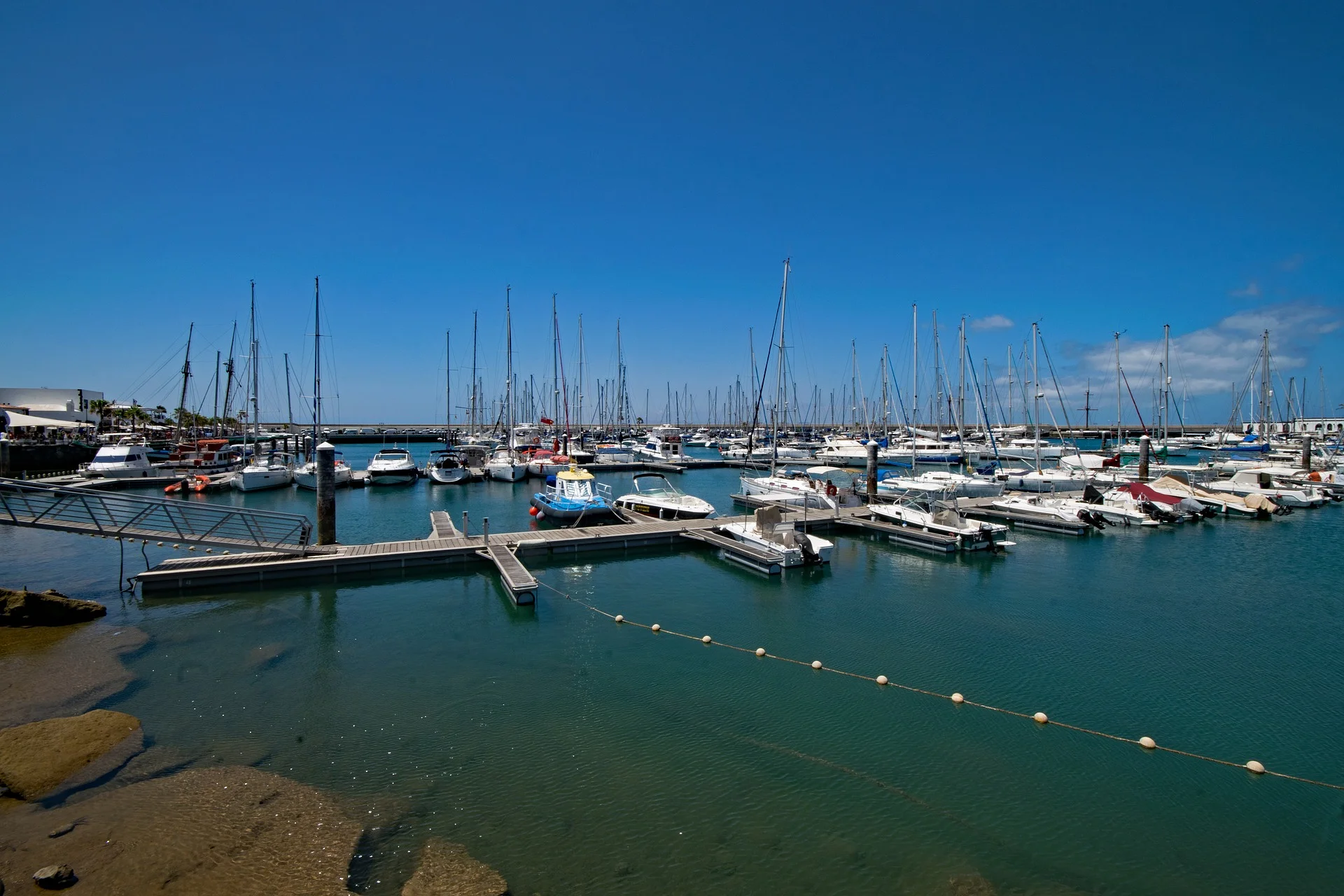
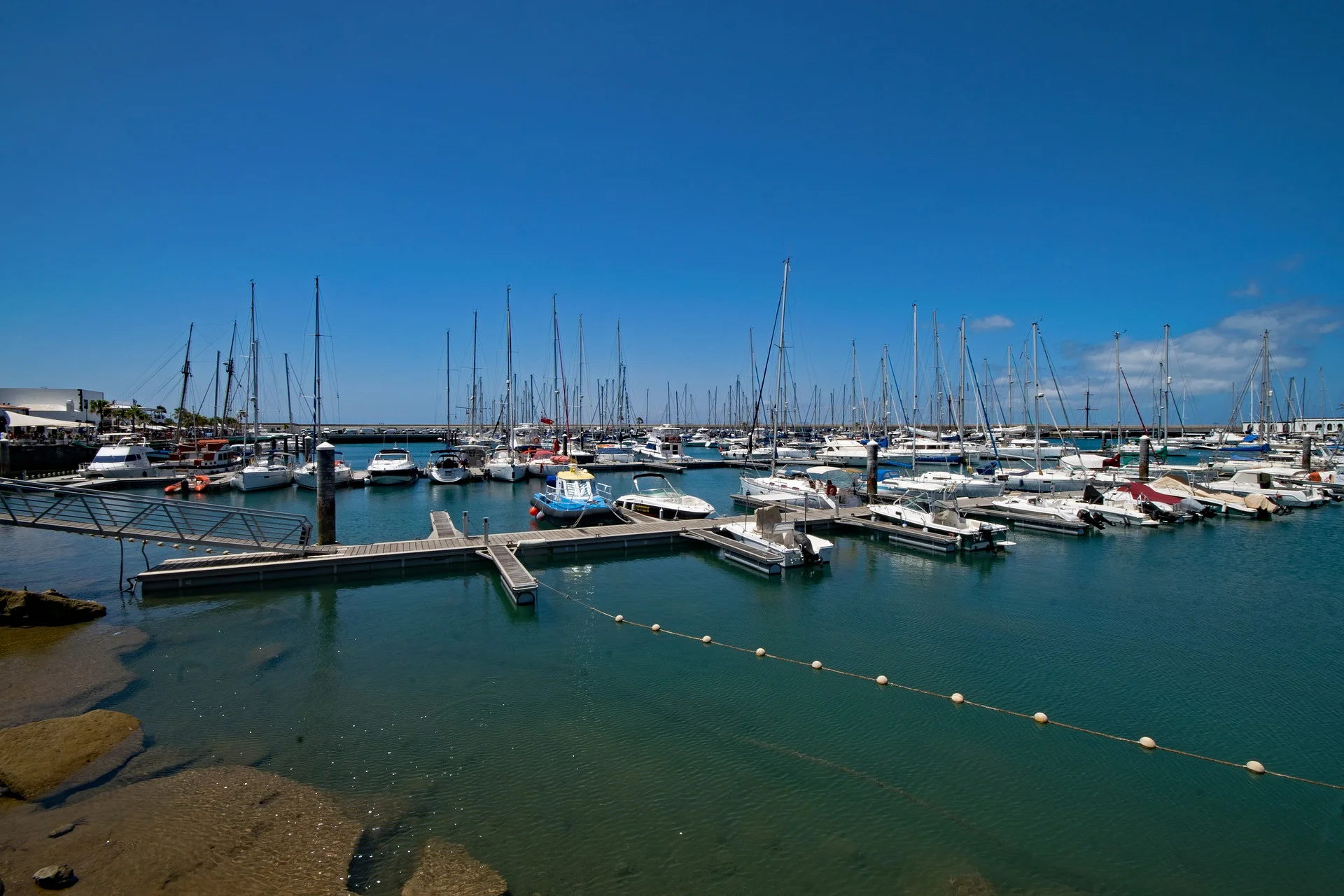
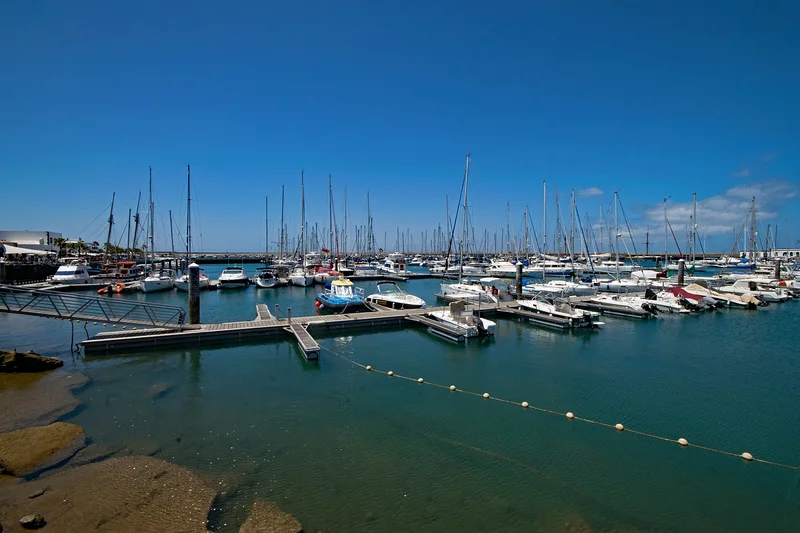
The port at Marina Rubicón in Playa Blanca handles ferry traffic to and from the neighboring island of Fuerteventura. If you are flying in, Yaiza is a 20-minute drive from the airport in Arrecife, or you can take the line 60 bus.