Uzbekistan at a Glance
Uzbekistan sits at the crossroads of one of history's greatest trade routes, and the evidence is everywhere you look. This Central Asian country built its reputation on three legendary cities: Samarkand, Bukhara, and Khiva. The architecture alone is worth the trip, and the cultural depth will keep you occupied for weeks.
Samarkand, the Legend
Samarkand ranks among the great cities of Asia, full stop. As a key stop on the ancient Silk Road, it layered Greek, Sassanid, Muslim, and Mongol influences into something entirely its own. The Gur-e-Amir Mausoleum, where the conqueror Tamerlane and his family are entombed, and the Shah-i-Zinda Necropolis, a striking avenue of tiled shrines, are the standout monuments. Walk the bazaars and spend time at Registan Square, the historic center of the city, and that layered multicultural atmosphere becomes impossible to miss.
Bukhara and Its 140 UNESCO Sites
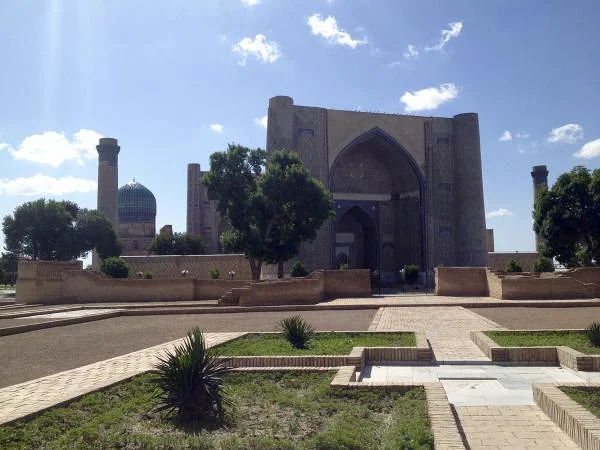
Bukhara (also spelled Buxoro) has held onto its medieval urban structure better than almost any other city in Central Asia, which makes it feel genuinely unlike anywhere else. The numbers back up the reputation: 140 sites here carry UNESCO World Heritage status. The Ark, the ancient royal citadel, accounts for several of them. After working through the trading halls, madrasas (Islamic schools), synagogues, and Sufi shrines, the city has a solid selection of upscale accommodations where you can decompress.
The Walled City of Khiva
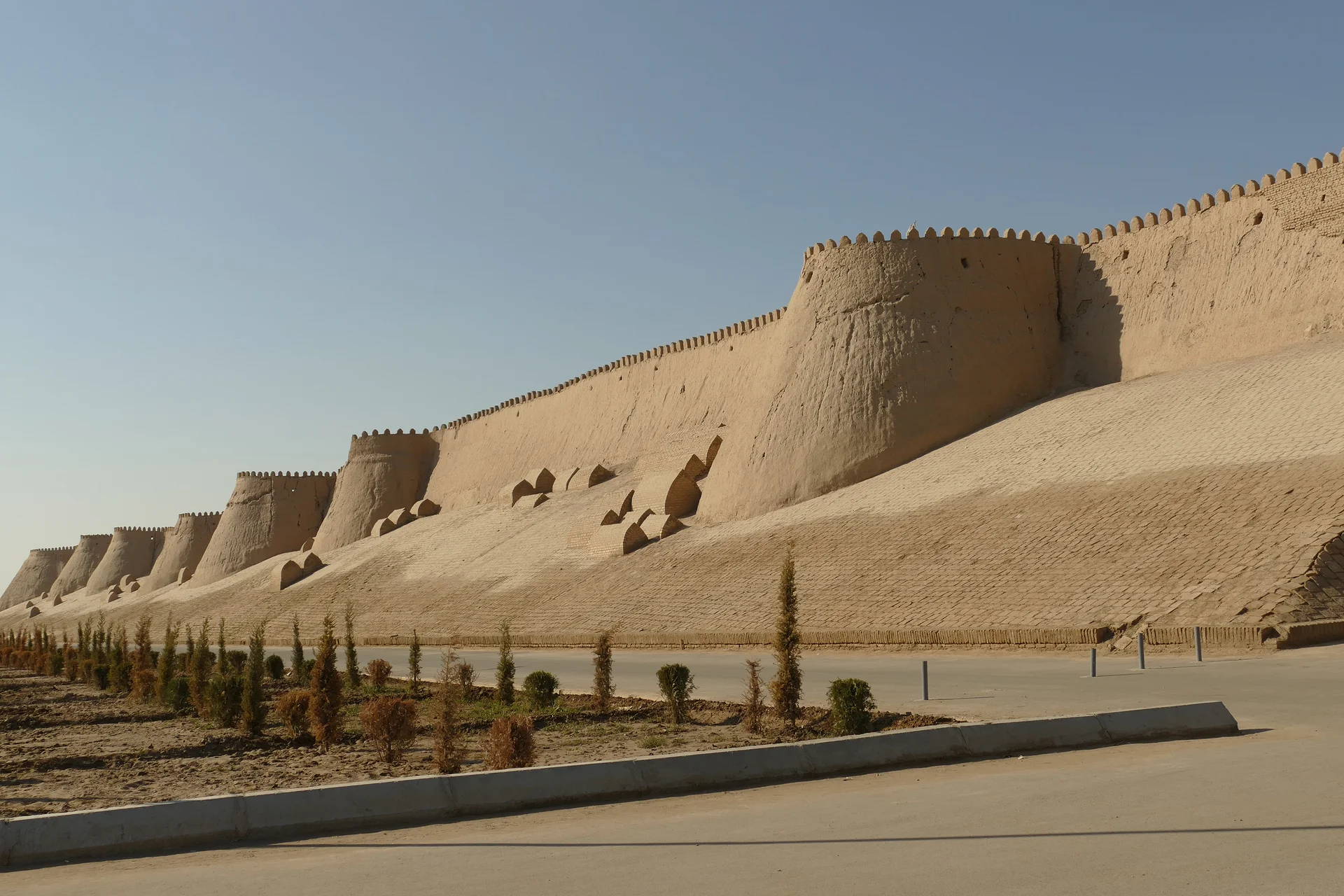
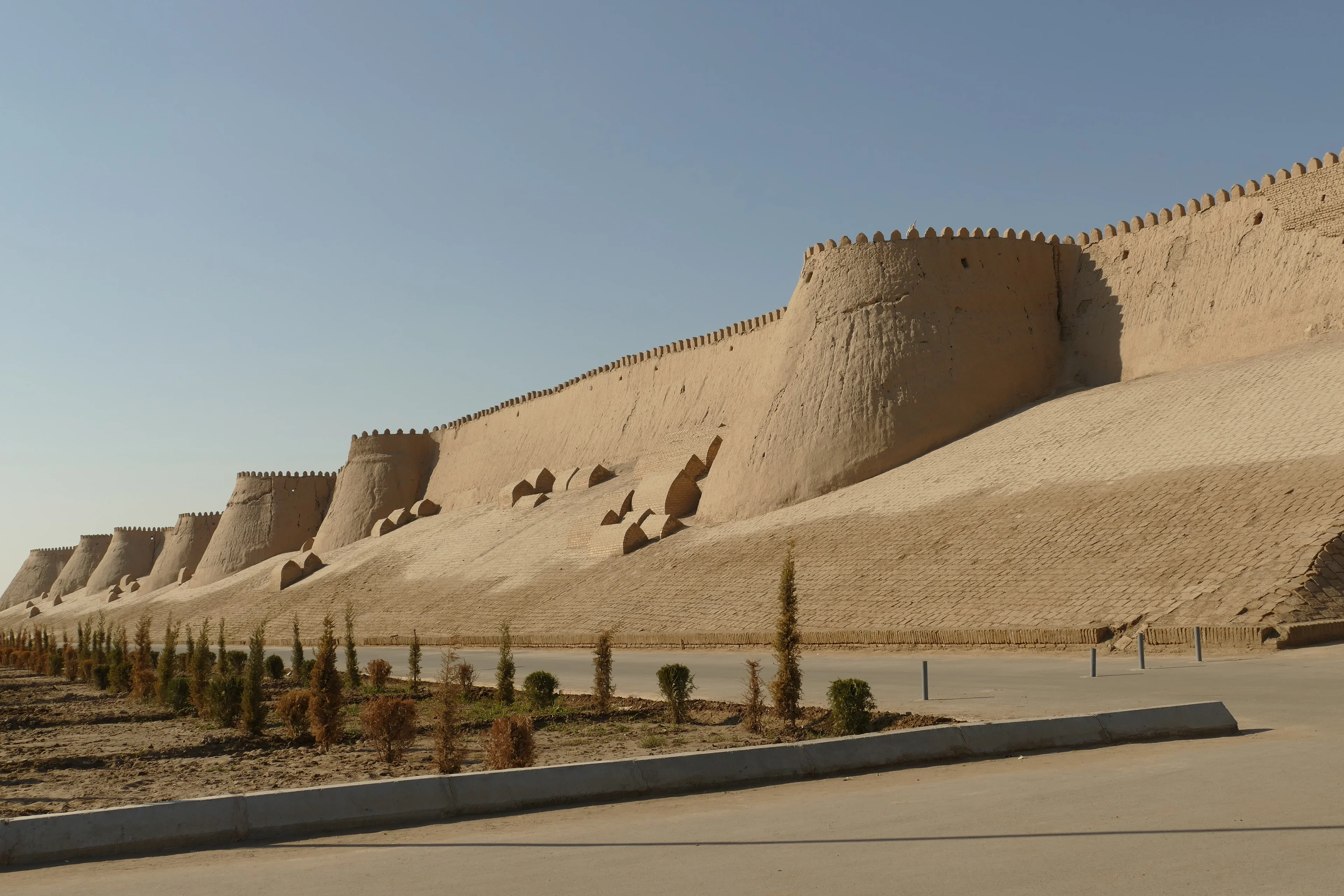
Khiva is the third essential stop on any Uzbekistan itinerary. Its mud-brick walls rise at the edge of the Karakum Desert, and the city inside looks like it has barely changed in centuries. According to local tradition, Khiva was founded by Shem, the son of Noah, who dug the Keivah well here. The royal palaces, covered in richly decorated tilework, are the main draw, along with the old slave markets that serve as a sobering reminder of the city's more complex past.
Desert Fortresses and a Vanished Sea
Beyond the three main cities, Uzbekistan has a few more surprises. Shakhrisabz, Tamerlane's birthplace, is home to the 14th-century Ak-Saray Palace, one of the more impressive ruins in the country. The Kyzylkum Desert stretches across roughly 115,000 square miles and spills into three countries, think Mojave scale but bigger. The Ellik Kala oasis holds the strange sight of fifty abandoned fortresses scattered across the landscape. And then there's the Aral Sea, once the fourth-largest lake in the world, now a graveyard of rusting ships stranded in the sand. It's one of the most haunting places on the planet.
When to Go
Uzbekistan is technically open year-round, but spring (April to May) and fall (September to October) are the sweet spots. Temperatures are comfortable and the heat is nothing like the brutal summer months. If mountain trekking is on your list, July and August are the right window for that.
Getting There
Flights from major US hubs to Tashkent typically run around $800-1,200 round-trip and involve at least one connection, with total travel time averaging 14-18 hours depending on your layover. Once in the country, buses and rental cars cover most ground-level travel. Domestic flights are worth considering if you want to avoid long overland legs between cities.