Saudi Arabia: The Giant Finally Opening Its Doors
The red sand of AlUla crunches under your feet. In front of you, Nabataean tombs carved into the rock two thousand years ago rise from the desert, every bit as impressive as those at Petra, with almost none of the crowds.
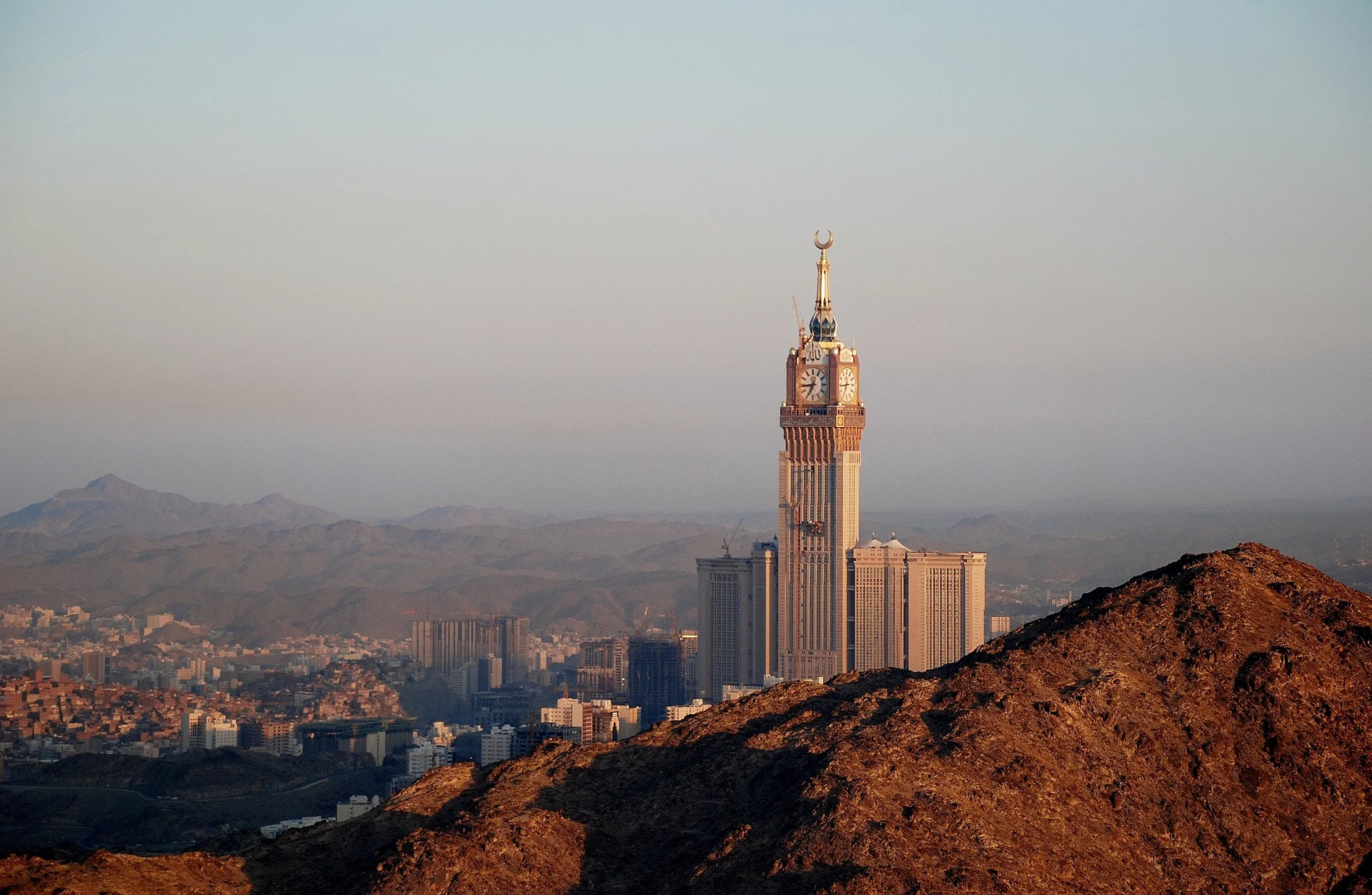
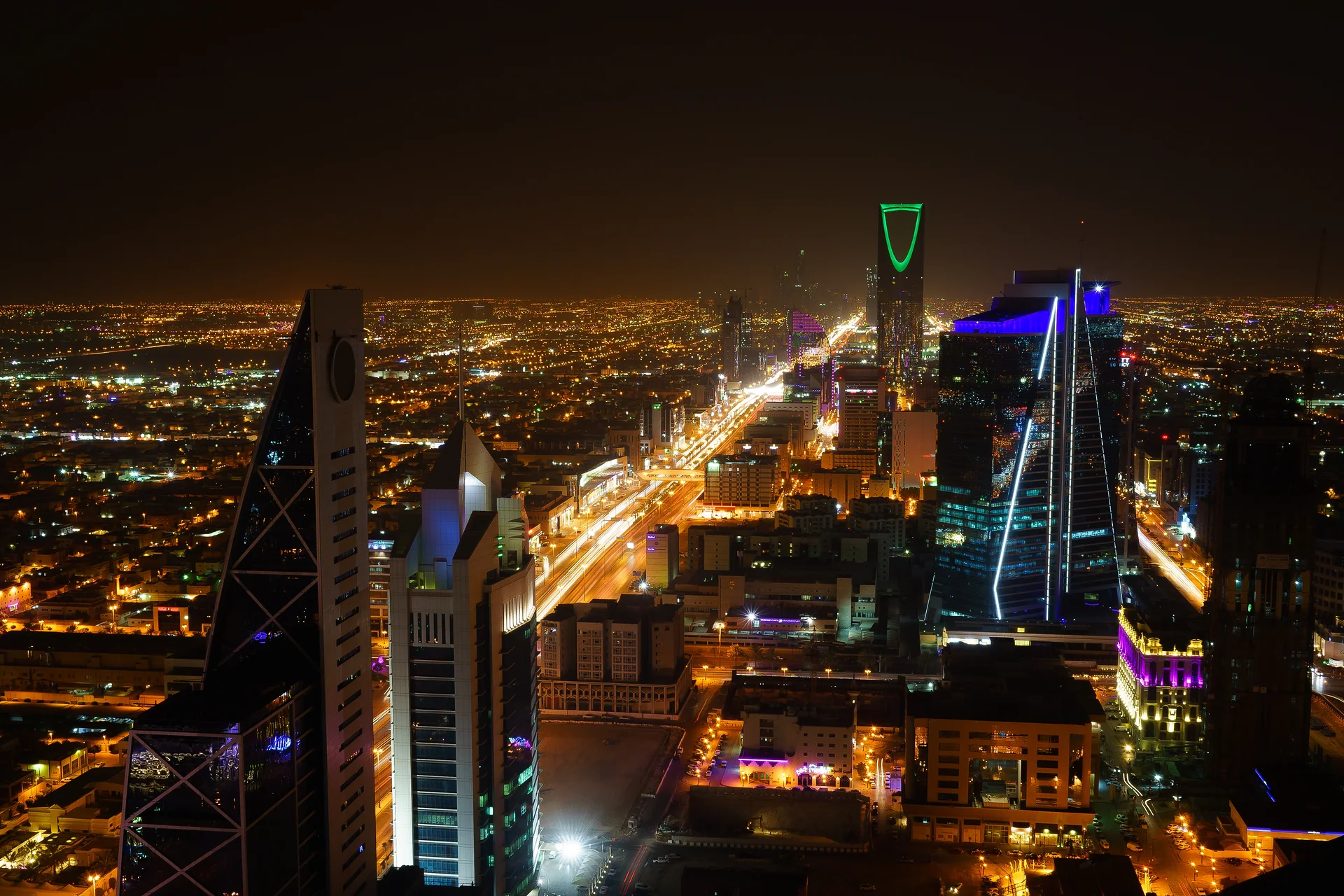
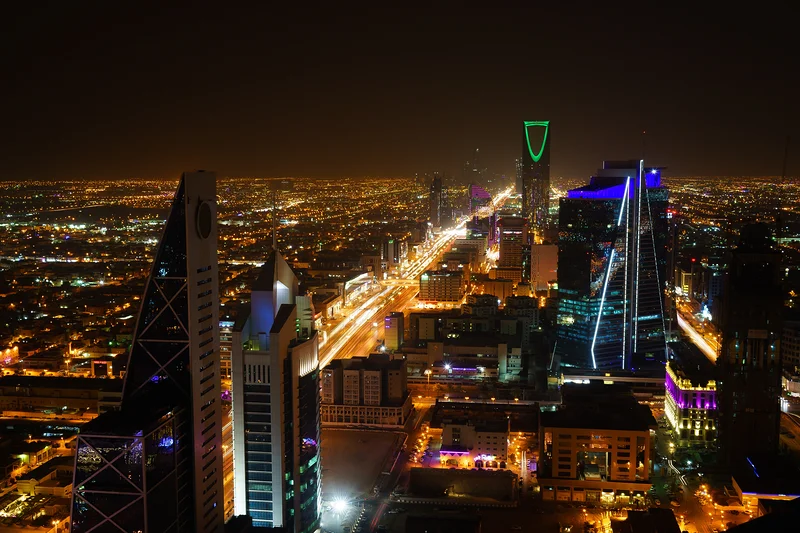
Saudi Arabia is roughly the size of Western Europe, and it only started issuing tourist visas in 2019. The country packs an unlikely range of experiences: futuristic skyscrapers in Riyadh sitting alongside ancient oases, Red Sea coral reefs that rival anything in the Caribbean, and a local hospitality that will genuinely catch you off guard.
A Kingdom That Isn't for Everyone
This place draws strong reactions. If you're after archaeological sites that haven't been overrun yet, diving in some of the clearest water on the planet, or epic desert road trips with real local interaction, Saudi Arabia delivers. Adventure travelers and people who actually want to connect with locals will find it exceptional.
Saudis are genuinely curious about foreign visitors and the hospitality is real: Arabic coffee and dates offered freely, no strings attached.
That said, this trip isn't for everyone. Alcohol is completely banned throughout the country, including in international hotels. Public displays of affection are not acceptable. LGBTQ+ travelers need to know that homosexuality is severely criminalized here.
Despite recent reforms, the country remains socially conservative, and tourist infrastructure outside the major cities is still thin. If you need a party destination or struggle with extreme heat, cross this one off the list.
Can Women Travel Solo in Saudi Arabia?
Yes. Since 2019, women no longer need a male guardian to travel in the country. Foreign tourists are not required to wear the black abaya. Modest dress is still expected, though: shoulders and knees covered, nothing too fitted.
In cities like Jeddah and at AlUla, attitudes are shifting fast. Solo female travelers generally report positive experiences, with respectful curiosity from locals rather than harassment. For religious sites like mosques open to visitors, bring a headscarf.
Mecca and Medina: Off-Limits to Non-Muslims
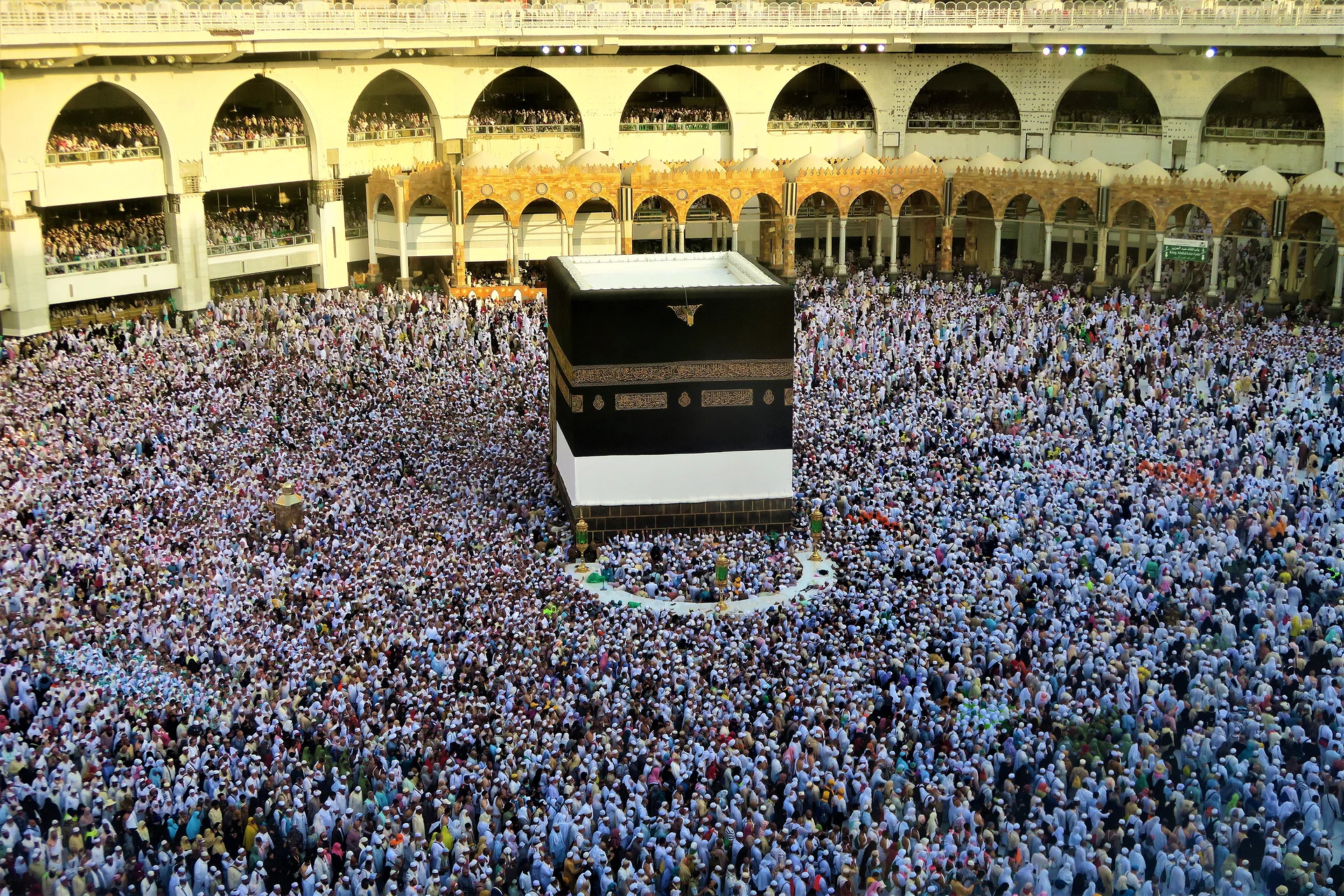
This is non-negotiable. Mecca and Medina, Islam's two holiest cities, are strictly closed to non-Muslims. Checkpoints are in place at the city entrances. Plan your itinerary accordingly.
Budget: Plan Carefully
Saudi Arabia is not a budget destination. A mid-range traveler should expect to spend roughly 200 to 300 SAR per day (about $55-80): a decent hotel room runs 150 to 375 SAR/night ($40-100), a local meal costs 11 to 37 SAR ($3-10), and site entry fees range from 19 to 94 SAR ($5-25). The e-visa runs about 450 SAR ($120) and includes basic travel insurance. The sheer size of the country often means domestic flights or a rental car, both of which add up quickly.
Archaeological Sites That Rival Petra
AlUla is the crown jewel. This valley in the northwest is home to Hegra, Saudi Arabia's first UNESCO World Heritage Site. Over 110 monumental tombs carved into sandstone by the Nabataeans in the first century CE stand scattered across the desert floor. These are the same craftspeople who built Petra in Jordan, but Hegra gets a fraction of the foot traffic. The ornate facades, with their columns and funerary friezes, tell the story of a merchant civilization that controlled the ancient incense trade routes.
Visits to Hegra are guided only, by air-conditioned bus or vintage Land Rover for a more hands-on experience. Entry starts at 95 SAR (about $25). Hot-air balloon rides over the site at sunrise are memorable but pricey. Beyond Hegra, AlUla has more to offer: an abandoned mud-brick old town, Elephant Rock (a sandstone formation that genuinely looks like a giant elephant), and Jabal Ikmah, an open-air canyon covered in thousands of ancient inscriptions.
Heads up: Book your visits through the official Experience AlUla website several weeks in advance, especially between December and March. Time slots go fast.
Diriyah: Where the Kingdom Began
Just outside Riyadh, the At-Turaif district in Diriyah is where modern Saudi Arabia was born. This UNESCO site preserves the restored ruins of the first Saudi capital, including mud-brick palaces and mosques. It's currently undergoing a major redevelopment and now has upscale restaurants and cultural spaces on the Bujairi terrace.
The Red Sea Coast: the Middle East's Best-Kept Secret
Forget Sharm el-Sheikh and its tour-bus crowds. The Saudi stretch of the Red Sea is largely untouched, with healthy coral reefs and underwater visibility that can hit 130 feet. Umluj, nicknamed the "Maldives of Arabia," is an archipelago of more than 100 islands with turquoise water and white sand. Divers and snorkelers find over 300 coral species and 1,200 fish species, some found nowhere else but the Red Sea. Think Caribbean water clarity, but with significantly more marine biodiversity.
Infrastructure here is basic compared to established beach destinations, which is exactly the point. Tourist ferries are banned in the Red Sea Project zone, so the beaches stay quiet. Boat excursions to islands like Jabal Hassan put you in the water with sea turtles, dugongs, and sometimes dolphins. Experienced divers will want to check out the wrecks and drop-offs near Al Wajh.
Yanbu and Jeddah have established dive centers for those who prefer a more structured setup. Jeddah's waterfront corniche is worth a walk in the evening once the heat has backed off.
Jeddah: The Country's Most Relaxed City
More cosmopolitan and laid-back than Riyadh, Jeddah has a different energy. The historic Al-Balad district is worth half a day on foot. Its coral-stone houses with intricately carved wooden balconies, called mashrabiyas, form a photogenic maze that's on the UNESCO list. Spice and fabric merchants have been working these streets for centuries.
The modern city has its share of towers, air-conditioned malls, and restaurants from every corner of the world. Dress codes here are the most relaxed in the country. The recently renovated waterfront is a good spot to catch the sea breeze in the late afternoon.
Desert Cliffs and Empty Dunes
About an hour's drive from Riyadh, Jebel Fihrayn, known as "Edge of the World," drops 1,000 feet straight down into a canyon that stretches as far as you can see, the remnant of an ancient seabed. You'll need a 4x4 and ideally a local guide to get there. Sunset turns the whole thing an otherworldly shade of orange.
The Rub al-Khali, or "Empty Quarter," is the largest continuous sand desert on Earth. Its red and orange dunes roll on for hundreds of miles. A handful of camps offer nights under the stars in Bedouin tradition. It's rustic, but for anyone comfortable with total isolation, it's genuinely memorable.
Down south, the Asir region and its green mountains look nothing like the Saudi Arabia most people picture. Abha and Taif stay cool even in summer, with colorful hillside villages, surprising vegetation, and wild baboons that occasionally wander across the road.
Eating in Saudi Arabia: Big Portions, Real Spices
Kabsa is the national dish and it's everywhere. Long-grain rice cooked with cardamom, cinnamon, cumin, and dried black lime, topped with slow-braised chicken or lamb. Portions are generous and served on large shared platters. In traditional restaurants, you eat sitting on floor cushions, with your right hand. Saudis are among the world's top per-capita chicken consumers, and kabsa explains a lot of that.
Mandi, a Yemeni cousin of kabsa, is cooked low and slow in an underground pit oven, which gives the meat a tenderness that's hard to match. Mezze dishes often round out a meal: hummus, falafel, stuffed grape leaves. Dates are everywhere and come in dozens of varieties. Arabic coffee, spiced with cardamom and served in small handle-less cups, punctuates every social interaction. Declining it is considered impolite.
On a tight budget, local spots serve rice and chicken plates for 8 to 15 SAR (about $2-4). Street food exists but is less developed here than elsewhere in the Middle East.
When to Go to Saudi Arabia
The sweet spot is November through March. Temperatures across most of the country sit between 68°F and 82°F, making outdoor exploration genuinely comfortable. Desert nights can get cold, so pack a layer. This is also peak season, with cultural events like Winter at Tantora in AlUla and various festivals in Riyadh.
Summer, from May to September, regularly hits 113°F. Only the southwestern mountain regions like Abha stay bearable. Ramadan, which shifts dates every year, also complicates travel: restaurants close during the day and the rhythm of daily life flips completely. Unless experiencing that specifically is the point of your trip, avoid it.
Getting to Saudi Arabia
From the US, there are no nonstop flights to Saudi Arabia, so you'll be connecting through a hub. Gulf carriers like Emirates, Qatar Airways, and Etihad are the most common options, routing through Dubai, Doha, or Abu Dhabi. Saudia, the national carrier, also operates connecting service. Figure on a total travel time of 14 to 18 hours depending on your US departure city and connection.
Round-trip fares typically run $800 to $1,500 depending on season and how far out you book. Booking 3 to 4 months ahead during peak season (November to March) gets you the better end of that range.
The e-visa is available online through the Visit Saudi official website and takes a few days to process. It costs around 450 SAR ($120), includes basic insurance coverage, and allows multiple entries over one year with a maximum stay of 90 days per visit. US passport holders are eligible. Make sure your passport is valid for at least six months beyond your travel dates.
Getting Around Saudi Arabia
The distances here are serious. Domestic flights are the practical way to cover ground between major regions. Saudia, Flynas, and Flyadeal serve the main routes at reasonable prices. Riyadh to AlUla is 1.5 hours by air versus 12 hours by road.
Renting a car gives you the most flexibility. Main roads are excellent and well-signed. Gas is cheap by any American standard. International agencies like Budget operate at airports, along with local options. One thing to watch: mileage is often capped in rental contracts, so negotiate unlimited kilometers before you sign. Saudi driving can be aggressive, think Houston highway traffic but with fewer lane conventions.
SAPTCO buses connect major cities at lower cost and can be booked online. The train network is minimal. In cities, Careem (the regional Uber equivalent) and Uber itself both work well and save you from negotiating with traditional taxis. Riyadh's metro is still expanding, so don't count on it for getting everywhere.