Riyadh, the metropolis playing catch-up
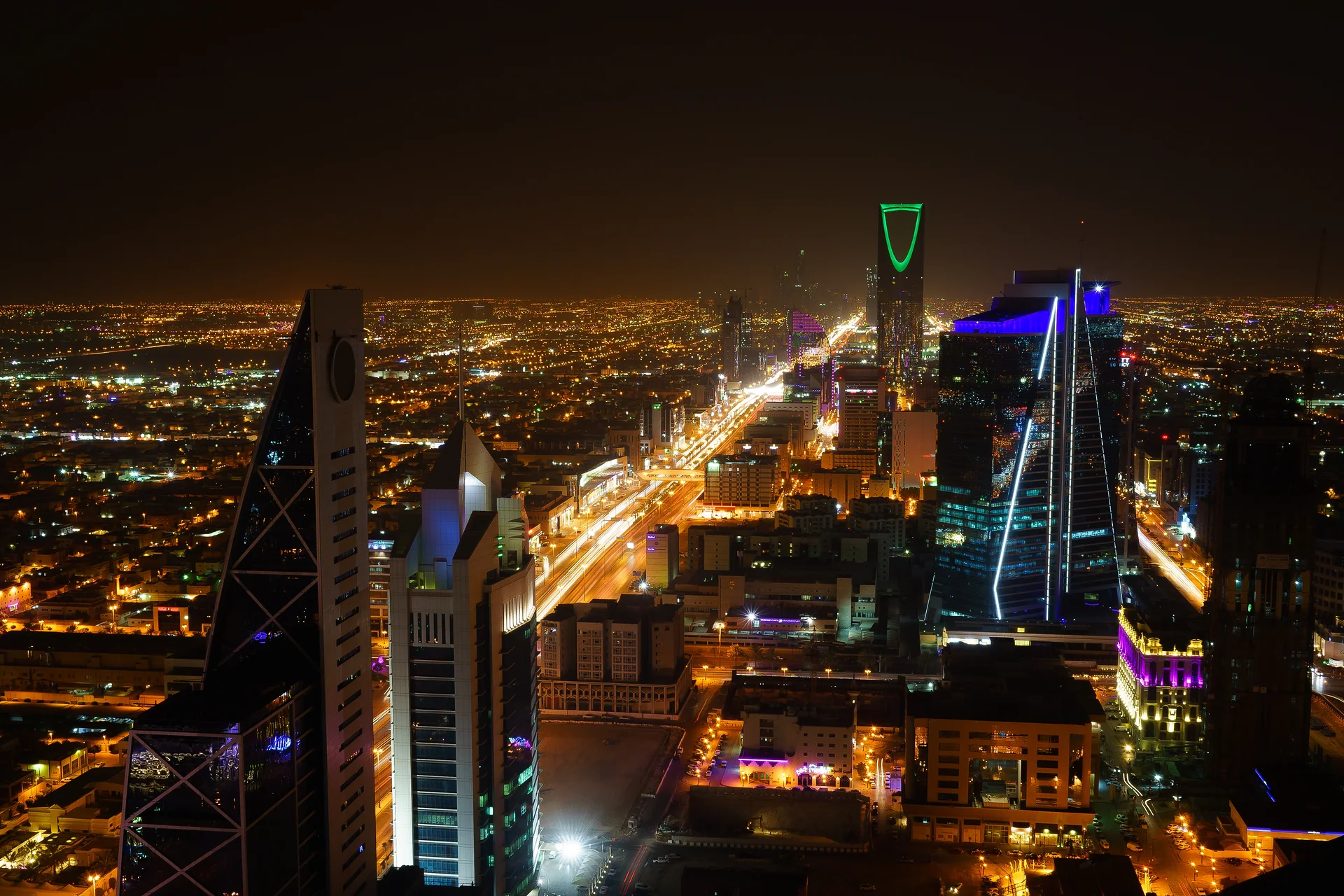
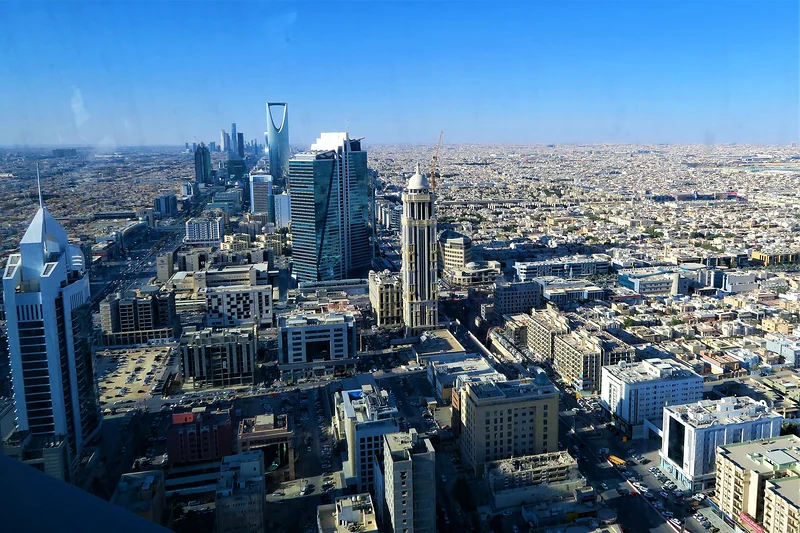
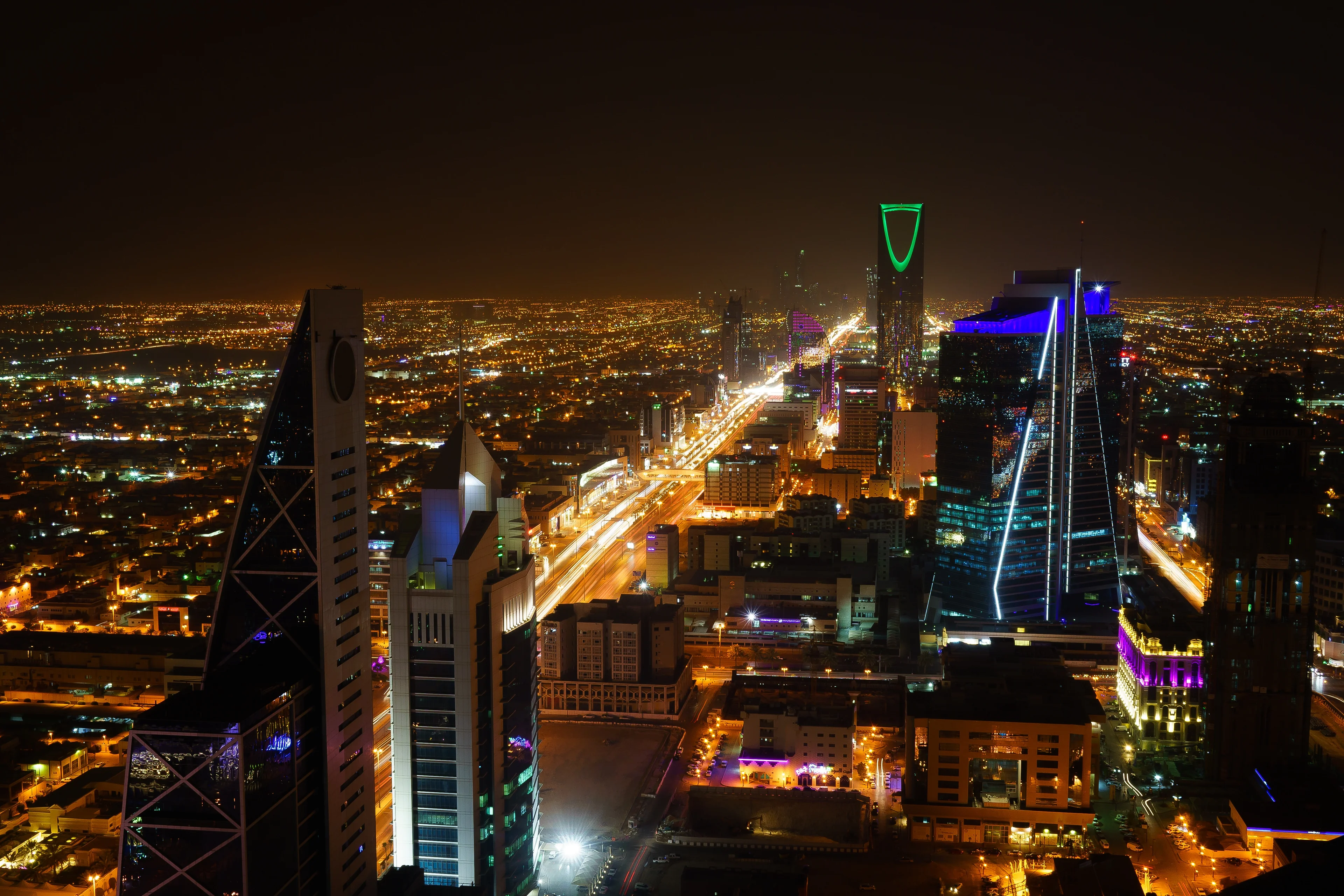
It is 6:00 PM, and the sun is setting over the jagged silhouette of the Kingdom Tower. From the 99th floor, the skyscrapers of the financial district slice into the horizon, while down below, somewhere in the maze of old Deira, the spice souk is closing its doors for the Maghreb prayer.
Riyadh is defined by this constant contrast. It is a city born from the desert that dreams of becoming a global megalopolis, all while remaining anchored in its most rigid traditions. Think of a city with six million inhabitants, zero bars, pharaonic shopping malls, and a camel market that is still very much in business.
A capital for patient travelers
This city is not for everyone. If you are looking for picturesque alleyways to photograph, Mediterranean charm, or a nightlife scene fueled by alcohol, you are in the wrong place. Riyadh speaks to curious travelers who accept its contradictions. It appeals to fans of contemporary urban planning who are fascinated by the lightning-fast transformation of a country. It rewards those who take the time to look past the sterile surface of air-conditioned malls to discover the dusty souks and the sun-dried mud-brick palaces of Diriyah.
Distances are massive and walking is often impossible. Traffic can turn a 10-kilometer trip into a one-hour ordeal. The summer heat makes outdoor activity impossible between May and September. The prevailing conservatism requires modest dress and discreet behavior. In exchange, the security is exemplary and the hospitality of the Saudis is surprisingly sincere.
Budget: plan accordingly
Riyadh is not a budget destination. Budget 60 to 100 EUR (about $65 to $110) per day for a comfortable stay. Expect decent hotels between 50 and 120 EUR (about $55 to $130) a night in the Olaya district, local meals from 3 to 15 EUR (about $3 to $16), and Careem rides around 5 EUR (about $5.50) for a 15-minute trip. Excursions to the Edge of the World cost 80 to 150 EUR (about $85 to $160) for an organized tour.
The historic center and its remnants
The old heart of Riyadh is concentrated around the Deira district. The Al Masmak fortress, built in 1865 in the traditional mud-brick style, tells the story of the birth of the modern Saudi kingdom. This is where, in 1902, the young Ibn Saud launched the raid that would unify the country. The museum inside displays period weapons, photographs, and painted wooden doors. Admission is free.
A stone's throw away, the Souk Al-Zal is a paradise for bargain hunters. Antique pieces, traditional swords, amber and oud perfumes, and hand-woven rugs are all part of the experience, and you can haggle just like in the last century. The narrow alleys contrast sharply with the hyper-modernity surrounding them.
Local tip: The souk closes during prayer times and on Fridays. Aim for the late afternoon on weekdays to enjoy the atmosphere without the crowds.
The National Museum
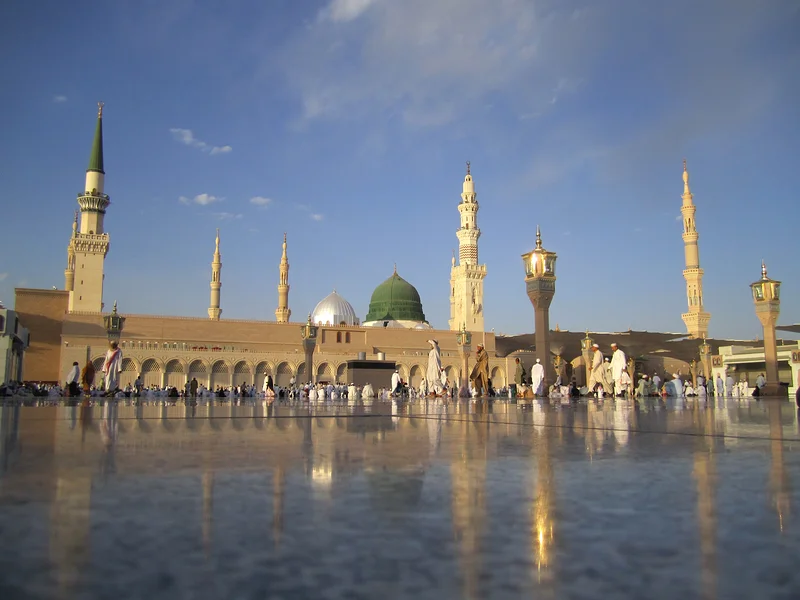
The National Museum of Saudi Arabia deserves two to three hours of your time. Its eight galleries cover prehistory, the pre-Islamic era, the birth of Islam, and the formation of the kingdom. An impressive model of the Prophet's Mosque in Medina draws all eyes. Admission is free and the air conditioning is a lifesaver. The museum sits next to the Murabba Palace, a former royal residence turned into an exhibition space.
The towers and futuristic Riyadh
Two skyscrapers dominate the skyline. The Kingdom Tower and its distinctive arch reach 302 meters. The 99th-floor observatory offers a 360-degree panorama of the city. The ascent costs about 70 SAR (about $19). The building also houses the Four Seasons and a high-end shopping mall.
The Faisaliah Tower, the first tower built in the country in 2000, recognizable by its golden globe, remains a symbol for locals. The panoramic restaurant at the top offers a fine-dining experience with an unbeatable view.
The KAFD district
The King Abdullah Financial District represents the Riyadh of tomorrow. Its skyscrapers, designed by international architects, line up along air-conditioned walkways that allow you to move around without facing the heat. The metro station designed by Zaha Hadid is worth a visit. Trendy restaurants like Il Baretto or AOK Kitchen attract the capital's elite.
Diriyah, the cradle of the kingdom
Located 20 kilometers from the center, Diriyah is the major historical site of the region. The At-Turaif district, a UNESCO World Heritage site, reveals the remains of the first Saudi capital founded in the 18th century. The meticulously restored mud-brick palaces and houses form a labyrinth of ochre alleys that contrast radically with modern Riyadh.
Admission is free but requires an online reservation. Guided tours in English are offered at no extra cost. You can explore the site in two to three hours. The Bujairi terrace, overlooking the site, features high-end restaurants with views of the illuminated ruins at night.
Local tip: Visit At-Turaif at the end of the day to enjoy the sunset light on the earth walls, then have dinner at Bujairi Terrace with a view of the lit-up site.
Edge of the World: the spectacular excursion
90 kilometers northwest of Riyadh, the cliffs of Jebel Fihrayn drop 300 meters into the void. This geological site, nicknamed "the edge of the world," offers a dizzying panorama over the vast desert. Access requires a 4x4 and a good knowledge of the terrain. Organized tours generally leave in the mid-afternoon to arrive at sunset, often including a stop at Heet Cave and its crystal-clear waters.
Where to eat and drink in Riyadh?
Without alcohol, Saudi social life revolves around coffee and the dining table. kabsa, spiced rice served with lamb or chicken, remains the national dish. The Najd Village restaurant serves it in a traditional setting, where you sit on cushions on the floor. Expect to pay 30 to 50 SAR (about $8 to $13) per person.
The café scene is exploding. Saudis consume impressive quantities of coffee and trendy spots are popping up everywhere. The Tahlia district is packed with fashionable terraces. For high-end international cuisine, the Via Riyadh Mall brings together brands like Gymkhana or Wagyumafia. Budget 150 to 300 SAR (about $40 to $80) per person.
Where to stay in Riyadh and its surroundings?
The Olaya district offers the best compromise between centrality and accessibility. Close to the Kingdom Tower and halfway between the old center and Diriyah, it has a varied range of hotels. International chains like Novotel or Holiday Inn offer rooms between 250 and 400 SAR (about $65 to $105) per night.
For luxury, the Four Seasons in the Kingdom Tower and the Ritz-Carlton dominate the market. The new Kimpton KAFD stands out for its contemporary design and rooftop pool. Budget travelers will find decent apart-hotels for around 150 to 200 SAR (about $40 to $55), but availability is limited.
How to get to and around Riyadh?
King Khalid International Airport welcomes direct flights from Paris with Saudia in about 6 hours. Gulf carriers offer connections via Dubai, Doha, or Abu Dhabi. Expect to pay 400 to 700 EUR (about $430 to $760) round-trip depending on the season. The e-visa is obtained online for about 120 EUR (about $130).
In the city, the Careem app works perfectly and remains the most convenient way to get around. An average trip costs 15 to 25 SAR (about $4 to $7). The Riyadh Metro, inaugurated recently with 85 stations and 176 km of lines, is starting to change the game. The yellow line serves the airport. Using a car rental remains an option for autonomy, but the traffic and local driving style can be unsettling.
When to go?
The ideal period stretches from November to March. Temperatures hover between 15 and 25°C (59 to 77°F), making sightseeing pleasant. Nights can be chilly. Avoid the months from June to September at all costs. The daily 45°C (113°F) heat makes any outdoor exploration painful. Ramadan, the dates of which vary, complicates travel and daytime dining.