
Visiting Banaue
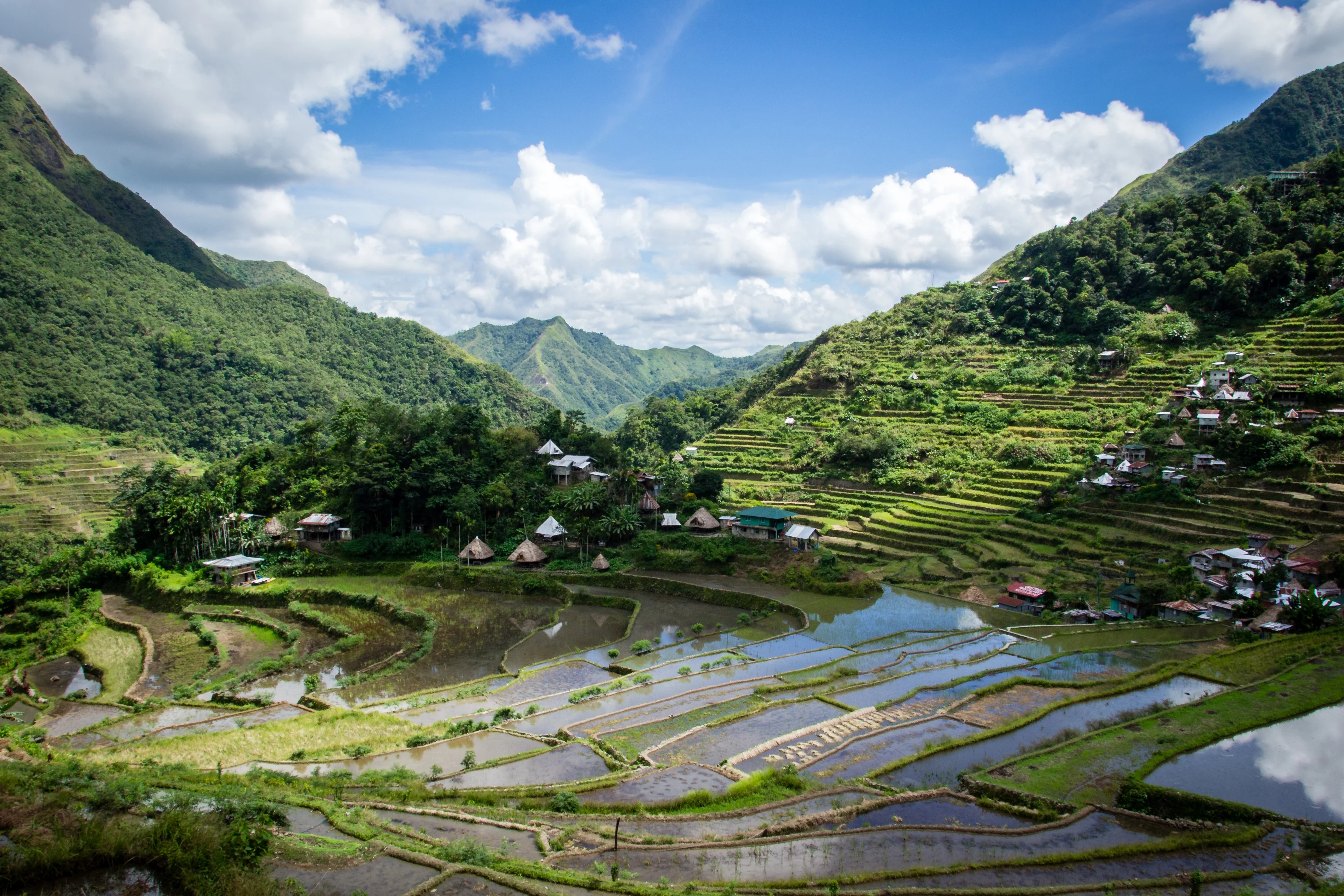
Banaue is a village on the island of Luzon in the Philippines, sitting at an elevation of 1,200 meters (about 3,937 feet) in the Cordillera mountains, near the peak of Mount Amuyao. It is known for extensive rice terraces carved over 2,000 years ago by the Ifugao people, a site recognized as a UNESCO World Heritage landmark since 1995. These terraces function as a sophisticated irrigation system, capturing and distributing water from the mountain forests to nourish the rice crops. Even today, local farmers maintain the fields using traditional, manual techniques.
Seeing the rice terraces, the eighth wonder of the world
Banaue is a small, rugged village and one of eleven settlements inhabited by the Ifugao tribe. Expect cooler temperatures here thanks to the high altitude and mountainous terrain. While the local economy has been anchored in rice farming for two millennia, tourism is now a significant part of daily life. The retaining walls that form the terraces were built by hand, using local materials like mud and stone. Locals often refer to the fields as "stairways to the sky," a fitting name given the steep climbs required to reach the various basins scattered throughout the valley.
You can easily walk through the rice paddies from the village to reach observation points like the Chango View Point or the Front Size View Point. If you are looking for more of a workout, multi-day treks through the valley are available, and hiring a local guide is highly recommended.
Starting point for trekking in the Philippine Cordillera
Most treks lead you through the rice fields to neighboring villages like Batad, which sits inside a natural green amphitheater, as well as Bangaan and Cambulo. Hiking routes often lead deep into the wilderness to spots like Tappia Falls, a 21-meter (69-foot) cascade where you can take a dip, or the Guihob natural pool, which was partially damaged by a typhoon in 2010. Those looking for a challenge can head to the Awa View Deck, a trail that provides a sweeping aerial view of the terraces below. You can also travel between villages by jeep, the primary local transport, or by renting a bicycle on-site.
When to go
The scenery shifts dramatically throughout the year. The landscape is lush and vibrant green during the rainy season in June and July, while the atmosphere turns dry and earthy between December and March, which coincides with the rice planting season. If your schedule allows, try to visit during the Ifugao indigenous culture festival in April to experience days of traditional costumes, songs, and dances.
Getting there
From Manila, the capital, you can take a bus to Banaue. The trip takes about 9 hours. Many travelers prefer the overnight bus to save on time, though the daytime route offers impressive mountain views.
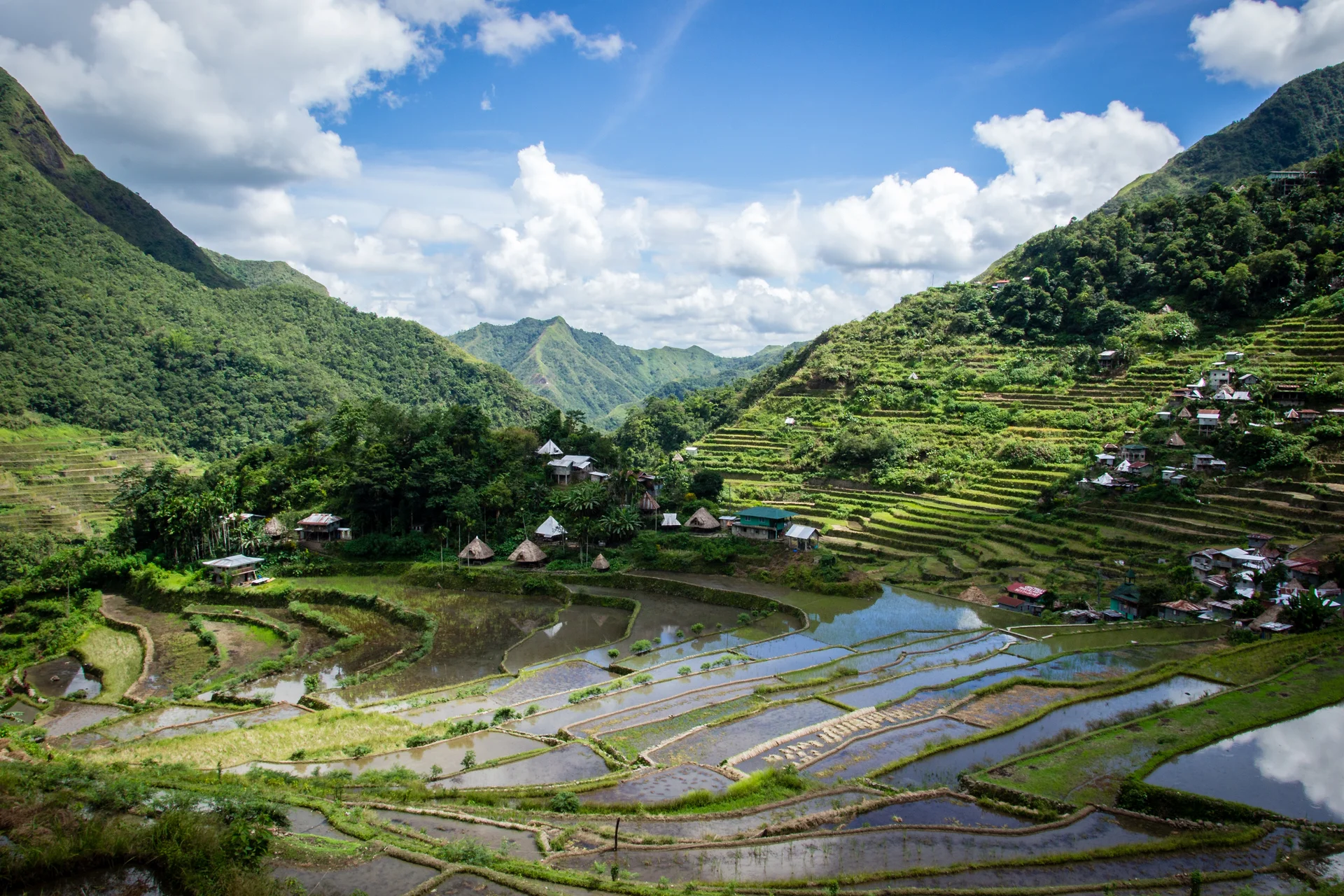
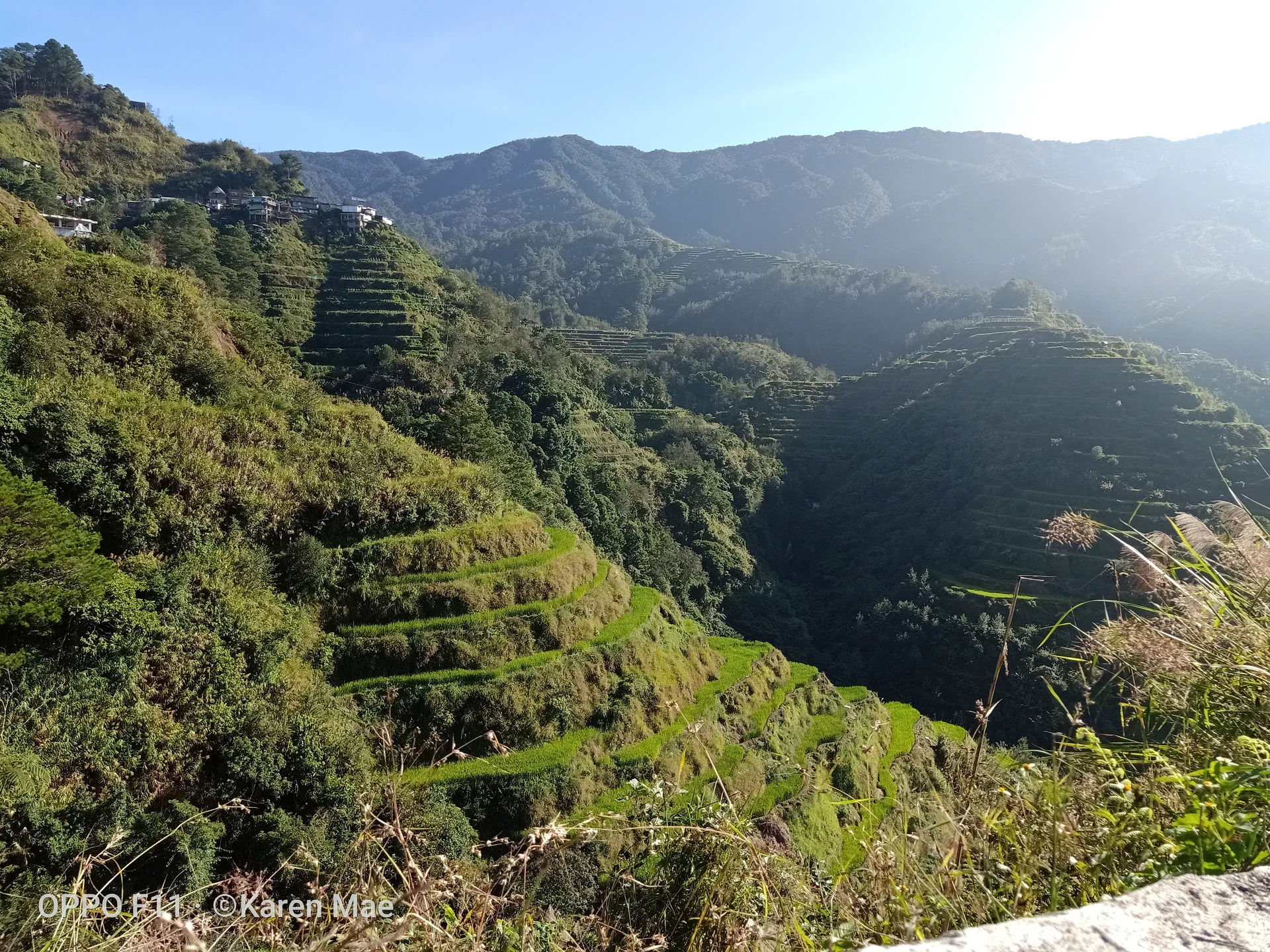
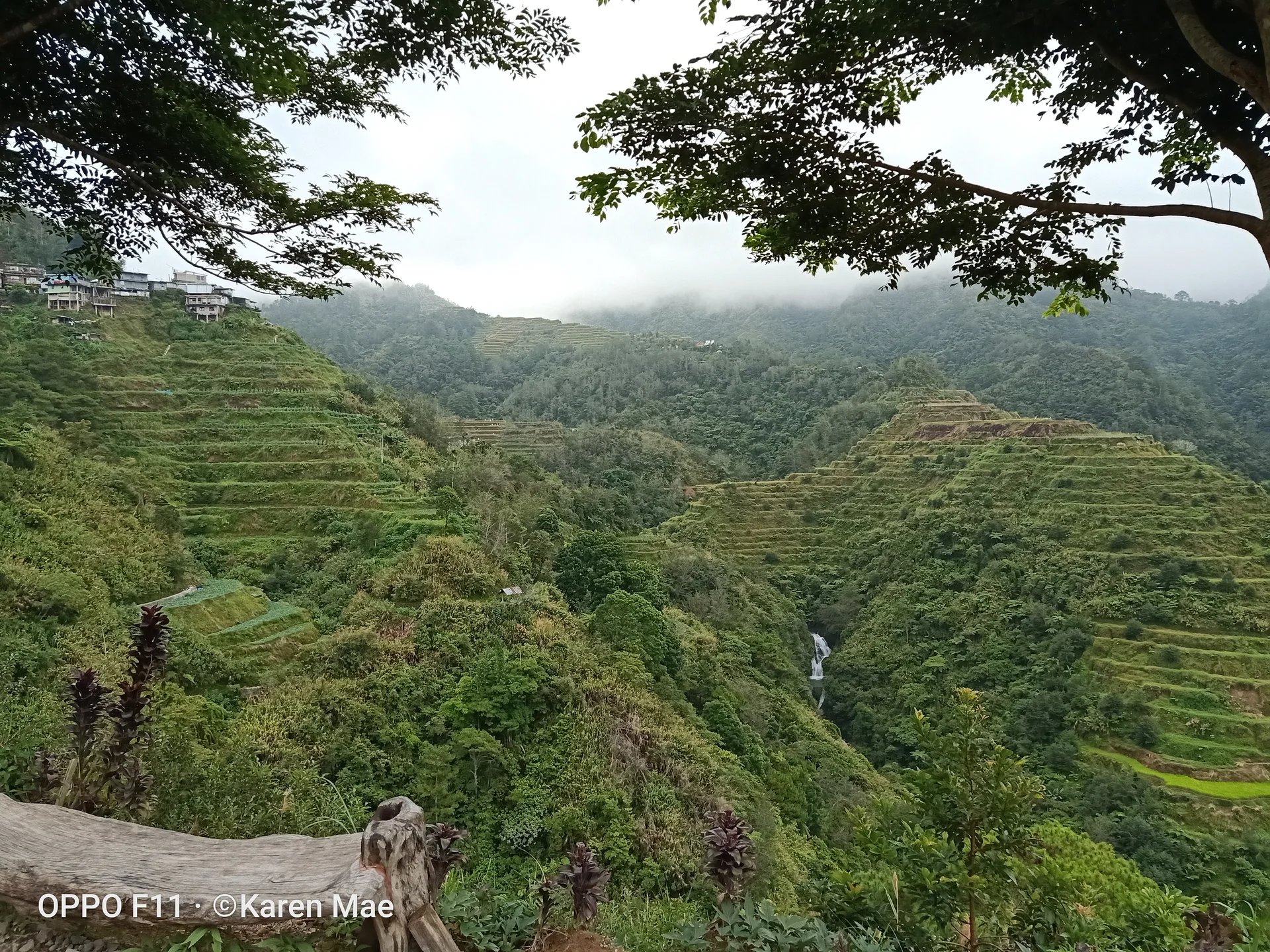
In my opinion, Banaue is a must-see on the island of Luzon. Perched in the mountains, this region offers spectacular rice terraces carved into the hillsides. The view is breathtaking.
Authentic and genuine, Banaue is absolutely worth the trip to discover the mountainous soul of the Philippines. Hikes are organized through the rice fields, where you can enjoy the exceptional scenery and also meet the local people.