
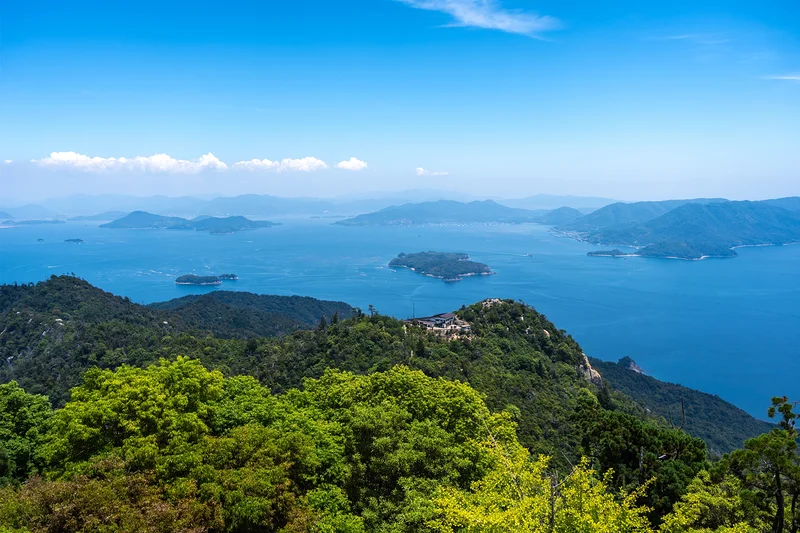
Visiting Hiroshima, a city still shaped by its tragic history
Hiroshima, located on Honshū Island, serves as the capital of its prefecture and the largest city in the Chūgoku region. Known globally as the first city to suffer a nuclear attack in 1945, Hiroshima has successfully rebuilt itself into a modern metropolis that balances historical reflection with contemporary growth.
For travelers exploring Japan, Hiroshima offers an experience defined by emotional depth and cultural discovery.
Memorial sites: remembering to move forward
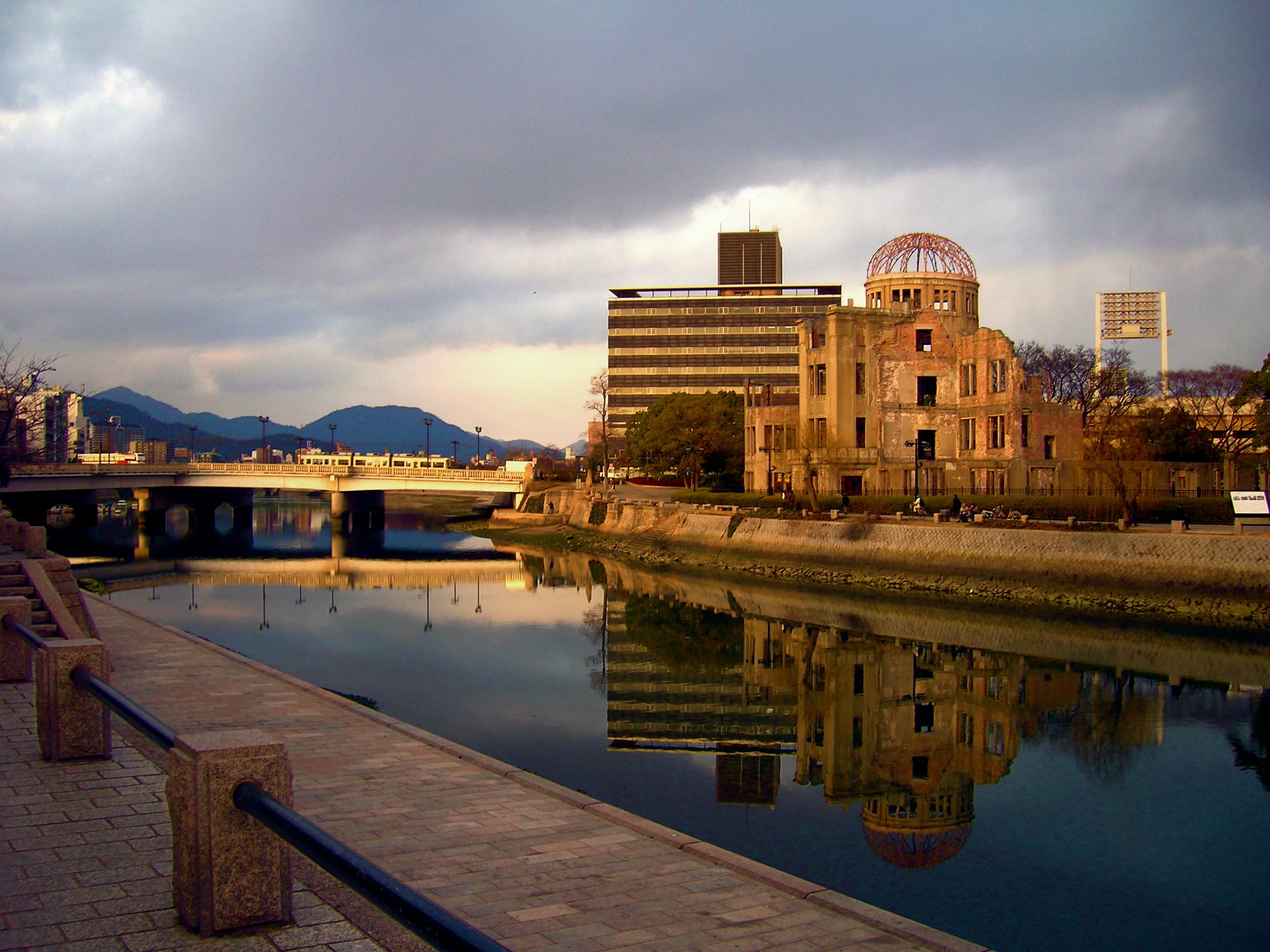
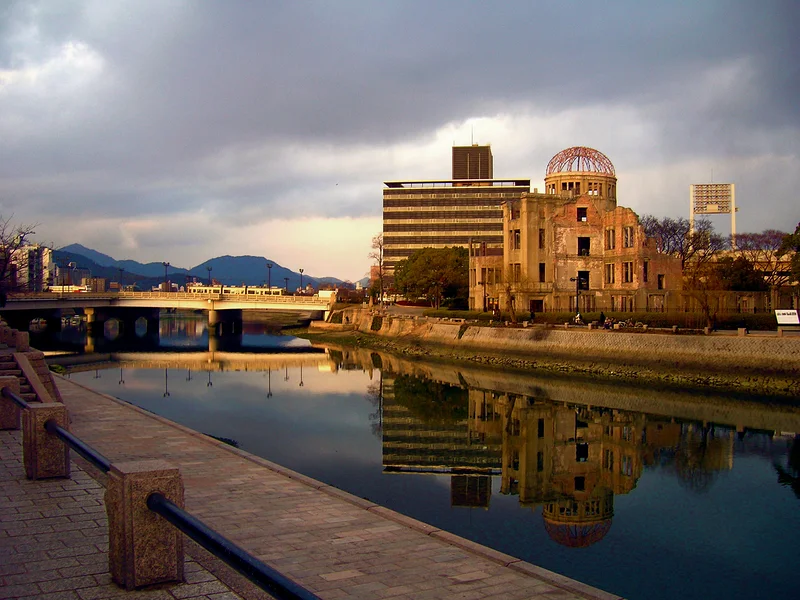
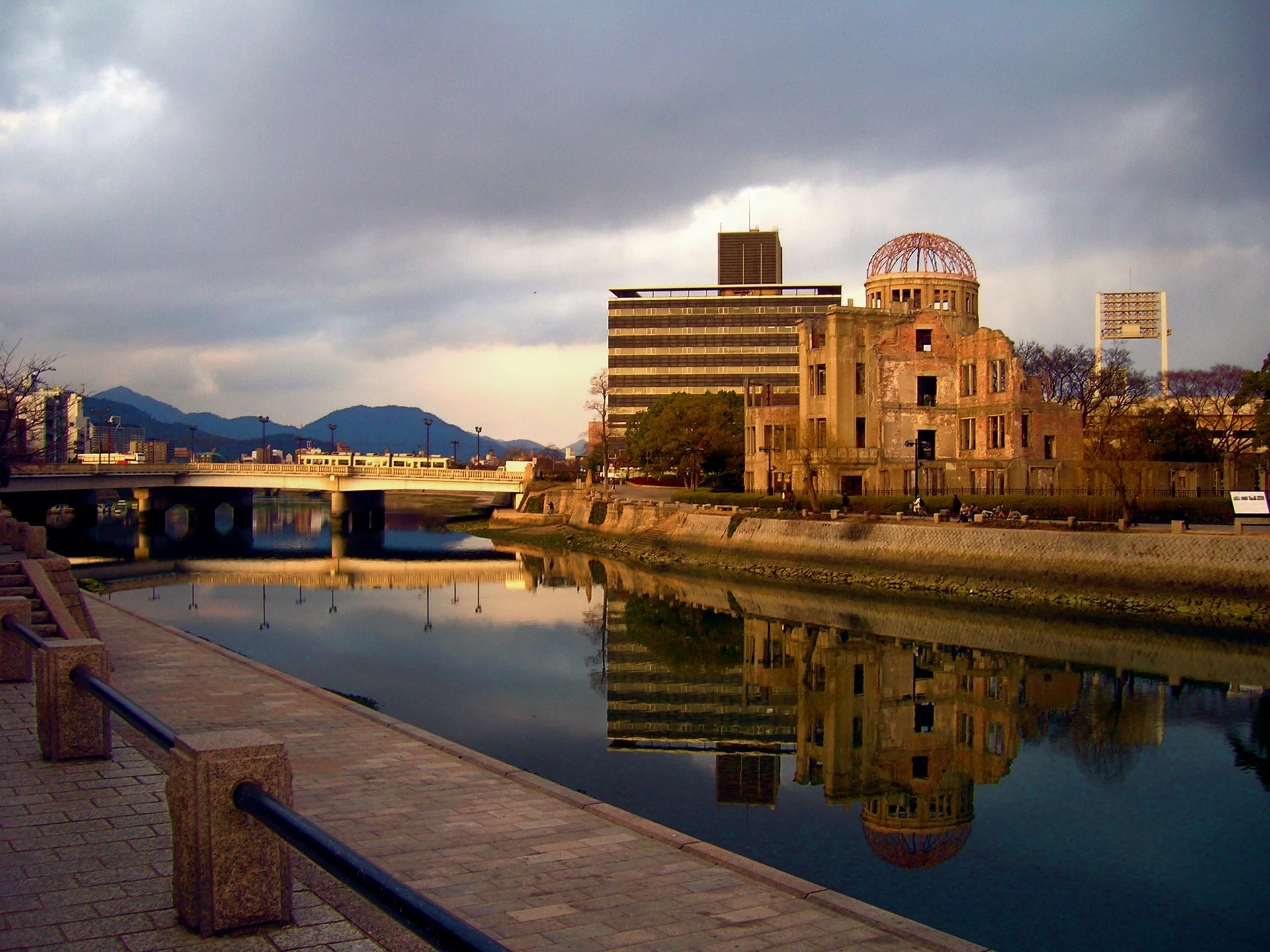
The historic heart of Hiroshima is defined by spaces dedicated to the events of 1945. The Peace Memorial Park houses several monuments, including the Cenotaph for the victims of the bomb and the Flame of Peace, which will remain lit until all nuclear weapons are eliminated globally.
Nearby, the Peace Memorial Museum presents detailed exhibits on the impact of the atomic bomb and personal accounts from survivors. These sites offer a somber reflection on the consequences of war and the necessity of peace.
Cultural and natural heritage: between tradition and beauty
Beyond its past, Hiroshima possesses a rich cultural heritage. Hiroshima Castle, reconstructed after the war, is surrounded by moats and picturesque gardens, offering a glimpse of Japanese feudal architecture.
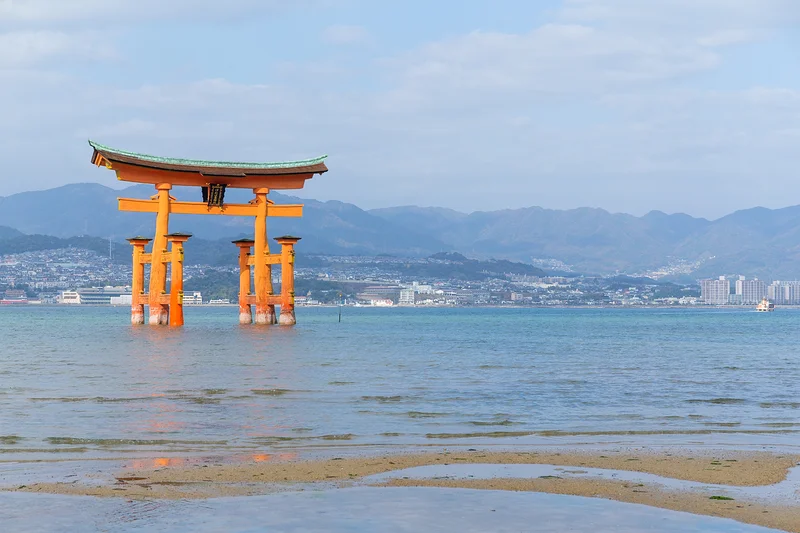
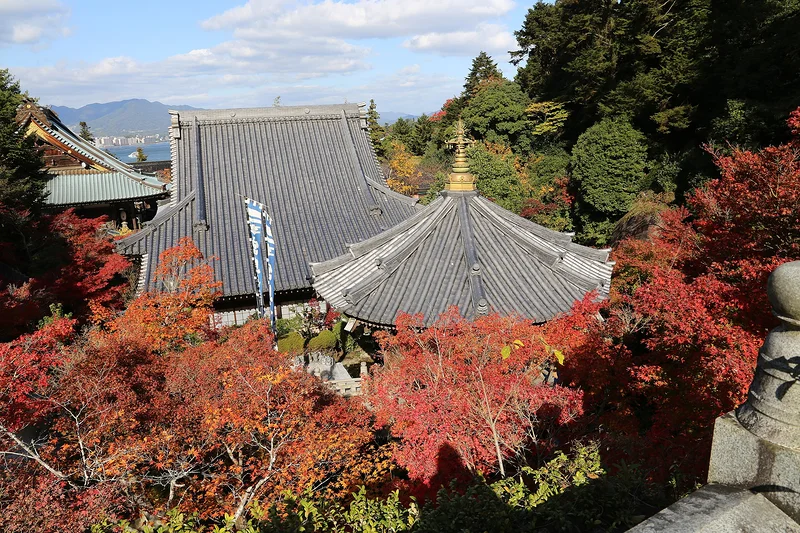
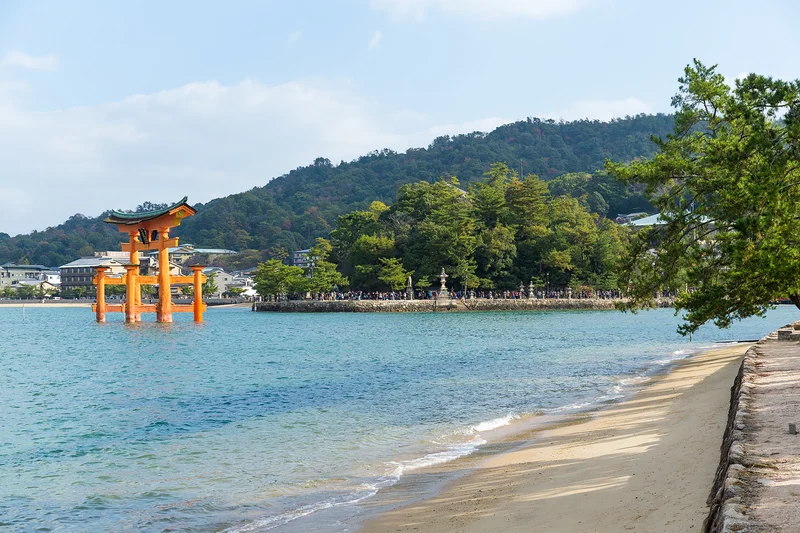
The Shukkei-en Garden, dating back to the 17th century, invites relaxation with its ponds, elegant bridges, and winding paths. Just outside the city, the island of Miyajima is famous for its Itsukushima Shrine and its floating torii gate, considered one of the most iconic landscapes in Japan.
Urban life and entertainment: a city in motion
Hiroshima is a lively city with a thriving arts scene. The Hondōri district is a pedestrian shopping street filled with boutiques, cafes, and restaurants. Art enthusiasts should visit the Hiroshima City Museum of Contemporary Art, which exhibits works by both Japanese and international artists. The city also hosts festivals throughout the year, celebrating everything from traditional music to modern art.
Local cuisine: seafood and savory dishes
Hiroshima's food scene is defined by its unique specialties. Okonomiyaki, a savory pancake layered with noodles, vegetables, meat, or seafood, is prepared on a hot griddle right in front of diners. Fresh oysters, farmed in the Seto Inland Sea, are another local staple, served grilled, fried, or raw. To pair with these dishes, local sake, produced in regional breweries, offers a wide range of flavors to sample.
Where to eat?
- Okonomimura (Naka-ku district): A building housing multiple stalls specializing in okonomiyaki, offering a variety of styles and flavors.
- Kanawa (Naka-ku district): A floating restaurant famous for its fresh oysters, providing a unique dining experience on the Motoyasu River.
- Hassei (Naka-ku district): A family-run spot serving traditional okonomiyaki in a casual setting.
- Sushitei Hikarimachi (Higashi-ku district): For sushi lovers, this restaurant serves fresh regional fish in an elegant environment.
Where to stay?
- Rihga Royal Hotel Hiroshima (Naka-ku district): An upscale hotel offering panoramic city views and modern amenities.
- Hiroshima Washington Hotel (Naka-ku district): Located in the city center, this hotel offers comfortable rooms at accessible rates.
- Guesthouse Akicafe Inn (Minami-ku district): A friendly hostel near the station, ideal for travelers on a tighter budget.
- Hotel Granvia Hiroshima (Minami-ku district): Directly connected to JR Hiroshima Station, this hotel provides easy transport access and polished rooms.
When to go?
Hiroshima enjoys a temperate climate, with mild springs and pleasant autumns that are ideal for sightseeing.
The month of August is marked by commemorations around August 6, the date of the bombing, involving ceremonies and events dedicated to peace. Flower enthusiasts will appreciate the cherry blossom season in April, when city parks are filled with bright pink blooms.
How to get there?
Hiroshima is accessible from Tokyo by shinkansen (high-speed train) in four hours, for a cost of approximately 18,000 JPY (about $120).
From Osaka, the shinkansen trip takes about an hour and a half for a fare of approximately 10,000 JPY (about $65). The city also has an airport with domestic and international flights, making it accessible from various regions.
How to get around?
Hiroshima has a well-developed public transport network, including streetcars, buses, and a light rail line.
The streetcar, operated by Hiroshima Electric Railway (Hiroden), is particularly convenient for reaching major tourist sites. City buses supplement this network by reaching areas not covered by streetcars. The Astram light rail line connects the city center to the northern suburbs.
To simplify your travel, it is recommended to use a rechargeable transit card, such as the PASPY card, which is accepted on most public transport in the city.
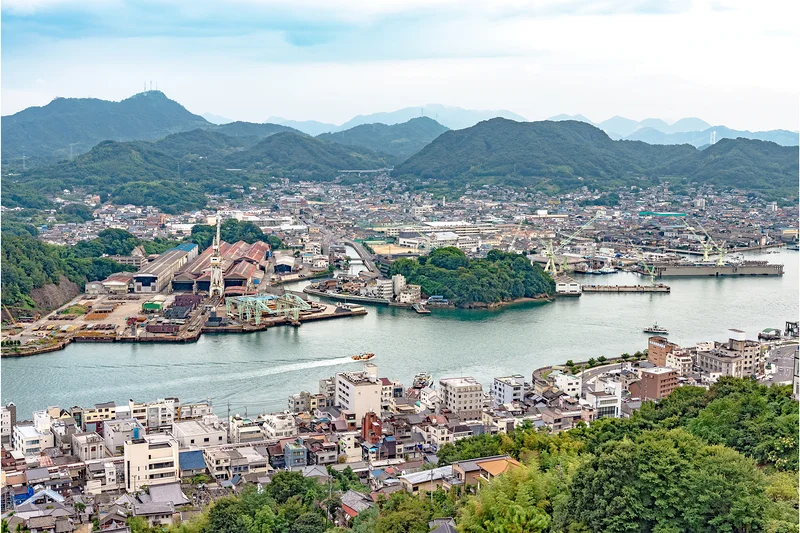
While the city is undeniably marked by history, I felt an incredible atmosphere here. Between the messages of peace and the beauty of the city, crisscrossed by its many rivers, a sense of tranquility is what really stands out. I regret not spending more time there! I recommend visiting the castle and stopping by the Orizuru Tower for a magnificent view, especially at sunset.