
Visiting Gwalior, a mix of history and heritage
Gwalior Fort: a massive hilltop citadel
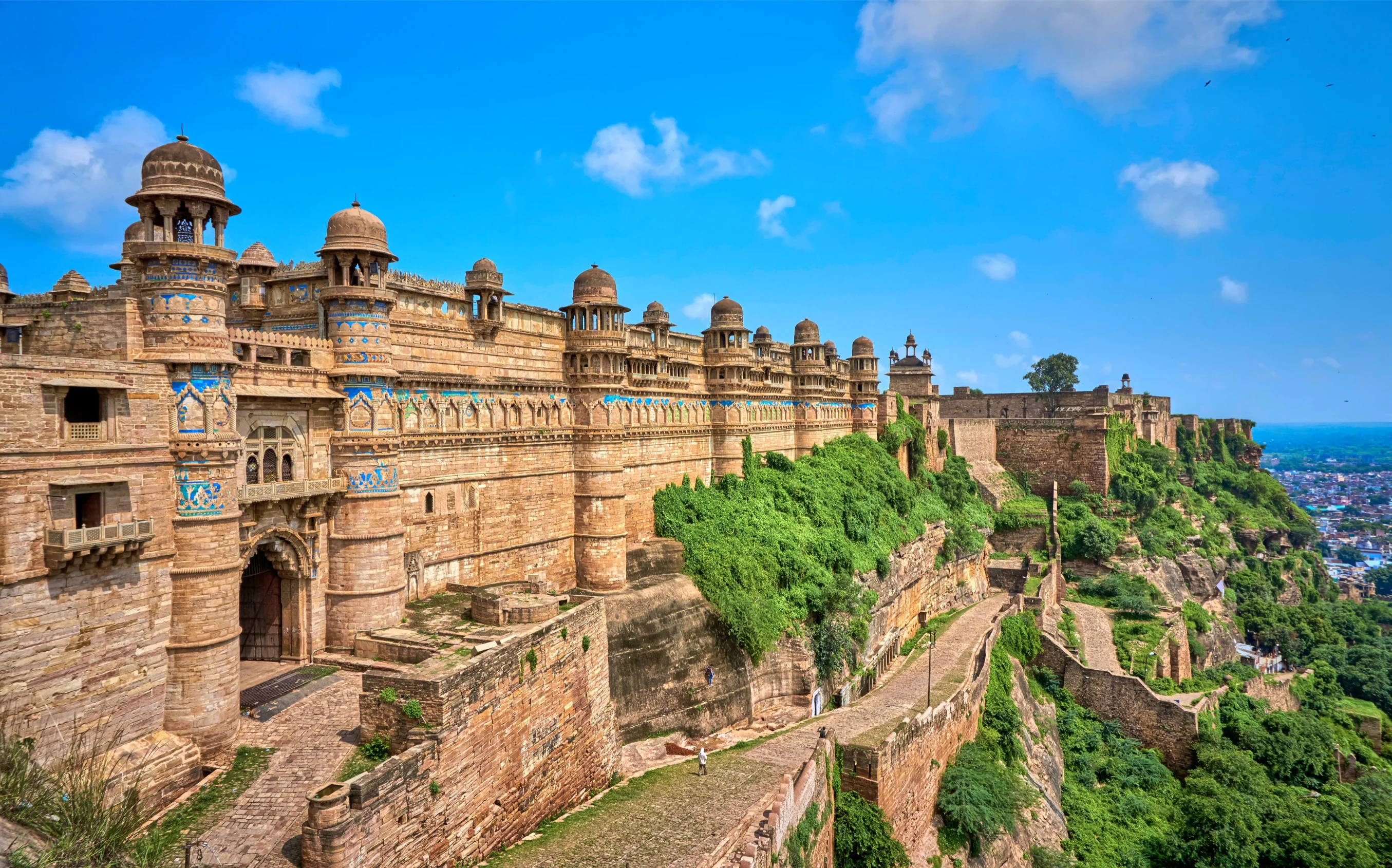
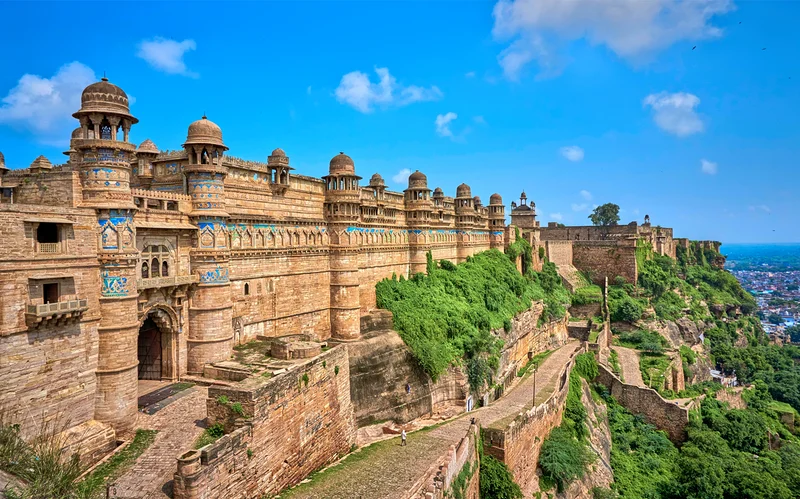
The Gwalior Fort serves as the city landmark, frequently cited as one of the most imposing fortresses in India. Perched on a steep hill, it provides a panoramic view of the surrounding plains. You can explore the various palaces, temples, and intricate stone carvings that define its long history. A primary highlight is the Man Mandir Palace, which stands out for its facade covered in vibrant tiles and its complex architectural detailing.
The Sas Bahu and Teli Ka Mandir temples
Inside the fort walls, the Sas Bahu temples and the Teli Ka Mandir are essential stops for anyone interested in ancient stonework. The Sas Bahu temple, dedicated to Vishnu, is known for its delicate carvings and refined aesthetic. In contrast, the much larger Teli Ka Mandir blends Dravidian and Indo-Aryan architectural styles. These structures offer a look into the religious and cultural diversity of the medieval period.
Tansen's Tomb
Gwalior is inseparable from Tansen, one of India's most celebrated musicians, who trained at the court here. His tomb, set within quiet gardens, serves as a pilgrimage site for classical music enthusiasts. Every December, the grounds host the Tansen Music Festival, where performers from across the country gather for a series of concerts.
Jai Vilas Palace: a touch of grandeur
Built in the 19th century, the Jai Vilas Palace is a European-style estate that now functions as a museum. It provides a window into the princely lifestyle through its opulent reception rooms, extensive collections of artifacts, and its famous, massive crystal chandelier. The site offers a sharp contrast to the older, more rugged monuments found elsewhere in Gwalior.
Local gastronomy
The food in Gwalior is a highlight of the visit. Try bedai, a deep-fried bread served with a spicy vegetable curry known as sabzi, or poha, a flattened rice dish often eaten for breakfast. If you have a sweet tooth, sample gajak. This local treat made of sesame seeds and jaggery is a perfect souvenir to bring home.
When to go
The best time to visit Gwalior is between November and February, when temperatures are comfortable, typically ranging from 59 to 77 degrees Fahrenheit (15 to 25 degrees Celsius). The Tansen Music Festival in December is a cultural peak, drawing musicians and travelers alike. Avoid the summer months from April to June, when temperatures can climb above 104 degrees Fahrenheit (40 degrees Celsius), making outdoor sightseeing difficult.
How to get there
Gwalior is well-connected by both rail and air. The train ride from Delhi takes about 4 to 5 hours and costs between 300 and 1500 INR depending on your class of service. For a faster option, domestic flights connect Delhi to Gwalior in about an hour, with tickets starting at 2500 INR. Once you arrive at the train station or airport, local taxis are readily available to take you to the main historical sites.
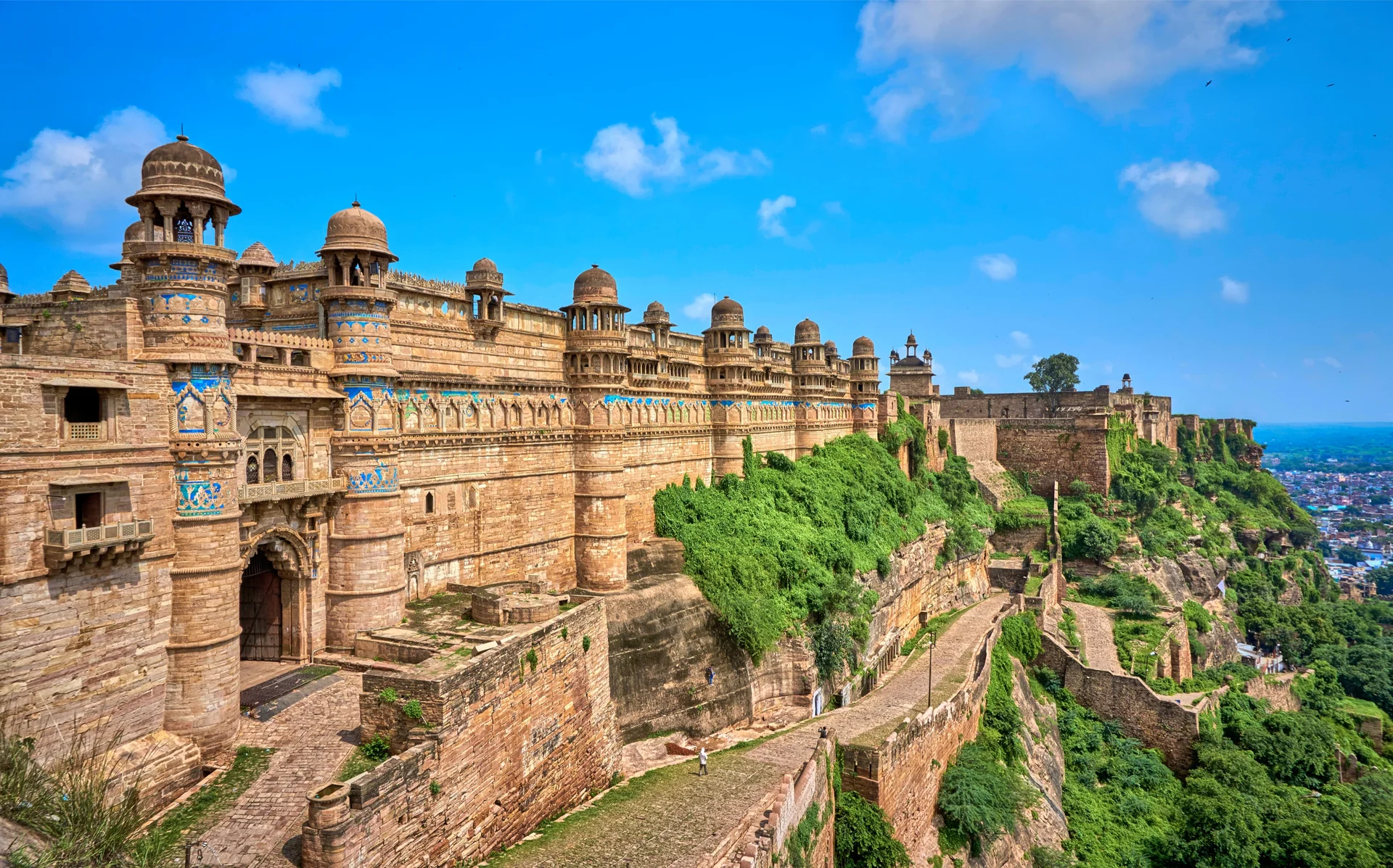
We spent a day in Gwalior to visit its fort, which is located on a very large site.
The visit is really worth it. Between the impressive fortresses, the temples, and especially the statues carved directly into the cliffs, it was a full day.
The statues are diverse and huge, and we were able to get very close to them.
The site is quiet. As for the rest of the city, nothing else really stood out to us.