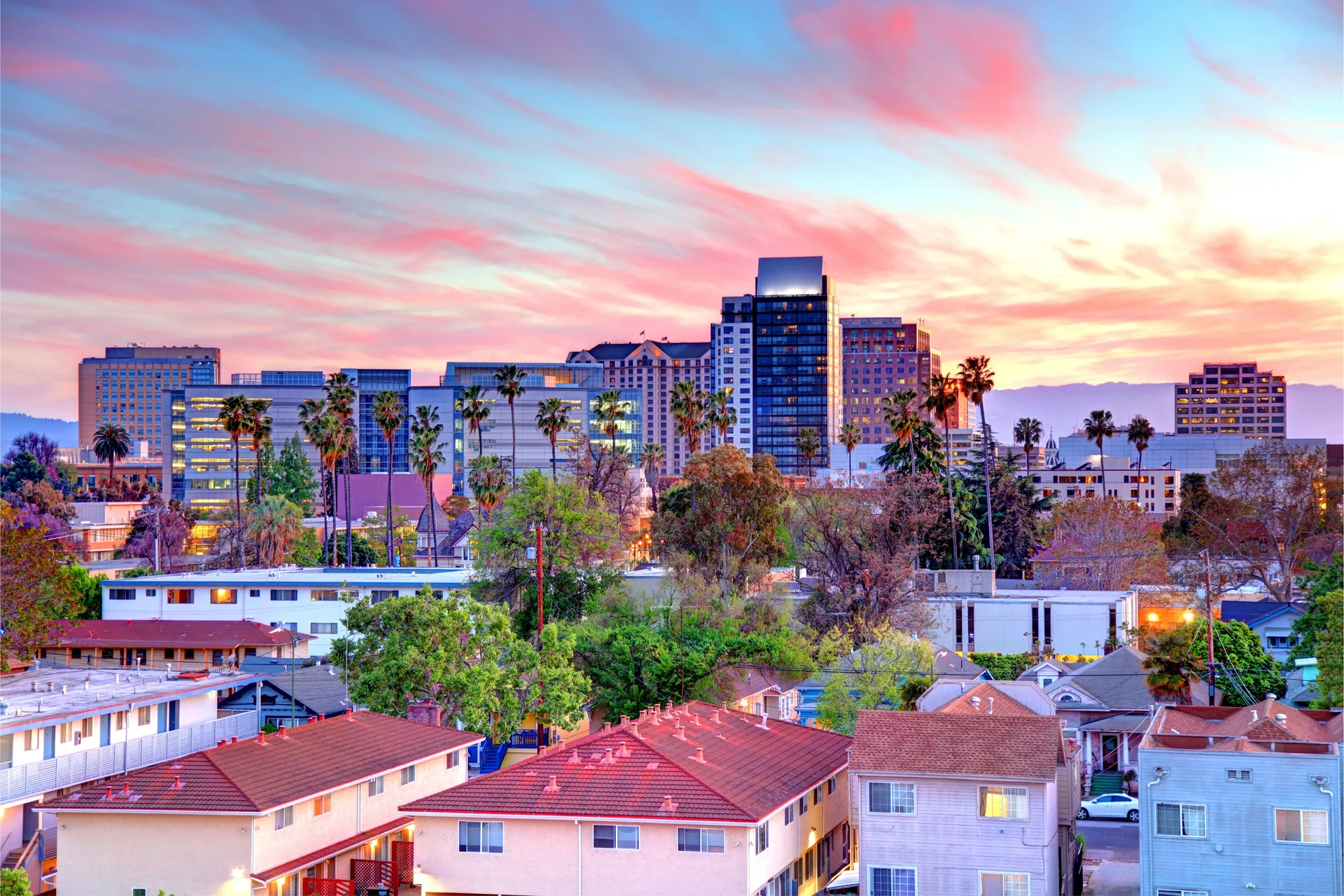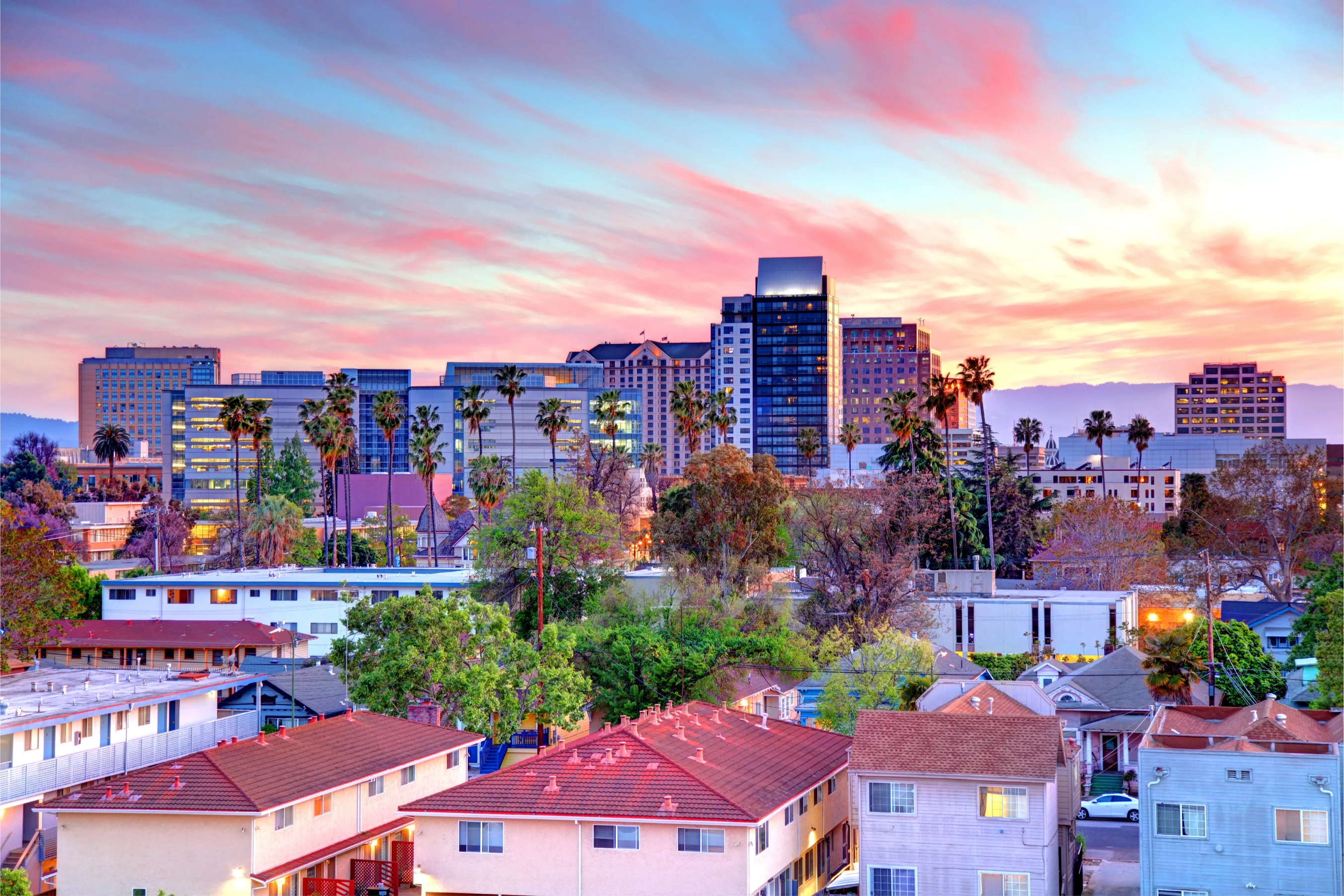
Visiting San José, the vibrant and contrasting heart of Costa Rica
The scent of freshly ground coffee drifting from downtown cafes, the hum of colorful buses navigating the streets, and weather-worn facades hiding unexpected museums: this is your introduction to San José. As a capital city of many faces, it intrigues and surprises in equal measure, balancing urban chaos with genuine Tica authenticity.
Is San José your type of city?
The capital appeals to travelers curious about history, art, and local culture, specifically those looking to understand the soul of the Costa Rica beyond the typical beach and volcano circuit. It is a great fit for anyone who enjoys busy markets, immersive museums, and a cosmopolitan urban energy.
On the other hand, travelers strictly seeking untouched nature or total peace and quiet might find the city loud and occasionally a bit disorganized.
Costs are manageable, but keep in mind that the pace is that of a major Central American capital, complete with heavy traffic and intense daily activity.
The historic center: museums, plazas, and daily life
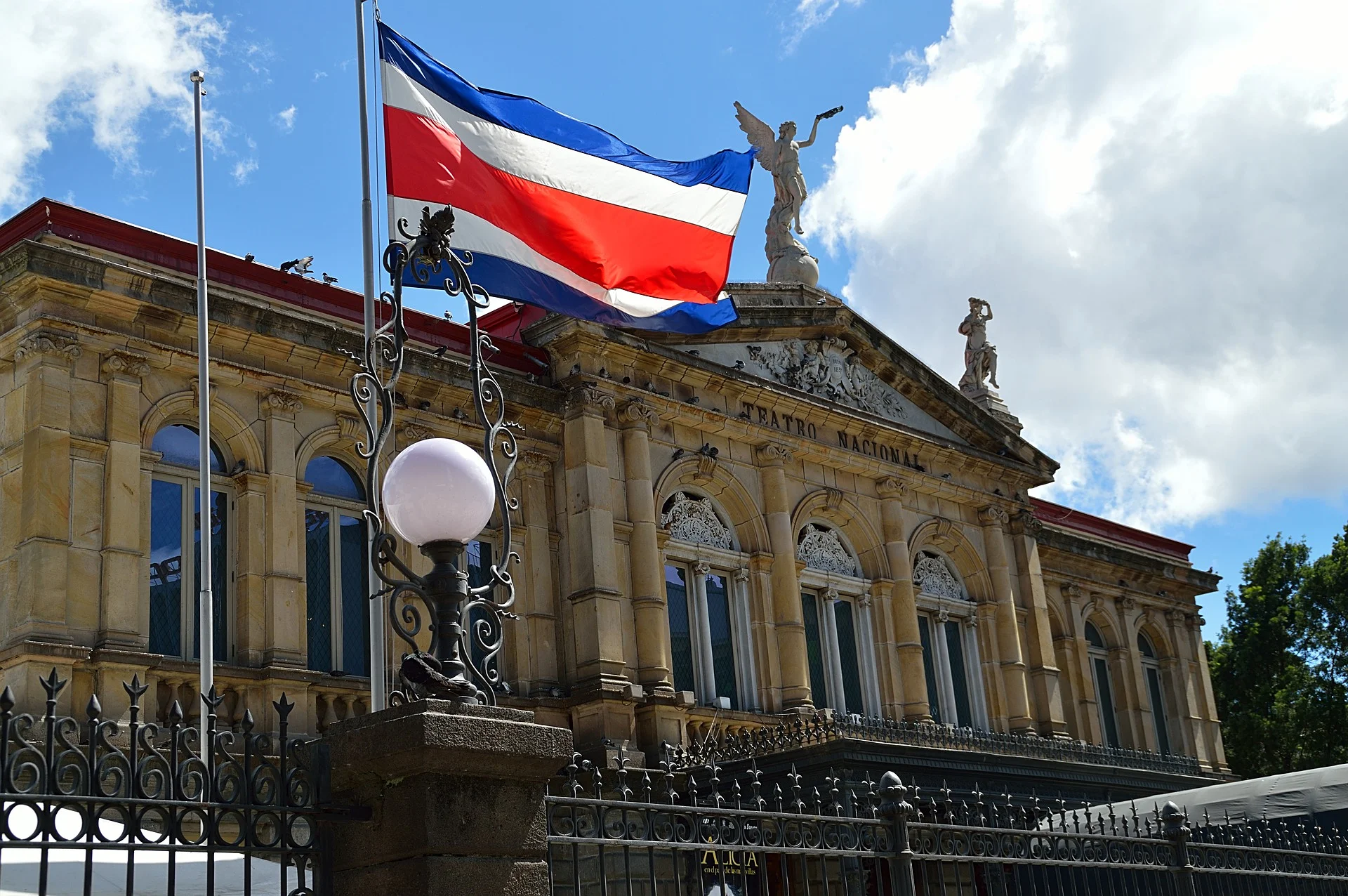
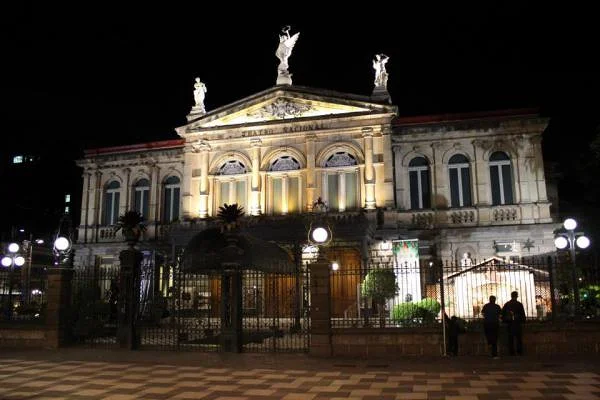
The city core revolves around the plaza de la Cultura and the Teatro Nacional, a neoclassical masterpiece that is best appreciated through a guided tour. Nearby, the musée de l’or précolombien (Pre-Columbian Gold Museum) showcases fascinating artifacts that track the country's ancient cultures.
Markets are a mandatory part of the experience. The Mercado Central is a labyrinth where you will find vendors selling spices, medicinal herbs, and local staples like sopa negra (black bean soup).
Local tip: Visit the market in the morning, when the atmosphere is most authentic and the stalls are fully stocked.
Barrio Amón and Barrio Escalante: the bohemian and culinary soul
In Barrio Amón, historic Victorian mansions now house art galleries and trendy cafes. It is a neighborhood that breathes creativity and attracts those who enjoy wandering through city streets on foot.
Just a few minutes away, Barrio Escalante has become the city's primary destination for foodies. You will find innovative restaurants, microbreweries, and patios perfect for sampling the new wave of Costa Rican cuisine.
Local tip: Go in the evening. The streets come alive, and the social atmosphere makes it easy to hop between a few different spots throughout the night.
La Sabana and the city's open spaces
The sprawling parc La Sabana is often called the lungs of San José. It is the perfect place for a green break, whether you want to watch the joggers or have a picnic in the shade. The park also houses the musée d’art costaricien (Costa Rican Art Museum), which is set in what used to be the city's airport terminal.
This contrast between the busy city and large open spaces provides a welcome breather for travelers in transit or for anyone needing to decompress after a long day.
Local tip: Plan a Sunday visit. Local families gather here, creating a festive and welcoming vibe.
Excursions around the capital
Less than an hour away, volcanic landscapes and coffee plantations open the door to a different side of Costa Rica. The volcan Poás and its massive, accessible crater are genuinely impressive. The surrounding plantations offer a look at the cultivation of coffee, the country's signature export.
Local tip: Leave early in the morning. The mist rolls in quickly and often obscures the view of the crater.
Where to eat and drink in San José?
The culinary scene balances tradition with modern flair. In local sodas (casual eateries), you can order a generous casado, which typically includes rice, beans, meat, and fried plantains. For dessert, do not miss the tres leches, a cake soaked in three types of milk. For something more contemporary, the restaurants in Barrio Escalante offer creative takes on tapas paired with local craft beers.
Where to stay in San José and the surrounding areas?
For a convenient stay, hotels in the center provide easy access to the main museums and markets. Travelers looking for a quieter experience often prefer Barrio Amón, which features smaller houses converted into boutique hotels. If you have an early flight, there are plenty of lodging options right near the airport.
How to get to and around San José?
L’aéroport international Juan Santamaría is located about 12 miles (20 kilometers) from the city center. Official taxis and shuttle services are the easiest ways to reach the city. Once you are in town, local buses cover the entire capital, though traffic can be quite heavy. Many travelers prefer walking within the central neighborhoods and renting a car only when they are ready to explore the countryside.
When to go?
The best time to visit is from December to April, during the dry season, when you can expect clear skies and pleasant temperatures. The rainy season, from May to November, still brings plenty of sunshine, though you should expect showers in the late afternoon. If possible, avoid September and October, as these are typically the wettest months.