
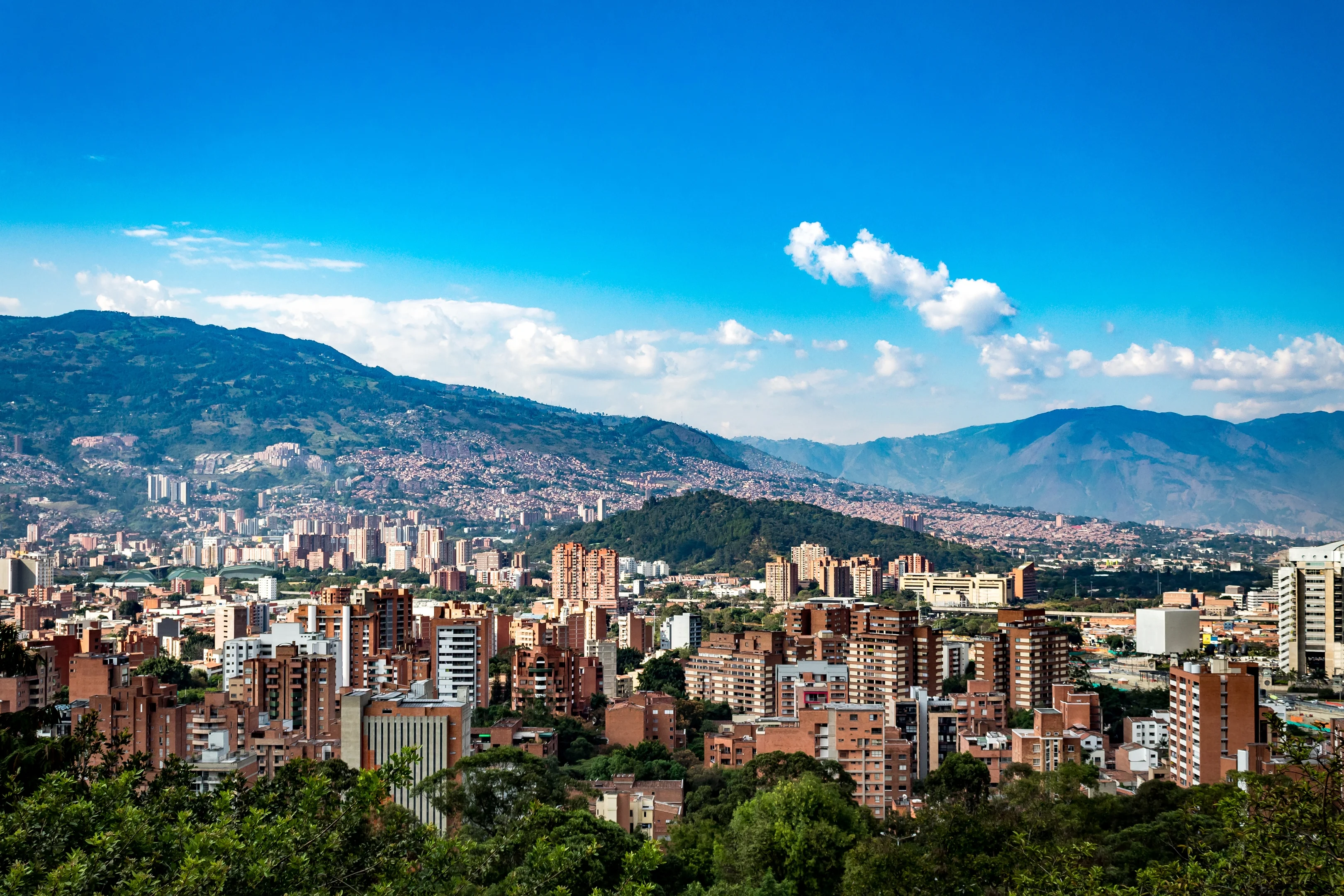
Visiting Medellín: The rebirth of an Andean metropolis
In what other city can you ride a cable car to view revolutionary street art, then sip a world-class coffee grown just up the mountainside? Medellín defies expectations with its ability to turn deep scars into urban art and reclaim once-dangerous neighborhoods as centers of creativity. Think of the city's transformation as having a coastal vibe reminiscent of Santa Monica, but traded for the dramatic, lush peaks of the Andes.
Crisp Andean air tempers the tropical heat, creating a unique atmosphere where technological innovation blends with traditional paisa culture in a valley setting.
Medellín: The optimist's destination
This city is for travelers who believe in the power of transformation. If you are looking for ancient historical monuments or beach resorts, look elsewhere. Medellín wins you over with its positive energy, thriving art scene, and incredibly generous locals. It is a perfect fit for anyone interested in street art, specialty coffee, and creative urban design.
Prepare yourself for a few realities, however. Social inequality remains visible, some peripheral neighborhoods should be avoided, and the language barrier can make deep social connections challenging. Budget accordingly to take full advantage of the rapidly expanding cultural and dining scene.
El Poblado: The beating heart of the modern city
This neighborhood packs Medellín's cosmopolitan energy into a space defined by glass skyscrapers and cobblestone streets. Parque Lleras hums until the early hours with salsa bars and fusion restaurants, while the Zona Rosa showcases local boutiques and craft coffee shops. Contemporary architecture sits right alongside preserved colonial homes.
Prices in this upscale sector can be surprising, with dinner at a trendy restaurant running 65,000 to 110,000 COP (about $16 to $27). However, the relaxed and secure atmosphere makes it an ideal home base for exploring the city. Rooftop bars here offer stunning views of the illuminated Aburrá Valley below.
Local tip: Avoid street vendors in Parque Lleras who offer illegal substances. Police patrol regularly, and penalties for tourists are severe.
Centro and La Candelaria: A deep dive into recent history
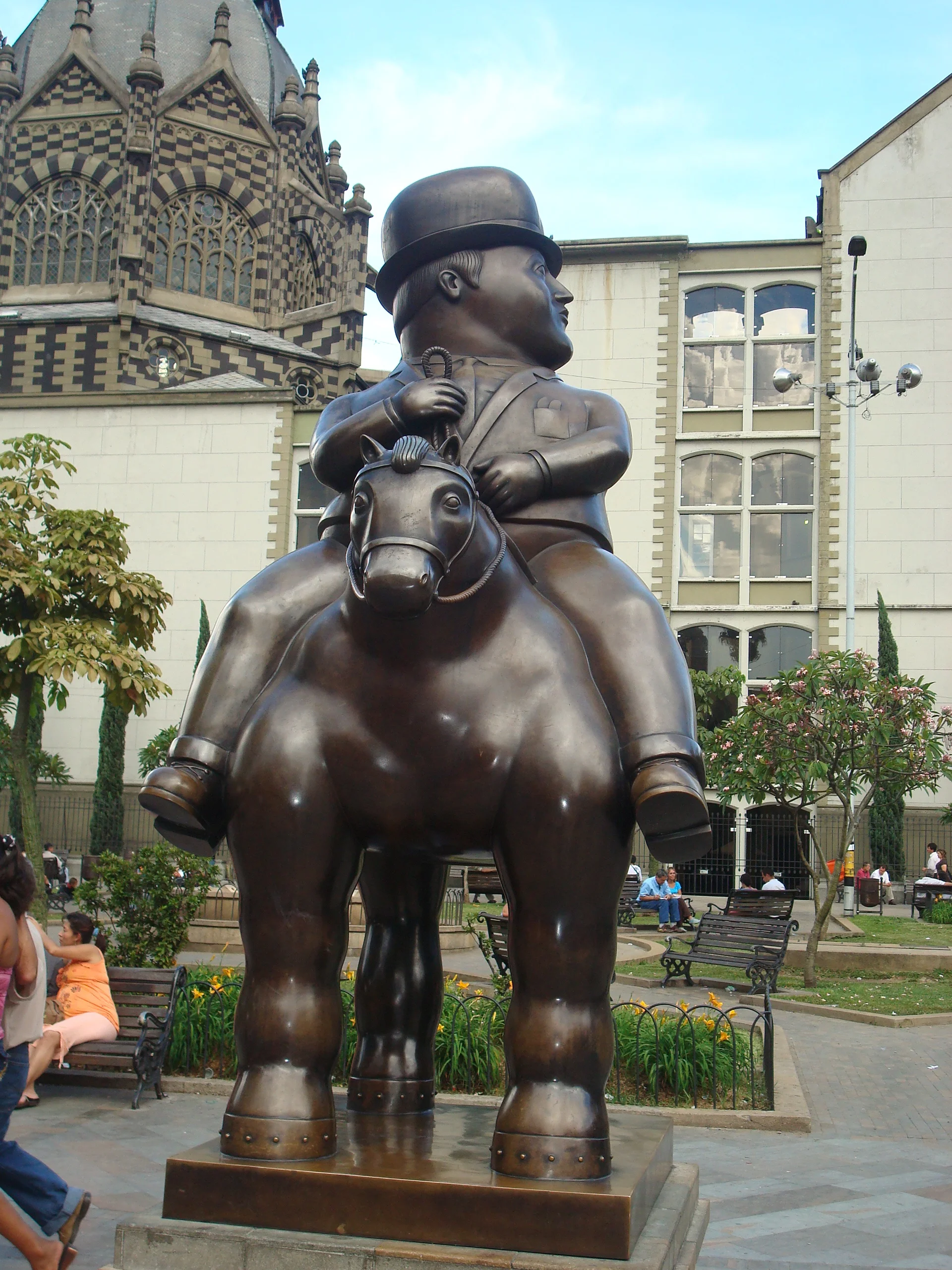
The historic center chronicles Medellín's dramatic evolution through its Art Deco buildings and bustling plazas. Plaza Botero displays the signature oversized bronze sculptures of master artist Fernando Botero in an open-air setting, acting as a free museum in the middle of the urban hustle. The Museo de Antioquia continues this deep dive into Colombian contemporary art.
Don't miss the Plazuela de San Ignacio, a small pocket of peace where locals play dominoes in the shade of jacaranda trees. The colorful facades in the Prado neighborhood are a testament to past prosperity, built back when coffee barons established their grand mansions here.
Local tip: Visit the center on a weekday rather than the weekend. Commercial activity slows down, allowing you to appreciate the architecture without the heavy crowds.
Comuna 13: Street art and collective memory
Once a lawless area, this hillside neighborhood is the ultimate symbol of Medellín's comeback. The Las Escaleras Eléctricas (outdoor escalators) revolutionized mobility for locals, turning a grueling climb into a scenic transit route. The walls are covered in massive murals that tell the story of the city's painful past and its reclaimed hope.
Local guides share their personal stories with palpable emotion during organized tours. These young rappers and graffiti artists have become cultural entrepreneurs, creating a unique model of community-led tourism. The experience goes far beyond a standard sightseeing trip.
Be careful, though: avoid wandering into the side alleys on your own. Guided tours ensure your safety while providing direct, fair income to the local community.
The heights: Cable cars and panoramic views
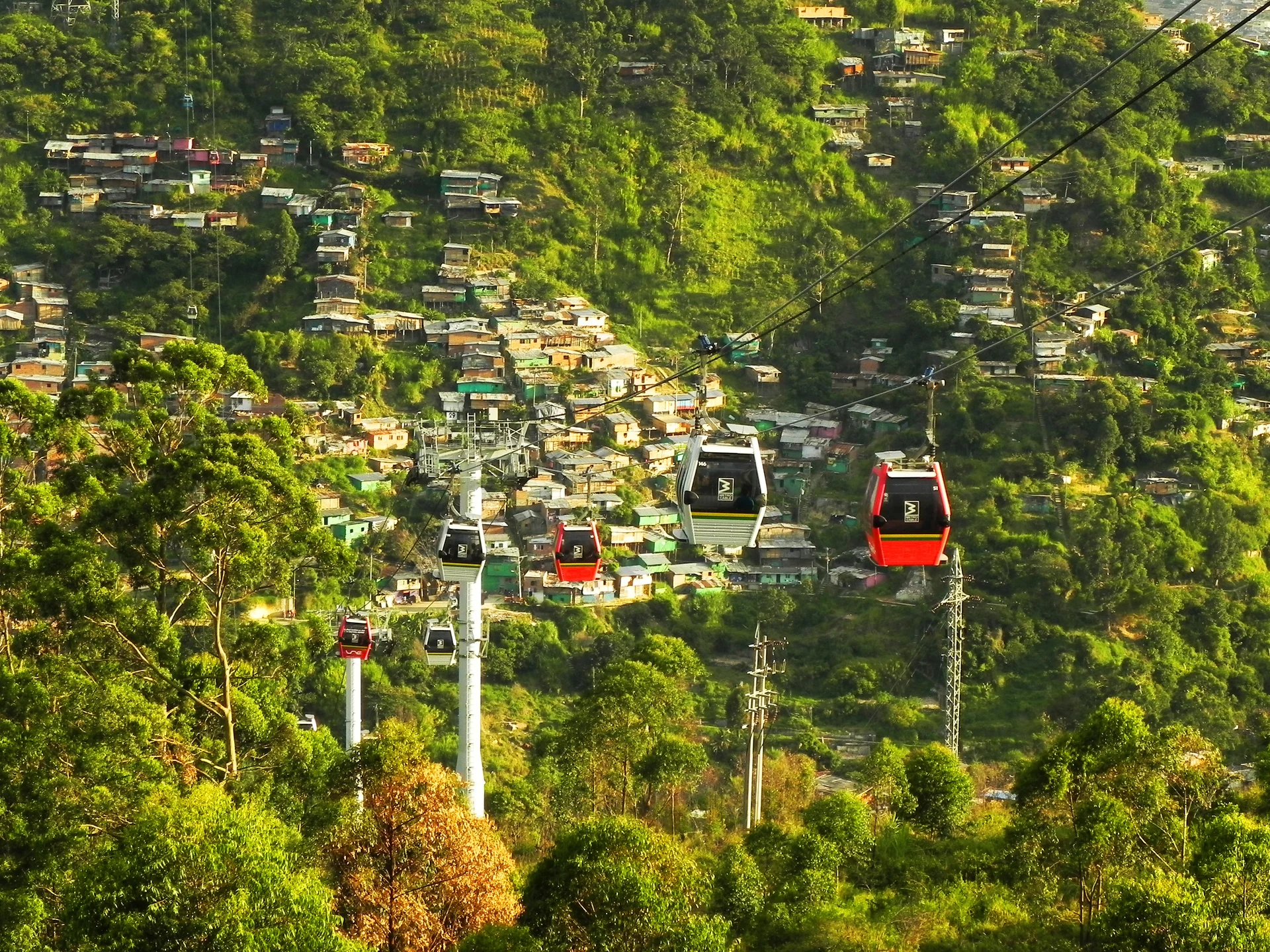
Medellín's cable car system goes beyond simple public transit to become an attraction of its own. The Línea K climbs toward Santo Domingo, revealing the rugged geography of the valley and the sharp contrasts between affluent and working-class neighborhoods. The Metrocable ride to Parque Arví crosses over the canopy to reach a 16,000-hectare nature reserve.
Up there, hiking trails and artisan markets offer a breath of fresh air far from the city noise. On weekends, local paisa families picnic in the clearings while traditional music plays. The pure, cool mountain air is a stark contrast to the valley floor.
Where to eat and drink in Medellín?
Paisa gastronomy marries indigenous influences and Iberian traditions in hearty portions. The bandeja paisa is a culinary challenge: rice, red beans, fried egg, avocado, plantain, and chicharrón make up this massive plate. Empanadas paisas are known for their corn dough and generous ground meat fillings.
The Laureles neighborhood has a creative food scene where chefs are reimagining regional classics. The fondas in the city center serve authentic food at budget-friendly prices, while El Poblado leans toward international fusion. Do not leave without trying a locally sourced coffee, served in the many specialty coffee shops popping up in every neighborhood.
Where to stay in Medellín and the surrounding area?
El Poblado offers the widest range of accommodations, from trendy hostels to boutique hotels. Expect to pay 60,000 to 120,000 COP (about $15 to $30) for a night in a hostel, or 200,000 to 320,000 COP (about $50 to $80) for a mid-range hotel. The nightlife can be loud for travelers seeking quiet.
Laureles offers a more authentic and peaceful alternative with great value. This middle-class residential neighborhood keeps its local character while remaining well-connected to the center. Envigado, to the south, appeals to travelers who prefer a suburban vibe with easy metro access.
How to get there and get around?
José María Córdova international airport is located 45 minutes from the city center. Regular buses connect the airport to the San Diego terminal for 8,000 COP (about $2), while a taxi costs about 80,000 COP (about $20). The Olaya Herrera airport, which is much closer, primarily handles domestic flights.
The metro is the pride of the city and the most efficient way to travel from north to south. Two main lines and several cable car routes complete this modern and safe network. A ticket costs 2,500 COP (about $0.60), and a rechargeable card makes frequent travel easy. Taxis are affordable for short trips, but use apps like Uber or DiDi to avoid overcharging.
When to go?
Medellín enjoys a temperate climate year-round thanks to its 1,500-meter altitude, justifying its nickname as the city of eternal spring. Temperatures hover between 18 and 28 degrees Celsius (64 to 82 degrees Fahrenheit) with little seasonal variation. Avoid April-May and October-November if possible, as these are the rainier months, though showers are generally short and refreshing.
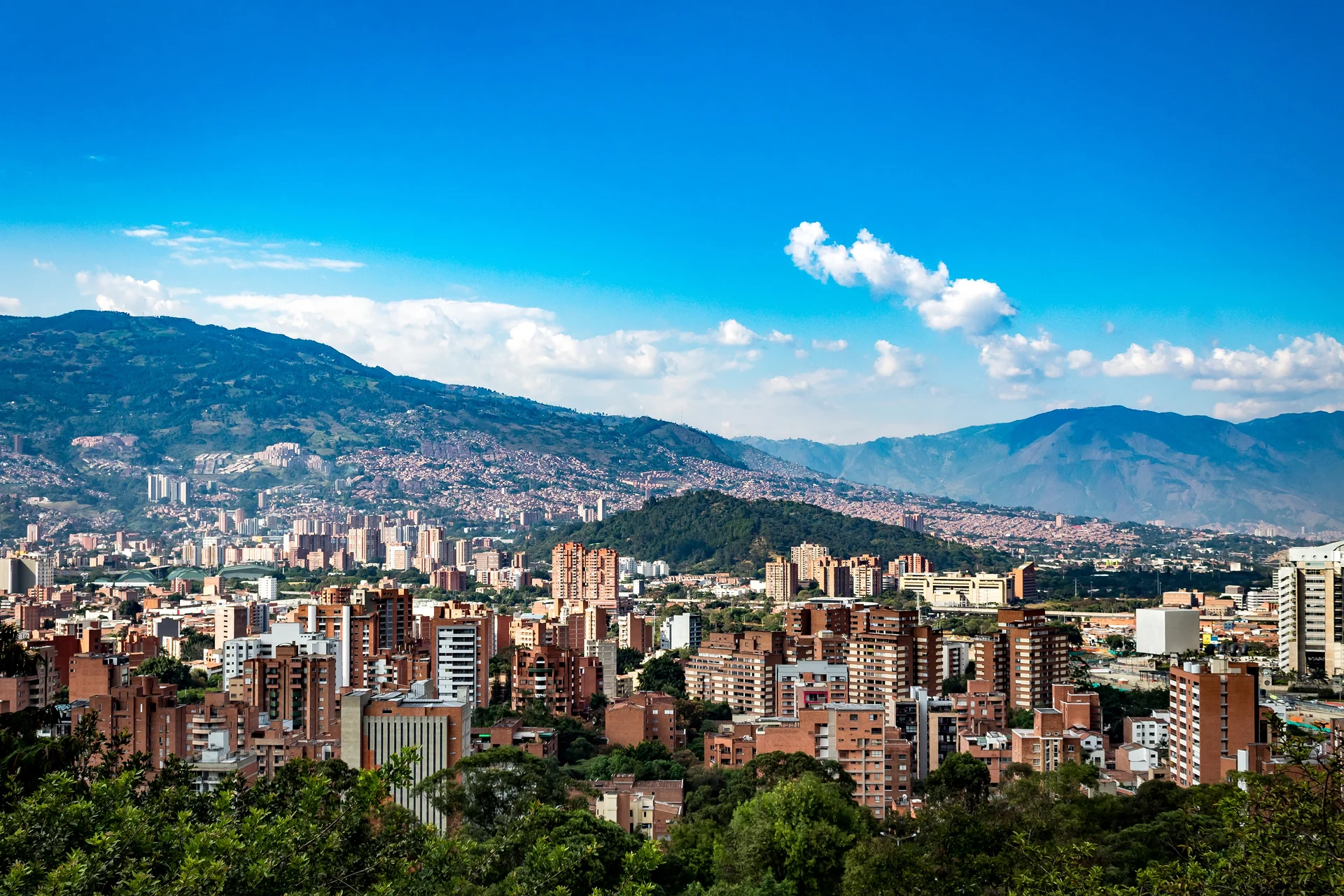
Medellin is the perfect embodiment of the modern success of the country, and even the continent. Despite its tumultuous past (Escobar), it has managed to leverage its resources to develop in a European style. Its residents are known for being excellent entrepreneurs and, above all, wonderful people with big hearts. A spring-like climate also makes for great living all year round.