
Exploring Uruapan: Lush Nature and Purépecha Traditions
Located in the state of Michoacán, Uruapan is widely known as the global capital of the avocado. This laid-back provincial city draws visitors in with its mild climate, colonial architecture, and close proximity to some of Mexico's most dramatic landscapes. If you are looking for a destination that mixes outdoor adventure with deep cultural roots, it warrants a stop on your itinerary.
Parque Nacional Barranca del Cupatitzio
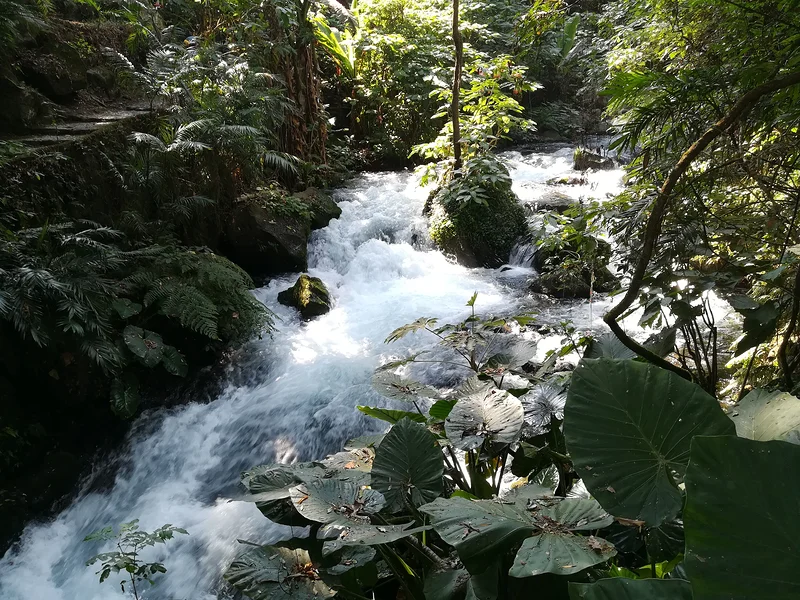
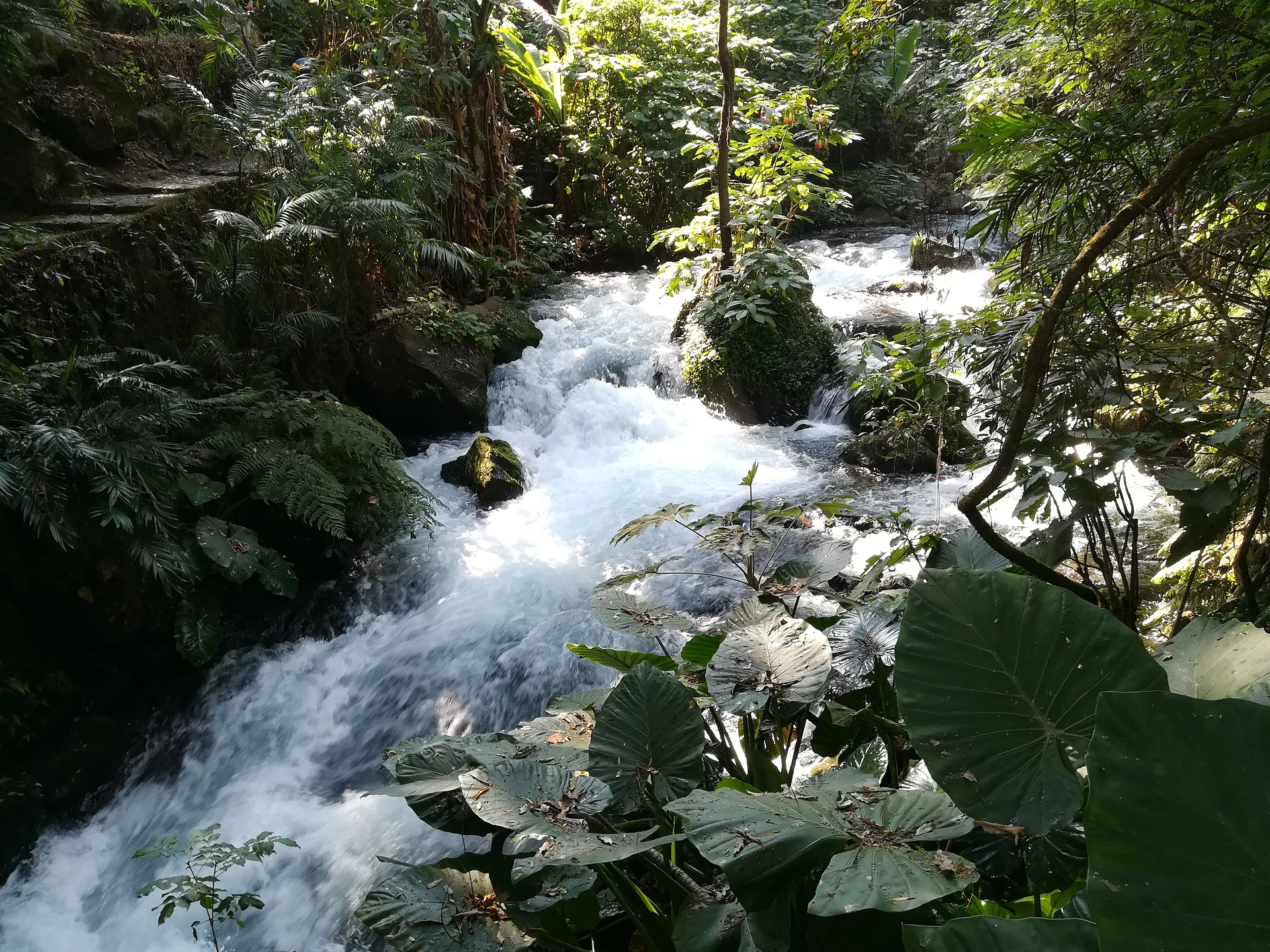
Set right in the middle of town, the Parque Nacional Barranca del Cupatitzio ranks as one of the finest urban parks in Mexico. The Cupatitzio River cuts directly through this sprawling green space, its crystal-clear water fed straight from natural springs. Paved paths wind past rushing waterfalls and thick tropical growth, making it an ideal spot for a shaded walk.
The Handicraft Market and Purépecha Culture
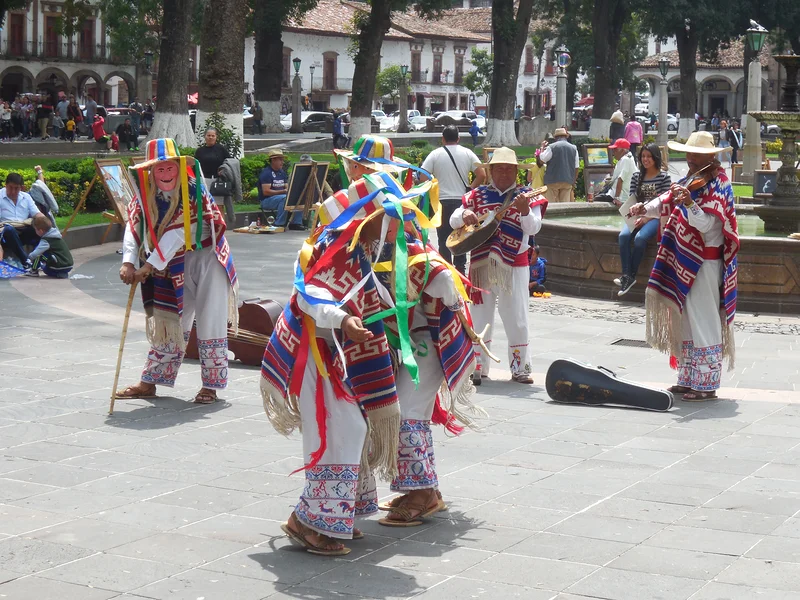
Uruapan serves as a prime base for discovering traditional Michoacán crafts. The Tianguis Artesanal, held during Holy Week, is one of the largest artisan markets in the country. Stalls fill with pottery, textiles, and carved wood pieces crafted by the region's Purépecha communities. Even outside of festival season, the Mercado de Antojitos offers a solid introduction to these local techniques.
Paricutín Volcano: A Surreal Landscape
Roughly 30 km from Uruapan, the Paricutín volcano stands as one of the few volcanoes whose actual birth was witnessed firsthand back in 1943. Now extinct, it draws hikers eager to trek across fields of hardened lava and explore the ruins of the San Juan Parangaricutiro church, which sits half-buried under dark volcanic rock. You can tackle the excursion on foot or on horseback.
The Historic Center and Colonial Vibe
While quieter than other major Mexican travel hubs, Uruapan's historic center holds several notable sights. Plaza Morelos acts as the pulse of the city, watched over by the 16th-century San Francisco church. Just steps away, Casa Morelos preserves a former colonial residence that now operates as a museum.
Classic Flavors of Michoacán
Uruapan cooking leans heavily on Michoacán traditions infused with Purépecha roots. A mandatory stop is carnitas, pork slow-cooked in its own lard, served alongside fresh tortillas and spicy salsa. Another regional specialty is corundas, triangular tamales topped with cream and fresh cheese. When it comes to drinks, atole de grano, a warm corn-based beverage, remains a local favorite.
Where to eat
- La Mesa de Blanca (Downtown): A reliable spot for traditional Michoacán plates.
- Carnitas El Camino Real (North side): One of the top destinations for authentic carnitas.
- Las Camelinas (Downtown): A classic sit-down restaurant featuring a peaceful interior courtyard.
- Antojitos Lupita (Market): Ideal for sampling corundas and other street-food staples.
Where to stay
- Mansión del Cupatitzio (Downtown): An upscale hotel set right next to the national park.
- Hotel Plaza Uruapan (Downtown): A straightforward, comfortable pick with a central address.
- Hotel Mi Solar (Downtown): A charming property with classic colonial character.
- Holiday Inn Uruapan (South side): A contemporary hotel complete with an outdoor pool.
When to go
Uruapan enjoys temperate weather year-round with comfortable temperatures. The peak time to visit falls around March and April during Holy Week, when the massive artisan market takes over the streets. For nature lovers, the rainy season running from June to September brings out the deepest greens in the national park.
How to get there
Uruapan has a local airport handling domestic flights from Mexico City and Tijuana; travelers from North America connect in Mexico City or Guadalajara. If you are arriving by bus, direct lines connect the city to Morelia (2 hours) and Guadalajara (4 hours). Drivers will find the highway coming from Morelia in good condition.
How to get around
Downtown Uruapan is compact enough to explore entirely on foot. To venture out to the surrounding countryside and the Paricutín volcano, your best bet is to rent a car or hire a local taxi.
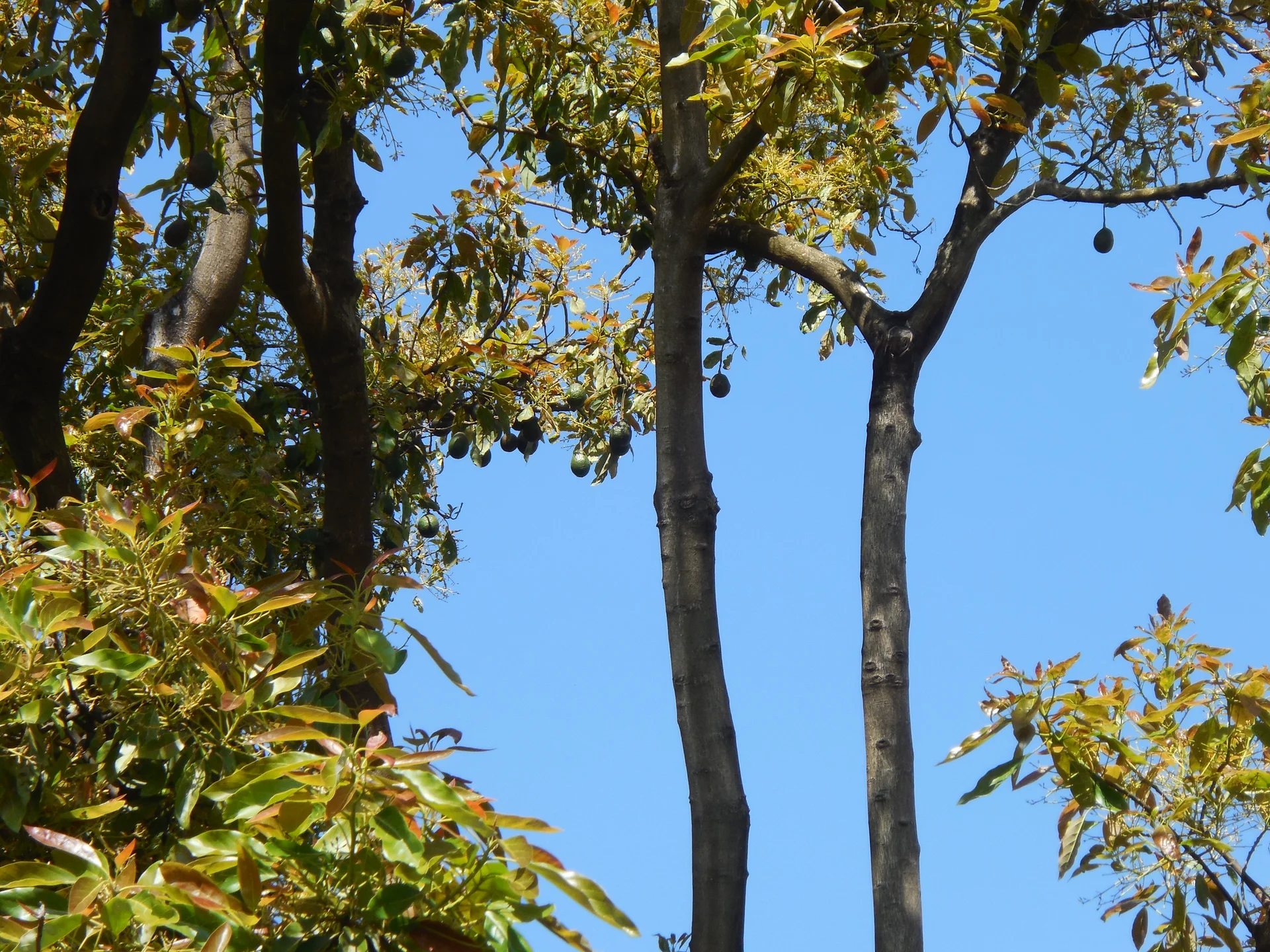
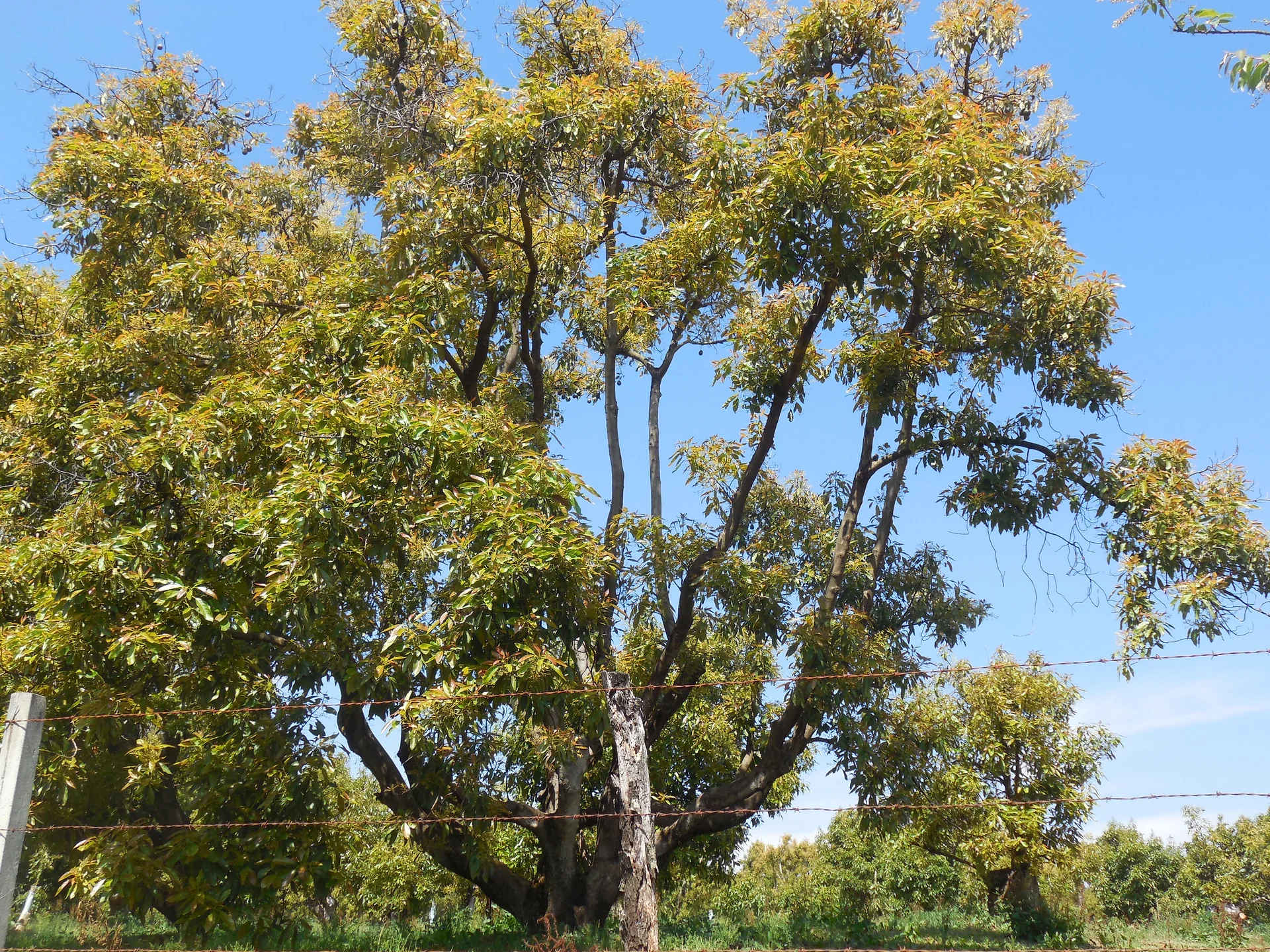
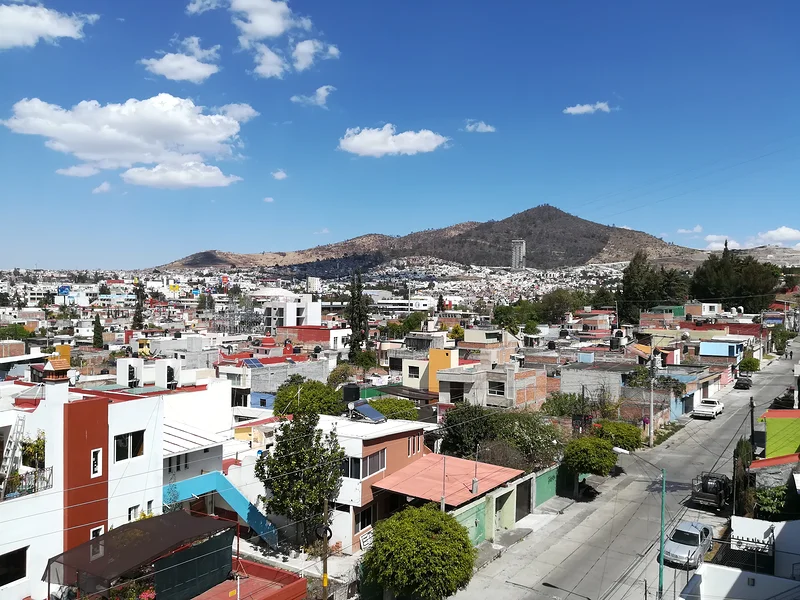
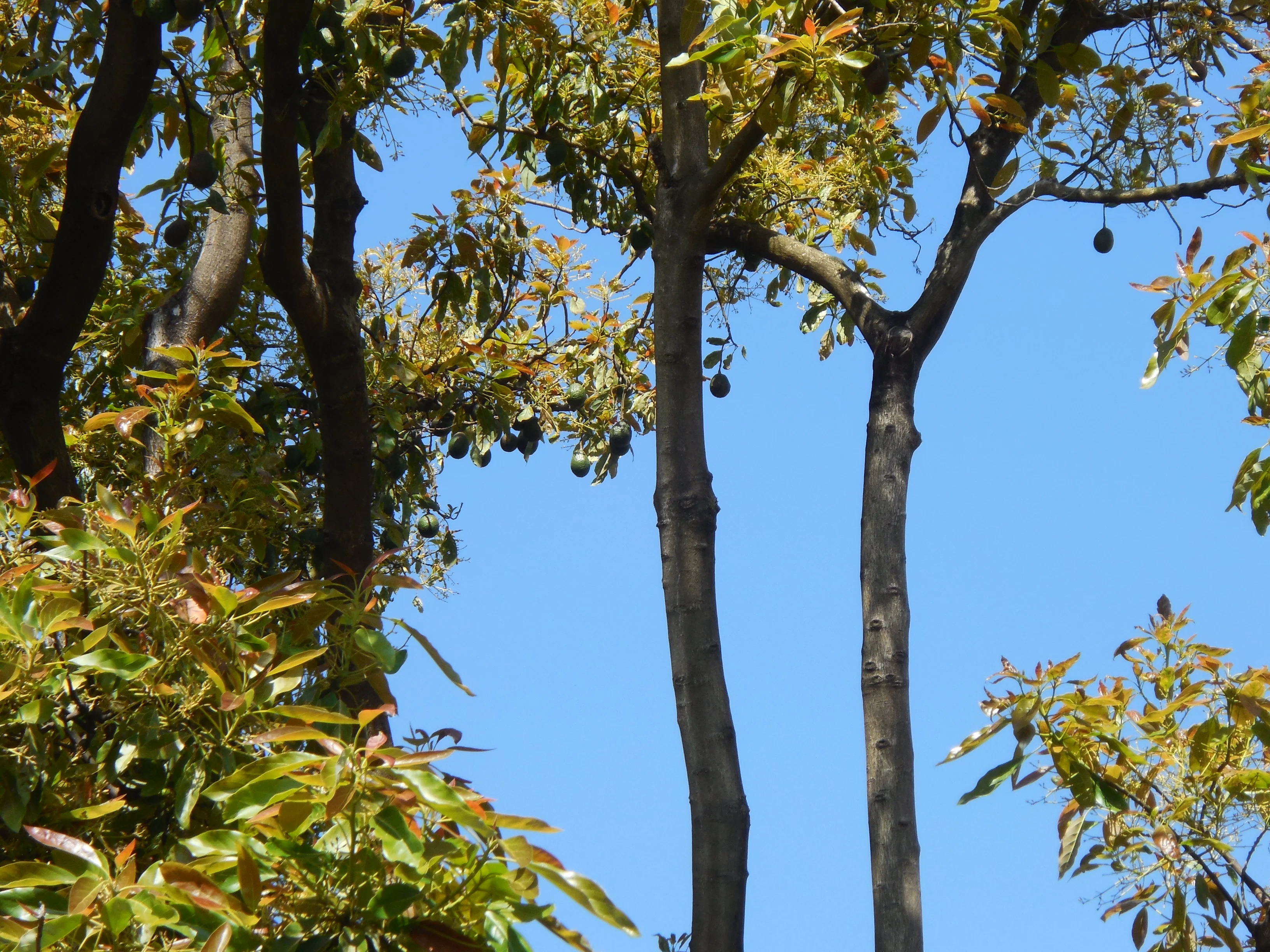
Uruapan is a city surrounded by avocado fields! Besides being able to eat them almost all year round, they really are delicious. It is also a great starting point for hiking the Paricutin volcano.